The Eaton Fire Claim Deadline* Is Approaching. Get Help Now.
In recent years, cases of sexual abuse in California women’s prisons have increased significantly. Thanks to new laws and protective measures, more women are reporting institutional sexual harassment and assault, demanding justice, and holding the authorities accountable. However, until now, many affected inmates lacked the necessary resources and support to come forward.
The Central California Women’s Facility (CCWF) in Chowchilla is one of the prisons most frequently cited for institutional sexual abuse. Inmates report repeated failures in supervision, abuse of authority, and negligence that have allowed this misconduct to persist.
At Adamson Ahdoot, our injury attorneys bring over 100 years of combined experience representing victims of sexual assault in California. We are dedicated to protecting survivors’ rights and ensuring they receive the compensation they deserve for physical, emotional, and financial harm.
If you or a loved one was sexually abused at CCWF, you must seek legal guidance. Our team offers free, confidential case evaluations and will support you throughout the legal process by helping you assert your rights and pursue justice.
Contact us today at (866) 645-4992, or submit your inquiry through our online form. Trust the top-rated sexual abuse lawyers at Adamson Ahdoot, specializing in institutional cases.
Quick Facts About Sexual Abuse at CCWF
- Since the 1990s, there have been documented cases of rape, sexual touching, and harassment by CCWF staff.
- Recent investigations have revealed deficiencies in supervision, training, and internal protocols.
- AB 2777 allows survivors to file civil lawsuits for incidents dating back to 2009, with a filing deadline of December 31, 2026.
- Survivors may seek compensation for medical expenses, therapy, financial losses, and emotional distress.
- Notable cases include the sentencing of Gregory Rodríguez to 224 years in prison in 2025 on 64 counts of sexual assault between 2010 and 2022.
- In 2023, a $3.7 million settlement was reached with six former inmates of the Chowchilla Prison in California following a civil lawsuit.
Legal Support for Victims of Sexual Misconduct at CCWF
No one should face the legal process alone after experiencing sexual abuse in California jails and prisons. Every survivor deserves justice. Our personal injury attorneys can guide you through the process, protect your rights, and help you pursue the compensation you deserve. Consult with us confidentially today.
📊 Did you know…? The AB 2777 filing deadline is December 31, 2026. If you were sexually assaulted at CCWF on or after January 1, 2009, time is running out to file a civil claim. Contact Adamson Ahdoot at (866) 645-4992 for a free, confidential case evaluation.
What is Chowchilla Prison?
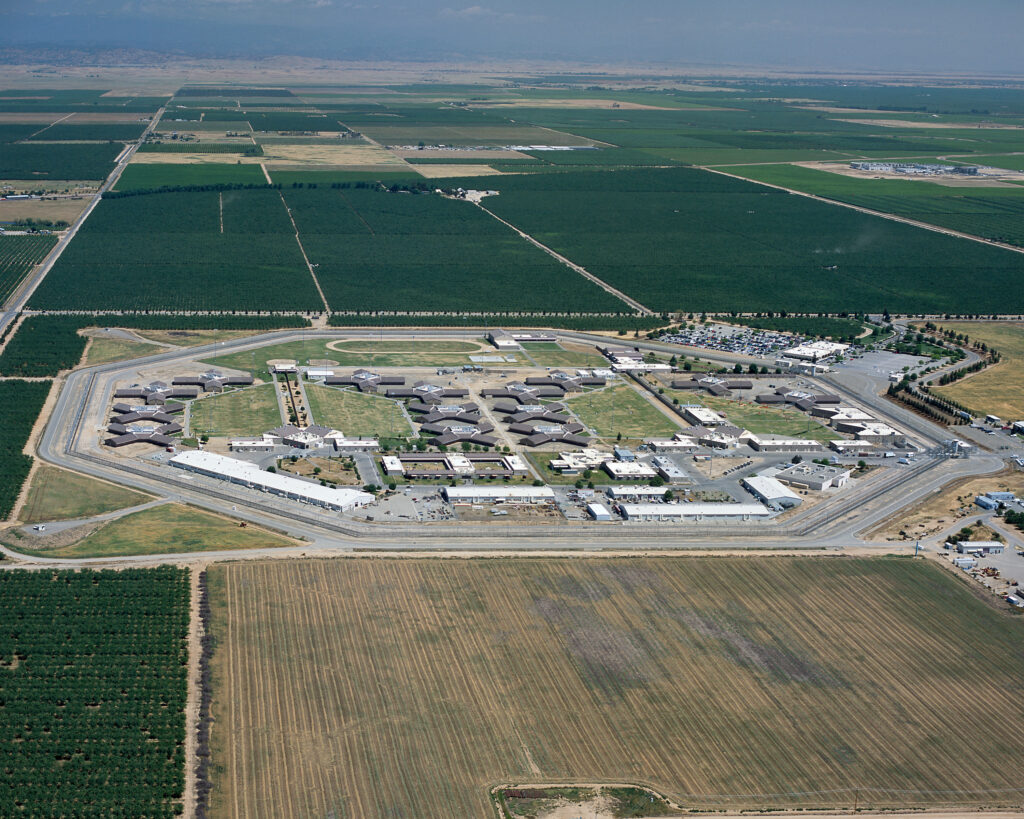
The Central California Women’s Facility (CCWF) is a state prison for women in Chowchilla, California. Also known as Chowchilla Prison, CCWF houses inmates serving sentences for various offenses. The facility houses inmates of all security levels, from minimum to maximum custody, and includes California’s only female death row.
Key facts about CCWF:
- Location: Chowchilla, California
- Inmate Population: Women across all custody levels, from minimum to maximum security, including death row
- Design Capacity: Roughly 2,000 but population often exceeds 3,000
- Administration: Operated by the California Department of Corrections and Rehabilitation (CDCR)
As the second largest prison for women in the United States, Central California Women’s Facility is an environment where inmates are particularly vulnerable to misconduct.
To better understand this issue, the following section examines the types of sexual abuse that can occur in California women’s correctional facilities, as well as the contributing factors.
Types and Causes of Sexual Abuse in California Jails and Prisons
Sexual violence against women in correctional facilities can take many forms, ranging from verbal harassment to serious physical assault. Identifying the different types of sexual offenses and the factors that contribute to them is essential to protecting inmates and ensuring that perpetrators are held legally accountable..
The most frequent types of sexual abuse and assault reported in prisons and jails are:
- Rape: Forced sexual intercourse by staff or other inmates.
- Sexual Harassment: Unwanted sexual comments, advances, or behavior.
- Abuse of Power by Prison Staff: Sexual coercion, exploitation, or any inappropriate conduct.
- Non-Consensual Touching: Sexual contact without consent.
- Sexual Exploitation, Extortion, or Blackmail: When privileges, visits, or benefits are conditioned on sexual acts.
- Non-Consensual Recording or Exposure: Taking photos, videos, or distributing sexual material without permission.
Factors Contributing to Inmates’ Vulnerability
Sexual misconduct often occurs in prisons due to institutional negligence. Contributing causes may include:
- Inadequate supervision of inmates
- Insufficient staff training to prevent or detect abuse
- Ineffective or inaccessible reporting systems
- Prison overcrowding
- History of prior abuse or trauma among incarcerated women
- Lack of institutional accountability
- Absence of clear protocols for victim protection and care
📊 Did you know…? CCWF, the second-largest correctional facility for women in the United States, faces serious oversight issues. According to a California state audit, 86% of internal disciplinary and criminal cases were rated “inadequate” or “in need of improvement,” highlighting systemic failures to protect female inmates.
History of Reported Sexual Issues at Chowchilla Correctional Facility
The Central California Women’s Facility has been the subject of numerous investigations into sexual assaults and other forms of misconduct. Negligence and institutional sexual abuse are not new issues—they have persisted for decades.
Public attention, however, did not intensify until 2022, when dozens of former inmates filed complaints and civil lawsuits against the California Department of Corrections and Rehabilitation (CDCR), shedding light on multiple cases at the Chowchilla prison.
So what issues at the correctional facility have led to such a high number of reported sexual abuse offenses? The following timeline highlights the most significant episodes of negligence and sexual violence at CCWF.
1. Decades of Sexual Abuse Reports at CCWF
Before the 2000s, several women at the Central California Women’s Facility had reported sexual offenses. For example, these incidents included rape, non-consensual touching, verbal harassment, and sexual exploitation. Beginning in 2022, many of these cases received media coverage and public attention, prompting legal action against the CDCR.
2. Patterns of Systematic Misconduct by Prison Staff
Investigations and complaints revealed a persistent pattern of sexual abuse, harassment, and assault carried out by correctional officers and other staff members. Specifically, these individuals exploited their positions of power to commit offenses, violating the rights and safety of female inmates.
3. Structural Oversight Problems at CCWF
Audits and investigations have exposed ineffective supervision and staff lacking proper training to prevent and address sexual misconduct. As a result, this lack of proper oversight allows inappropriate behavior to go unnoticed and prevents incidents from being investigated properly.
4. Overcrowding and Overcapacity in Women’s Prisons
CCWF often operates above its intended capacity, creating an environment where controlling both staff and inmate behavior becomes extremely difficult. Consequently, overcrowding contributes to heightened tension, escalated violence, and increased risk of sexual abuse within the facility.
5. Culture of Impunity and Institutional Failures
State audits indicate that over 80% of internal disciplinary and criminal cases were rated as “inadequate” or “in need of improvement.” Reporting mechanisms and protective protocols are often ineffective or inaccessible.
6. Vulnerability of Female Inmates to Sexual Misconduct
Many women in correctional facilities are survivors of trauma or abuse, which makes them especially vulnerable in environments with negligent oversight. Without specialized support and effective protection measures, these women are at high risk of sexual assault and exploitation.
Cases of Sexual Abuse of Inmates at Central California Women’s Facility
Reports of sexual abuse at CCWF date back to the 1990s. In fact, a 1999 Los Angeles Times article already highlighted recurring incidents within the facility. Some of the documented cases include guards and medical staff sexually assaulting inmates:
- Correctional staff and medical personnel sexually abusing inmates. In 1996, a nurse admitted to assaulting three patients, including one who was physically unable to defend herself.
- An inmate reporting that her child was conceived as a result of sexual assault by a prison employee.
- Inmates subjected to ongoing sexual harassment and verbal abuse by staff during their incarceration.
- Dozens of employees investigated for sexual misconduct, many of whom were never formally charged.
Although these incidents were documented decades ago, recent reports show that sexual abuse and institutional failures at CCWF have persisted over time. As a result, many current and former Chowchilla prison inmates have filed personal injury lawsuits alleging sexual violence.
2021: Allegations Against Warden and Administrative Staff
In September 2021, an administrative employee filed a lawsuit against then-warden Mike Pallares, alleging that he pressured her to engage in sexual relations after she reported harassment by other staff.
That same month, another former supervisor of the Chowchilla prison filed a separate lawsuit accusing Pallares of repeated sexual harassment.
Additionally, at least one inmate reported experiencing retaliation after reporting sexual abuse by staff members.
These cases reveal that misconduct at CCWF extended beyond the guards and included high-level administrators.
2023: Lawsuit by 29 Inmates Against the State and CCWF Staff
In October 2023, 29 former inmates filed a civil lawsuit against the State of California and CCWF staff for years of sexual misconduct at the Chowchilla prison.
The complaint specifically cited correctional officer Israel Treviño Jr., alleging that prison officials allowed his behavior to continue for years.
2024: Department of Justice Investigation
In September 2024, following hundreds of lawsuits filed since 2022, the U.S. Department of Justice (DOJ) launched a civil rights investigation into whether the CDCR failed to protect inmates from sexual abuse. CCWF was identified as one of the facilities with the highest number of reported cases.
2024: Retaliation and Use of Force by Staff
In 2024, penitentiary officers at CCWF used tear gas, rubber bullets, and physical force during an operation, resulting in serious inmate injuries. Investigations are examining whether these actions were taken in retaliation for the increasing number of sexual misconduct complaints filed against staff members.
2025: The Gregory Rodríguez Case
Former California Correctional Women’s Facility officer Gregory Rodríguez was convicted on 64 counts, including 62 felonies and 2 misdemeanors, for sexual assault committed between 2010 and 2022.
- He was initially arrested and charged in 2023 for assaulting 13 inmates ; ultimately he was convicted for crimes against 9 of the women under his care.
- In August 2025, the court sentenced Rodríguez to the maximum penalty allowed: 224 years in prison.
- Additionally, in October 2023, the state of California reached a $3.7 million settlement with six affected former inmates.
Laws Protecting Inmates from Sexual Abuse in California Prisons
Both state and federal laws protect victims’ rights, safeguard inmates, prevent abuse, and hold perpetrators accountable.
Due to legislative changes, survivors of institutional sexual abuse in California prisons now have greater access to legal protections and can more easily file civil lawsuits and pursue compensation.
AB 2777
AB 2777 is a California law that expands legal protections for victims of sexual assault. It allows survivors to file civil lawsuits against correctional facilities and staff, including for incidents that occurred years earlier.
This law significantly broadens the ability to seek compensation for institutional sexual negligence.
The Federal Prison Rape Elimination Act (PREA)
The PREA is a federal law that establishes mandatory standards to prevent, detect, and respond to sexual abuse in prisons. It applies to institutions such as CCWF and requires the implementation of safety measures, staff training, and effective reporting protocols.
California Penal Code
California law includes specific provisions that criminalize sexual misconduct in correctional facilities.
- PC 243.4: Criminalizes non-consensual sexual contact
- PC 289: Addresses acts of forced sexual penetration
- PC 289.6: Prohibits sexual activity between penitentiary staff and inmates
⚖️ Have You Been Sexually Abused in a California Prison or Jail?
If you or a loved one has experienced sexual assault at the Chowchilla prison, you may have the right to file a civil lawsuit and pursue financial compensation. Our prisoner rights lawyers represent survivors and guide them through every step of the legal process. Call (866) 645-4992 today for a free and confidential consultation, or submit your case through our online form.
| Law | Type | What It Protects |
| AB 2777 | State Law | Civil lawsuits for prison sexual abuse |
| PREA | Federal Law | Prevention and investigation of sexual abuse |
| PC 243.4 | Criminal Code | Non-consensual sexual contact |
| PC 289 | Criminal Code | Forced sexual penetration |
| PC 289.6 | Criminal Code | Sexual activity in custody |
Filing a Lawsuit Against a Correctional Facility in California
Reporting sexual abuse in a correctional facility requires knowledge and swift action. Victims need to be aware of their rights when dealing with guards, medical staff, and prison administrators, as well as the proper legal procedures and protections available under the law.
When filing a civil lawsuit for sexual assault in a California prison, victims should follow these main steps:
- Document the facts
- Consult a specialized law firm
- File the civil lawsuit
- Join a class-action lawsuit
- Maintain communication with your jail abuse lawyer
- Seek emotional support
Statute of Limitations for Prison Sexual Abuse Cases
Understanding how much time you have to take legal action is just as important as knowing your rights. In California, victims of sexual violence have up to 10 years from the date of the assault or harassment, or until they turn 40 if they were a minor at the time, to file a personal injury claim.
The Sexual Abuse and Cover-Up Accountability Act (AB 2777) extends these deadlines, ensuring that women who were previously unable to file a claim can still seek justice. Under this law:
- Assaults that occurred on or after January 1, 2009, can be reported until December 31, 2026.
- The extension applies to victims who, due to retaliation, fear, or institutional pressure, were unable to file earlier.
⚠️ Attention: If you or a loved one has experienced sexual assault or harassment in a California prison or jail since 2009, you must take legal action promptly. Protect your rights and seek justice today with Adamson Ahdoot.
Prisoner Compensation Claims for Sexual Abuse
Women who suffered sexual abuse at the CCWF prison may claim financial compensation for physical, emotional, and psychological damages. With the help of a specialized attorney, survivors can seek compensation for the following:
- Past and future medical expenses
- Mental health treatment for trauma and psychological consequences
- Loss of income
- Pain and suffering
- Psychological harm, including anxiety, depression, and post-traumatic stress
Reduced ability to enjoy life
FAQs About Sexual Abuse in California Women’s Prisons
Are California Prisons Immune from Lawsuits?
No. The law can hold state prisons and jails legally accountable. In fact, there are currently numerous lawsuits in California correctional facilities—particularly at the Chowchilla prison—alleging unconstitutional conditions, medical negligence, and sexual assault.
How Do I Join the Lawsuit For Sexual Abuse at Women’s Prisons in Chowchilla?
Plaintiffs file most cases as individual civil lawsuits. In order to take part in the process, you must work with an inmate rights lawyer who can guide you through the legal process and protect your rights.
How Can I Report Ongoing Abuse at CCWF?
Reporting abuse is a protected right. You can report incidents of sexual misconduct at CCWF through the following channels:
- CDCR’s internal prevention programs
- The CDCR ombudsman
- Specialized prison law office attorneys
- External victim support organizations
How Does AB 2777 Protect CCWF Survivors?
AB 2777 allows victims to file civil lawsuits that the statute of limitations would otherwise prohibit. The bill also establishes a “review window” from January 1, 2023, to December 31, 2026, for claims of sexual assault that occurred on or after January 1, 2009.
Our Approach: Advocating for Sexual Abuse Victims at CCWF
At Adamson Ahdoot, we understand the emotional and legal challenges that survivors of sexual abuse in California prisons face. With over 100 years of combined experience in personal injury law, our team guides each victim through every step of the legal process. We protect your rights and help you pursue the compensation you deserve. Our approach is personalized, compassionate, and professional, so no woman has to face this journey alone.
Take Action Today: Protect Your Rights and Seek Justice
If you or a loved one has suffered sexual assault or harassment at CCWF or any other California correctional facility, it is crucial to act promptly. Each case is unique, and the time limit for filing a lawsuit is short. Our experienced prison attorneys can help you be aware of your rights, gather the necessary evidence, and pursue legal action.
Don’t wait to seek justice and financial compensation.
Call us at (866) 645-4992 or submit your inquiry online to receive a free case evaluation.
Blog
Even when a home remains standing, wildfires can cause significant property damage. Burned...
California wildfires can cause devastating injuries, destroy homes, and leave entire commu...
Manufacturers recall unsafe products, but some consumers may already have suffered serious...
California wildfires can leave entire communities facing devastating losses, from destroye...
Head injuries can have life-changing consequences, whether they result from blunt-force tr...
Following recent investigations into the Eaton Fire and Palisades Fire, new questions have...
California’s September 2026 News Includes Tesla’s Robotaxi Launch, Legal Consequences...
If you suffered losses in the Eaton Fire, you may be looking for ways to rebuild and cover...
When visiting an apartment complex, hotel, shopping center, or parking garage, you reasona...
Wildfires can cause lasting psychological harm, even after the immediate danger has passed...
Other Practice Areas
Accidents
- 5 Common Types of Car Accidents
- Accident Reconstruction in Los Angeles
- Amazon Product Defect Injury
- Assault Injury Lawyer
- Attorney Regarding Uber Accident
- Aviation Accident Lawyer
- Bakersfield Bus Accident Lawyer
- Bakersfield Car Accident Lawyer
- Bakersfield Motorcycle Accident Lawyer
- Bakersfield Rideshare Accident Lawyer
- Bakersfield Truck Accident Lawyer
- Boat Accident Lawyer
- California Institution for Women Sexual Abuse (CIW) Lawsuits
- California Metro & Railroad Accidents
- California Women’s Prisons and Jails Sexual Abuse Lawsuits
- Can an Uber Driver Sue Uber
- Car Accident Lawyer
- Car Accidents at Night
- Carnival Ride Accident Attorney
- Century Regional Detention Facility (CRDF) Sexual Abuse Lawsuits
Injuries
- About Brain Injury Lawsuits
- After Head Injury
- Amputation & Disfigurement Injury Lawyer
- Back Injuries from Car Accidents
- Brain And Spinal Cord Injuries Lawyer
- California Dog Bite Injuries
- California Dog Bite Laws
- California Wrongful Death Attorney
- Chronic Pain
- Common Back & Neck Injuries
- Common Types of TBI
- Dangerous Dog Breeds
- Delayed Pain
- Dismemberment or Amputation Injury
- Dog Bite Attorney in California
- Dog Bite Damages
- Dog Bite Injury Lawyer
- Dog Bite Liability
- Dog Sitter Dog Bites
- Football Head Injuries Lawyer














Get a Free Consultation:
(424) 392-7649
Connect with an Attorney
Fill Out the Form Below
"*" indicates required fields
By submitting this form, you agree to be contacted and recorded by Adamson Ahdoot LLP or a representative, affiliates, etc., calling or sending correspondence to your physical or electronic address, on our behalf, for any purpose arising out of or related to your case and/or claim. Standard text and/or usage rates may apply. If at any time you wish to opt out of communication, reply “STOP.” Text “HELP” for assistance. Message frequency may vary. See the privacy policy and Terms and Conditions on the webpage.
