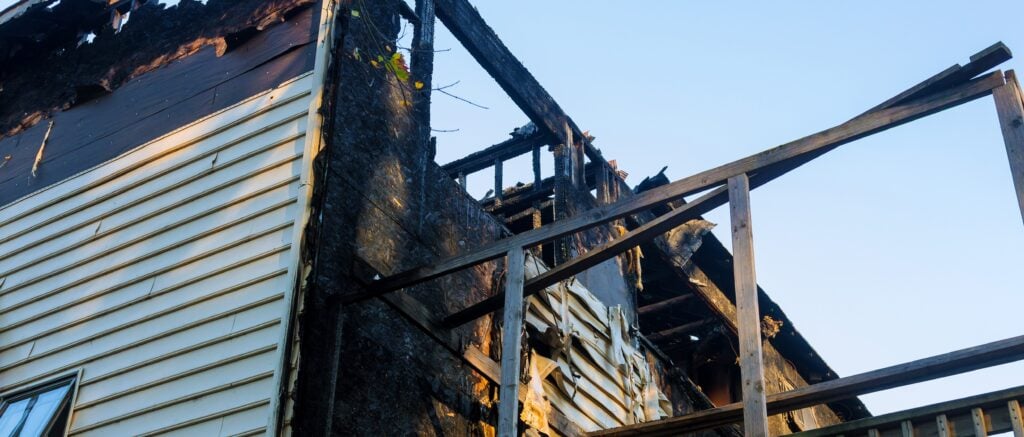
If your home becomes uninhabitable because of a California wildfire, you may be entitled to receive advance insurance payments for Additional Living Expenses (ALE) while your claim is being processed. These funds can assist in covering essential costs such as temporary housing, meals, transportation, and other necessary expenses before your final settlement is completed.
Although wildfire insurance claims can take time to investigate and resolve, California law provides protections designed to help policyholders access financial support when they are displaced from their homes. Understanding how advance payments work, which expenses are covered, and how to request these benefits can protect your rights.
This blog will walk you through what these wildfire advance payments cover, how to request them, and why proper documentation is essential. Knowing your rights under California’s insurance laws can help you avoid unnecessary delays and ensure you receive the wildfire compensation you deserve.
What Are Advance Insurance Payments?
Advance payments are funds provided by your insurance company before your wildfire claim is fully resolved. These payments can help pay for immediate expenses after a covered wildfire loss, especially if your home is damaged or becomes uninhabitable.
Unlike a final insurance settlement, advance payments provide financial support while your insurer continues to review your case and assess long-term property damage. They are usually available through coverage such as Additional Living Expenses or Loss of Use, which is included in many homeowners’ insurance policies.
In California, insurance companies must follow specific rules for handling claims after wildfire-related losses. When a covered loss leaves a home partially or completely uninhabitable, policyholders may be entitled to reasonable advance payments to assist with necessary living expenses while the claims process continues.
⚖️ Need Help With a Wildfire Insurance Claim?
Although advance payments can provide important support after a wildfire, insurance companies do not always handle wildfire claims fairly. If your insurer delays payments, undervalues your losses, or disputes your case, the attorneys at Adamson Ahdoot can help you understand your legal options and fight to recover the compensation you deserve.
Let our team review your case during a free consultation. Call us today at (866) 645-4992.
What Do Advance Payments Cover?
Advance insurance payments are usually available through additional living expenses or loss-of-use coverage. These funds are designed to cover the necessary and reasonable costs incurred when your home becomes uninhabitable due to wildfire damage. These expenses can include:
- Temporary Housing: Hotels, Airbnb rentals, or short-term leases.
- Food and Meals: Additional meal expenses, especially when temporary housing lacks a kitchen.
- Clothing and Personal Items: Essential belongings if your possessions were damaged, destroyed, or inaccessible.
- Toiletries and Household Supplies: Basic items needed for daily living after displacement.
- Pet Boarding: In case your temporary housing doesn’t allow animals.
- Transportation Costs: Additional commuting expenses, rental vehicles, or other transportation needs caused by displacement.
Important: Advance payments are not loans. They are partial disbursements from the total compensation your policy provides. However, they must be justified with receipts and proper documentation, which is why it’s important to keep detailed records from day one.
| Expense | Examples |
|---|---|
| Temporary Housing | Hotels, Airbnb, short-term rentals |
| Food | Meals when displaced from your home |
| Transportation | Rental vehicles, additional commuting costs |
| Personal Items | Clothing, toiletries, essentials |
| Pet Expenses | Boarding if temporary housing does not allow pets |
How to Request Wildfire Insurance Benefits
Insurance companies do not automatically provide advance payments after a wildfire loss. Policyholders may need to request these benefits and provide documentation showing that their home is uninhabitable and that they have incurred necessary expenses. Here’s how to get started:
- Contact Your Insurer Promptly: It is important to notify your insurance company as soon as possible after a wildfire loss. Delays in reporting a claim or requesting available benefits may create unnecessary complications during the process.
- Request an Advance for ALE Benefits: Ask what documentation they need and confirm the maximum amount available under your policy.
- Send a Formal Written Request: Include the date of loss, your policy number, and details about your living situation.
- Keep Receipts: Every dollar you spend, from meals to hotel stays, should be documented with receipts and dates.
🛡️ Protect Your Rights
If your insurance company delays payments, undervalues your losses, refuses to provide benefits you are entitled to, or mishandles your wildfire case, it may raise concerns about unfair claim handling or insurance bad faith. Understanding your rights can help you determine your next steps and protect your ability to pursue the compensation you may be owed.
Know Your Rights Under California Law
California provides wildfire victims with specific insurance protections designed to help policyholders access necessary benefits after a covered loss.
These protections exist because wildfires can suddenly displace families, leaving them without access to necessities while insurance claims are being investigated and resolved.
According to the California Department of Insurance, insurers generally must:
- Offer a fair advance payment when a policyholder suffers a covered loss and the home is uninhabitable.
- Not require a complete inventory before issuing ALE payments.
- Allow policyholders to recover reasonable costs for additional living expenses without needing to spend excessive time negotiating.
California Insurance Code Section 2060 provides specific protections related to Additional Living Expense coverage after wildfire-related losses. This section includes requirements regarding the information insurers must provide about potentially reimbursable living expenses.
California law requires insurance companies to handle claims fairly and in good faith. Delaying payments, undervaluing losses, or improperly denying benefits may raise concerns about unfair claim handling or insurance bad faith.
Common Mistakes That Can Hurt a Wildfire Insurance Claim
Policyholders often make mistakes when filing wildfire insurance claims. These errors can create unnecessary delays, disputes, and problems when seeking available benefits.
Common mistakes include:
- Not Understanding Available Coverage: Insurance policies may include ALE and other benefits that policyholders may not fully understand.
- Failing to Document Expenses: Missing receipts can delay reimbursement or lead to claim denials.
- Assuming the Insurance Company Will Handle Everything Automatically: Insurers may not always explain all available benefits and coverage options unless asked to do so.
- Delaying Contact with Your Insurer: Reporting the loss late can jeopardize your ability to receive benefits.
- Ignoring Signs of a Claim Dispute: If your insurer disputes coverage, delays the process, or fails to properly evaluate your losses, it may be time to understand your legal options.
How to Protect Your Wildfire Insurance Claim
- Use Digital Tools: Save receipts and invoices using cloud storage or a document app.
- Maintain a Daily Journal: Note where you stayed, meals purchased, and any changes in costs.
- Keep Important Claim Documents Organized: Having clear records can help support your claim and respond to questions or disputes during the insurance process.
Documenting your losses and understanding your available coverage can help protect your case. However, advance payments are only one part of the recovery process and may not reflect the value of your losses.
💡 Are You Receiving Enough Compensation for Your Losses?
Your insurance payment may not be the end of your claim.
Although advance payments can provide important support after a wildfire, they are typically intended to cover immediate expenses while your total losses are evaluated. Depending on the cause of the fire, the extent of the damage, and whether another party may be responsible, you may have additional legal options.
Many wildfire victims do not realize that advance payments or insurance benefits may not represent the full compensation available after a devastating loss. If your damages were caused by negligence or if your insurance claim has not been handled properly, an experienced wildfire attorney can review your case, explain your legal options, and help you pursue the compensation you may be entitled to.
Know Your Rights
Advance insurance payments provide support after a wildfire, but they may not cover the full recovery process. Some wildfire victims have difficulty when insurance companies delay payments, dispute coverage, or inaccurately assess the extent of their losses.
If you lost your home or cannot safely live in it because of wildfire damage, understanding your rights is crucial. The attorneys at Adamson Ahdoot help California wildfire victims evaluate their legal options and seek the compensation they deserve.
Call our team of wildfire attorneys at (866) 645-4992 for a free case review, or send us your inquiry online.