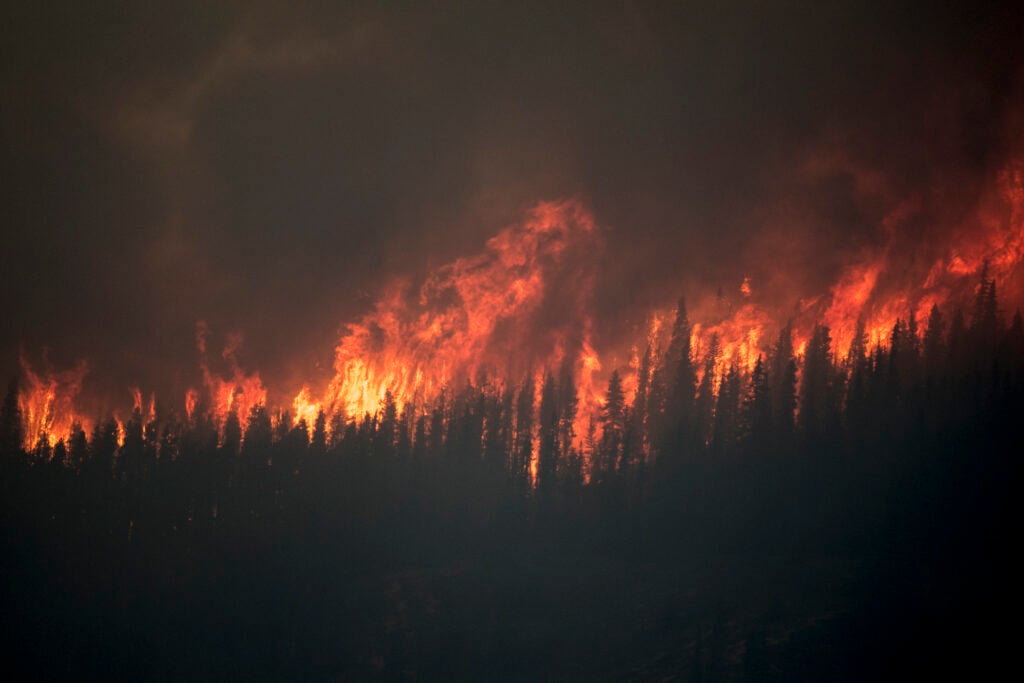
The 2025 wildfire season in California, which included the devastating Eaton and Palisades fires, left thousands of homeowners facing property damage, smoke damage, displacement, and uncertainty about how to recover their losses. For many survivors, the recovery process begins with filing an insurance claim. However, insurance coverage may not always fully compensate for the damage suffered.
Depending on the circumstances of the fire, California wildfire victims may be able to recover compensation through insurance claims, legal action, or both. When insurance coverage falls short, filing a wildfire lawsuit may help survivors seek additional compensation from responsible parties.
This guide explains the California wildfire recovery process. It covers how insurance claims work, common challenges survivors face, when litigation may be an option, and steps that can help maximize compensation after a wildfire.
⚠️ Injured or Affected by a California Wildfire?
Wildfire survivors may have legal options beyond insurance coverage. Adamson Ahdoot can help you understand your rights, evaluate your claim, and explore potential sources of compensation.
Contact Adamson Ahdoot today for a free consultation. Call us at (866) 645-4992 or submit your inquiry online to receive a free case evaluation.
Understanding Insurance Coverage for Wildfire Damage
After a California wildfire, homeowners may be able to recover compensation through their insurance policy for certain wildfire-related losses. However, coverage depends on the specific terms of the policy, including limits, exclusions, and additional coverage options.
Standard homeowners’ insurance policies typically cover damage caused by flames, smoke, and soot, as well as other wildfire-related losses.
What Does Wildfire Insurance Typically Cover?
Homeowners insurance may provide coverage for:
- Structural Damage: Repairs or rebuilding costs if a home is damaged or destroyed by wildfire.
- Personal Property Loss: Replacement or repair of belongings damaged by the fire.
- Additional Living Expenses (ALE): Temporary housing, meals, and other costs if the property becomes uninhabitable.
One common question is: Does insurance cover wildfire damage? In most cases, yes, but the extent of that coverage varies significantly depending on the provider and specific policy terms. It’s critical to thoroughly review your policy, including endorsements and exclusions, to understand what is and isn’t protected.
Filing an Insurance Claim: Steps and Timeline
Filing an accurate claim quickly can help ensure that you receive compensation after a wildfire. This usually involves documenting your losses, communicating with your insurer, and providing evidence of the damage.
- Immediate Notification: Contact your insurance provider as soon as possible to report the loss. Delays can complicate the process and affect your eligibility.
- Documentation: Take photographs and videos of all damages. Keep receipts for any expenses related to temporary housing or emergency repairs.
- Inventory Losses: List all damaged or destroyed items. Some insurers may offer a percentage of contents coverage without a detailed inventory, but providing one can help maximize your claim.
- Professional Assessment: Consider hiring a licensed public adjuster to evaluate damages and assist in negotiations with your insurance company.
- Claim Submission: Submit all required forms and documentation promptly. Keep detailed records of all communications with your insurer.
Typical Timeline:
- Initial Contact: Within 24–48 hours post-incident.
- Adjuster Inspection: Typically within 7–10 days.
- Claim Decision: Often within 30–60 days, though it may vary depending on complexity and claim volume.
Challenges in the Wildfire Insurance Claims Process
Although insurance is often the first step toward recovery after a California wildfire, many survivors struggle to receive fair compensation for their losses.
Common issues include:
- Claim Denials: Insurers may deny claims, citing insufficient documentation or asserting that damages predate the fire.
- Delays: A high volume of claims following major wildfires often leads to administrative backlogs.
- Underpayment: Some insurers may offer settlements that do not reflect the true cost of rebuilding or replacement.
If you are dealing with a denied or underpaid wildfire insurance claim, understanding your rights and available options can help you determine your next steps.
Tips for Overcoming Challenges:
- Review Your Policy: Know your rights and understand your specific coverage.
- Seek Clarification: Ask your insurer for detailed justifications if a claim is denied or reduced.
- File a Complaint: If you can’t resolve the issue directly, consider contacting the California Department of Insurance.
What If Your Wildfire Insurance Settlement Is Too Low?
A wildfire insurance settlement may not reflect the full extent of your losses. Initial offers sometimes fail to account for rebuilding costs, additional expenses, or damages that become apparent later in the recovery process.
Before accepting a settlement, wildfire survivors should carefully review what damages are covered and whether the offer reflects their actual losses.
When Insurance Falls Short: Considering Litigation
Insurance claims are often the first step after a wildfire, but they may not always cover the full extent of a survivor’s losses. If another party’s negligence contributed to the fire, legal action may be an option.
| Insurance Claim | Wildfire Lawsuit |
|---|---|
| Filed with your insurance company | Filed against a potentially responsible party |
| Depends on the terms and limits of your insurance policy | May seek additional compensation beyond insurance coverage |
| Typically covers losses included in your policy | May involve negligence claims against responsible parties |
Southern California Edison Wildfire Claims and Utility Negligence
Many catastrophic wildfires have been linked to utility companies’ failure to properly maintain their equipment or to safely manage vegetation near power lines. When utility providers, such as Southern California Edison (SCE), neglect safety protocols, their actions can result in preventable fires that devastate homes, displace families, and cause irreversible environmental damage. If it is determined that a utility company’s negligence caused or contributed to a wildfire, affected individuals may have grounds to pursue legal action.
Following recent California wildfires, including the Eaton Fire, questions have been raised about whether utility equipment, maintenance practices, or safety measures contributed to fire ignition.
At Adamson Ahdoot LLP, our wildfire attorneys investigate potential causes of fire damage by working with fire experts, engineers, and investigators. Our team evaluates evidence related to utility negligence, insurance disputes, and other factors that may affect a survivor’s ability to recover compensation.
Potential damages may include:
- Property damage
- Evacuation expenses
- Emotional distress
- Other wildfire-related losses
Steps to Pursue Legal Action
If you believe another party may be responsible for wildfire damage, the legal process may involve the following:
- Consult an Attorney: Engage a lawyer experienced in wildfire-related cases.
- Gather Evidence: Collect all relevant documentation, including your insurance policy, correspondence, and proof of damages.
- File a Lawsuit: Your attorney will help determine if you meet eligibility and file within California’s statute of limitations.
- Pursue Settlement or Trial: While many cases settle out of court, some may proceed to trial.
Strategies for Maximizing Compensation
Taking proactive steps after a wildfire can help protect your ability to recover compensation and strengthen your claim.
- Stay Organized: Maintain detailed records of all communications and transactions related to your claim.
- Be Proactive: Follow up consistently with your insurer and adjuster.
- Seek Professional Help: Public adjusters and legal counsel can provide valuable support in complex cases.
- Understand Your Rights: Stay informed on state laws and insurance regulations that protect consumers.
See our guide to wildfire recovery resources for a breakdown of services that can support your recovery.
How Adamson Ahdoot Helps California Wildfire Survivors
Recovering from a wildfire involves more than just filing an insurance claim. At Adamson Ahdoot LLP, we help California wildfire survivors understand their legal options, investigate potential causes of fire damage, and identify available sources of compensation.
Our team collaborates with experts, investigators, and other professionals to evaluate losses related to wildfires, including property damage, insurance disputes, and potential negligence claims.
Next Steps After a California Wildfire
Recovering from a wildfire is a difficult but navigable journey. From filing insurance claims to potentially pursuing litigation, each step is critical in helping you rebuild. Staying informed, prepared, and supported can significantly affect your outcome.
Whether starting your insurance claim or considering legal action, being strategic and thorough is key. Remember that you’re not alone—professionals, legal resources, and public services are available to help guide you through the process. If you’re unsure whether to pursue a California wildfire legal claim, consulting with a legal expert can clarify your best course of action.
Need Assistance with Your Wildfire Claim or Considering Legal Action?
If you are facing challenges with a wildfire insurance claim or believe another party may be responsible for your losses, Adamson Ahdoot LLP can help you understand your legal options.
Contact us today for a free consultation to learn how our team can evaluate your potential wildfire claim. Call us at (866) 645-4992 to speak with an expert.
Note: This article is for informational purposes only and does not constitute legal advice. For personalized guidance, please consult a qualified attorney.