The Eaton Fire Claim Deadline* Is Approaching. Get Help Now.
In recent years, reports of sexual abuse at the California Institution for Women (CIW) have increased significantly, leading to a growing number of civil lawsuits against the facility. Following extensive investigations and formal complaints, a disturbing pattern of institutional sexual violence has been identified. Many women have reported experiencing assault, neglect, and a systemic failure to provide adequate protection. Each case represents a serious breach of duty and personal harm that requires legal accountability.
As with other women’s correctional facilities in California, CIW has documented a high frequency of sexual misconduct incidents. These offenses, involving both guards and staff, constitute serious violations of civil rights. Recent legislative changes in California have expanded the ability of survivors to pursue legal action and hold negligent parties accountable.
With the guidance of attorneys experienced in prison abuse and institutional negligence, survivors may be able to file claims to seek financial compensation for the harm they have suffered.
At Adamson Ahdoot, our legal team brings over 100 years of combined experience handling complex institutional abuse cases. Contact us today for a free and confidential consultation by calling (866) 645-4992.
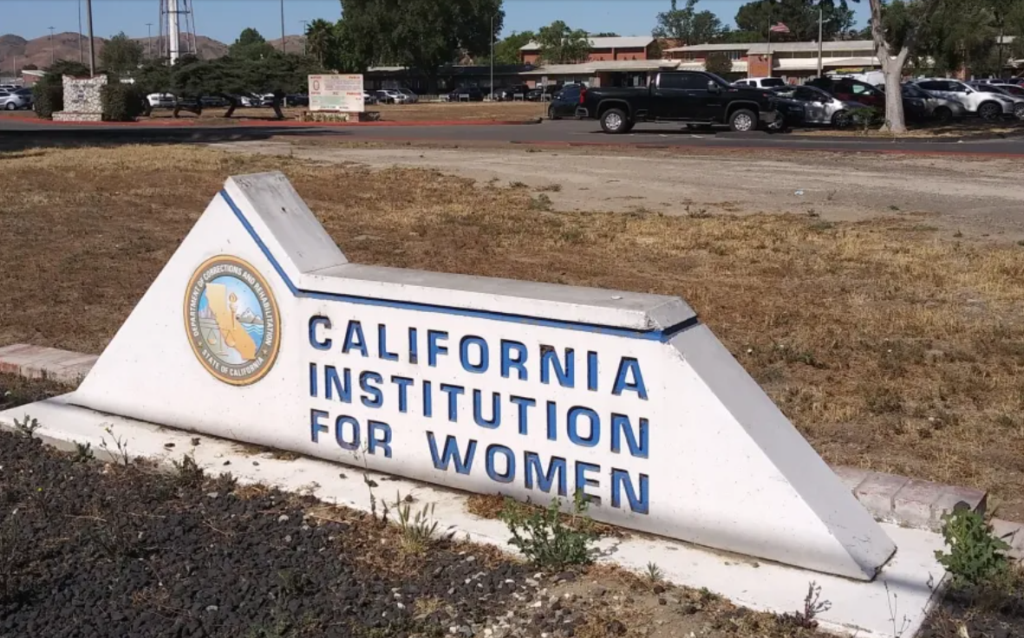
Quick Facts About Sexual Abuse at CIW
- The California Institution for Women is facing multiple civil lawsuits over patterns of sexual abuse and systemic failures to protect female inmates.
- Allegations of sexual misconduct involve correctional officers, medical personnel, and other prison employees.
- The CIW has been linked to high-profile cases, such as the sexual assaults involving gynecologist Dr. Scott Lee and cook Marcus Johnson.
- Investigations have revealed reports of retaliation against victims, inadequate supervision, and deficiencies in internal reporting systems.
- California law allows survivors of institutional sexual abuse to file civil claims through several legal avenues, including AB 2777.
⚠️ Important: The Deadline Under AB 2777 Expires in December 2026
If you were sexually abused in a California women’s prison, this may be your last chance to file a lawsuit, even if the incidents occurred years ago.
Contact us today to find out if your case qualifies.
About the California Institution for Women (CIW) in Chino
The California Institution for Women is a state prison located in Chino, California. Established in 1933, CIW was the state’s first women’s correctional facility and, until the 1960s, served as the only institution of its kind in California. Today, the prison houses incarcerated women classified under security levels I through III.
- Location: Chino, California
- Population: CIW was the only prison in California designated for women convicted of serious offenses until 1987. Today, it houses individuals across a range of security levels, from minimum to maximum custody.
- Design Capacity: Originally built to accommodate approximately 1,400 individuals. The population fluctuates over time, and the facility may exceed its capacity during certain periods.
- Administration: Operated by the California Department of Corrections and Rehabilitation (CDCR)
As with many correctional facilities in California, CIW has experienced periods of high occupancy. These conditions have contributed to overcrowding and have created significant challenges for institutional management and supervision.
Get Justice for Sexual Abuse at CIW
At Adamson Ahdoot, we have extensive experience handling complex institutional sexual abuse cases in California. Our legal team works with complete confidentiality to protect your rights and pursue the maximum compensation available. Call us today at (866) 645-4992 for a free and confidential consultation, or contact us online.
Common Forms of Sexual Abuse at Jails and Prisons in California
Sexual misconduct in correctional facilities for women can take various forms depending on the custodial environment, the level of supervision, and underlying power dynamics. Recognizing these abusive behaviors is crucial for identifying potential civil rights violations and ensuring the well-being of inmates.
Some of the most commonly reported types of sexual abuse in California jails and prisons include:
- Rape or sexual assault
- Non-consensual touching
- Sexual coercion or pressure
- Blackmail or “quid pro quo” (exchange of benefits for sexual acts)
- Inappropriate sexual conduct by staff
- Verbal harassment of a sexual nature
- Unauthorized sexual exposure
These acts may occur both between incarcerated individuals and by facility staff. However, when the perpetrator holds a position of authority within the institution, the legal implications and severity of the case are significantly greater.
Staff Abuse vs. Inmate-on-Inmate Abuse: Key Differences
Sexual offenses in prison can be perpetrated by both authority figures and fellow inmates. Both situations constitute serious violations of civil rights and can cause significant physical and emotional harm. However, they differ in the nature of the abuse of power and the specific institutional responsibility involved.
Sexual abuse committed by correctional staff typically involves a clear imbalance of power and authority. This can lead to coercion, institutional fear, and a breakdown of trust in the correctional system. When institutional employees are involved, the facility’s liability is often more direct.
In contrast, incidents between inmates are often linked to dynamics of control, intimidation, or violence within the custodial environment. In these cases, legal claims often focus on the facility’s failure to protect and inadequate supervision.
📊 Did You Know? The California Institution for Women in Chino has experienced periods of overcrowding, raising concerns about supervision levels within the facility. CIW has been the subject of numerous lawsuits and allegations of sexual abuse involving individuals such as Dr. Scott Lee and prison cook Marcus Johnson.
Patterns of Institutional Sexual Abuse at California Institution for Women
Along with other facilities in the California correctional system, the California Institution for Women has been linked to allegations of sexual misconduct in custodial settings.
Claims filed in recent years highlight concerns related to institutional oversight and barriers within the facility’s internal reporting systems.
The most commonly reported patterns include:
- Abuse of Authority by Correctional Staff
Sexual conduct committed by officers, medical personnel, or other employees who exploit their position of power.
- Sexual Coercion and “Quid Pro Quo” Conduct
Situations where sexual acts are pressured or exchanged in return for basic necessities, privileges, or contraband.
- Misconduct During Custodial Interactions
Non-consensual touching, sexual harassment, or inappropriate contact during searches, transfers, or other institutional procedures.
- Retaliation Against Individuals Who Report Abuse
Threats, isolation, or disciplinary actions taken against inmates who report sexual misconduct or attempt to file complaints.
- Incidents in Areas with Limited Supervision
Improper behavior occurring in isolated spaces with reduced monitoring, limited staff presence, or insufficient surveillance.
- Inadequate Institutional Response
Delays in investigations, lack of proper follow-up, or a failure to implement necessary protective measures.
Notable Sexual Misconduct Cases and Investigations at CIW Prison
For years, CIW has been at the center of investigations regarding sexual abuse within the prison system. While many high-profile cases have emerged over the last decade, significant legal action against the institution began as early as 2012.
That year, two women alleged that prison staff failed to protect them from abuse committed by correctional officers. They further claimed that then-prison director Guillermo Garcia had been informed of multiple complaints against Officer Gary Swatzell involving sexual misconduct toward inmates, but failed to take appropriate action.
In recent years, several incidents have continued to highlight severe concerns regarding institutional oversight and safety at the facility:
2016: Allegations Against Officer Michael Ewell
A former inmate filed a federal lawsuit alleging repeated sexual assaults by correctional officer Michael Ewell over a six-month period. The complaint stated that the officer had a history of sexual offenses reportedly known to the California Department of Corrections and Rehabilitation. He was terminated from his position two years later.
2017: Sexual Offenses by Three Prison Officials
Three CIW officers—Robert Darrow, Tony Garcia, and Stephan Merrill—were accused of engaging in inappropriate sexual contact with female inmates. The complaints alleged conduct including sexual relations in restricted areas, non-consensual contact, and gross abuse of authority.
2020: Rape Accusations Against Staff Cook Marcus Johnson
Two women accused Marcus Johnson, a kitchen employee at the facility, of raping them while they were assigned to work in the prison kitchen. According to legal filings, the defendant used threats of disciplinary action to silence the victims and prevent them from reporting the assaults.
2023: Massive Civil Lawsuit Filed by Over 100 Women
In January 2023, a significant civil lawsuit was filed against the CDCR on behalf of more than 100 former inmates who reported suffering sexual abuse in California women’s prisons, including CIW. The lawsuit cited systemic deficiencies in supervision and institutional practices that allegedly discouraged or prevented reporting.
2024: Department of Justice Investigation
In September 2024, the Department of Justice (DOJ) launched a formal investigation to determine if the CDCR adequately protected incarcerated individuals from sexual violence by staff. This initiative stemmed from complaints filed by several women who reported rape, groping, and other forms of misconduct in previous years.
2025: Sexual Abuse by Gynecologist Dr. Scott Lee
Six women filed complaints against Dr. Scott Lee, the primary gynecologist affiliated with CIW between 2016 and 2023. The plaintiffs alleged inappropriate sexual behavior during medical examinations, claiming the doctor exploited his position to commit abuse under the guise of providing medical care.
| Year | Case Type | Implicated Party |
| 2012 | Failure to protect against sexual abuse | Warden Guillermo Garcia & Officer Gary Swatzell |
| 2016 | Repeated sexual assault | Officer Michael Ewell |
| 2017 | Inappropriate sexual conduct and abuse of authority | Robert Darrow, Tony Garcia, and Stephan Merrill |
| 2020 | Rape allegations involving a prison kitchen employee | Marcus Johnson |
| 2023 | Massive civil lawsuit for institutional negligence | CDCR |
| 2024 | Federal investigation into systemic sexual violence | CDCR |
| 2025 | Accusations of sexual abuse by CIW gynecologist | Dr. Scott Lee |
Legal Options for Victims of Sexual Abuse at the California Institution for Women
Sexual misconduct within the California correctional system is not only a serious crime but also a violation of civil rights protected under both federal and state law. Victims have the right to pursue legal action against both the individuals directly responsible and the institutions that failed to ensure their safety.
Under California law, in addition to the individual perpetrator, the correctional facility and the California Department of Corrections and Rehabilitation may be held liable for negligence, failure to supervise, or the concealment of abusive conduct.
Affected individuals may file a civil lawsuit encompassing multiple legal claims arising from the same incident, such as
- Sexual abuse or sexual assault
- Institutional negligence
- Violations of federal civil rights laws
Available Reporting and Protection Channels
Beyond a civil lawsuit, affected individuals may access several reporting and protection mechanisms inside and outside the prison system:
- Prison Rape Elimination Act (PREA): A federal law that establishes strict protocols for the prevention and reporting of sexual offenses in correctional facilities. It allows for confidential reporting and mandates a “zero tolerance” policy within the prison system.
- Internal CDCR Reporting Procedures: Administrative complaint mechanisms within the California Department of Corrections and Rehabilitation to document and investigate misconduct internally.
- Section 1983 of the Civil Rights Act: A powerful legal tool that allows individuals to file federal lawsuits for constitutional violations, such as the Eighth Amendment protection against “cruel and unusual punishment.”
- Third-Party Reporting: Family members or legal representatives may file reports on behalf of a victim, helping ensure their voice is heard without immediate risk of retaliation.
- External Support Organizations: Organizations such as the California Coalition Against Sexual Assault (CALCASA) provide independent support, guidance, and resources for survivors navigating the aftermath of custodial abuse.
Statute of Limitations for Institutional Sexual Abuse Claims in California
California has some of the most protective laws for survivors of sexual assault and sexual harassment in the United States. In recent years, legislation has significantly extended the statute of limitations for filing civil claims, particularly in cases involving institutional sexual abuse.
In general, survivors of sexual misconduct in California may file a civil claim up to ten years after the date of the last incident. They may also file within three years of discovering that the abuse caused injury or psychological harm.
In cases involving child sexual abuse, California law provides additional protections. Survivors who experienced sexual violence as minors generally have until the age of 40, or five years from the date they discover the abuse and its effects, to file a civil claim.
Deadline to File a Sexual Abuse Lawsuit Against California Jails and Prisons: AB 2777
In 2022, California passed Assembly Bill 2777, also known as the California Sexual Abuse and Cover-Up Accountability Act. The law permits survivors to file civil lawsuits for past instances of sexual abuse if there was a cover-up or institutional inaction by the responsible entities.
The legislation created a temporary lookback window that enables certain claims, which would otherwise be barred by the statute of limitations, to be revived.
In practice, AB 2777 gives survivors a new chance to seek justice for abuse that may not have been reported or fully investigated at the time.
The legislation also allows survivors to seek compensation for physical, emotional, and psychological harm caused by the abuse.
👉 Critical Deadline: The legal window to file claims under AB 2777 is December 31, 2026.
Why Legal Counsel Matters in CIW Cases
Cases involving CIW and the CDCR are uniquely complex due to government immunity and the structure of the state prison system. Therefore, it is crucial to work with attorneys who have experience handling sexual abuse cases in women’s correctional facilities.
Adamson Ahdoot can identify all responsible parties and ensure that your claim is filed within applicable legal deadlines. Call (866) 645-4992 for a free, confidential consultation.
Frequently Asked Questions About Sexual Abuse in California Women’s Prisons
1. Can You Sue a California Prison for Sexual Abuse?
Yes. Survivors of sexual abuse in California prisons, including women’s facilities such as CIW, can file a civil claim against the institution and the individuals responsible.
2. What Is the Statute of Limitations for Sexual Abuse Claims in California Prisons?
In general, the statute of limitations is ten years from the date of the last incident or three years from the date the injury or psychological harm was discovered. However, recent legislative reforms in California have extended the time available for survivors to file sexual assault claims, especially in cases of institutional abuse involving a cover-up.
3. How Do You Report Sexual Abuse in a California Women’s Prison?
Sexual misconduct can be reported through the PREA confidential hotline, the CDCR internal grievance system, or external agencies. Survivors are also strongly encouraged to seek legal counsel to protect their rights throughout the process.
4. How Do You File a Lawsuit Against a Correctional Facility in California?
The process typically begins with filing an administrative claim with the state. It is also critical to simultaneously gather evidence and identify all liable parties. If the administrative process does not provide justice, a formal civil lawsuit can be filed in either a state or federal court.
Speak with a California Prison Abuse Attorney Today
If you have been a victim of sexual assault at the California Institution for Women, you have the right to take legal action. Sexual violence in prison is a serious violation of your rights that cannot be ignored.
At Adamson Ahdoot, we specialize in litigation involving sexual abuse and institutional negligence. We understand the complexity and the profound life-long impact of these cases. Our team can help you understand your legal options, protect your rights, and guide you through every stage of the process with discretion, respect, and confidentiality.
Contact our legal team at (866) 645-4992 or through our online form.
Blog
California wildfires can leave entire communities facing devastating losses, from destroye...
Head injuries can have life-changing consequences, whether they result from blunt-force tr...
Following recent investigations into the Eaton Fire and Palisades Fire, new questions have...
California’s September 2026 News Includes Tesla’s Robotaxi Launch, Legal Consequences...
If you suffered losses in the Eaton Fire, you may be looking for ways to rebuild and cover...
When visiting an apartment complex, hotel, shopping center, or parking garage, you reasona...
Wildfires can cause lasting psychological harm, even after the immediate danger has passed...
After an accident, physical injuries are often accompanied by chronic pain, emotional dist...
California wildfires can cause devastating losses, destroying homes, businesses, vehicles,...
When a car accident involves a medical professional, one important question is: Can their...
Other Practice Areas
Accidents
- 5 Common Types of Car Accidents
- Accident Reconstruction in Los Angeles
- Amazon Product Defect Injury
- Assault Injury Lawyer
- Attorney Regarding Uber Accident
- Aviation Accident Lawyer
- Bakersfield Bus Accident Lawyer
- Bakersfield Car Accident Lawyer
- Bakersfield Motorcycle Accident Lawyer
- Bakersfield Rideshare Accident Lawyer
- Bakersfield Truck Accident Lawyer
- Boat Accident Lawyer
- California Institution for Women Sexual Abuse (CIW) Lawsuits
- California Metro & Railroad Accidents
- California Women’s Prisons and Jails Sexual Abuse Lawsuits
- Can an Uber Driver Sue Uber
- Car Accident Lawyer
- Car Accidents at Night
- Carnival Ride Accident Attorney
- Century Regional Detention Facility (CRDF) Sexual Abuse Lawsuits
Injuries
- About Brain Injury Lawsuits
- After Head Injury
- Amputation & Disfigurement Injury Lawyer
- Back Injuries from Car Accidents
- Brain And Spinal Cord Injuries Lawyer
- California Dog Bite Injuries
- California Dog Bite Laws
- California Wrongful Death Attorney
- Chronic Pain
- Common Back & Neck Injuries
- Common Types of TBI
- Dangerous Dog Breeds
- Delayed Pain
- Dismemberment or Amputation Injury
- Dog Bite Attorney in California
- Dog Bite Damages
- Dog Bite Injury Lawyer
- Dog Bite Liability
- Dog Sitter Dog Bites
- Football Head Injuries Lawyer
















Get a Free Consultation:
(424) 392-7649
Connect with an Attorney
Fill Out the Form Below
"*" indicates required fields
By submitting this form, you agree to be contacted and recorded by Adamson Ahdoot LLP or a representative, affiliates, etc., calling or sending correspondence to your physical or electronic address, on our behalf, for any purpose arising out of or related to your case and/or claim. Standard text and/or usage rates may apply. If at any time you wish to opt out of communication, reply “STOP.” Text “HELP” for assistance. Message frequency may vary. See the privacy policy and Terms and Conditions on the webpage.
