
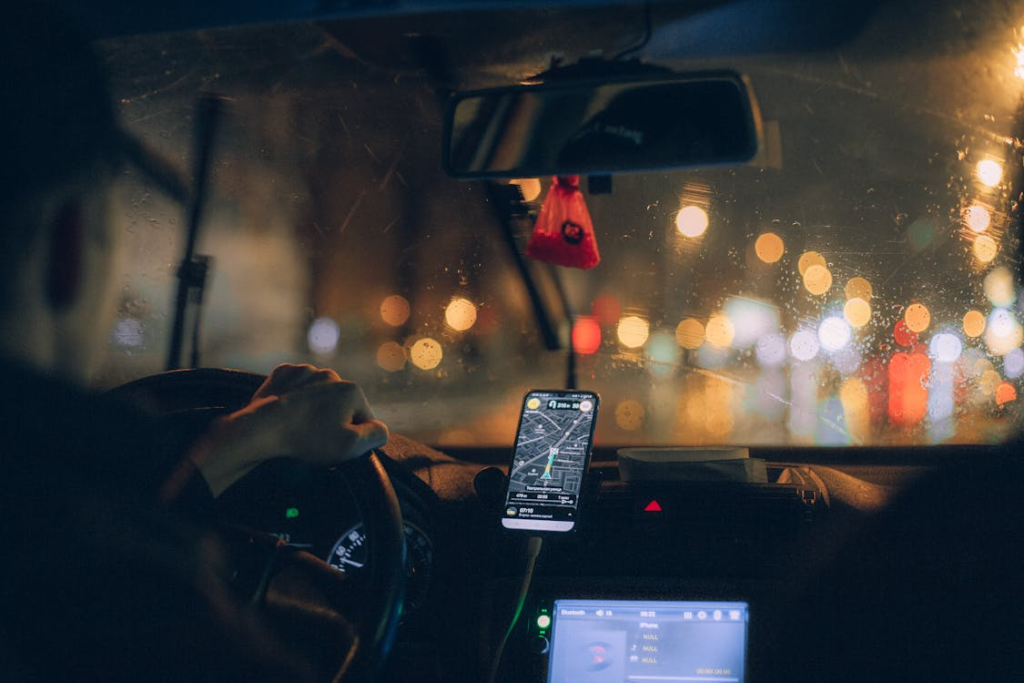
Rideshare services like Uber and Lyft have made transportation more accessible across California. However, when accidents occur, determining liability between a rideshare driver and passenger can raise complex legal questions. These cases often involve multiple insurance policies, overlapping responsibilities, and unique legal considerations under California law.
If you were injured in a rideshare accident, understanding your rights is critical. A knowledgeable California personal injury attorney can help evaluate your claim, identify responsible parties, and pursue compensation. Contact our office today for a free consultation and learn how to protect your rights after a rideshare accident.
Understanding Rideshare Accident Liability in California
Rideshare accident claims fall under California personal injury law, which is based on negligence. To establish liability, it must be shown that a party failed to exercise reasonable care and caused the accident.
In rideshare cases, liability can be more complex because:
- Drivers operate as independent contractors
- Multiple insurance policies may apply
- Responsibility may be shared among several parties
Understanding how these factors interact is essential to building a strong claim.
Passenger Rights in Rideshare Accidents
Passengers have strong legal protections under California law. Because passengers typically have no control over the vehicle, they are rarely considered at fault.
Passengers may pursue compensation if:
- The rideshare driver caused the accident
- Another driver was negligent
- Multiple parties contributed to the crash
When a passenger is injured during an active ride, rideshare companies generally provide up to $1 million in liability coverage.
When the Rideshare Driver Is at Fault
A rideshare driver may be liable if they act negligently while operating the vehicle.
Common examples include:
- Distracted driving
- Speeding
- Failing to yield
- Running red lights
- Driving under the influence
In these cases, the applicable insurance coverage depends on whether the driver was logged into the app or transporting a passenger at the time of the accident.
When Another Driver Is at Fault
In many rideshare accidents, another motorist may be responsible for the crash.
Examples include:
- Rear-end collisions
- Intersection accidents
- Lane change violations
Passengers may file claims against the at-fault driver’s insurance while also exploring rideshare coverage if applicable.
Shared Liability in Rideshare Accidents
Some accidents involve shared fault between multiple parties.
For example:
- A rideshare driver makes an unsafe turn
- Another driver is speeding
California follows a comparative fault system under California Civil Code § 1431.2, which allows injured parties to recover compensation even if multiple parties share responsibility.
Compensation is reduced based on each party’s percentage of fault.
Insurance Coverage in Driver vs Passenger Claims
Insurance coverage is one of the most important aspects of rideshare accident claims.
Driver Offline
If the rideshare driver is not logged into the app, their personal insurance applies.
Driver Logged In but No Ride Accepted
Limited rideshare coverage applies:
- $50,000 per person for bodily injury
- $100,000 per accident
- $30,000 for property damage
Active Ride or Passenger in Vehicle
Up to $1 million in liability coverage is available when a passenger is in the vehicle or a ride has been accepted.
This tier of coverage is particularly important for passengers, as it provides significant protection in the event of serious injuries.
Common Injuries in Rideshare Accidents
Rideshare accidents can result in a wide range of injuries.
Head and Brain Injuries
Concussions and traumatic brain injuries may occur in high-impact crashes.
Neck and Back Injuries
Whiplash and spinal injuries can lead to long-term pain and reduced mobility.
Fractures
Broken bones may require surgery and extended recovery.
Soft Tissue Injuries
Sprains and strains can cause ongoing discomfort and require treatment.
Emotional and Psychological Effects
Victims may experience anxiety, stress, or trauma following an accident.
Compensation Available in Rideshare Accident Claims
Victims may be entitled to compensation for both economic and non-economic damages.
Economic Damages
- Medical expenses
- Future medical care
- Lost wages
- Loss of earning capacity
Non-Economic Damages
- Pain and suffering
- Emotional distress
- Loss of enjoyment of life
Under California Code of Civil Procedure § 335.1, victims generally have two years to file a claim.
How These Cases Fit Within California Personal Injury Law
Rideshare accident claims are part of the broader category of California personal injury law, which includes negligence and comparative fault principles.
These cases often overlap with:
- Motor vehicle accident claims
- Commercial vehicle cases
- Pedestrian injury claims
Frequently Asked Questions About Rideshare Driver vs Passenger Accidents
Rarely, as passengers typically do not control the vehicle.
Insurance coverage depends on the driver’s app status and fault.
You may file a claim against that driver.
Only when the driver is logged into the app.
Medical costs, lost income, and non-economic damages.
Generally two years under California Code of Civil Procedure § 335.1.
Liability may be shared under comparative fault rules.
A California personal injury attorney can help protect your rights.
Photos, witness statements, and medical records.
Not always. Legal guidance can help ensure fair recovery.
Expert Tips for Protecting Your Rights After a Rideshare Accident
Expert Tip:
Document the accident thoroughly. Take photos, gather witness information, and keep detailed records of treatment.
Confirm rideshare details. Save trip information from the app, including driver details and timestamps.
Avoid discussing fault with insurers. Statements may be used to reduce your claim.
Consult a California personal injury attorney early. Early legal guidance helps preserve evidence and navigate complex insurance issues.
References
- California Civil Code § 1431.2
- California Code of Civil Procedure § 335.1
- California Public Utilities Code § 5430
- California Department of Motor Vehicles
Protecting Your Rights After a Rideshare Accident
Rideshare accidents involving drivers and passengers can present complex legal challenges, especially when multiple parties and insurance policies are involved. Understanding how liability works is key to protecting your rights and securing fair compensation.
If you have been injured, taking prompt action can make a significant difference in your case. A trusted California personal injury attorney can help you navigate the legal process, identify responsible parties, and pursue the compensation you deserve.
Contact our office today for a free consultation and take the next step toward recovery.