Although lane splitting is legal in California, liability after a lane splitting accident depends on whether the motorcyclist or another driver acted negligently. A motorcycle rider is not automatically at fault simply because they were lane-splitting, and a driver may still be responsible for causing the crash.
These incidents often involve disputed fault, conflicting accounts, and serious injuries. Understanding who may be responsible, which evidence is important, and how California’s comparative negligence rules apply can help injured riders protect their rights.
A California motorcycle accident attorney can review the circumstances of your crash, identify the responsible parties, and help you pursue the compensation you may be entitled to.
⚖️ What Riders Should Know
Lane splitting accidents are usually decided by negligence, not by the act of lane splitting itself. After a crash, preserving evidence and understanding your legal options can make a difference in protecting your claim.
If you were injured in a lane-splitting accident, Adamson Ahdoot can help investigate your case and explain your next steps. Call (866) 645-4992 or contact us online for a free consultation.
Who Is Typically at Fault in a Lane Splitting Accident?
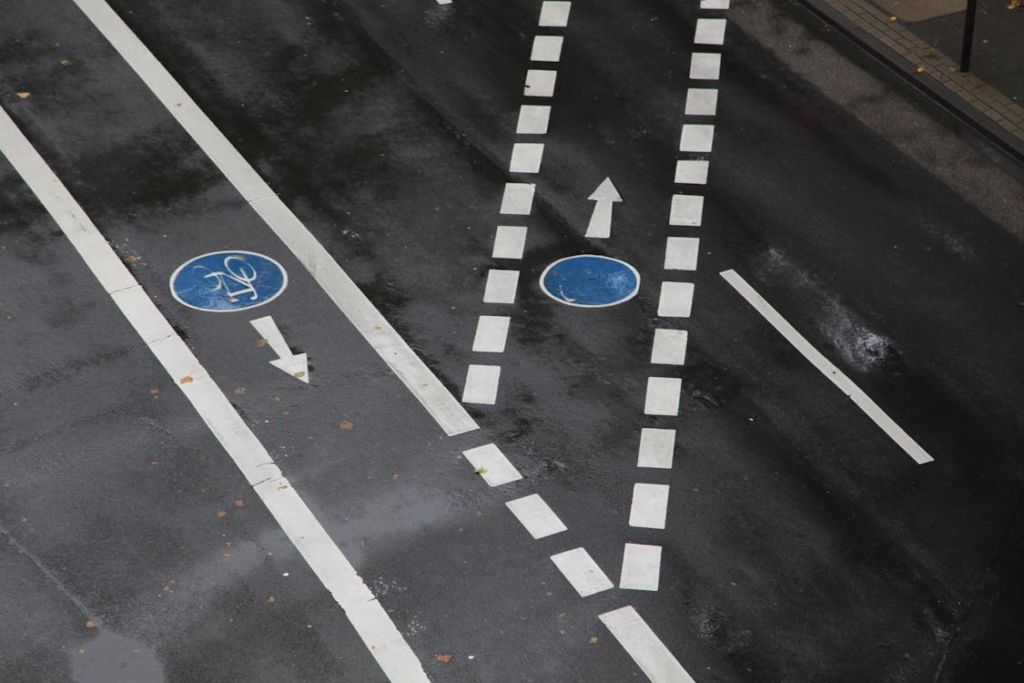
In lane-splitting accidents, fault depends on whether the motorcyclist and surrounding drivers acted reasonably under California law. While lane splitting is legal, a driver may be liable if they act negligently, such as by making unsafe lane changes or failing to check blind spots. Motorcyclists can also share fault if they split lanes recklessly or at unsafe speeds.
Understanding Lane Splitting Accidents in California
Lane splitting accidents are a common concern on California roads, where motorcyclists are legally allowed to ride between lanes of traffic. While this practice can reduce congestion and travel time, it also creates unique risks and legal questions when accidents occur.
Because California is one of the few jurisdictions that recognizes lane splitting, accidents that occur here often raise unique questions about liability, negligence, and motorcycle safety.
Understanding who is at fault in a lane-splitting accident is critical if you have been injured. Liability often depends on the specific actions of each party involved, including whether either party acted carelessly or violated traffic safety expectations. If you were hurt due to another driver’s negligence, a California personal injury lawyer can help you evaluate your options and pursue compensation.
What Is Lane Splitting Under California Law?
Lane splitting refers to a motorcyclist riding between lanes of stopped or slow-moving traffic. It is distinct from lane sharing or riding side by side within a single lane. Unlike lane changing, the motorcyclist remains between two lanes of traffic rather than entering another lane.
Under California law, lane splitting is not explicitly defined in statute but is recognized and regulated through guidance from the California Highway Patrol.
Why Lane Splitting Matters in Injury Claims
Because lane splitting is legal, it does not automatically make a motorcyclist at fault. Courts instead evaluate whether the rider acted reasonably, given the traffic conditions and surrounding environment.
Is Lane Splitting Legal in California?
Yes. California is one of the few states that legally permits lane splitting. This makes it important for riders and drivers to understand how liability is determined after a collision.
However, legality does not remove responsibility. Both motorcyclists and drivers must exercise reasonable care and follow safe driving practices at all times.
Key Guidelines from CHP
- Ride at a safe and prudent speed
- Avoid splitting at high speed differentials
- Be aware of surrounding traffic behavior
- Avoid splitting near large vehicles or in tight spaces
Failure to follow these guidelines can influence liability in a lane-splitting motorcycle accident.
📊 Lane Splitting Safety Data
According to research from the Safe Transportation Research & Education Center at UC Berkeley, 17% of the 5,969 motorcyclists involved in traffic collisions studied were lane splitting at the time of their crash. The study also found that the speed difference between motorcycles and surrounding traffic was an important factor in determining injury risk.
Who Is at Fault in a Lane Splitting Accident?
Fault in a lane-splitting accident is determined by negligence, meaning whether a party failed to act with reasonable care under the circumstances.
When a Driver Is at Fault
A driver may be liable if they:
- Change lanes without checking blind spots
- Open a car door into traffic
- Drift between lanes
- Act aggressively or intentionally block a motorcyclist
These actions may violate the duty of care outlined in California Civil Code § 1714.
When a Motorcyclist Is at Fault
A motorcyclist may be partially or fully liable if they:
- Split lanes at excessive speeds
- Ride unpredictably or weave through traffic
- Ignore road conditions or traffic flow
- Fail to maintain proper control
Real-World Scenario
A motorcyclist is lane splitting through slow-moving traffic. Suddenly, a driver moves into the motorcycle’s path without checking their blind spot, causing a collision. The driver may be liable because the accident resulted from an unsafe lane change.
However, if evidence shows that the motorcyclist was traveling at an unsafe speed or failed to maintain control, California’s comparative negligence rules may reduce the rider’s compensation.
What Factors Determine Liability in Lane Splitting Accidents?
Several factors influence who is responsible for a lane-splitting accident:
| Factor | How It May Affect Liability |
|---|---|
| Speed differential | Higher speed differences may increase the motorcyclist’s share of fault |
| Traffic conditions | Lane splitting in heavy, slow traffic may be considered more reasonable |
| Visibility | Drivers must check mirrors and blind spots before changing lanes |
| Road conditions | Weather, construction, and visibility can affect whether lane splitting is safe |
Speed Differential
A large speed difference between the motorcycle and traffic increases risk and may shift liability.
Traffic Conditions
Lane splitting is generally safer in slow-moving traffic. High-speed conditions can make the maneuver unreasonable.
Visibility and Awareness
Drivers must check mirrors and blind spots. Failure to do so is a common basis for liability.
Road and Weather Conditions
Environmental factors such as rain, poor lighting, or construction zones can affect whether lane splitting is safe.
Can Both Parties Share Fault?
Yes. California follows a pure comparative negligence rule, which allows fault to be divided between parties.
Under California Civil Code § 1431.2:
- Each party is assigned a percentage of fault
- Compensation is reduced based on that percentage
Even if you are partially at fault, you may still recover damages, depending on your level of responsibility.
🔎 Example of Comparative Negligence:
If a jury determines that a driver was 70% responsible for an unsafe lane change and that a motorcyclist was 30% responsible for speeding while lane splitting, the motorcyclist’s compensation could be reduced by 30%.
⚖️ When Should You Contact a Motorcycle Accident Lawyer After a Lane Splitting Crash?
You should contact a lawyer as soon as possible if:
- You suffered serious injuries
- Fault is disputed or unclear
- Insurance companies are denying or minimizing your claim
- Multiple vehicles or parties are involved
A lawyer can investigate how the accident occurred, determine if another party was negligent, gather evidence, and handle insurance companies that may try to blame the motorcyclist.
What Evidence Helps Prove Fault in Lane Splitting Accidents?
Strong evidence is critical in any lane-splitting accident claim, especially when fault is disputed.
Key Types of Evidence
- Police reports detailing the incident
- Witness statements supporting your account
- Dashcam or surveillance footage
- Accident reconstruction analysis
- Medical records documenting injuries
Preserving evidence immediately after a crash can significantly strengthen your claim during settlement negotiations or litigation. An experienced California personal injury attorney can help gather, preserve, and present this evidence effectively.
Expert Tips for Lane Splitting Accident Claims
2. Avoid Admitting Fault at the Scene: Even casual or apologetic statements can be misinterpreted and later used against you during insurance negotiations
3. Get Medical Care Right Away: Prompt evaluation ensures your injuries are properly treated and creates medical records that support your claim
4. Be Cautious With Insurers: Insurance adjusters may try to minimize your payout or shift blame, so avoid giving recorded statements without legal guidance
5. Consult a Qualified Attorney Early: An experienced attorney can assess liability, preserve critical evidence, and guide you through each step of the claims process
Frequently Asked Questions
Not necessarily. When performed responsibly in slow-moving traffic, lane splitting can actually reduce the risk of rear-end collisions for motorcyclists. However, the risk increases significantly when it is done at high speeds or in unpredictable traffic conditions.
Yes. Drivers still have a duty to operate their vehicles safely and remain aware of their surroundings. If a driver fails to check blind spots or makes an unsafe lane change, they can be held liable even if the motorcyclist was lane-splitting.
Yes. Speeding can significantly affect your claim, as it may be viewed as unsafe behavior. If your speed contributed to the accident, your compensation may be reduced under California’s comparative negligence rules.
Not seeing a motorcyclist is not a valid defense. Drivers are legally required to check mirrors and blind spots before changing lanes. Failure to do so can still be considered negligence under California law.
Under California Code of Civil Procedure § 335.1, you generally have two years from the date of the accident to file a personal injury claim. Missing this deadline may prevent you from recovering compensation.
Protecting Your Rights After a Lane Splitting Accident
Determining liability after a lane-splitting accident requires a careful review of traffic conditions, driver actions, and available evidence. While lane splitting is legal in California, motorcyclists and drivers must still act responsibly and follow reasonable safety practices.
If you were injured in one of these accidents, the experienced lawyers at Adamson Ahdoot can investigate your case, determine liability, and help you seek the compensation you deserve.
Call (866) 645-4992 today or contact us online for a free consultation.