The Eaton Fire Claim Deadline* Is Approaching. Get Help Now.
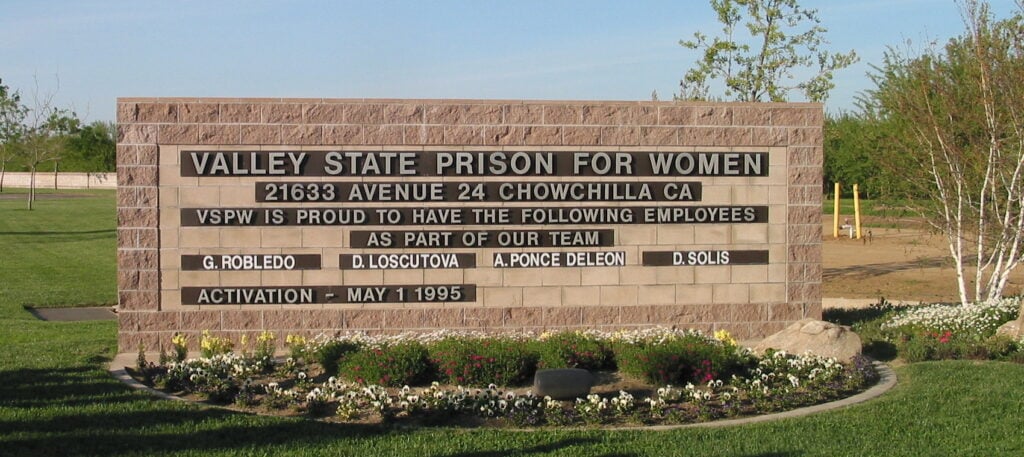
What happened behind the walls of the Valley State Prison for Women (VSPW) in Chowchilla over several decades should not be ignored. This former California women’s prison has been the subject of numerous allegations of sexual abuse and staff misconduct.
Many inmates endured these conditions in an environment marked by misuse of authority and a lack of institutional oversight. In many cases, these incidents went unreported for years due to fear of retaliation.
Today, survivors may still have legal options. Women who were incarcerated and experienced sexual abuse at VSPW may be able to file claims against those responsible.
At Adamson Ahdoot, we are dedicated to protecting the civil rights of individuals throughout California. Our prison abuse attorneys represent women who have suffered sexual misconduct, negligence, or violations of their constitutional rights within the correctional system. We help clients understand their situation and pursue the justice and compensation they deserve.
If you experienced sexual violence at the hands of VSPW officers or staff, you may be able to take legal action. Under laws such as AB 2777, survivors of sexual crimes can hold the responsible parties accountable and seek damages.
Contact our bilingual team of experts to explore your options during a free, 100% confidential consultation. You can also call us at (866) 645-4992.
Key Facts About VSPW Sexual Abuse
- The Valley State Prison for Women received multiple reports of sexual abuse and staff misconduct during its years of operation.
- Inmates complained about incidents of non-consensual touching, verbal harassment, and sexual assault during body searches and medical examinations.
- Survivors often faced threats or retaliation for attempting to report misconduct by guards or staff.
- A lack of oversight and internal accountability allowed abusive patterns to persist over time without consequence.
- Although the prison ceased operating as a women’s facility in 2013, individuals may still have legal options to file claims.
- Legislation such as AB 2777 empowers victims of historic abuse to seek justice and hold institutions liable for their failures.
⚠️ Important: The AB 2777 Filing Deadline Is December 2026
The time to bring California women’s correctional facilities to account for past sexual abuse is limited. If you experienced misconduct at the former VSPW, you may still be eligible to pursue a civil lawsuit.
Find out if you qualify to file a claim.
History of Valley State Prison for Women
Opened in 1995 in Chowchilla, the Valley State Prison for Women quickly became the largest women’s correctional facility in the United States. It housed California’s only Secure Housing Unit (SHU) for women classified as security threats or serving life sentences. In 2013, the California Department of Corrections and Rehabilitation (CDCR) completed the conversion of the institution into a men’s prison (VSP).
- Location: Chowchilla, California.
- Population: Women in minimum, medium, and maximum security levels, including individuals classified as security risks or serving life sentences.
- Design Capacity: Originally intended for approximately 2,000 inmates. However, Amnesty International documented that at certain points the facility housed more than 3,700 women.
- Administration: California Department of Corrections and Rehabilitation.
For much of its history, VSPW operated under conditions of extreme overcrowding. This environment has been associated with systemic failures in supervision and significant deficiencies in institutional protection for individuals in custody. These conditions contributed to accusations of sexual offenses and staff misconduct within the prison.
⚖️ Legal Note: The conversion of the facility into a men’s prison in 2013 does not affect the state’s potential liability for events that occurred while it was operating as a women’s institution. Survivors of sexual abuse at VSPW are still entitled to claim damages.
Patterns of Sexual Abuse in California Women’s Prisons
Sexual harassment and assault in correctional settings often arise from extreme power imbalances and insufficient institutional oversight. These conditions can lead to recurring patterns of misconduct within these facilities.
The following is a summary of the most common types of sexual incidents and the legal protections available to survivors:
| Type of Conduct | Examples of Misconduct | Legal Protections |
| Abuse of Authority | Coercion, quid pro quo, or illegal use of power | PREA / Eighth Amendment |
| Lack of Supervision | Surveillance failures, blind spots without cameras, or a lack of intervention | Civil Rights Act (§1983) |
| Sexual Harassment or Misconduct | Unwanted touching, sexual comments, or other non-consensual conduct | PREA / Constitutional Protections |
| Retaliation for Reporting | Threats, disciplinary action, or adverse treatment after reporting abuse | First Amendment / Civil Rights |
| Institutional Negligence | Failures in investigating, responding to, or preventing reports of abuse | Federal Civil Rights Law |
Sexual Misconduct Reports at Valley State Prison for Women
Although VSPW ceased operating as a women’s prison over a decade ago, accusations of sexual abuse and misconduct at the institution continue to come to light.
Many of these incidents did not come to light until the late 1990s, when investigations and complaints began drawing public attention. At the time, human rights organizations such as Amnesty International documented serious concerns regarding the treatment of women in custody at the facility.
The allegations revealed a pattern of male staff members exploiting body searches as a means of abuse, including non-consensual contact with intimate areas. There were also complaints regarding verbal intimidation and a lack of institutional action.
Amnesty International Intervention
In 1998, Amnesty International conducted an on-site investigation at VSPW in response to a growing number of reports of sexual offenses. At that time, internal inquiries into staff misconduct were already underway.
The organization’s findings revealed several structural issues, including:
- Gender Imbalance Among Staff: Only 25% to 27% of correctional officers were women.
- Widespread Access by Male Staff: Male staff had virtually unrestricted access to private areas, including dormitories and shower facilities.
- Abusive Medical Care: The report revealed cases of inadequate mental healthcare and invasive intimate examinations performed by male doctors without proper supervision or consent.
- Culture of Retaliation: Fear of punishment discouraged inmates from reporting sexual abuse or misconduct.
The Case of Williams v. Bowman: Abuse Under Medical Custody
One documented case involving accusations of sexual abuse at VSPW is Williams v. Bowman, a federal civil rights lawsuit filed in 2001.
The plaintiff, Lisa Williams, alleged that between October 1999 and March 2000, a medical professional at the prison committed misconduct during on-site medical examinations.
According to the complaint, the defendant took advantage of the privacy of pelvic exams to engage in non-consensual touching, make sexual comments, and expose himself in a lewd manner. Williams’s testimony further states that the medical professional used his position of authority and physical pressure to attempt to coerce her into performing sexual acts during examinations.
Who Can Be Held Liable for Sexual Violence in California Women’s Prisons?
Legal liability in cases of sexual violence within the California prison system may involve multiple parties. The law allows incarcerated women to hold both direct perpetrators and entities that failed to meet their duty of care accountable.
- Individual Liability
Any person employed by or providing services to a correctional facility may be held criminally and civilly liable for their actions. This includes officers, medical staff, and administrative personnel who engage in sexual abuse, harassment, or coercion.
- Institutional Liability
The California Department of Corrections and Rehabilitation (CDCR) has a legal obligation to ensure the safety of individuals in custody.
Liability may arise when there are systemic failures or an inadequate response to known risks, including:
- Failing to act despite prior knowledge of risks or misconduct.
- Systemic failures in institutional control and security
- Inaction regarding disciplinary measures after complaints or reports
- Negligent supervision of staff within the facility
- Absence of effective prevention or response protocols
- Private Entities and Contractors
If the misconduct was committed by personnel from an outside company providing services at the institution, that entity may also be held liable depending on its level of involvement and control.
⚖️ Why Identifying Liable Parties Matters
Determining the appropriate defendants is crucial for a successful claim. Identifying all responsible parties allows victims to:
- Recover damages for physical injuries, psychological trauma, and long-term suffering
- Hold responsible parties accountable for violations of fundamental civil rights
- Promote institutional changes that reduce the risk of future abuse
Can You Still File a Lawsuit for VSPW Sexual Abuse?
Yes. Although VSPW closed as a women’s prison more than a decade ago, it may still be possible to pursue a civil action for sexual abuse in certain cases. Recent legislative changes in California have expanded the legal avenues available for survivors to seek justice, even decades after the incidents occurred.
Unfortunately, many women were unable to take action at the time due to fear, coercion, or extreme vulnerability within the correctional system. However, the legal landscape has since changed, creating new opportunities to hold responsible parties accountable.
To determine if there is a legal basis to proceed under current law, it is essential that a lawyer experienced in prison sexual abuse cases evaluate the situation.
AB 2777: A Window of Hope in California
The Sexual Abuse and Cover-Up Accountability Act (AB 2777) allows victims to file lawsuits, even if the incidents occurred many years ago. This legislation represents a significant change in California law, as it temporarily expands the options available to inmates who were previously barred by statutes of limitations.
The primary goal of AB 2777 is to remove the time-based barriers that have prevented women who suffered harassment and assault at Valley State Prison for Women from seeking the compensation they deserve.
- Who Can Benefit from AB 2777? Survivors who experienced any type of sexual abuse while in custody, but were unable to file a claim in time due to the previous legal deadline.
- What Is the Deadline for Filing? The final deadline is December 31, 2026. Survivors must take action before this date to preserve their right to seek damages.
💡 Did You Know?… AB 2777 has opened a temporary “window of justice” in California. It was specifically designed to uncover patterns of abuse and institutional cover-ups that occurred years or even decades ago. This law is particularly relevant to Valley State Prison for Women (VSPW) cases, providing a vital opportunity for inmates to finally hold the system accountable.
Legal Rights of Survivors in California Jails and Prisons
Regardless of their legal status or how much time has passed, inmates in California women’s correctional facilities have fundamental rights protected by the U.S. Constitution and state law. This includes victims of sexual violence within the penal system.
Laws Protecting Against Institutional Sexual Crimes
Survivors of sexual misconduct at Valley State Prison for Women are protected by a legal framework of federal and state provisions designed to prevent abuse and allow for civil action in cases of institutional negligence:
- Eighth and Fourteenth Amendments to the U.S. Constitution: These form the basis for many claims involving constitutional violations. They prohibit “cruel and unusual punishment” and protect the physical integrity and safety of incarcerated individuals.
- Prison Rape Elimination Act (PREA): This federal law establishes mandatory national standards for the prevention, detection, and response to sexual offenses in correctional facilities.
- California Penal Code: Specific statutes criminalize this conduct, including:
- PC 243.4: Sexual battery (non-consensual contact)
- PC 289: Sexual penetration by force
- PC 289.6: Sexual activity between staff and incarcerated adults
Under this legal structure, inmates can file civil lawsuits for constitutional violations, institutional negligence, or breach of duty of care by the CDCR or its contractors.
Compensation Available in VSPW Sexual Abuse Lawsuits
Victims of sexual abuse at Valley State Prison for Women may be eligible for compensation through a lawsuit. This action seeks to address the physical, emotional, and psychological impact resulting from the harassment and assault endured while in custody.
Depending on the facts of the case, a claim may include various types of compensation, such as:
- Emotional trauma and psychological distress
- Medical and psychological treatment expenses
- Physical pain and suffering
- Loss of quality of life
- Punitive damages in cases of gross negligence or misconduct
Speak with an Attorney. If you or someone you know suffered sexual abuse at the VSPW women’s prison, call us today. Time is a critical factor in these cases. Contact our team at (866) 645-4992 or submit your inquiry online for a confidential consultation.
FAQs About Sexual Misconduct in Correctional Facilities
1. Can I Still Sue if the Sexual Offenses at VSPW Happened Years Ago?
Yes. Under California’s AB 2777, some individuals may be eligible to sue for past sexual abuse, even if it occurred years ago. Eligibility depends on the specifics of each case.
2. What is AB 2777, and How Does It Affect Valley State Prison for Women’s Sexual Abuse Cases?
AB 2777 temporarily extends the statute of limitations for filing civil claims related to sexual violence in a California women’s facility. This allows some survivors to pursue claims that were previously time-barred.
3. What Compensation Can Victims of Prison Neglect Receive?
Formerly incarcerated women may be entitled to damages for emotional and physical injuries, among others. The amount depends on the circumstances of the incident.
4. What Does a Prisoner Rights Attorney Do in a VSPW Case?
An experienced prison abuse lawyer investigates the case, gathers evidence, and represents the survivor in a civil claim. They also help protect the victim’s identity and pursue the maximum available compensation.
Adamson Ahdoot: Legal Representation in Prison Abuse Cases
At Adamson Ahdoot, we represent victims of sexual misconduct in prisons and women’s jails, such as the VSPW. Our experienced legal team is prepared to investigate your case, identify all liable parties, and file a strategic lawsuit under California’s AB 2777.
- Forensic Investigation and Evidence Collection
- Filing Lawsuits
- Protection of Your Identity and Confidentiality
- Accurate Assessment of Damages
- Representation with No Upfront Fees
Contact an Institutional Sexual Abuse Lawyer for Your VSPW Case
The issue of sexual abuse at Valley State Prison for Women should not be ignored. Although the institution is no longer operating as a women’s prison, individuals who experienced sexual violence there may pursue compensation for the harm they suffered while in custody.
However, it is important to act quickly. California’s deadlines for filing these claims are strictly limited, so acting promptly is essential. Don’t let fear or uncertainty stop you from pursuing the compensation and justice you deserve.
Our team at Adamson Ahdoot is ready to review your case and explain your legal options during a free, confidential consultation.
Speak with a prison abuse specialist today to determine whether you are still eligible for legal action. Call us at (866) 645-4992 or submit your inquiry online.
Blog
Head injuries can have life-changing consequences, whether they result from blunt-force tr...
Following recent investigations into the Eaton Fire and Palisades Fire, new questions have...
California’s September 2026 News Includes Tesla’s Robotaxi Launch, Legal Consequences...
If you suffered losses in the Eaton Fire, you may be looking for ways to rebuild and cover...
When visiting an apartment complex, hotel, shopping center, or parking garage, you reasona...
Wildfires can cause lasting psychological harm, even after the immediate danger has passed...
After an accident, physical injuries are often accompanied by chronic pain, emotional dist...
California wildfires can cause devastating losses, destroying homes, businesses, vehicles,...
When a car accident involves a medical professional, one important question is: Can their...
Wildfires in California can cause extensive physical and financial devastation in minutes....
Other Practice Areas
Accidents
- 5 Common Types of Car Accidents
- Accident Reconstruction in Los Angeles
- Amazon Product Defect Injury
- Assault Injury Lawyer
- Attorney Regarding Uber Accident
- Aviation Accident Lawyer
- Bakersfield Bus Accident Lawyer
- Bakersfield Car Accident Lawyer
- Bakersfield Motorcycle Accident Lawyer
- Bakersfield Rideshare Accident Lawyer
- Bakersfield Truck Accident Lawyer
- Boat Accident Lawyer
- California Institution for Women Sexual Abuse (CIW) Lawsuits
- California Metro & Railroad Accidents
- California Women’s Prisons and Jails Sexual Abuse Lawsuits
- Can an Uber Driver Sue Uber
- Car Accident Lawyer
- Car Accidents at Night
- Carnival Ride Accident Attorney
- Century Regional Detention Facility (CRDF) Sexual Abuse Lawsuits
Injuries
- About Brain Injury Lawsuits
- After Head Injury
- Amputation & Disfigurement Injury Lawyer
- Back Injuries from Car Accidents
- Brain And Spinal Cord Injuries Lawyer
- California Dog Bite Injuries
- California Dog Bite Laws
- California Wrongful Death Attorney
- Chronic Pain
- Common Back & Neck Injuries
- Common Types of TBI
- Dangerous Dog Breeds
- Delayed Pain
- Dismemberment or Amputation Injury
- Dog Bite Attorney in California
- Dog Bite Damages
- Dog Bite Injury Lawyer
- Dog Bite Liability
- Dog Sitter Dog Bites
- Football Head Injuries Lawyer














Get a Free Consultation:
(424) 392-7649
Connect with an Attorney
Fill Out the Form Below
"*" indicates required fields
By submitting this form, you agree to be contacted and recorded by Adamson Ahdoot LLP or a representative, affiliates, etc., calling or sending correspondence to your physical or electronic address, on our behalf, for any purpose arising out of or related to your case and/or claim. Standard text and/or usage rates may apply. If at any time you wish to opt out of communication, reply “STOP.” Text “HELP” for assistance. Message frequency may vary. See the privacy policy and Terms and Conditions on the webpage.
