The Eaton Fire Claim Deadline* Is Approaching. Get Help Now.
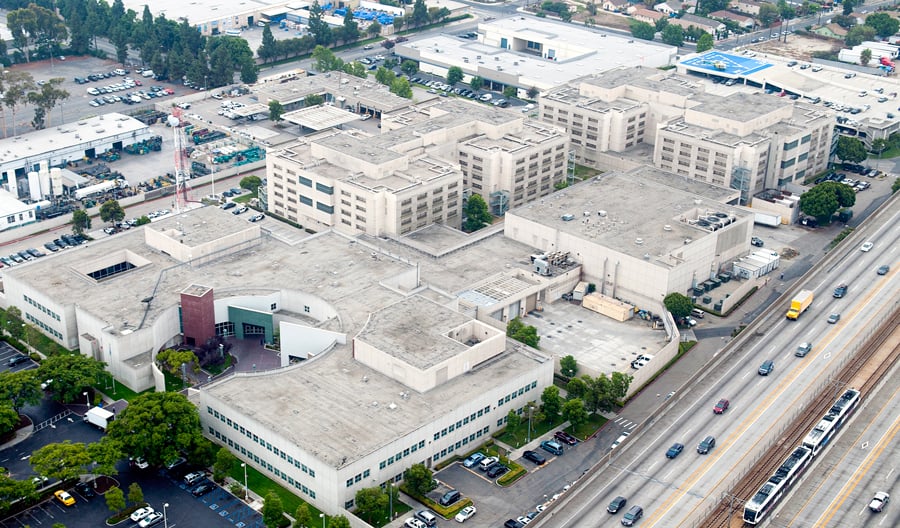
The Century Regional Detention Facility (CRDF) is the primary women’s jail in Los Angeles County. Located in Lynwood and under the supervision of the Los Angeles County Sheriff’s Department (LASD), the facility has a documented history of grave and repeated sexual misconduct, harassment, and assault against female inmates.
Under California law, people held in jails and prisons have a constitutional right to be protected from sexual violence. When correctional staff or institutions fail to uphold that duty, victims may have grounds to file a civil lawsuit for negligence, civil rights violations, and institutional misconduct.
If you were victimized by a guard, staff member, or contractor at CRDF, you may still have the right to take legal action and pursue justice. Under laws such as AB 2777, survivors can file claims for past sexual abuse and secure compensation for the trauma they endured.
At Adamson Ahdoot, our attorneys specialize in California’s complex institutional abuse laws. We understand the profound emotional and physical toll that these cases take, and we are committed to holding the correctional system accountable. You don’t have to face this process alone. We’re here to protect your rights and fight for the compensation you deserve.
Legal Overview of Sexual Abuse at CRDF
- As part of the Los Angeles County jail system, the County may be held liable in civil lawsuits arising out of sexual abuse at CRDF.
- Claims involving sexual misconduct are often based on violations of the Eighth Amendment, which requires correctional authorities to protect individuals in custody from violence and abuse.
- Most CRDF lawsuits stem from inadequate supervision, lack of proper safety protocols, or staff wrongdoing.
- Legal action may be brought against Los Angeles County, LASD, or the specific employees involved.
⚠️ Deadline: The AB 2777 Filing Window Ends in December 2026
If you experienced sexual abuse at CRDF, California’s AB 2777 allows you to sue for institutional negligence, regardless of when the incident occurred. Seek legal help today to hold the facility accountable and secure the justice you deserve.
Check if your case qualifies under AB 2777.
What Is the Century Regional Detention Facility or CRDF in Lynwood, California?
The Century Regional Detention Facility is a Los Angeles County women’s jail located in Lynwood and operated by the Los Angeles County Sheriff’s Department. Unlike California state prisons, which are managed by the state, CRDF is part of the county jail system and falls under local jurisdiction.
CRDF primarily serves as a primary intake facility for women entering the Los Angeles County justice system. It houses individuals in custody awaiting trial as well as those serving short-term sentences. As one of the largest women’s jails in the county, it processes inmates at various stages of the criminal process.
CRDF History and Role in the Los Angeles Jail System
The CRDF, commonly known as the Lynwood Women’s Jail, is one of the most significant institutions in the Los Angeles County jail system. Originally opened in 1994 to house male offenders, the facility was repurposed in 2006 to serve as the central hub for the county’s entire female inmate population.
Today, it stands as one of the largest women’s detention centers in the United States and plays a central role in California’s correctional system.
- Location: Lynwood, California
- Population: Women at various stages of the criminal justice process, including pre-trial detainees and those serving short- or medium-term sentences.
- Design Capacity: Approximately 2,100 individuals; however, the facility frequently operates over capacity, housing around 2,300 inmates.
- Administration: Los Angeles County Sheriff’s Department.
Despite its operational importance, the CRDF has faced ongoing oversight and management challenges under the LASD’s supervision. These issues have led to a large number of civil lawsuits involving accusations of sexual misconduct and institutional negligence.
Did You Know?… Since 2021, more than 590 civil claims have reportedly been filed against Los Angeles County for sexual abuse and negligence involving CRDF and other county jail facilities.
Sexual Misconduct Cases and Claims at CRDF Women’s Jail
Since its conversion into a women’s detention center, the Century Regional Detention Facility has been the subject of numerous complaints and lawsuits involving sexual offenses. The institution’s history reveals a pattern of systemic sexual violence and an inability to protect female inmates.
Over the years, documented cases have exposed serious deficiencies in supervision and management by the Los Angeles County Sheriff’s Department.
Below are some of the most notable civil cases and allegations concerning the Lynwood women’s jail.
2010: Class-Action Lawsuit Over Humiliating and Degrading Conditions
Shortly after becoming an all-female facility, CRDF was named in a major class-action lawsuit accusing the institution of carrying out degrading searches and detaining women in inhumane conditions between 2008 and 2015. The complaint described systemic practices that violated the constitutional rights of individuals in custody.
Key accusations included:
- Searches Under Extreme Conditions: Women were forced to undress in open spaces, such as bus garages, leaving them exposed to freezing temperatures and rain without any privacy.
- Humiliating and Unhygienic Practices: The lawsuit alleged that invasive searches were conducted without adequate privacy. This includes reports of women on their menstrual cycles being forced to remove sanitary products in the view of male staff while being verbally abused.
- Failure to Meet Safety Standards: Subsequent federal audits revealed unprecedented institutional negligence. The jail complied with only 2 of the 43 safety standards required by the Prison Rape Elimination Act (PREA).
As a result of these civil rights violations, Los Angeles County agreed to a historic $53 million settlement to resolve the sexual abuse claims of victims affected during that period.
2011: Accusations of Sexual Misconduct by Staff
The testimony of Michel Infante, who spent approximately six months at CRDF and is currently an activist with the organization Dignity and Power Now, stands as one of the most compelling accounts of the abuse of power at the Lynwood facility.
According to her statements, Infante was a victim of sexual violence by two different employees while she was incarcerated. In one instance, she alleges that a correctional officer sexually assaulted her in a solitary confinement cell. In another incident, she describes inappropriate sexual conduct by a member of the medical staff during a consultation.
When she tried to report these crimes to an LASD officer, her complaint was dismissed. The official suggested that she had “imagined” the assault.
2018: Critical Noncompliance with PREA Standards
A 2018 Los Angeles Times investigation found that the Lynwood women’s jail was operating with regulatory deficiencies. The report found that the Century Regional Detention Facility failed to meet nearly all of the standards required under PREA.
The publication also raised concerns about the institution’s inadequate investigation and documentation of sexual misconduct allegations.
Additionally, the report described an institutional environment in which inmates feared retaliation for exposing abuse or irregularities.

2019: The Guardian Exposes Patterns of Abuse and Coercion
In 2019, The Guardian published a report that, in addition to referencing the case of Michel Infante, included testimonies from former individuals in custody regarding alleged patterns of sexual misconduct and abuse of power within CRDF.
The most significant allegations include:
- Exchange of Favors for Basic Rights: Some inmates reported that correctional staff conditioned the delivery of essential items—such as personal packages and basic supplies—on the performance of sexual favors.
- Systemic Verbal Harassment: The newspaper detailed a climate of repeated verbal harassment by guards, a practice used to maintain an atmosphere of intimidation and psychological degradation.
The publication also included the testimony of April Villestas, who worked at the facility at various times. According to Villestas, interactions between staff and incarcerated women occurred more frequently during night shifts, when supervision levels were at their lowest. She further described disturbing situations in which officers allowed and observed private encounters between inmates, watching from outside the cells instead of maintaining proper safety protocols.
2019: The Sexual Misconduct of Deputy Giancarlo Scotti
In 2019, former Los Angeles County Sheriff’s Department deputy Giancarlo Scotti was sentenced to prison after pleading guilty to sexual offenses against six female inmates, aged 24 to 42, while on duty at the CRDF.
The case exposed not only the criminal conduct of a former correctional officer but also highlighted broader concerns regarding potential supervisory failures within the LASD. As a result, multiple civil lawsuits were filed against the County of Los Angeles, alleging institutional negligence and patterns of abusive behavior.
The victims’ claims included the following:
- Sexual assault of female individuals in custody while the official was on duty
- Coercion and exploitation in areas with limited or no camera supervision
- Sexual abuse occurring in both common areas and individual housing units
- Threats intended to prevent reporting the incidents
- Allegations that facility staff had prior knowledge of the conduct but failed to intervene
As a result of these systemic failures, Los Angeles County was forced to pay millions of dollars in settlements to compensate the victims, including:
- $3.9 Million: Awarded to Jennifer Ann Matthews and Thea Valerie Lampert for sexual assaults suffered in their cells.
- $325,000: Awarded to Pauline Smith for sexual harassment and assault.
- $950,000: A separate settlement with another former inmate regarding similar allegations involving Scotti.
2020: Arrest of Roy’ce Bass for Sexual Misconduct
In July 2020, Roy’ce Bass, a correctional officer assigned to the Century Regional Detention Facility, was detained following an internal investigation into sexual misconduct within the institution. Authorities charged Bass with multiple counts of sexual conduct with an individual in custody, which allegedly occurred between 2017 and 2018.
2023: Arrest of Jonathan Tejada for Sexual Offenses
In November 2023, Jonathan Tejada Paredes, a former LASD official, was detained following an alleged sexual assault report filed by a woman in custody at CRDF.
According to the investigation, the incidents occurred while Paredes was on duty at the Lynwood facility. The matter was subsequently reviewed through an internal inquiry following the filing of a formal complaint.
2025: Federal Class-Action Lawsuit Over Widespread Abuse
In October 2025, a group of 38 women—including former inmates and current detainees—filed a federal class-action lawsuit alleging systemic sexual abuse at CRDF. According to the complaint, male correctional officers at the detention center engaged in recurring coercive sexual conduct affecting multiple individuals in custody over time.
The suit describes the following predatory practices:
- Alleged unauthorized observation of inmates during moments of privacy
- Repeated instances of unauthorized and non-consensual physical contact by staff members
- Pressuring incarcerated females to participate in sexual activities in exchange for basic goods or essential privileges
- Frequent inappropriate and sexually suggestive comments regarding the women’s physical appearance
- Retaliation against individuals who attempted to report incidents
Together, these cases illustrate a broader pattern of misconduct and institutional failure at CRDF.
| Year | Case | Type of Allegation | Outcome / Impact |
| 2010 | Class-action lawsuit regarding degrading conditions | Institutional abuse | $53M settlement |
| 2011 | Accusations of sexual assault | Sexual abuse by CRDF staff | Civil complaints and public testimony |
| 2018 | Noncompliance with PREA standards | Institutional failure | Violation of federal safety standards |
| 2019 | The Guardian investigation | Abuse of power and coercion | Testimonies from former inmates and staff |
| 2019 | Giancarlo Scotti case | Sexual abuse by an LASD officer | $3.9M, $950K, and $325K settlements |
| 2020 | Arrest of Roy’ce Bass | Sexual misconduct | Criminal charges filed |
| 2023 | Arrest of Jonathan Tejada | Sexual assault in custody | Ongoing investigation |
| 2025 | Federal class-action lawsuit (38 women) | Systemic abuse | Ongoing federal litigation |
At Adamson Ahdoot, our goal is to hold institutions accountable. If you need legal assistance, please contact our team for a case review. If you believe you may have a claim, call us at (866) 645-4992 for a confidential consultation.
Why County Jails Like CRDF Create High-Risk Environments for Inmates?
Despite the seriousness of the allegations, determining the full extent of sexual misconduct at CRDF is complex. A lack of systematic documentation, combined with a climate of intimidation, may discourage victims from reporting sexual offenses due to fear of retaliation or a lack of trust in the agency’s ability to protect them.
Recent data suggests an oversight crisis within the Los Angeles County jail system. Since 2021, more than 590 complaints of sexual abuse or harassment have been filed in county jails. However, according to available reports, only a small portion of these complaints have been substantiated.
This environment is often the result of deep-seated structural factors that foster high-risk conditions within the facility, such as:
- Limited Oversight: Correctional staff often exercise significant control in areas with minimal external monitoring, creating conditions where misconduct may occur
- Severe Power Imbalances: The institutional structure grants officers total authority over inmates’ basic needs, which can be used as a tool for coercion
- Fear of Retaliation: The absence of truly safe and anonymous reporting mechanisms leaves women vulnerable to further harm after coming forward
- Institutional Opacity: Limited transparency may restrict access to external legal counsel or independent support
Given these circumstances, it is crucial for those affected to understand their rights.
The fact that the system may have ignored or dismissed complaints in the past does not eliminate the ability to pursue legal action today.
As discussed below, measures such as AB 2777 have expanded the opportunity to bring civil claims for past sexual abuse.
How to File a Sexual Abuse Lawsuit Against the Los Angeles County Jail System
Bringing a legal action against an institution like the Los Angeles County Sheriff’s Department can be intimidating. The process involves complex procedures that require specialized legal advice. However, it is an essential step toward achieving justice and preventing future abuses.
Generally, the process at Adamson Ahdoot follows these key steps:
- Confidential Consultation
The process begins with a confidential consultation with an attorney experienced in sexual abuse cases involving correctional facilities. Firms such as Adamson Ahdoot offer free consultations to evaluate whether you may have a viable claim under laws such as AB 2777.
- Gathering and Preserving Evidence
Building a strong case requires gathering available evidence. This may include medical records, internal complaints, witness statements, and details about when and where the incidents occurred.
- Identifying Liability
Lawyers assess who may be legally responsible, including correctional staff, supervisors, or Los Angeles County, based on potential failures in oversight or policy enforcement.
- Filing an Administrative Claim
Before filing a lawsuit, California law typically requires submitting a formal claim to Los Angeles County. This step involves strict procedural requirements and deadlines, making legal guidance essential.
If a fair settlement is not reached during the administrative phase, the case may proceed to civil court. The objective is to hold the responsible parties accountable and pursue financial compensation for the harm suffered.
California AB 2777 Filing Deadline for CRDF Jail Sexual Abuse Claims
If you or a loved one experienced sexual abuse at Lynwood Jail years ago, you may believe it is too late to take legal action. However, California law has recently expanded the legal avenues available to survivors, providing a unique opportunity for accountability.
What Is AB 2777 (Sexual Abuse and Cover-Up Accountability Act)?
AB 2777 created a temporary legal window allowing victims of sexual assault or harassment to file civil claims otherwise barred by the statute of limitations. This includes incidents that occurred in adulthood at detention centers, as well as cases involving an institutional cover-up.
Thanks to AB 2777, lawsuits against institutions such as the CRDF that were previously considered “time-barred” have been reopened.
🧭 Important: The AB 2777 filing window is temporary and closes in December 2026.
This deadline is strict. While survivors may bring misconduct claims that occurred years—or even decades—ago, the opportunity to do so is limited.
Therefore, it is critical to act promptly and consult with a lawyer who is familiar with institutional abuse cases to determine whether your claim qualifies before the deadline expires.
⚠️ Urgent Notice
Claims against government entities like the Los Angeles County Sheriff’s Department involve strict procedural steps and much shorter timelines than standard lawsuits. If you believe you may have a case, contact an attorney at Adamson Ahdoot as soon as possible to protect your rights.
What Compensation Can CRDF Sexual Abuse Victims Recover?
Women who have experienced sexual violence at CRDF may be entitled to financial compensation for the harm they have suffered. These claims are based not only on the facts of the misconduct but also on its long-term physical, psychological, and emotional impact on survivors’ lives.
At Adamson Ahdoot, we strive to ensure that any compensation reflects the full extent of the harm. In these cases, damages are generally divided into three primary categories:
Economic Damages: Financial Losses
These include quantifiable and documentable financial losses or expenses, such as:
- Medical costs and psychological treatment
- Loss of income or reduced earning capacity
Non-Economic Damages: Personal and Emotional Harm
These address the personal and emotional consequences of the abuse, including:
- Pain and suffering
- Emotional distress and humiliation
- Loss of enjoyment of life
Punitive Damages: Accountability for Intentional Wrongdoing
In cases involving particularly egregious conduct, extreme negligence, or systematic cover-ups by authorities are proven, courts may also award punitive damages. These are intended to punish the wrongful actions and deter similar behavior in the future.
What Factors Determine Compensation in a CRDF Sexual Abuse Case?
The value of a claim can vary depending on several factors. Courts may consider the severity of the misconduct, the duration and frequency of the incidents, the strength of the available evidence, and the documented impact on the individual.
FAQs About Sexual Misconduct in Century Regional Detention Facility
Can You Sue CRDF for Sexual Violence?
Yes. You can file a civil claim against Los Angeles County and the LASD for negligence, physical harm, and violations of your constitutional rights.
What Is the Statute of Limitations for Cases of Sexual Abuse in Women’s Jails and Prisons in California?
It depends on the circumstances of the case. Laws such as AB 2777 temporarily extended the time to file claims for sexual abuse that occurred years or even decades ago. Since these deadlines are limited, it is important to consult a civil rights lawyer as soon as possible to evaluate your situation.
What Rights Do Inmates Have in Los Angeles County Jail?
Under the Eighth Amendment to the U.S. Constitution, all inmates have the right to safety and physical integrity. This amendment prohibits cruel and unusual punishment, including any form of sexual assault or harassment while in custody. They also have the right to report misconduct without fear of retaliation and to receive appropriate medical and legal care.
What Is PREA, and Does It Apply in the Century Regional Detention Facility?
The Prison Rape Elimination Act is a federal law that establishes standards to prevent, detect, and respond to sexual abuse in prisons and jails. These standards apply to institutions such as the Century Regional Detention Facility.
Our Lawyers Can Help with Sexual Abuse Cases in California Women’s Jails and Prisons
If you or a loved one experienced sexual misconduct at the Century Regional Detention Facility or another California correctional center, you may still have legal options available.
Although these situations can be overwhelming, California law permits survivors to file claims and seek compensation for the harm they have endured.
At Adamson Ahdoot, we represent women affected by sexual abuse in correctional facilities throughout the state. Our lawyers will review your case confidentially and help you understand your rights.
You don’t have to face this process alone. Speaking with a specialized attorney is a powerful first step toward holding these institutions accountable.
Call us today at (866) 645-4992 to schedule a free, confidential consultation with our team.
Blog
California wildfires can leave entire communities facing devastating losses, from destroye...
Head injuries can have life-changing consequences, whether they result from blunt-force tr...
Following recent investigations into the Eaton Fire and Palisades Fire, new questions have...
California’s September 2026 News Includes Tesla’s Robotaxi Launch, Legal Consequences...
If you suffered losses in the Eaton Fire, you may be looking for ways to rebuild and cover...
When visiting an apartment complex, hotel, shopping center, or parking garage, you reasona...
Wildfires can cause lasting psychological harm, even after the immediate danger has passed...
After an accident, physical injuries are often accompanied by chronic pain, emotional dist...
California wildfires can cause devastating losses, destroying homes, businesses, vehicles,...
When a car accident involves a medical professional, one important question is: Can their...
Other Practice Areas
Accidents
- 5 Common Types of Car Accidents
- Accident Reconstruction in Los Angeles
- Amazon Product Defect Injury
- Assault Injury Lawyer
- Attorney Regarding Uber Accident
- Aviation Accident Lawyer
- Bakersfield Bus Accident Lawyer
- Bakersfield Car Accident Lawyer
- Bakersfield Motorcycle Accident Lawyer
- Bakersfield Rideshare Accident Lawyer
- Bakersfield Truck Accident Lawyer
- Boat Accident Lawyer
- California Institution for Women Sexual Abuse (CIW) Lawsuits
- California Metro & Railroad Accidents
- California Women’s Prisons and Jails Sexual Abuse Lawsuits
- Can an Uber Driver Sue Uber
- Car Accident Lawyer
- Car Accidents at Night
- Carnival Ride Accident Attorney
- Century Regional Detention Facility (CRDF) Sexual Abuse Lawsuits
Injuries
- About Brain Injury Lawsuits
- After Head Injury
- Amputation & Disfigurement Injury Lawyer
- Back Injuries from Car Accidents
- Brain And Spinal Cord Injuries Lawyer
- California Dog Bite Injuries
- California Dog Bite Laws
- California Wrongful Death Attorney
- Chronic Pain
- Common Back & Neck Injuries
- Common Types of TBI
- Dangerous Dog Breeds
- Delayed Pain
- Dismemberment or Amputation Injury
- Dog Bite Attorney in California
- Dog Bite Damages
- Dog Bite Injury Lawyer
- Dog Bite Liability
- Dog Sitter Dog Bites
- Football Head Injuries Lawyer
















Get a Free Consultation:
(424) 392-7649
Connect with an Attorney
Fill Out the Form Below
"*" indicates required fields
By submitting this form, you agree to be contacted and recorded by Adamson Ahdoot LLP or a representative, affiliates, etc., calling or sending correspondence to your physical or electronic address, on our behalf, for any purpose arising out of or related to your case and/or claim. Standard text and/or usage rates may apply. If at any time you wish to opt out of communication, reply “STOP.” Text “HELP” for assistance. Message frequency may vary. See the privacy policy and Terms and Conditions on the webpage.
