Detention Center Sexual Abuse Survivors: You Are Not Alone. Get Help Now.
Sexual abuse in California women’s prisons and jails remains a serious and ongoing issue. Women incarcerated in these facilities are in a vulnerable position and may be subjected to sexual assault, harassment, or exploitation by correctional staff and, in some cases, other inmates. Despite the severity of these incidents, many victims are unaware of their legal rights or the options available to pursue a lawsuit against a California women’s prison.
Legal protections such as Assembly Bill 2777 (AB 2777) and reporting mechanisms under the Prison Rape Elimination Act (PREA) provide victims with avenues to seek justice. However, studies published in Law and Human Behavior show that survivors of repeated abusive experiences are significantly less likely to report these incidents, allowing institutional sexual abuse to persist unchecked.
Several California women’s prisons have faced increased scrutiny in recent years due to repeated allegations of sexual abuse, including Central California Women’s Facility, California Institution for Women, Valley State Prison for Women, and Century Regional Detention Facility.
Recent investigations have confirmed that rape, harassment, and other forms of sexual abuse against women in prisons are not isolated incidents, but rather part of a larger systemic problem that affects correctional facilities in California and across the United States.
At Adamson Ahdoot, our institutional sexual abuse lawyers understand the challenges individuals face when coming forward. With over 100 years of combined legal experience, our attorneys represent clients of sexual violence in California prisons and jails, fighting to hold institutions accountable. We are committed to ensuring every case receives full attention and helping victims recover the compensation they may deserve.
You are not alone. Call us today at (866) 645-4992 or fill out our online form for a free and confidential consultation.
Quick Summary
- Sexual abuse in California women’s prisons may include rape, coercion, harassment, and other forms of assault committed by correctional staff while victims are in custody.
- Victims of sexual abuse may have the right to file a civil claim under federal civil rights laws and protections, such as PREA.
- Recent investigations have uncovered repeated allegations of sexual abuse at major facilities, including Central California Women’s Facility, California Institution for Women, Valley State Prison for Women, and Century Regional Detention Facility.
- Laws such as AB 2777 allow survivors of institutional sexual abuse to seek compensation even years after the offense occurred, with deadlines currently extending through December 2026.
Do You Need Legal Help with a Prison Sexual Abuse Case?
Contact our experienced institutional sexual abuse lawyers today for a free and confidential case evaluation. Call us at (866) 645-4992 or fill out our online form to learn more about your legal options.
What is Sexual Abuse in California Women’s Prisons and Jails?
Sexual misconduct in California women’s prisons and jails includes any non-consensual sexual act or behavior committed by correctional staff or inmates. This type of abuse affects hundreds of incarcerated women each year, reflecting serious failures in oversight and institutional safety protocols.
In recent years, the risk of institutional sexual abuse has remained alarmingly high, as evidenced by numerous reports and survivor accounts. Inadequate supervision and ineffective prevention policies have left many women in these facilities extremely vulnerable.
It is important to distinguish between abuse committed by inmates and misconduct perpetrated by staff. While both are serious, sexual abuse by correctional staff constitutes a direct violation of civil rights and a breach of institutional trust.
These acts can cause severe physical and emotional harm and may give rise to civil claims under California and federal law. Typically, victims pursue these lawsuits with the help of attorneys experienced in handling cases of sexual abuse in California women’s prisons.
Types of Institutional Sexual Violence
Sexual offenses in women’s prisons can take many forms. They range from direct acts of violence to coercive and manipulative conduct by individuals in positions of authority. Understanding these categories helps identify when conduct crosses the line into criminal or civil liability.
The most common forms include:
- Rape and Sexual Assault
Any forced or non-consensual sexual act.
Example: A correctional officer forces an inmate to engage in sexual activity under threats of disciplinary punishment or solitary confinement. - Sexual Misconduct by Staff
Occurs when prison personnel use their authority to obtain sexual favors or exert coercion.
Example: A guard offers better housing conditions or access to privileges in exchange for sexual acts. - Sexual Harassment in Prison
Unwelcome sexual behavior that creates a hostile or intimidating environment, even without physical contact.
Example: Staff members inappropriately observing inmates while they shower or engage in private activities. - Verbal Abuse and Sexual Degradation
Sexually explicit comments, jokes, or innuendos intended to intimidate, degrade, or humiliate.
Example: Repeated sexually charged remarks directed at an inmate.
Data on the Prevalence of Sexual Violence in Prisons
Many people ask: How common is rape in prison?
The reality is that sexual violence is a serious and consistently underreported issue in California’s women’s prisons.
According to research published in the Journal of Urban Health, rates of sexual victimization in women’s prisons can reach alarmingly high levels. Some studies report up to 212 incidents per 1,000 inmates during certain periods.
Additionally, studies published in Law and Human Behavior show that female inmates are less likely to report repeated abuse. This allows patterns of sexual misconduct in prisons to continue unchecked.
As a result, the true extent of abuse, particularly that committed by correctional staff, may be significantly higher than official data suggests.
However, the recent rise in complaints and lawsuits in California women’s prisons has begun to expose a broader pattern of institutional sexual abuse that can no longer be ignored. In the following section, we examine real cases that highlight these systemic failures.
📊 Did You Know…?
- Women inmates are less likely to report repeated abuse.
- Public reporting of institutional sexual abuse has increased in recent years.
- Survivors of abuse in California women’s prisons may have the right to file a civil lawsuit and seek compensation.
Recent Cases of Sexual Assault in California Women’s Prisons
For decades, California’s women’s prisons have been the site of suspected institutional sexual abuse and misconduct by staff members. Reports from human rights organizations, investigative journalists, and government agencies have documented persistent patterns of sexual assault, harassment, and mistreatment of female inmates. However, the growing number of California women’s prison lawsuits filed by incarcerated survivors ultimately revealed the full extent of this crisis.
Unfortunately, sexual violence and staff misconduct are long-standing issues in the U.S. prison system. Survivors and attorneys who specialize in institutional sexual abuse have documented patterns of cover-ups by institutions, retaliation against victims, and shortcomings in internal investigations.
As mentioned previously, these abuses are not isolated incidents. They reveal systemic failures at multiple levels, including inadequate staff supervision, ineffective reporting mechanisms, flawed internal investigations, and weak disciplinary systems.
Audits and reports by the U.S. Department of Justice (DOJ) have highlighted an increase in legal actions related to allegations of sexual violence within the California prison system. Many of these claims have been filed against specific facilities operated by the California Department of Corrections and Rehabilitation (CDCR), where concerns persist regarding staff conduct, institutional oversight, and the safety of female inmates.
Below, we highlight several California women’s prisons that have recently received increased public and legal scrutiny due to allegations of sexual abuse.
CIW – California Institution for Women
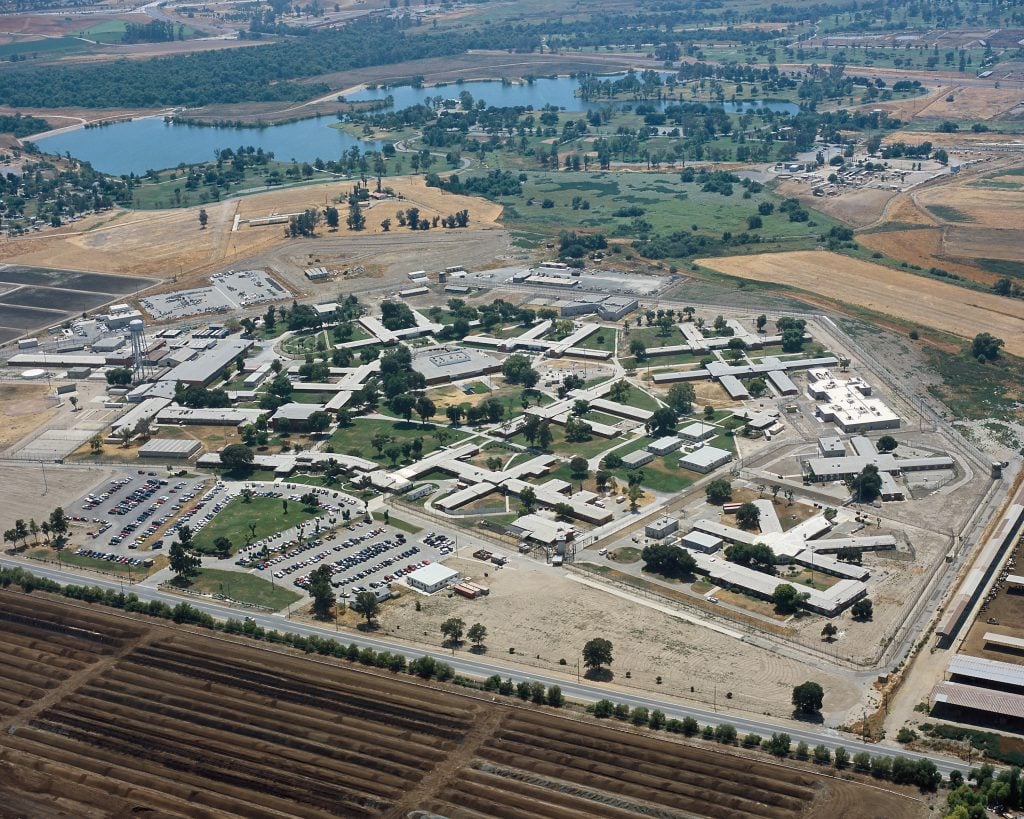
The California Institution for Women (CIW), located in Chino, San Bernardino County, is one of California’s oldest women’s prisons. Opened in 1952 as the state’s first women’s correctional facility, it currently houses more than 2,000 inmates.
Significant incidents documented at CIW include:
- Sexual abuse and coercion by prison staff.
- Institutional failures in responding to complaints, with many reports ignored.
- Investigations and lawsuits involving medical staff, particularly regarding invasive gynecological exams or inappropriate conduct during medical care.
- Retaliation against victims, including intimidation and disciplinary isolation.
Notable Cases and Investigations
The Case of Gynecologist Dr. Lee
Considered one of the most serious incidents at CIW, Dr. Lee served as the facility’s sole gynecologist from 2016 to 2023. In February 2025, six women filed a federal lawsuit against him, alleging sexual abuse under the guise of medical treatment.
The allegations include inappropriate comments, coercive behavior, and retaliation against patients. As a result, many inmates avoided seeking medical care, leading to undiagnosed medical conditions.
2024 DOJ Investigation
In 2024, the U.S. Department of Justice launched an investigation to determine whether the CDCR adequately protects CIW inmates from institutional sexual abuse. This investigation was prompted by a lawsuit filed by 21 women who claimed they were raped or subjected to non-consensual penetration between 2014 and 2020, and that they were threatened with violence or punishment.
CCWF – Central California Women’s Facility
Officially opened in October 1990, the Central California Women’s Facility (CCWF) houses approximately 2,500 female inmates and is the largest all-female prison in the United States.
Among the documented incidents and patterns at CCWF are:
- Documented abuse and sexual assault that led to numerous class-action lawsuits against the state prison system.
- Sexual violence enabled by deficiencies in surveillance systems, allowing victims to be isolated.
- Sexual harassment and abuse of authority, including threats or retaliation against inmates who attempted to report misconduct.
- Negligence in institutional oversight, with some complaints left uninvestigated or without proper accountability.
- Retaliation against victims, including intimidation or pressure to discourage reporting.
- Structural security weaknesses, particularly in areas with low surveillance, which facilitated inappropriate contact between staff and inmates.
Notable Cases and Investigations
Gregory Rodríguez, CCWF Correctional Officer
Rodríguez was convicted in 2025 on multiple counts of sexual abuse against female inmates committed between approximately 2014 and 2022. Investigations identified dozens of potential victims, and a Madera County jury found him guilty on 64 counts, resulting in a sentence exceeding 224 years in prison.
Israel Trevino Jr., CCWF Correctional Officer
Trevino worked at CCWF for over a decade. Dozens of inmates accused him of sexual misconduct, including non-consensual physical contact, groping during security searches, and making threats to deter them from filing complaints. Although Trevino was terminated in 2018, no criminal charges were filed against him. A civil lawsuit was subsequently filed against the state of California by survivors seeking accountability and damages.
VSPW – Valley State Prison for Women
Valley State Prison for Women (VSPW) was located within the Chowchilla prison complex. It operated as an all-female facility from 1995 until it was converted into a men’s prison in 2013. It no longer functions as a women’s penitentiary.
Some of the cases and behaviors documented at VSPW include:
- Male staff had access to living quarters, showers, and other intimate areas, facilitating harassment and inappropriate physical contact during security searches.
- Allegations of sexual assault and misconduct by some prison officials abusing their authority.
- Persistent deficiencies in institutional response systems, with complaints and allegations frequently ignored or not investigated.
- Concerns regarding medical negligence, including unnecessary intimate examinations, and fear among inmates that reporting abuse could result in loss of healthcare access.
- Human rights violations and a pervasive toxic culture among facility management.
Notable Cases and Investigations
Amnesty International Investigation (1998)
During a visit, the organization documented allegations of sexual abuse, rape, and systematic harassment at VSPW. The report emphasized the lack of formal, effective complaint-handling mechanisms. Although institutional reforms were recommended, they were not significantly implemented.
Shumate v. Wilson Class Action Lawsuit (ED Cal., 1995)
This landmark lawsuit addressed medical negligence in California’s women’s prisons. However, inmates at VSPW were excluded from the settlement, which limited their access to the resulting healthcare improvements and raised concerns about the protection of incarcerated women in the state prison system.
CRDF – Century Regional Detention Facility
The Century Regional Detention Facility (CRDF), operated by the Los Angeles County Sheriff’s Department, is the county’s largest women’s prison and one of the facilities with the highest number of lawsuits related to institutional abuse. It currently houses between 1,450 and 2,100 female inmates.
Some of the incidents and situations documented at the CRDF include:
- Sexual violence by some correctional officers, involving coercion or abuse of authority in exchange for privileges.
- Inappropriate surveillance practices, such as watching inmates while showering or changing in areas with minimal privacy.
- Institutional retaliation against inmates who reported abuse, including changes to security classification, loss of access to programs, verbal threats, and physical intimidation.
- Serious failures in implementing PREA of 2003, with the 2018 audit showing compliance with only 2 of 43 safety standards.
- Structural deficiencies in hygiene areas, particularly showers, facilitating unauthorized observation of inmates.
Notable Cases and Investigations
38 Inmates File Class-Action Lawsuit (2025)
In October 2025, 38 current and former inmates filed a class-action lawsuit alleging that male officers observed women while showering, engaged in inappropriate physical contact, and retaliated against those who reported abuse.
Giancarlo Scotti – Sexual Abuse Allegations
Giancarlo Scotti, a deputy with the Los Angeles County Sheriff’s Department, was accused of engaging in sexual misconduct with at least six female detainees between 2016 and 2017. The allegations include inappropriate contact in cells and shower areas. Before his assignment to a women’s facility, Scotti had previously participated in a work-related conditional release/probation program.
Other Inappropriate Sexual Conduct in Prison
Roy’ce Bass was arrested in 2020 on four counts of non-consensual sexual activity with female detainees between 2017 and 2018. Similarly, Jonathan Tejada Paredes was arrested for sexual assault while on duty in 2023.
Structural Failures and Oversight Issues (PREA)
A 2018 audit revealed that the facility met only 2 of the 43 safety standards outlined in PREA. The report highlighted deficiencies in shower design, anonymous reporting systems, and oversight of the prevention program.
Wave of Lawsuits Over Sexual Abuse in California Women’s Prisons
Historical reports—from Amnesty International’s 1998 findings to institutional oversight audits in 2025—consistently highlight serious concerns regarding the protection of female inmates and the response to reports of sexual abuse.
According to a recent CDCR audit, the 2023 PREA annual report recorded 2,004 sexual incident reports, marking a 57% increase from the previous year.
By the end of 2025, at least 279 civil lawsuits had been filed by women alleging sexual misconduct within California’s state prison system, involving approximately 83 employees. These figures suggest the actual number of victims may be significantly higher.
These patterns demonstrate that the CDCR and its correctional facilities have not fully ensured the protection of female inmates’ constitutional rights against institutional sexual abuse.
However, prisoners can hold those responsible accountable and pursue the compensation they deserve with guidance from attorneys experienced in civil rights cases, such as Adamson Ahdoot.
Legal Rights and Options for Victims of Sexual Abuse in California Women’s Prisons
Unfortunately, many survivors of sexual abuse in California jails and prisons feel powerless to report what happened. However, both California state law and federal law provide robust protections for incarcerated individuals.
Women, in particular, are highly vulnerable to sexual misconduct by prison staff or other inmates. When abuse occurs, victims have the legal right to take action not only against the individuals responsible but also against the institutions that failed to protect them.
Recent legal reforms and court decisions have expanded the options available to survivors. Today, many current and former inmates can file civil lawsuits seeking justice and compensation for the physical, emotional, and psychological harm they have suffered. These claims may be based on California state law, federal law, and civil rights violations.
⚖️ Know Your Rights
Under the United States Constitution, inmates retain fundamental rights, including the right to safety, dignity, and protection from any form of abuse while in custody.
With guidance from experienced law firms specializing in institutional negligence, victims can hold perpetrators accountable and pursue the compensation they deserve. Contact us today for a free consultation.
Constitutional Protection Under the Eighth Amendment
Female inmates in the United States retain their fundamental constitutional rights, even while in custody. The Eighth Amendment, which prohibits cruel and unusual punishment, has been interpreted by courts as a primary safeguard in prisons.
Under this framework, the state and its agents have a legal duty to:
- Protect inmates from sexual violence
- Prevent abusive conduct by prison staff
- Investigate allegations of abuse
- Prevent retaliation against individuals who report misconduct
These obligations exist because people in prison depend on correctional institutions to ensure their safety and protect their physical and psychological well-being.
Federal Civil Rights Claims (42 U.S.C. § 1983)
42 U.S.C. § 1983, commonly known as Section 1983, is a critical legal mechanism established under the Civil Rights Act of 1871. While it does not create new rights, it allows survivors to enforce the constitutional protections guaranteed by the Eighth and Fourteenth Amendments.
Section 1983 allows individuals to file claims against state officials or public agencies acting under color of law, meaning while exercising official authority. Civil claims under this federal statute can arise from situations such as:
- Inadequate or negligent medical care
- Excessive use of force
- Unconstitutional conditions of confinement
- Sexual assault or harassment by public officials
Due to the complexity of sexual abuse cases in prisons and jails, victims are strongly encouraged to seek guidance from experienced personal injury lawyers in California. Legal counsel can help ensure claims are properly filed and give individuals the best chance of obtaining justice and compensation.
The Prison Rape Elimination Act (PREA)
Enacted in 2003, the Prison Rape Elimination Act (PREA) is a federal law designed to improve safety in jails, prisons, and detention centers by preventing and reducing sexual violence.
PREA establishes national standards for the prevention, detection, and response to sexual abuse, including rape and sexual assault. It provides a legal and operational framework to protect the dignity, safety, and well-being of incarcerated individuals. This law is especially crucial for women in correctional facilities, as they are particularly vulnerable to sexual misconduct.
It’s important to note that PREA does not, on its own, create a private right to file a civil lawsuit. However, violations of PREA standards can serve as evidence of institutional negligence in cases of sexual abuse in California women’s prisons.
When PREA Applies in Correctional Facilities
PREA standards apply to several key areas:
- Abuse Prevention: Implementing policies, audits, and protocols to minimize the risk of sexual assault.
- PREA Incident Reporting: Establishing mechanisms for inmates to report sexual abuse, harassment, or retaliation.
- Investigation and Victim Assistance: Obligating facilities to investigate complaints and provide medical and psychological care.
- Institutional Compliance: Ensuring correctional facilities meet PREA standards to maintain safe conditions.
- Strengthening Prison Policies: Developing measures to prevent violations of inmates’ rights.
Although PREA sets national standards for preventing and addressing sexual abuse, each case may require a specific legal analysis. Understanding these requirements is essential for survivors. It empowers them to know their rights and identify their legal options when sexual misconduct occurs in prisons.
Legal Framework in California for Sexual Abuse Cases in Women’s Prisons
California law provides specific legal protections against sexual abuse in prisons, jails, and detention facilities. Several criminal statutes currently apply to cases of sexual misconduct in custodial settings.
Key legal provisions for institutional sexual abuse of women include:
- Penal Code § 243.4 — addresses sexual assault and non-consensual sexual contact.
- Penal Code § 289 — covers non-consensual sexual penetration, including acts committed through coercion or exploitation of authority.
- Penal Code § 289.6 — criminalizes sexual activity between correctional staff and individuals under institutional supervision.
These laws are essential for analyzing potential criminal and civil liability in cases of prison abuse.
Filing a Civil Lawsuit Under AB 2777
The Sexual Abuse and Cover-Up Accountability Act (AB 2777), effective in 2023, strengthens the rights of inmates in California state prisons and detention centers.
The law allows women who were victims of sexual abuse in California prisons to file civil lawsuits for incidents that occurred on or after January 1, 2009. This is especially important in situations where individuals did not previously file complaints due to fear of retaliation or institutional barriers.
The primary goal of AB 2777 is to combat institutional cover-ups and expand access to justice for survivors of sexual misconduct, making it particularly relevant for women in prison.
Steps to File a Civil Lawsuit Under AB 2777
Although each case requires an individual legal assessment, the civil lawsuit process against a California women’s prison generally includes the following:
- Exhaust available administrative remedies — including PREA reporting mechanisms where applicable.
- Document the incident — preserve medical records, witness statements, and photographs of injuries.
- Obtain medical and psychological evaluations — keep copies of all reports.
- Identify the responsible parties — whether correctional staff or the institution itself.
- Evaluate legal options — determine the best strategy to strengthen the civil claim.
- Seek legal counsel — work with attorneys experienced in institutional sexual abuse cases.
🔹Important: Representation by specialized lawyers can significantly impact the outcome, helping victims of sexual abuse of prisoners pursue justice and secure appropriate compensation.
Statute of Limitations for Sexual Abuse in California Jails and Prisons
The statute of limitations sets the legal timeframe within which a victim of sexual abuse or institutional misconduct in prison can file a lawsuit.
In California, sexual assault claims are generally governed by Civil Procedure Code § 340.16. This code allows a lawsuit to be filed up to ten years after the incident or three years after the individual discovered the harm. This flexibility recognizes that many victims are unable to report abuse at the time it occurs.
Important Filing Deadline: December 2026
Thanks to AB 2777, women who suffered sexual abuse in California prisons may file a civil lawsuit for incidents occurring since 2009. However, this legal window has a firm deadline of December 31, 2026, depending on the circumstances.
There are legal exceptions that may apply in specific situations. To protect your rights, it’s strongly recommended to seek an individualized review with an attorney specializing in institutional sexual abuse.
Compensation Available in California Women’s Prison Sexual Abuse Cases
Victims of sexual abuse in California prisons may be entitled to compensation through civil legal action.
As mentioned throughout this page, lawsuits claiming institutional negligence in correctional facilities have increased significantly in recent years, resulting in substantial settlements for survivors. These claims aim to compensate survivors for the physical, emotional, and psychological harm caused by sexual misconduct in prison.
Depending on the circumstances, victims may pursue different types of damages, including:
- Physical Damages: Medical treatment, rehabilitation, and specialized care.
- Psychological and Emotional Damages: Trauma, anxiety, or post-traumatic stress disorder (PTSD).
- Economic Losses: Medical expenses, therapy, and potential work-related impacts.
- Damages for Institutional Negligence: When an institution failed to provide adequate protection or supervision.
Factors That May Affect Compensation
The amount of compensation may vary depending on several factors, including:
- The severity of the abuse suffered.
- The duration and frequency of the incidents.
- The degree of responsibility of the institution or staff involved.
- The availability and strength of supporting evidence.
- The physical and psychological consequences experienced by the victim.
Every case of sexual abuse in prison should be evaluated individually to determine legal options and potential compensation amounts.
| Type of Compensation | Description | Examples |
| Physical Damages | Compensation for physical injuries and medical care | Surgery, rehabilitation, or specialized treatment |
| Psychological and Emotional Damages | Compensation for emotional trauma and mental harm | Therapy or treatment for PTSD |
| Economic Damages | Recovery of costs related to the abuse | Medical expenses, lost wages or employment opportunities |
| Institutional Negligence | Liability for failure to provide adequate protection | Violations of prison safety protocols |
Sexual Abuse Prisoner Compensation Claims and Settlements in California
Numerous lawsuits regarding sexual abuse in women’s prisons have been filed in California, with several resulting in multi-million-dollar settlements for survivors. These cases underscore the severity of institutional negligence and the legal recourse available to victims seeking justice.
- Federal Bureau of Prisons – FCI Dublin Settlement
In December 2024, attorneys representing 103 female inmates secured a landmark $116 million settlement for victims of sexual assault in federal custody. The agreement included binding institutional commitments to implement reforms designed to enhance safety and prevent future abuse. - Central California Women’s Facility – CCWF Case
In 2023, a civil settlement of approximately $3.7 million was reached regarding allegations of sexual abuse by former correctional officer Gregory Rodríguez. According to the claims, Rodríguez lured inmates into a camera-less parole board hearing room to sexually assault them. Ultimately, he was convicted on 64 of the original 97 felony sexual assault charges following years of abuse affecting dozens of inmates over nearly a decade.
Sexual Abuse Cases Handled by Adamson Ahdoot
The legal team at Adamson Ahdoot has represented victims of institutional sexual abuse in California. We have achieved significant settlements and held negligent institutions accountable.
Sexual Assault at a Los Angeles Hospital – $1,000,000 Settlement
Our attorneys represented a 68-year-old patient who was sexually assaulted by a nursing assistant at a Los Angeles hospital.
Investigations revealed that the hospital failed to report the incident to health authorities and did not take appropriate measures against the perpetrator. This enabled the perpetrator later to assault another patient at a different medical facility.
The case was resolved in 2025 with a $1,000,000 settlement, compensating the victim for the psychological harm she endured and reinforcing institutional accountability.
Frequently Asked Questions About Sexual Violence in California Prisons
Why Choosing the Right Institutional Sexual Abuse Attorney Matters
Cases involving sexual violence in California women’s prisons are highly complex, both legally and emotionally. Working with a lawyer who specializes in prison neglect and institutional abuse cases can be critical in helping you navigate the legal process with clarity and confidence.
Our attorneys have extensive experience handling civil rights violations and prison sexual abuse cases, guiding survivors through every stage of the legal process. We ensure that victims fully understand their rights, explore all available compensation options, and hold those responsible accountable.
With the support of experienced lawyers like those at Adamson Ahdoot, survivors of sexual abuse or institutional negligence in California prisons and jails can take legal action with confidence. Our firm has decades of experience in personal injury and civil rights litigation, enabling us to effectively navigate the legal system and pursue the best possible outcomes.
Contact Our Experienced California Women’s Prison Abuse Lawyers Today
Have you been sexually abused or suffered neglect in a California jail or prison? As an inmate, you have legal rights. You may be entitled to compensation for any physical, emotional, or psychological harm you’ve experienced.
Our top-rated attorneys specializing in prison neglect and sexual abuse cases can help you understand your legal options. We evaluate each case individually, explain all available compensation options, and hold the responsible parties accountable.
Don’t navigate this process alone. Contact Adamson Ahdoot today for a confidential consultation. Our bilingual team is available 24/7 to listen, support, and guide you through every step. Call us at (866) 645-4992 or submit an online inquiry.
Blog
People of all ages, backgrounds, and social levels suffer from the widespread issue of sex...
Understanding Sexual Abuse in the Workplace Sexual abuse in the workplace is a pervasiv...
Workplace sexual harassment has become so prevalent in the US that between 54% and 81% of...
Other Practice Areas
Accidents
- 5 Common Types of Car Accidents
- Accident Reconstruction in Los Angeles
- Amazon Product Defect Injury
- Assault Injury Lawyer
- Attorney Regarding Uber Accident
- Aviation Accident Lawyer
- Bakersfield Bus Accident Lawyer
- Bakersfield Car Accident Lawyer
- Bakersfield Motorcycle Accident Lawyer
- Bakersfield Rideshare Accident Lawyer
- Bakersfield Truck Accident Lawyer
- Boat Accident Lawyer
- California Metro & Railroad Accidents
- California Women’s Prisons and Jails Sexual Abuse Lawsuits
- Can an Uber Driver Sue Uber
- Car Accident Lawyer
- Car Accidents at Night
- Carnival Ride Accident Attorney
- Commercial Truck Accident Lawyer
- Commercial Vehicle Accident Lawyer
Injuries
- About Brain Injury Lawsuits
- After Head Injury
- Amputation & Disfigurement Injury Lawyer
- Back Injuries from Car Accidents
- Brain And Spinal Cord Injuries Lawyer
- California Dog Bite Injuries
- California Dog Bite Laws
- California Wrongful Death Attorney
- Chronic Pain
- Common Back & Neck Injuries
- Common Types of TBI
- Dangerous Dog Breeds
- Delayed Pain
- Dismemberment or Amputation Injury
- Dog Bite Attorney in California
- Dog Bite Damages
- Dog Bite Injury Lawyer
- Dog Bite Liability
- Dog Sitter Dog Bites
- Football Head Injuries Lawyer















Get a Free Consultation:
(424) 392-7649
Connect with an Attorney
Fill Out the Form Below
"*" indicates required fields
By submitting this form, you agree to be contacted and recorded by Adamson Ahdoot LLP or a representative, affiliates, etc., calling or sending correspondence to your physical or electronic address, on our behalf, for any purpose arising out of or related to your case and/or claim. Standard text and/or usage rates may apply. If at any time you wish to opt out of communication, reply “STOP.” Text “HELP” for assistance. Message frequency may vary. See the privacy policy and Terms and Conditions on the webpage.
