Shopping should be a safe, routine experience, but in California, thousands of customers suffer injuries in retail stores every year due to unsafe conditions, negligent maintenance, or employee carelessness. From slippery floors and falling merchandise to defective shopping carts and inadequate security, store accidents can result in serious injuries that leave victims facing mounting medical bills and lost wages.
When retail stores fail to maintain safe premises or address known hazards, they can be held liable for customer injuries under premises liability law. Understanding when retailers are at fault and what legal options you have is crucial if you’ve been injured while shopping. California law provides important protections for injured customers, establishing clear standards for retail safety and holding negligent store owners accountable.
Want to learn how store accidents happen and what you can do? Keep reading to understand your rights and legal options. If you need immediate legal guidance, contact an experienced premises liability attorney at Adamson Ahdoot for a free consultation.
Key Takeaways
- Retail stores have a legal duty to maintain safe premises and regularly inspect for hazards that could injure customers.
- Common store accidents include slip-and-fall incidents, falling merchandise, shopping cart injuries, and inadequate security incidents.
- Stores can be held liable when they knew or should have known about dangerous conditions and failed to fix them or warn customers.
- Injured customers may recover compensation for medical expenses, lost wages, pain and suffering, and other damages.
- California’s comparative negligence laws allow recovery even if you share some fault for your accident.
Understanding Retailer Liability Under Premises Liability Law
Retail stores owe customers a duty of care under California premises liability law. This means stores must:
- Maintain reasonably safe premises.
- Take proactive steps to prevent foreseeable injuries.
- Regularly inspect their properties for hazards.
- Identify potential hazards.
- Repair dangerous conditions promptly.
- Warn customers about hazards that cannot be immediately fixed.
Unlike property owners who owe different levels of care to trespassers versus invited guests, retail stores owe the highest duty of care to customers because they invite the public onto their premises for commercial purposes. Under California Civil Code Section 1714, property owners are responsible for injuries caused by their failure to exercise reasonable care.
Common Types of Store Accidents
Retail stores pose various potential hazards that may lead to injury. Recognizing the most common types of store accidents can help customers take precautions and avoid risks.
The following are some of the most frequent accidents that occur in retail environments:
Slip, Trip, and Fall Accidents
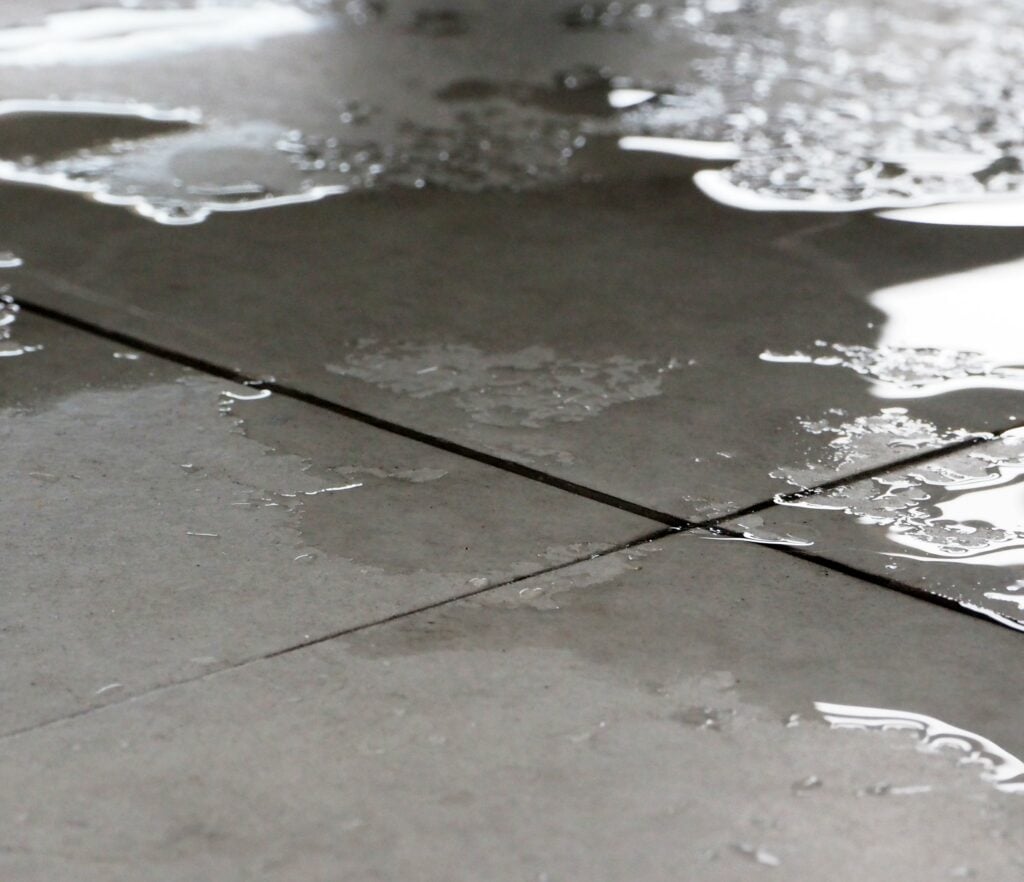
Slip-and-fall accidents are the most common type of retail store injury. Common hazards include:
- Wet floors from spills, recent mopping, or tracked-in rain
- Torn carpeting, uneven flooring transitions, and cluttered aisles
- Poorly maintained parking lots cause trip hazards
- Inadequate lighting in aisles, restrooms, or parking areas
During California’s rainy season, stores must be especially vigilant about addressing wet floors and providing adequate matting at entrances. Retailers who fail to clean up spills promptly, place warning signs, or maintain flooring in good condition may be liable when customers fall and suffer injuries.
Falling Merchandise
Improperly stocked shelves, overloaded displays, and unsecured items pose serious risks to shoppers. Heavy items placed on high shelves can fall and strike customers, causing head injuries, broken bones, or worse.
Poorly organized stockrooms with items blocking walkways or stacked unsafely can injure both customers and employees. Stores must follow proper merchandising safety standards and ensure displays are stable and secure.
Defective Shopping Carts and Equipment
Broken shopping carts with sharp edges, malfunctioning wheels, or collapsing baskets can cause injuries. Defective store equipment, like automatic doors, escalators, or elevators that malfunction, can trap or injure customers. While some equipment failures may involve product defects from manufacturers, stores remain responsible for regularly inspecting and maintaining equipment to ensure customer safety.
Inadequate Security
Stores have a duty to provide reasonable security measures to protect customers from foreseeable criminal acts. Key security risks are:
- Poor lighting in parking lots
- Lack of security personnel in high-crime areas
- Broken security cameras
- Failure to address known criminal activity can contribute to assaults, robberies, or other violent crimes against customers
California courts recognize that stores can be liable when inadequate security measures contribute to criminal acts that injure customers.
Parking Lot Hazards
Potholes, uneven pavement, inadequate lighting, ice and snow accumulation, and a lack of proper signage create dangers in store parking lots. Poor traffic flow design and inadequate pedestrian crosswalks can lead to pedestrian-vehicle accidents. Stores must maintain parking areas to the same safety standards as interior spaces.
| Store Hazard | Examples | Potential Injuries |
| Slippery floors | Spills, mopping, rainwater | Broken bones, head injuries, back injuries |
| Falling merchandise | Overloaded shelves, unstable displays | Concussions, fractures, internal injuries |
| Defective carts or equipment | Broken wheels, faulty doors | Hand injuries, falls, crush injuries |
| Inadequate security | Poor lighting, no guards | Assault injuries, emotional trauma |
| Parking lot hazards | Potholes, poor lighting | Pedestrian injuries, vehicle-related trauma |
Proving Store Liability for Customer Injuries
To successfully pursue a premises liability claim against a retail store, injured customers must establish several key elements:
- Duty of Care. First, you must prove the store owed you a duty of care, which is straightforward for customers lawfully on the premises.
- Breach of Duty. Second, you must show the store breached this duty by failing to maintain safe conditions or address known hazards.
- Causation. Third, you must demonstrate that this breach directly caused your injuries.
- Actual Damages. Finally, you must prove you suffered actual damages such as medical expenses, lost wages, or pain and suffering.
The critical factor often comes down to the store’s knowledge of the dangerous condition. Stores can be liable through actual notice, where employees knew about the hazard through customer complaints, employee reports, or direct observation.
Stores can also be liable through constructive notice, where the hazard existed long enough that regular inspections should have discovered it.
⚠️ Example: A customer spills a drink in an aisle. An employee sees the spill (actual notice) but does not clean it immediately. The spill remains on the floor for 30 minutes, long enough that routine inspections should have discovered it (constructive notice). A second customer then slips and is injured.
Steps to Take After a Store Accident
Taking immediate action after a store accident protects your health and preserves your legal rights. The actions you take in the hours and days after an incident can greatly affect your ability to receive compensation.
- Seek medical attention immediately. Even if injuries seem minor, as some serious conditions may not be immediately apparent, medical records document your injuries and link them to the accident.
- Report the accident to store management and insist they create an incident report, requesting a copy for your records.
- Photograph the scene. Take pictures of the exact location where you fell or were injured, the hazardous condition that caused your accident, any warning signs present or absent, your injuries and damaged property, and the surrounding area showing the store’s overall condition.
- Identify and collect contact information from anyone who witnessed your accident. Their testimony may be crucial to proving your case.
- Preserve evidence. Keep the shoes and clothing you wore during the accident, as they may show evidence of the hazard.
- Save all receipts. Collect the receipts related to your accident, including medical bills, prescription costs, travel expenses for medical appointments, and other out-of-pocket costs.
- Avoid giving recorded statements to the store’s insurance company. Adjusters may try to get you to minimize your injuries or accept partial blame.
- Be cautious on social media. Insurance companies monitor social media accounts, so posts about your activities could be used to dispute your injury claims.
💡 Did You Know…? According to the Survey of Occupational Injuries and Illnesses (SOII), grocery stores rank among industries with 100,000 or more reported injury and illness cases annually, making store accidents far more common than many people realize.
California’s Statute of Limitations for Store Accident Claims
California law imposes strict time limits for filing personal injury claims. Under Code of Civil Procedure Section 335.1, you generally have two years from the date of your injury to file a lawsuit against the responsible party.
Missing this deadline typically means losing your right to pursue compensation, regardless of how strong your case may be. Some exceptions exist for injuries that were not immediately discoverable, but courts interpret these exceptions narrowly. Insurance companies are aware of these deadlines and may delay negotiations, hoping you’ll miss the filing deadline.
Taking prompt action to investigate your claim and file if necessary is crucial to protecting your legal rights.
Frequently Asked Questions
Can I Sue a Store if I Slip and Fall on Their Property?
Yes, if the store knew or should have known about the dangerous condition and failed to fix it or warn customers, you can pursue a premises liability claim for your injuries.
How Long Does a Spill Need To Be Present Before the Store Is Liable?
There’s no specific time requirement, but generally, if a hazard existed long enough that regular inspections should have discovered it, the store may have constructive notice and be liable.
What if the Store Claims They Didn’t Know About the Hazard?
Stores can still be liable through constructive notice if the hazard existed long enough that reasonable inspections would have discovered it, or through mode of operation liability in certain circumstances.
Can I Still Recover Compensation if I Was Partially at Fault?
Yes, California follows comparative negligence rules, allowing you to recover damages proportionate to the store’s percentage of fault even if you share some responsibility.
Do I Need To Report My Accident To Store Management Immediately?
Yes, reporting the accident creates an official record and prevents the store from claiming the incident never occurred or happened differently than you describe.
What if the Store’s Insurance Company Offers Me a Settlement Right Away?
Never accept an initial settlement offer without consulting an attorney, as these offers are typically far below the true value of your claim.
Can I Sue if I Was Injured in the Store’s Parking Lot?
Yes, stores are responsible for maintaining safe conditions in parking lots just as they are for the interior of the store.
What if Security Camera Footage Proved My Case?
Stores often delete footage quickly, so having an attorney immediately send a preservation letter is crucial to prevent the destruction of this valuable evidence.
How Much Is My Store Accident Case Worth?
Case value depends on injury severity, medical expenses, lost wages, available insurance coverage, and the strength of evidence, which an attorney can evaluate during a free consultation.
What if the Hazardous Condition Was Created by Another Customer?
Stores remain liable if they failed to discover and address the hazard within a reasonable time through regular inspections and monitoring.
Adamson Ahdoot’s Store Accident Successes
Case 1: $340k for Target Slip & Fall due to Soda Puddle
- Location: Bloomfield Street, Lakewood
- Attorneys on the Case: Alan Ahdoot
- Type of Accident: Slip and Fall
- Summary: Our client was a patron at Target, pushing their shopping cart, and slipped on a puddle of soda from a previous spill being cleaned. They fell on their left knee
- Injuries: Headaches, left knee sprain, and more severe and debilitating injuries
- Liability: The store failed to exercise ordinary care to keep the premises safe, causing our client’s injuries
Case 2: $625k Recovery for Grocery Store Trip & Fall
- Location: Ventu Park Liquor & Market, Ventura County
- Attorneys on the Case: Austin G. Ward
- Type of Accident: Trip and Fall
- Summary: The client tripped over a case of water bottles left in an aisle, falling hard and injuring their right elbow and hip. Employees failed to call emergency services
- Injuries: Fractured right hip, fractured neck, abrasions, and other debilitating injuries
- Liability: The store failed to maintain the premises in a safe condition, directly causing the injuries
Expert Tips for Protecting Your Rights After a Store Accident
- Document the accident scene comprehensively before leaving the store. Take multiple photographs from various angles showing the exact hazard that caused your injury, the surrounding area, any warning signs present or conspicuously absent, and overall store conditions. Video can be even more effective at capturing the full context.
- Insist on creating an official incident report with store management. Provide only basic factual information about what happened without speculating about causes or minimizing your injuries. Request a copy of the report for your records, and if denied, note the names and positions of employees you spoke with. Document the date, time, and details of your report in your own notes immediately after the conversation.
- Seek medical evaluation within 24 hours, even if you feel fine. Adrenaline and shock can mask serious injuries that become apparent hours or days later. Delayed medical treatment allows insurance companies to argue your injuries weren’t serious or weren’t caused by the store accident. Be honest and thorough with medical providers about all symptoms and how the accident occurred.
- Preserve all evidence related to your accident without alteration. Keep the clothing and shoes you wore during the incident, as they may contain evidence of the hazardous condition. Don’t wash or repair items before consulting an attorney. Save all receipts, medical bills, prescription information, and documentation of missed work or other losses resulting from your injuries.
- Contact an experienced premises liability attorney before communicating with insurance companies. Stores and their insurers employ trained adjusters whose job is to minimize payouts, not to protect your interests. A personal injury lawyer can handle all communications, send preservation letters to secure surveillance footage and other evidence, investigate liability thoroughly, and ensure you don’t settle for less than your case is worth.
Get Help From Experienced Store Accident Attorneys
Store accidents can result in serious injuries that impact every aspect of your life. When retail negligence causes harm, you deserve full compensation for your medical expenses, lost wages, pain and suffering, and other damages.
Adamson Ahdoot has extensive experience representing injured customers in premises liability claims throughout California. Our attorneys know how to investigate store accidents and hold negligent retailers accountable.
Call us now at (866) 645-4992 for a free consultation. Let our experienced California personal injury attorneys evaluate your claim and explain your legal options. Time limits apply, so don’t delay in protecting your rights and pursuing the compensation you deserve.
References
- California Civil Code Section 1714 (General Negligence Liability)
- California Code of Civil Procedure Section 335.1 (Statute of Limitations for Personal Injury Claims)
- California Civil Jury Instructions (CACI) 1000 Series (Premises Liability)
- Occupational Safety and Health Administration (OSHA) – Retail Safety Guidelines: https://www.osha.gov/
- California Department of Industrial Relations – Workplace Safety: https://www.dir.ca.gov/
- National Floor Safety Institute – Slip and Fall Statistics: https://nfsi.org/