Imagine being injured in an accident in California, facing medical bills, lost income, and emotional stress—all while trying to navigate complex legal terms. How can you make sure you receive the full compensation you deserve in a negligence lawsuit?
Understanding how compensation for negligence is calculated and which damages you can claim can make a huge difference in your case. However, maximizing your recovery can be difficult without the right legal guidance.
With the proper support, you can take steps to protect your rights and protect the full value of your claim. At Adamson Ahdoot, we help hundreds of clients understand their rights, gather crucial evidence, and build strong negligence claims, ensuring that every aspect of their losses is fully represented.
Keep reading to learn more about the types of damages you can seek, how compensation is calculated, and the critical steps to protect your case.
Key Takeaways
- Victims in a California negligence lawsuit can recover both economic and non-economic damages.
- Document your injuries and consult expert witnesses to ensure you maximize your compensation.
- Juries consider injury severity, financial losses, and comparative negligence, so strong evidence is critical.
- Most California negligence claims must be filed within two years, except for those involving the government.
- Act quickly and partner with an experienced attorney to protect your rights and increase your chances of receiving full compensation.
Need Legal Help Maximizing Your Negligence Compensation? Call (866) 645-4992 today for a free, no-obligation consultation. Our team is available 24/7 to review your case and guide you every step of the way.

Types of Damages in California Negligence Lawsuits
When filing a negligence claim in California, knowing how damages are calculated is as important as proving the key elements of the case. Damages compensate victims for financial and non-financial losses caused by the defendant’s negligence. These losses may include medical bills, property damage, lost income, and emotional suffering.
Understanding the different types of damages and how courts or juries determine their value can help plaintiffs build stronger cases and ensure they receive fair compensation for all their losses.
Tangible Damages
Tangible damages are losses that can be quantified and proven with documentation. In California personal injury cases, common examples of tangible damages include:
- Medical Expenses: Hospital bills, surgeries, rehabilitation, prescription medications, and other treatment-related costs.
- Property Damage: Repair or replacement of vehicles, personal belongings, or other damaged property.
- Lost Wages: Income lost due to the inability to work after the injury.
- Future Economic Losses: Reduced earning capacity or long-term financial impacts caused by the injury.
Intangible Damages
Intangible damages refer to non-monetary losses resulting from the physical, emotional, and psychological effects of an injury. Common examples in California negligence cases include:
- Pain and Suffering: Physical discomfort, chronic pain, or limitations resulting from the injury.
- Emotional Distress: Anxiety, depression, or trauma caused by the accident.
- Loss of Consortium: Impact on relationships with a spouse, family member, or partner.
- Reduced Quality of Life: Inability to enjoy hobbies, social activities, or daily routines as before.
Although documenting these damages can be challenging, it is essential for maximizing compensation. Consider the following:
- Keep a daily journal detailing daily pain levels, emotional struggles, and limitations.
- Maintain records of therapy sessions, counseling, or psychiatric treatment.
- Collect testimonies from family, friends, or coworkers describing the impact on daily life.
- Gather photos or videos showing visible injuries or changes in physical ability.
Thorough documentation helps juries and insurance adjusters understand the real-world impact of your injury, ensuring that intangible damages are properly evaluated in a California negligence lawsuit.
| Type of Damage | Description | Examples |
| Economic/Tangible Damages | Losses that can be quantified and documented | Medical expenses (hospital bills, rehab), property damage (cars, personal items), lost wages, future earning capacity |
| Non-Economic/Intangible Damages | Non-monetary losses resulting from the injury’s physical, emotional, and psychological effects | Pain and suffering, emotional distress (anxiety, depression), loss of consortium, reduced quality of life |
How Juries Calculate Compensation
In California, juries calculate compensation for negligence by carefully evaluating both tangible and intangible damages. The goal is to restore the plaintiff to the position they were in before the injury occurred.
Juries typically consider several key factors when determining damages:
- Severity of Injuries: The extent and seriousness of physical harm, including short-term and long-term impacts.
- Medical Evidence: Documented treatments, hospital records, therapy sessions, and projected future medical needs.
- Financial Losses: Verified medical expenses, lost wages, property damage, and any reduction in earning capacity.
- Emotional and Psychological Impact: Pain, suffering, stress, loss of enjoyment of life, and effect on personal relationships.
- Comparative Negligence: If the plaintiff contributed to their own injury, the jury may reduce the total award proportionally.
Because jurors rely heavily on documentation and expert testimony, the strength of your evidence can directly influence the value of your award.
Levels of Negligence and Punitive Damages in California
Not all negligence is treated equally under California law. The level of fault can affect the damages available in a negligence lawsuit. Understanding these distinctions helps determine whether a case involves ordinary negligence or rises to gross or reckless misconduct, which may justify greater compensation.
Ordinary Negligence
Ordinary negligence occurs when a person fails to exercise the level of care that a reasonably prudent person would under similar circumstances.
Examples include:
- Distracted driving
- Failing to clean up a spill
- Neglecting safety procedures
Gross Negligence
Gross negligence goes beyond simple carelessness. It refers to a severe departure from the reasonable standard of care and involves a reckless disregard for others’ safety. Examples:
- Racing through a crowded intersection
- Ignoring known safety hazards in a business
Plaintiffs in gross negligence cases may recover standard damages plus additional compensation if the egregious behavior worsened their losses.
Reckless or Willful Misconduct
Reckless or willful misconduct occurs when a person intentionally engages in dangerous behavior or acts with conscious disregard for the likely consequences. Such behavior includes:
- Driving under the influence of alcohol or drugs
- Deliberately violating safety regulations
- Engaging in hazardous activities without precautions
Punitive Damages
Punitive damages serve not only to compensate victims, but also to punish egregious behavior and deter similar actions in the future. Courts may award punitive damages in addition to standard compensation for negligence if the defendant’s conduct is grossly negligent, reckless, or intentional.
💡 Tip for Maximizing Recovery: Proper documentation is key to securing full compensation. Keep detailed medical records, invoices, receipts, repair estimates, pay stubs, and tax records. Maintaining a timeline of treatments and costs will strengthen your case and help juries or insurance adjusters accurately calculate compensation.
Common Defenses to Negligence Claims in California
Defendants in a California negligence lawsuit often raise specific legal defenses to reduce or eliminate liability. Understanding these defenses helps plaintiffs anticipate challenges and prepare stronger negligence claims that maximize their potential compensation.
No Duty of Care
A defendant may argue that they owed no duty of care to the plaintiff under the circumstances. Since establishing a duty of care is the first element of negligence, proving that no such duty existed can completely invalidate a claim.
Plaintiff’s Sole Fault
This defense asserts that the plaintiff caused their own injuries. If successful, it can bar recovery entirely, shifting full responsibility away from the defendant. To counter this defense, plaintiffs should carefully document the accident and their actions.
Assumption of Risk
In some cases, defendants may argue that plaintiffs voluntarily assumed the risk of harm by knowingly engaging in dangerous activities. This defense is common in recreational, sports, or high-risk scenarios. Evidence showing that the plaintiff did not willingly take on the risk can strengthen a negligence claim.
Lack of Causation
Even if a duty of care and breach are established, defendants may dispute causation by claiming that their actions were not the direct or proximate cause of the plaintiff’s injuries. Medical records, expert testimony, and accident reports can help demonstrate causation and counter this defense.
Time Limits for Filing a Negligence Claim in California
One of the most important factors in a California negligence lawsuit is the statute of limitations—the legal time limit a plaintiff has to file their claim. Missing this deadline can permanently bar recovery, no matter how strong the evidence of negligence may be.
California’s Two-Year Statute of Limitations
For most personal injury cases based on negligence, you have two years from the date of the injury to file your claim. However, if the injury was not immediately discovered, the two-year period may start from the date the injury was reasonably discovered.
Keep in mind that there are important exceptions:
- Claims Involving Minors: When the injured party is under 18, the statute of limitations generally does not begin until they reach adulthood, giving them more time to file.
- Claims Against Government Entities: If the negligent party is a government agency or employee, plaintiffs generally must file a formal administrative claim within six months.
⚖️ Important: Always confirm the applicable deadlines for your case. Missing them may prevent you from receiving compensation. Consult an experienced attorney early on to ensure your negligence claim is filed on time and all exceptions are properly considered.
FAQs About California Negligence Lawsuits
What Types of Compensation Can I Claim in a California Negligence Case?
In a California negligence case, you can claim compensation for tangible damages such as medical bills, lost wages, and property damage, as well as intangible damages like pain and suffering and emotional distress.
How Do Juries Calculate Compensation in California Lawsuits?
They consider factors such as injury severity, medical evidence, financial losses, emotional impact, and comparative negligence.
What is the California Statute of Limitations for Filing a Negligence Lawsuit?
Most personal injury claims must be filed within two years of the injury. There are exceptions for minors and government claims.
When Can I Receive Punitive Damages?
Punitive damages may be awarded for gross negligence or reckless conduct to punish the defendant and deter future misconduct.
What Should I Do Immediately After a Negligent Injury in California?
Document your injury and damages, seek prompt legal guidance, and be aware of any applicable deadlines or special circumstances.
Notable Negligence Cases Won by Adamson Ahdoot in California
Adamson Ahdoot has successfully represented clients in a wide range of negligence cases throughout California. Below are some notable cases in which our team secured substantial compensation for our clients.
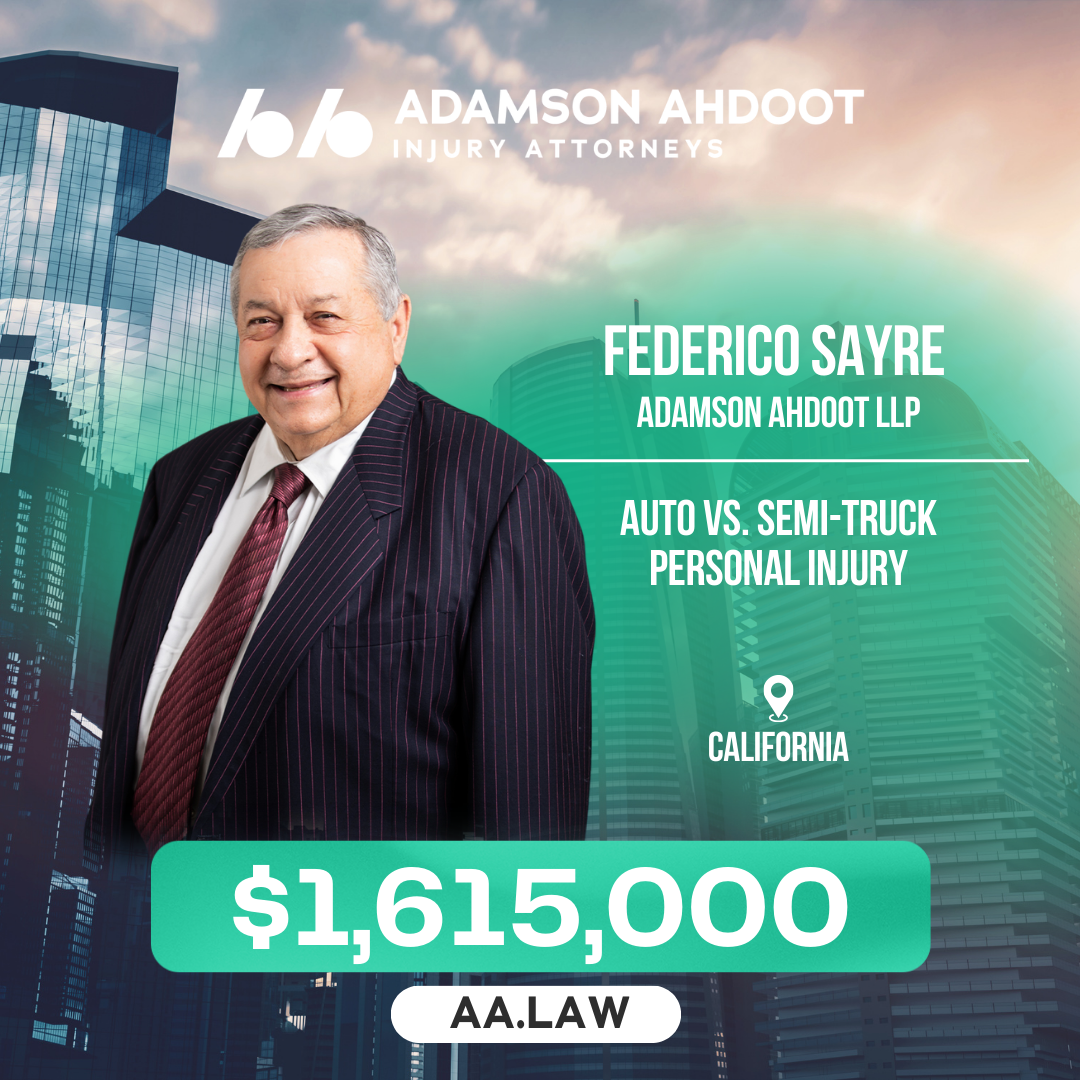
Case 1 – $1.615M Recovered for a Wrongful Death Auto vs. Semi-Truck Collision
Location: Los Angeles, CA
Verdict Date: December 2023
Summary: Our client was a passenger in a car hit by a semi-truck making a dangerous left turn. Tragically, the accident resulted in a wrongful death.
Key Injuries: Severe injuries leading to death; the family faced emotional and financial hardships.
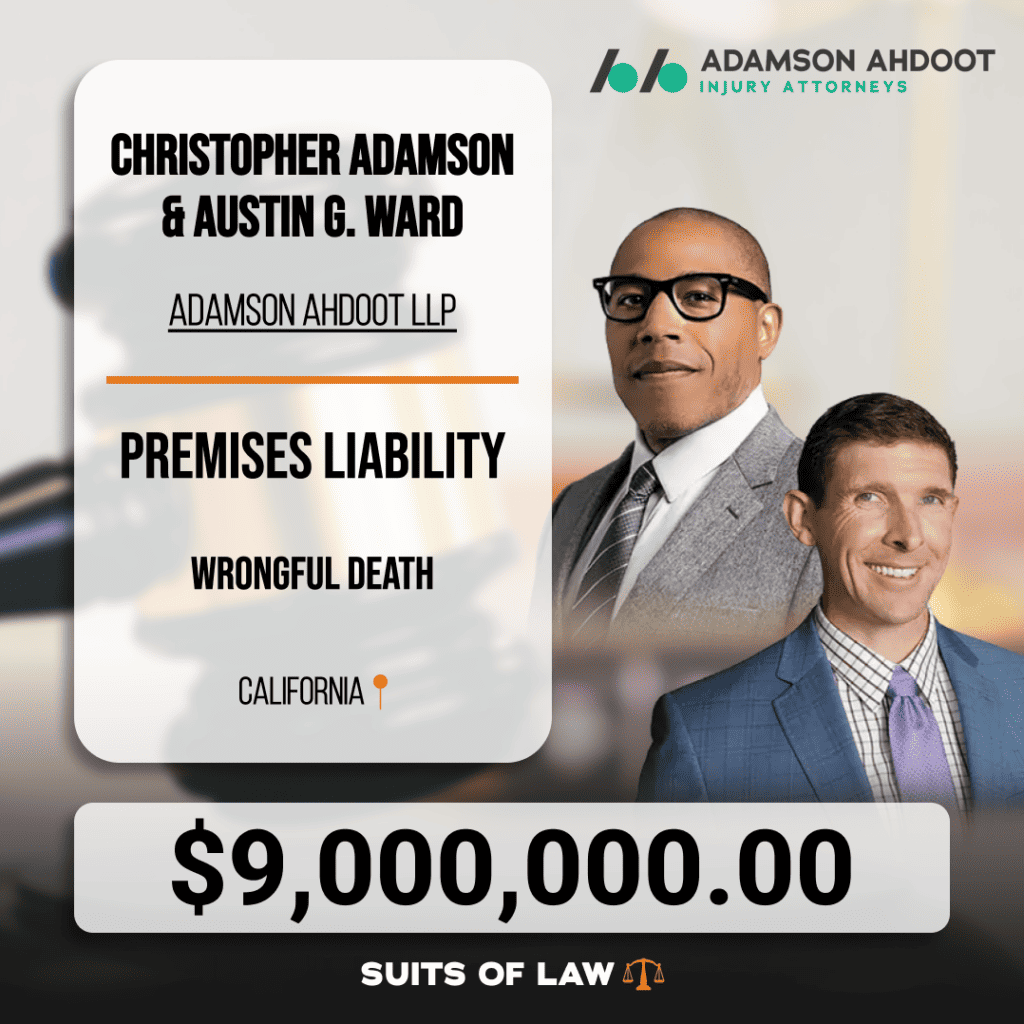
Case 2 – $9M Death by Negligence After Heatstroke During School Sports
Location: Los Angeles, CA
Settlement: March 2022
Summary: Cristian Navarro, a 15-year-old student, died from heatstroke during football practice due to negligent oversight by school staff. Adamson Ahdoot recovered $9 million for the family, holding the school accountable.
Key Injuries: Wrongful death; preventive measures ignored; systemic negligence highlighted.
Additional significant cases highlighting Adamson Ahdoot’s experience in personal injury law include:
- $3.24M Motorcycle vs. App-Based Auto Accident – Southern California: Unsafe U-turn caused serious injuries, including permanent disabilities and chronic pain.
- $2M Medical Negligence– Bay Area, CA: Paramedics failed to secure a patient in an ambulance, resulting in severe brain injuries.
- $1M Property Owner Negligence – Whittier, CA: Client fell down poorly lit stairs, sustaining multiple fractures and dental injuries.
- $940K Elderly Death in Care Facility – Los Angeles, CA: Negligence in a memory care facility led to the death of a 62-year-old adult dependent.
- $855K Injuries from Broken Tiles – Lakeside, CA: Client slipped and fell due to unsafe flooring, suffering shoulder and back injuries requiring medical attention.
Steps to Take After a California Negligence Injury
If you believe that you have been injured due to someone else’s negligence, you must take immediate action to protect your rights. Key steps include:
- Document the Injury and Its Effects: Keep detailed medical records, accident reports, photographs of injuries, and proof of financial losses such as bills or lost wages.
- Seek Legal Guidance Promptly: Contacting an experienced personal injury attorney early ensures you meet all filing deadlines and understand your legal options.
- Be Aware of Potential Exceptions: Special circumstances, such as being a minor or pursuing a claim against a government entity, may change filing deadlines or procedural requirements.
Taking prompt action safeguards your claim, helps preserve evidence and secure witness testimony, and strengthens your case before it goes to court.
Take Action to Protect Your Rights Today
A life-changing injury caused by negligence can happen in an instant. Medical bills can pile up quickly. Work may become impossible. Insurance companies may try to minimize your claim. And while you focus on recovery, the clock keeps moving.
Evidence can disappear. Witnesses’ memories fade. Legal deadlines approach faster than most people realize. Acting quickly can significantly impact the strength and value of your case.
At Adamson Ahdoot, we fight to hold negligent parties accountable and pursue the full compensation our clients deserve. From day one, our team will handle the legal burden so you can focus on healing.
You pay nothing unless we recover compensation for you.
Call (866) 645-4992 now for a free, no-obligation consultation. We are available 24/7 to evaluate your claim, answer your questions, and explain your legal options.