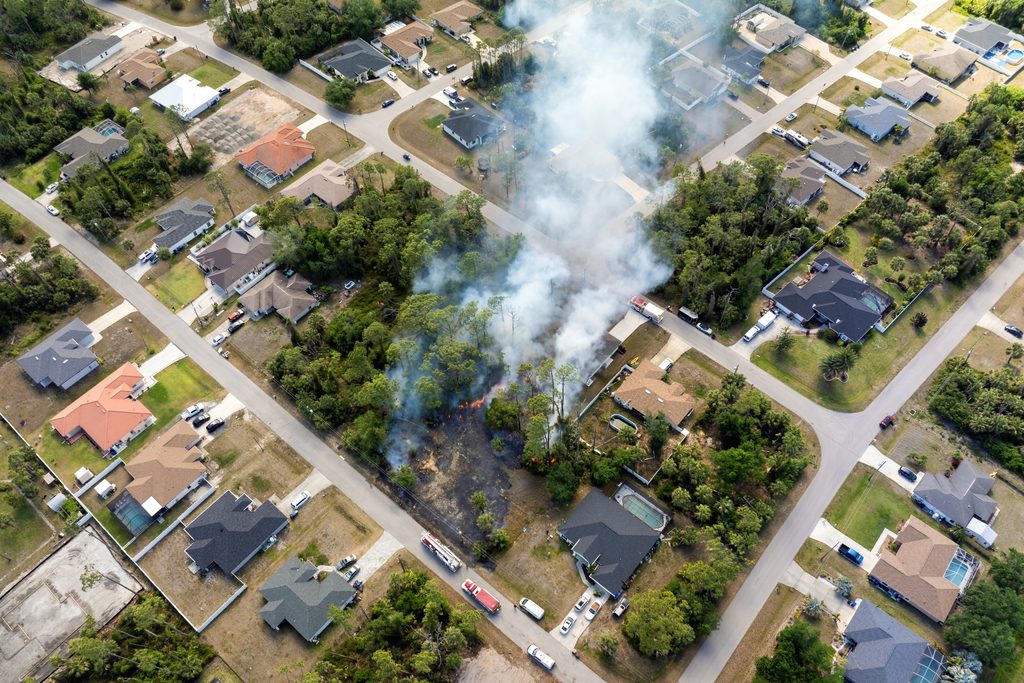
California wildfires leave behind more than just scorched earth. From devastating property loss and personal injury to economic fallout and emotional trauma, these disasters can have an overwhelming impact, even on people whose homes were never directly affected by the flames. Homeowners, renters, business owners, farmers, and individuals injured or displaced by a wildfire may be eligible to seek compensation. However, eligibility to file a wildfire claim or lawsuit in California is not automatic.
Several factors can influence your eligibility, including the losses suffered, the cause of the fire, and whether another party can be held legally responsible. Understanding these requirements can help you explore your options, protect your rights, and take action before important deadlines expire.
Not Sure If You Qualify for a Wildfire Claim?
Homeowners aren’t the only people who may be entitled to compensation. Adamson Ahdoot offers free consultations to help wildfire victims understand their legal options. Contact our team to discuss your case. Call us at (866) 645-4992.
Free Case Evaluation | No Fee Unless We Win
Quick Answer: Who Can File a Wildfire Claim in California?
Homeowners, renters, landlords, business owners, farmers, injured individuals, and evacuees may be eligible to file a wildfire claim in California. You do not necessarily need to own property or have suffered direct fire damage to qualify. Eligibility depends on your losses, the circumstances of the wildfire, and the legal basis for seeking compensation. Claims may involve property damage, medical expenses, lost income, evacuation costs, or other recoverable losses.
Eligibility Isn’t Just for Homeowners
Wildfire compensation is not limited to homeowners whose properties were destroyed. Renters, landlords, business owners, farmers, and individuals affected by smoke or evacuation may also have grounds to pursue a claim.
The type and amount of recovery available vary based on the losses suffered, the cause of the fire, and the basis for the claim.
| Who May Qualify | Potentially Recoverable Losses |
|---|---|
| Homeowners | Structural damage, personal belongings, landscaping, and displacement costs |
| Renters | Damaged belongings, temporary housing, and relocation expenses |
| Landlords | Property repairs, restoration costs, and lost rental income |
| Business Owners | Damaged equipment, lost inventory, and business interruption losses |
| Farmers and Ranchers | Damaged crops, livestock, agricultural equipment, and lost income |
| Injured Individuals | Medical expenses, lost wages, and pain and suffering |
| Evacuees | Temporary housing, transportation, and other qualifying evacuation expenses |
Homeowners, Renters, and Landlords
Homeowners may be eligible for compensation if wildfires damage or destroy their residences, landscaping, or personal belongings. Even homes that remain standing may suffer significant smoke, ash, or water damage, requiring professional restoration.
Renters may also seek reimbursement for damaged personal property, temporary housing, and other expenses related to displacement. Meanwhile, landlords may pursue claims for structural damage, repair costs, and lost rental income because their properties became uninhabitable.
Business Owners
Wildfires can disrupt commercial operations even when business premises escape direct damage. Mandatory evacuations, road closures, smoke contamination, and damaged equipment can lead to substantial financial losses.
Depending on the circumstances, business owners may be able to seek compensation for lost inventory, property repairs, business interruption, and documented income losses. Whether they can recover depends on their applicable insurance coverage or legal claim.
Agricultural Operators and Farmers
Farmers, ranchers, and agricultural businesses may suffer losses that extend beyond burned land. Wildfires can destroy crops, injure livestock, damage irrigation systems, and disrupt agricultural production.
Potential claims may include the following:
- Damaged crops and livestock.
- Agricultural equipment and machinery losses.
- Irrigation system damage.
- Soil restoration and land rehabilitation costs.
- Lost income from disrupted agricultural operations.
Injured Individuals
People who suffer burns, respiratory injuries, or injuries during evacuation may have grounds to pursue personal injury claims, even if they do not own damaged property.
Depending on the circumstances, compensation may cover medical treatment, rehabilitation, lost wages, and pain and suffering. Medical documentation and evidence connecting the injuries to the wildfire can be important when supporting a legal case.
Evacuees and Displaced Residents
Individuals forced to leave their homes may incur significant expenses even when their properties remain intact. Temporary accommodation, transportation, and other necessary evacuation costs may be recoverable through applicable insurance coverage or a legally supported claim against a responsible party.
However, an evacuation order alone does not automatically make someone eligible for compensation. Documented losses and applicable requirements must also be considered.
What Determines Wildfire Claim Eligibility?
Simply being affected by a wildfire does not automatically guarantee compensation. Whether you are eligible depends on the nature of your losses, the circumstances surrounding the fire, and the requirements of your claim.
Several factors influence whether you have grounds to pursue legal action.
Proximity to the Fire
You do not need to be directly in the path of a wildfire to qualify for compensation. Smoke, ash, and airborne contaminants can travel beyond the burned area and potentially damage property or affect people’s health.
However, living near a wildfire alone is not sufficient. Claimants generally need evidence of actual losses and, when pursuing legal action against a third party, evidence connecting those losses to the wildfire.
Cause of the Fire
Identifying what started the fire is particularly important when pursuing compensation from a responsible third party. Potentially liable parties may include:
- Utility companies whose equipment or maintenance failures contributed to the fire.
- Construction companies or contractors whose negligent activities caused ignition.
- Government entities whose actions or omissions give rise to liability under applicable law.
Liability is not automatic. Lawsuits may involve negligence, inverse condemnation, or other applicable legal theories based on the facts of each case.
To determine whether a party can be held responsible, an investigation may examine utility records, fire reports, maintenance practices, and expert findings.
💡 Did You Know?
Filing a wildfire insurance claim does not necessarily prevent you from seeking compensation from a responsible third party. If your insurance does not fully cover your losses, you may have additional legal options depending on the circumstances of the fire.
Legal Deadlines for Filing a Claim
In California, you generally have two years to file a personal injury lawsuit and three years to file a property damage lawsuit. These deadlines are outlined in the California Code of Civil Procedure §335.1 and 338, respectively.
However, different deadlines may apply based on the defendant, the type of loss, and when the claim accrued.
Lawsuits against California government entities typically require an administrative claim before a lawsuit can proceed. Depending on the type of damage, you generally must present these claims within six months or one year.
Insurance claims are subject to separate policy requirements and applicable laws. Because deadlines vary, review your case as early as possible.
Why Legal Representation Matters
In California, determining if you can file a wildfire lawsuit is only the first step. Establishing liability, documenting losses, and navigating insurance disputes can raise complex legal and technical questions, especially when utility companies or other large organizations are involved.
An experienced California wildfire attorney can help you:
- Investigate the cause of the fire and identify potentially liable parties.
- Preserve critical evidence, including property records, medical documentation, and financial losses.
- Evaluate recoverable damages, including long-term expenses and losses that may not be immediately apparent.
- Meet applicable deadlines and comply with filing requirements.
- Negotiate with insurers and responsible parties or pursue litigation when appropriate.
Seeking early legal guidance can help you protect important evidence, clarify your options, and reduce the risk of missing critical deadlines.
What Damages Can Be Recovered?
The compensation available in a California wildfire claim depends on the type of damage, the evidence supporting the losses, and the applicable legal basis for recovery.
Recoverable damages may include the following:
- Property Damage: Repair or replacement of damaged structures, vehicles, personal belongings, and landscaping.
- Medical Expenses: Treatment for burns, respiratory issues, or psychological trauma.
- Evacuation Costs: Temporary housing, transportation, meals, and other qualifying displacement expenses.
- Lost Income: From missed work, business closures, or agricultural losses.
- Emotional Distress: Trauma, anxiety, and disruption of daily life.
Some victims may also face long-term restoration expenses, future medical costs, or diminished property values. These losses may be recoverable when supported by appropriate evidence and applicable law.
Not every category of damage is available in every lawsuit. Several factors influence the compensation available, including whether the claim involves insurance coverage, personal injury, property damage, or third-party liability.
What If You Don’t Have Insurance?
Lack of insurance doesn’t necessarily prevent you from seeking wildfire compensation. If a legally responsible third party, such as a negligent utility company, caused the fire, you may still be eligible to recover damages.
Even without insurance coverage, you may have legal options to recover your losses, depending on the circumstances of your case.
Expert Tips: How to Protect Your Wildfire Claim
1. Document Your Losses.
Keep photos, repair estimates, medical bills, receipts, and records of additional expenses.
2. Preserve Financial Records.
Save proof of lost wages, rental income, business interruptions, or agricultural losses.
3. Seek Medical Attention.
Document wildfire-related symptoms, injuries, treatments, and follow-up care.
4. Review Your Insurance Policy.
Check coverage limits, exclusions, and filing requirements before accepting a settlement.
5. Monitor Legal Deadlines.
Filing periods vary depending on the type of claim and the parties involved.
6. Consult a Wildfire Lawyer.
Get legal guidance before signing settlement agreements or releasing your rights to additional compensation.
Find Out If You Qualify for a Wildfire Claim in California
Wildfires can affect homeowners, renters, businesses, and families differently. Understanding whether you qualify for compensation is an important step toward protecting your financial future.
At Adamson Ahdoot LLP, our California wildfire lawyers help individuals and businesses evaluate their options, investigate potential liability, and pursue compensation for qualifying losses.
Our team has over 100 years of combined legal experience and is committed to helping wildfire victims understand their rights and navigate the claims process.
Not sure if you qualify? Contact Adamson Ahdoot at (866) 645-4992 or via our online form to schedule a free, no-obligation consultation. Our team is available 24/7, and you pay no attorney fees unless we win your case.