When wildfires destroy homes, injure residents, and force entire communities to evacuate, questions often arise about whether the damage could have been prevented and who may be held responsible.
While investigations often focus on utilities, contractors, and other private parties, government agencies may also be scrutinized. However, holding a public entity liable for wildfire damage requires meeting additional legal requirements and overcoming immunity protections under California law.
Were You Injured or Did You Suffer Property Damage in a California Wildfire?
Although government agencies may have limited liability, other parties could still be responsible for your losses. The wildfire attorneys at Adamson Ahdoot can investigate potential negligence and help you understand your legal options.
Call (866) 645-4992 for a free case evaluation.
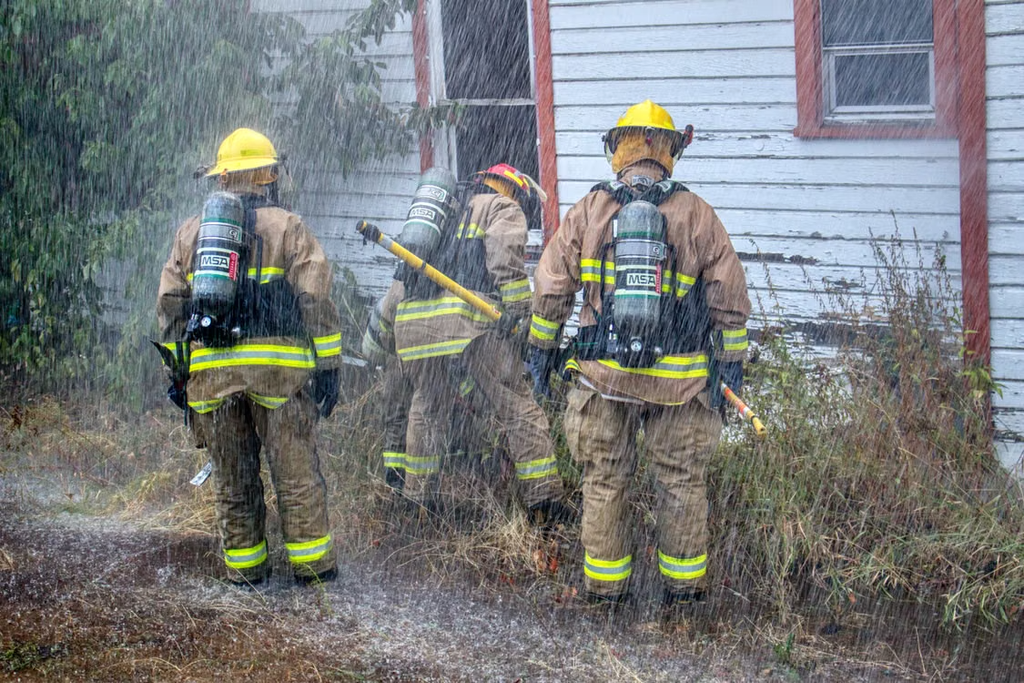
Can Fire Departments or Government Agencies Be Held Liable for Wildfire Damage?
Yes, but only in limited circumstances. Government liability for wildfire damage may arise when a public entity’s conduct falls within a recognized statutory basis for liability and no applicable immunity bars the claim. California law generally protects public agencies from liability for fire protection decisions, making these cases more complicated than ordinary negligence claims against private parties.
When Can Government Agencies Be Liable for Wildfires?
California Government Code § 815 establishes the general rule that public entities are not liable for injuries unless liability is authorized by statute.
This means a claimant cannot ordinarily rely on a general negligence theory against a government agency in the same way they might against a private defendant. Instead, the claim must identify a statutory basis for liability.
Potential issues may involve dangerous public property conditions, certain employee conduct, or other circumstances specifically addressed by California law.
Even when a statute provides a potential basis for liability, immunity provisions may still prevent recovery.
What Is the Difference Between Negligence and Government Liability?
Negligence generally involves a failure to exercise reasonable care that causes foreseeable harm. For a private contractor whose equipment ignites a wildfire, the analysis may focus on the contractor’s conduct, applicable safety obligations, and whether that conduct caused the fire.
For a public entity, the analysis includes additional questions:
- Does a statute authorize liability?
- Did the agency or employee engage in conduct covered by that statute?
- Does a statutory immunity apply?
- Can the claimant establish causation and legally recoverable damages?
These additional requirements make California wildfire claims against government agencies particularly fact-dependent.
Are Fire Departments Protected From Wildfire Lawsuits?
Generally, yes, when the alleged injury results from protected fire protection or firefighting activities.
Government Code § 850.4 provides that neither a public entity nor a public employee is liable for injury resulting from the condition of fire protection or firefighting equipment or facilities, or from acts or omissions in providing fire protection or firefighting services.
Can You Sue a Fire Department for a Delayed Response?
A delayed response does not ordinarily establish an actionable claim against a California fire department. Decisions involving dispatch, staffing, deployment, equipment allocation, and firefighting strategy generally fall within the types of activities protected by statutory immunity.
For example, an allegation that firefighters should have reached a neighborhood sooner is not, by itself, enough to overcome Government Code § 850.4.
The same concern applies when residents believe a different firefighting strategy would have prevented additional damage. Courts recognize that emergency responders must make difficult decisions under rapidly changing conditions.
What About Firefighting Mistakes?
An alleged operational mistake does not automatically eliminate immunity.
The relevant question is whether the claimed injury resulted from conduct protected by the statute or whether another legally distinct basis for liability exists. Victims should avoid assuming that evidence of a mistake necessarily establishes a viable lawsuit.
An attorney must evaluate the specific conduct, statutory provisions, and applicable judicial decisions.
Can Dangerous Public Property Conditions Create Wildfire Liability?
Potentially. Government Code § 835 provides a statutory basis for liability when a dangerous condition of public property causes injury, and the law’s requirements are satisfied.
This provision may become relevant when a wildfire is connected to a hazardous condition on property owned or controlled by a public entity.
What Must a Claimant Prove Under Government Code § 835?
Generally, the claimant must establish that:
- The public property was in a dangerous condition at the time of injury.
- The dangerous condition proximately caused the injury.
- The condition created a reasonably foreseeable risk of the type of injury suffered.
- The condition was created by a negligent or wrongful act, or omission of a public employee within the scope of employment, or the entity had actual or constructive notice sufficiently before the injury to take protective measures.
Can Poor Vegetation Management Support a Claim?
In certain circumstances, hazardous vegetation or improperly maintained public land may warrant investigation. However, the mere presence of dry vegetation does not establish that public property was legally dangerous. A claimant must connect a qualifying property condition to the wildfire and resulting harm.
Questions may include whether the public entity controlled the property, whether the condition posed a foreseeable risk, and whether the agency had the legally required notice.
Government Code § 835.4 also recognizes defenses concerning the reasonableness of an entity’s actions or failure to act. Importantly, a dangerous-condition claim cannot simply be used to bypass the immunity protecting firefighting services.
What Happens When Government and Private Parties Share Fault?
Some wildfire investigations involve multiple potentially responsible parties.
For example, investigators may examine whether privately operated electrical equipment ignited a fire while also evaluating conditions on nearby public land that may have contributed to its spread.
These are distinct questions requiring separate evidence. A public agency’s potential involvement does not automatically excuse a negligent utility or contractor. Likewise, evidence that a private party caused ignition does not establish that a government agency bears responsibility for subsequent fire spread.
How Does California Apportion Responsibility?
California follows comparative fault principles, although the rules vary depending on the type of claim and the parties involved.
When multiple parties contribute to wildfire damage, liability may be allocated differently based on the circumstances:
- Noneconomic Damages: Under Civil Code § 1431.2, defendants are generally responsible for these damages in proportion to their share of fault in qualifying cases.
- Economic Damages: Different allocation rules may apply, including joint and several liability where legally appropriate.
- Government Immunity: Statutory protections can complicate how responsibility is assigned when public agencies are involved, requiring a case-specific legal analysis.
Multiple-party wildfire liability cannot be determined solely through public criticism or assumptions about emergency response. Each party’s alleged contribution must be supported by evidence and evaluated under applicable law.
How Do California Government Wildfire Claims Work?
Claims against California public entities involve procedural requirements that differ from ordinary lawsuits against private defendants.
Under the California Government Claims Act, many claims for money or damages must be presented to the appropriate public entity before filing a lawsuit. Missing the applicable deadline may prevent an otherwise valid claim from proceeding.
What Is the Deadline for Filing a Government Claim?
Under Government Code § 911.2, the deadline for presenting an administrative claim generally depends on the type of injury:
| Type of Claim | General Administrative Deadline |
|---|---|
| Personal injury or wrongful death | Within six months after the claim accrues |
| Property damage and many other claims | Within one year after the claim accrues |
Important: These deadlines apply to presenting administrative claims, not necessarily to filing lawsuits. The applicable time limit depends on the nature of the claim, when it legally accrued, and any relevant exceptions.
What Happens After Filing?
Once an administrative claim is submitted, the public entity may accept, reject, or otherwise respond under the statutory process.
If the claim is rejected, Government Code § 945.6 establishes deadlines for filing a lawsuit. When proper written notice of rejection is provided, claimants generally have six months from the date the notice is personally delivered or deposited in the mail to file suit.
Different rules may apply when proper written notice is not given.
Are Federal Government Claims Different?
Yes. Claims against federal agencies generally follow separate procedures under the Federal Tort Claims Act (FTCA).
The FTCA allows certain claims against the United States, subject to administrative filing requirements, deadlines, and statutory exceptions. Federal law also provides discretionary-function protections that may limit liability for government policy decisions.
Importantly, filing a claim under California’s Government Claims Act does not replace the federal administrative claims process.
What Evidence Helps Establish Government Responsibility?
Claims involving public entities often require evidence beyond ordinary property damage records.
Relevant materials may include:
- Fire origin and cause investigation reports
- Public property maintenance records
- Vegetation inspection documentation
- Agency correspondence concerning known hazards
- Maps establishing ownership or control of affected land
- Witness statements
- Photographs and videos
- Expert analysis of fire ignition and spread
- Records documenting injuries and financial losses
Public records requests may help identify relevant agency documents, although exemptions and other restrictions can limit disclosure.
Expert testimony may also be necessary to distinguish a dangerous property condition from protected firefighting decisions.
Adamson Ahdoot’s guide to preserving wildfire evidence immediately after a fire explains how early documentation can support liability investigations.
When Should Wildfire Victims Contact an Attorney?
Legal guidance is particularly important when evidence suggests that public property conditions contributed to wildfire damage or when several defendants may share responsibility.
A California personal injury attorney experienced in wildfire litigation can help identify potentially liable private parties and assess whether a separate claim involving a public entity warrants further investigation.
Because government claims may have shorter administrative deadlines, victims should not wait for every investigation to conclude before seeking advice.
For additional information about pursuing compensation from responsible third parties, review Adamson Ahdoot’s article on filing a wildfire lawsuit in California.
Expert Tips for Evaluating Government-Related Wildfire Claims
- Identify the potentially responsible entity. Determine whether the property or conduct involved a city, county, state, federal agency, or private contractor. Different laws and procedures may apply.
- Preserve evidence of hazardous conditions. Photographs, inspection reports, maintenance records, and witness accounts may help establish whether a dangerous condition existed before the wildfire.
- Distinguish firefighting decisions from property maintenance. This distinction is legally significant because fire protection activities receive broad immunity under California law.
- Track administrative claim deadlines. Government claims may require action within six months or one year, depending on the type of injury. Confirm the applicable deadline promptly.
- Investigate private-party responsibility separately. Even when government involvement is suspected, utilities, contractors, and other negligent parties may remain potential defendants.
Frequently Asked Questions
Generally, not solely because firefighters failed to contain the fire. Government Code § 850.4 provides broad immunity for injuries resulting from fire protection and firefighting services.
Potentially. A claimant must establish a statutory basis for liability, such as a qualifying dangerous condition of public property, and overcome applicable immunity defenses.
A claim may warrant investigation if a dangerous condition of public property contributed to the injury. However, public ownership alone does not establish liability.
Potentially. Multiple parties may contribute to wildfire damage, but liability must be established separately for each defendant under applicable law.
California generally requires administrative claims within six months for personal injury or death and one year for many property damage claims, subject to applicable rules and exceptions.
Possibly, under the Federal Tort Claims Act. Federal claims have separate administrative procedures, deadlines, and immunity exceptions.
Legal representation is not always mandatory, but these cases involve statutory immunity, specialized procedures, and potentially short deadlines. Early legal evaluation is advisable.
Understanding Your Legal Options When Public Agencies May Share Wildfire Responsibility
California law provides significant protections for government agencies involved in firefighting and emergency response. Although public entities may face liability in limited circumstances, proving responsibility requires more than demonstrating that a fire spread or that emergency operations were unsuccessful.
A viable claim must identify a statutory basis for liability, address applicable immunity defenses, and establish that the agency’s conduct or a qualifying property condition caused compensable harm.
At the same time, private utilities, contractors, and other negligent parties may remain responsible for wildfire-related injuries and property damage.
If you suffered losses because of a negligently caused wildfire, get a free case evaluation with Adamson Ahdoot. Our attorneys can investigate potential third-party liability, assess the available evidence, and help you understand your legal options for pursuing compensation.
References
- California Legislative Information: Government Code § 815 — Establishes the general statutory basis required for public entity liability.
- California Legislative Information: Government Code § 835 — Addresses liability for dangerous conditions of public property.
- California Legislative Information: Government Code § 850.4 — Provides immunity for certain fire protection and firefighting activities.
- California Legislative Information: Government Code § 911.2 — Establishes administrative claim presentation deadlines.
- California Legislative Information: Government Code § 945.6 — Addresses deadlines for filing lawsuits following the government claims process.
- California Legislative Information: Civil Code § 1431.2 — Addresses several liability for noneconomic damages.
- United States Code: 28 U.S.C. § 2680 — Establishes exceptions to federal tort liability, including the discretionary-function exception.