California wildfires can cause devastating injuries, destroy homes, and leave entire communities facing significant financial losses. While extreme weather and dry vegetation increase wildfire risk, some fires start from poorly maintained power lines, faulty electrical equipment, or other preventable utility-related failures. When utility company negligence contributes to a wildfire, injured victims may have legal options to seek compensation.
Understanding utility company wildfire liability in California can help victims identify potentially responsible parties, preserve critical evidence, and protect their rights.
Injured in a Wildfire Caused by Utility Company Negligence?
If you or a loved one suffered injuries in a California wildfire linked to faulty power lines or utility company negligence, you may be entitled to compensation.
At Adamson Ahdoot, our experienced personal injury attorneys can evaluate your case, investigate potential liability, and explain your legal options.
Call (866) 645-4992 for a free, confidential case evaluation.
Quick Answer: Can Utility Companies Be Held Liable for California Wildfires?
Yes. Utility company wildfire liability may arise in California when negligent maintenance, faulty equipment, inadequate vegetation management, or safety violations contribute to ignition. Depending on the circumstances, victims may pursue compensation for injuries, property damage, and other losses through negligence claims or other applicable legal theories.
What Is Utility Company Negligence?
Utility company negligence occurs when an electric utility provider fails to exercise reasonable care in inspecting, maintaining, or operating its equipment. Since electrical infrastructure can pose a serious wildfire risk, utility companies must take the necessary safety precautions to prevent foreseeable harm.
Common Examples of Utility Negligence
Negligent conduct may include:
- Failing to inspect power lines
- Delaying necessary repairs
- Ignoring damaged equipment
- Improper vegetation management
- Failing to de-energize equipment during dangerous weather conditions
- Violating safety regulations or maintenance requirements
When these failures contribute to wildfire ignition and resulting damages, the utility company may face legal liability.
How Can Utility Equipment Start a Wildfire?
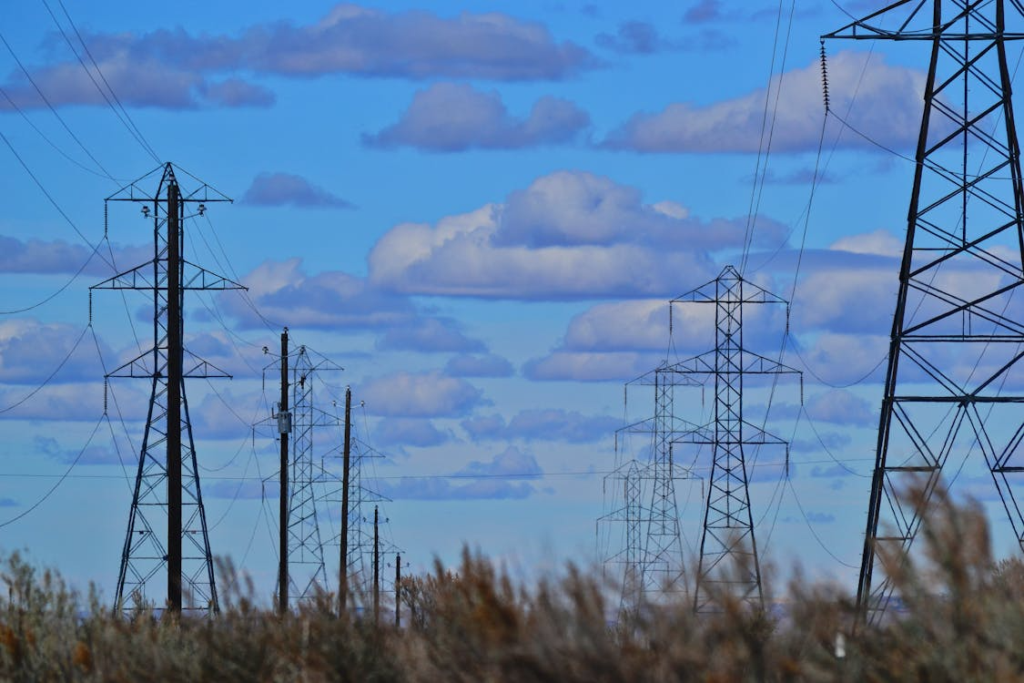
Electrical infrastructure can ignite wildfires when damaged equipment, inadequate maintenance, or vegetation near energized power lines creates dangerous conditions. During periods of high winds, extreme heat, and dry weather, even a single electrical spark can ignite surrounding vegetation.
Power Line Failures
Damaged or poorly maintained power lines can produce sparks or electrical arcs capable of igniting dry vegetation. Common causes include broken conductors, deteriorating components, downed power lines, and contact between trees and energized equipment. High winds can exacerbate this risk by damaging electrical infrastructure or causing nearby branches to strike power lines.
Equipment Malfunctions
Electrical equipment can malfunction due to deterioration, manufacturing defects, or inadequate maintenance. Common components involved in wildfire ignition include:
- Connectors: Loose or defective connections may generate excessive heat or sparks.
- Transformers: May overheat or fail, potentially igniting nearby vegetation.
- Insulators: Damaged or deteriorated insulation can contribute to electrical arcing.
These failures can ignite nearby combustible materials, particularly during dry or windy conditions.
Inadequate Vegetation Management
Trees, branches, and other vegetation that grow too close to electrical infrastructure can increase the risk of wildfires, especially during dry or windy conditions.
To reduce the likelihood of contact with energized equipment, utility companies must follow applicable vegetation management and clearance requirements. Failure to maintain adequate clearance can lead to wildfire ignition and potential liability.
What California Laws Apply to Utility Company Wildfire Liability?
According to California law, there are several legal grounds for holding utility companies accountable when their electrical infrastructure contributes to a wildfire. The applicable legal theory depends on the circumstances, type of damages suffered, and evidence connecting the utility company’s actions or equipment to the fire.
California Negligence Law
Under California Civil Code §1714, individuals and businesses generally have a duty to exercise reasonable care to avoid causing harm to others.
In a wildfire lawsuit, victims must generally demonstrate the following to establish negligence:
- The utility company owed them a duty of care.
- The company breached that duty through negligent conduct or inadequate safety measures.
- The breach was a substantial factor in causing their injuries or losses.
- They suffered compensable damages as a result.
Evidence of neglected maintenance, known equipment defects, or failures to follow appropriate safety procedures may help establish negligence.
Inverse Condemnation
Under Article I, Section 19 of the California Constitution, inverse condemnation may allow property owners to recover compensation when utility infrastructure used for public purposes causes property damage.
California courts have applied this doctrine to certain wildfire cases involving privately owned utilities. Unlike negligence claims, inverse condemnation generally does not require proof of negligence, but claimants must establish a qualifying connection between the infrastructure and the damage.
Regulatory Requirements
California utility companies must comply with safety regulations established by agencies such as the California Public Utilities Commission (CPUC). These regulations include requirements for:
- Electrical infrastructure inspection and maintenance.
- Vegetation clearance near power lines.
- Repair of hazardous equipment.
- Wildfire mitigation and safety planning.
Although violations of these regulations may strengthen a negligence claim, they do not automatically establish liability.
⚖️ Legal Insight: Negligence vs. Inverse Condemnation
Depending on the nature of their losses, California wildfire victims may have different legal options. Negligence claims address personal injuries and property damage. Inverse condemnation allows qualifying property owners to seek compensation without proving negligence.
The applicable legal theory depends on the circumstances of each case.
Why Have Utility Companies Faced Major Wildfire Lawsuits?
Several devastating wildfires in California have been linked to failures in electrical infrastructure, resulting in lawsuits against utility companies for injuries, wrongful deaths, property damage, and other losses.
Real-World Examples of Utility-Related Wildfires
Camp Fire (2018): The California Department of Forestry and Fire Protection (CAL FIRE) determined that electrical transmission lines owned by Pacific Gas and Electric (PG&E) caused the wildfire in Butte County. The disaster resulted in extensive litigation and compensation claims.
Eaton Fire (2025): In August 2026, Los Angeles County fire investigators concluded that electrical arcing involving an out-of-service Southern California Edison (SCE) transmission tower caused the fire. SCE is facing lawsuits involving significant property damage, injuries, and other losses.
These cases illustrate how utility infrastructure failures can lead to widespread harm and substantial legal claims.
How Do You Prove Utility Company Negligence?
In a California wildfire lawsuit, proving utility company negligence often requires technical evidence showing how the fire started, whether the company failed to meet applicable safety standards, and how that failure contributed to the victim’s injuries or losses.
Fire Origin Investigations
Fire investigators determine where and how a wildfire started, including whether power lines or other electrical equipment contributed to the ignition.
Official findings from agencies such as CAL FIRE may provide critical evidence linking utility infrastructure to the fire.
Maintenance Records
Utility company records may reveal:
- Previous equipment inspections and safety concerns.
- Delayed repairs or known electrical defects.
- Failures to follow maintenance or vegetation management requirements.
These documents can help establish whether the company knew or should have known about dangerous conditions.
Expert Testimony
Fire investigators, electrical engineers, utility safety specialists, and meteorologists may analyze technical evidence to explain how equipment failures or inadequate safety measures contributed to the wildfire.
Their findings can help establish causation and support claims involving utility company negligence.
What Injuries Can Lead to a Wildfire Liability Claim?
Utility-related wildfires can cause serious physical injuries and psychological trauma. Victims may have grounds for a personal injury claim when their injuries are connected to a wildfire caused by utility company negligence.
- Burn Injuries
Wildfire burns can range from minor skin damage to severe injuries requiring emergency treatment, skin grafts, and long-term rehabilitation. Serious burns may also result in permanent scarring, disfigurement, and ongoing medical expenses.
- Smoke Inhalation
Exposure to wildfire smoke can cause respiratory injuries, lung damage, and breathing difficulties. Severe exposure may also contribute to cardiovascular complications or long-term respiratory problems.
- Evacuation Injuries
People fleeing a wildfire may suffer injuries in vehicle accidents, falls, or other dangerous evacuation situations. These incidents can result in fractures, traumatic brain injuries, crush injuries, and other serious harm.
- Emotional Trauma
Wildfire survivors may experience anxiety, depression, post-traumatic stress disorder (PTSD), and other psychological effects. Emotional distress may also be considered when evaluating compensation, depending on the circumstances of the claim.
What Compensation May Be Available?
Those affected by wildfires caused by utilities may seek compensation for physical injuries, property damage, and other financial losses.
Economic Damages
These may include:
- Medical expenses
- Future medical treatment
- Rehabilitation costs
- Lost wages
- Reduced earning capacity
- Out-of-pocket expenses
Non-Economic Damages
Victims may also seek compensation for:
- Pain and suffering
- Emotional distress
- Mental anguish
- Loss of enjoyment of life
- Permanent disability
Property Damage and Business Losses
Depending on the legal basis of the claim, wildfire victims may recover compensation for destroyed homes and damaged personal property, as well as temporary housing expenses and business interruption losses.
The type and amount of compensation available depend on the evidence, applicable law, and the specific circumstances of each case.
| Type of Loss | Examples |
|---|---|
| Physical Injuries | Burns, smoke inhalation, evacuation injuries |
| Financial Losses | Medical bills, lost wages, future care |
| Non-Economic Damages | Pain, suffering, emotional distress |
| Property Damage | Destroyed homes, personal belongings |
| Business Losses | Business interruption, lost income |
How Do Utility Companies Defend Against Wildfire Claims?
Utility companies may dispute wildfire liability by challenging the cause of the fire, the evidence of negligence, or the involvement of other parties. Common defenses include:
- Natural Conditions: Utilities may blame extreme winds, drought, or dry vegetation, although these conditions do not automatically eliminate liability.
- Causation Challenges: Companies may argue that their equipment did not cause the fire or that their actions did not contribute to the resulting damages.
- Shared Responsibility: Utilities may claim that other parties contributed to the wildfire. California’s comparative fault rules may affect how certain damages are allocated.
Fire investigations, maintenance records, and expert testimony can help victims challenge these defenses and establish liability.
When Should You Contact a Lawyer?
Wildfire litigation often involves complex investigations, multiple responsible parties, and strict filing deadlines. Consulting a California personal injury attorney early on may help you preserve evidence and protect your legal rights.
If you suffered injuries or significant losses in a wildfire potentially linked to utility infrastructure, you should consider seeking legal advice, even if official investigations are still ongoing.
An experienced wildfire attorney can help you:
- Investigate the fire’s origin and potential causes.
- Review utility maintenance records and official findings.
- Work with experts to evaluate negligence and liability.
- Identify potentially responsible parties.
- Determine applicable filing deadlines.
- Pursue compensation for eligible present and future losses.
Early legal guidance is particularly valuable when utility companies dispute responsibility and when victims face substantial long-term damages.
Expert Tips for Protecting a Utility Wildfire Claim
1. Seek Medical Attention Promptly. Medical records can help establish the connection between wildfire exposure and your injuries.
2. Preserve Photos and Evacuation Records. Document property damage, dangerous conditions, injuries, and evacuation circumstances.
3. Follow Official Investigations. Findings from CAL FIRE and other agencies may provide valuable evidence about the fire’s origin.
4. Document Expenses and Losses. Keep medical bills, repair estimates, receipts, and records of lost income.
5. Review Settlement Offers Carefully. Consider potential long-term injuries and future expenses before accepting compensation.
Frequently Asked Questions
Yes. If a utility company’s negligence contributed to a wildfire that caused your injuries, you may be able to file a personal injury lawsuit to seek compensation.
Yes. Smoke inhalation injuries may support a personal injury claim when they can be linked to a wildfire caused by utility company negligence.
In certain cases, California’s inverse condemnation doctrine may allow property owners to recover compensation without proving negligence. However, this legal theory generally applies to qualifying property damage rather than personal injuries.
California law may allow claims against multiple responsible parties. Depending on the circumstances, liability may involve utility companies, contractors, or other entities whose actions contributed to the wildfire.
California generally allows two years to file personal injury lawsuits and three years for property damage claims. However, exceptions and different deadlines may apply, particularly when government entities are involved. Consulting an attorney promptly can help protect your rights.
Injured in a Utility-Caused Wildfire? Let Us Evaluate Your Case
Wildfires linked to utility company negligence can leave victims facing serious injuries, financial losses, and long-term uncertainty. Determining who is responsible and what compensation may be available often requires a thorough investigation.
At Adamson Ahdoot, our experienced California personal injury attorneys help wildfire victims understand their legal rights, identify potentially liable parties, and pursue compensation for their losses.
If you or a loved one suffered injuries in a wildfire involving electrical infrastructure, call (866) 645-4992 today or contact us through our online form for a free, confidential case evaluation.