California wildfires can cause devastating injuries, from severe burns and smoke inhalation to evacuation-related accidents and lasting emotional trauma. When negligence contributes to a wildfire, victims may have the right to pursue compensation from utility companies, contractors, property owners, or other responsible parties.
Understanding how California wildfire injury claims work can help victims protect their legal rights, identify potentially liable parties, and seek compensation for their losses.
Injured in a California Wildfire? Let Us Evaluate Your Case
If you or a loved one suffered injuries in a wildfire caused by negligence, the attorneys at Adamson Ahdoot can help you explore your legal options. Call (866) 645-4992 for a free case evaluation.
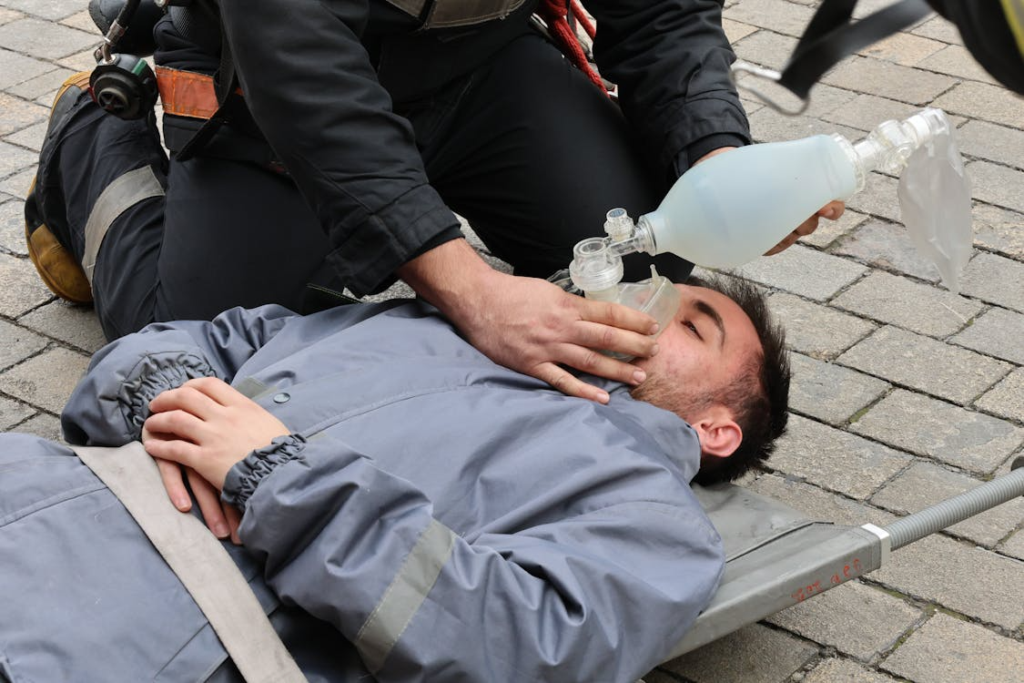
Quick Answer: Can You File a Lawsuit for Wildfire Injuries in California?
Yes. If another party’s negligence caused or contributed to a California wildfire, victims may be eligible to pursue compensation for medical expenses, lost income, pain and suffering, and other damages. A successful claim generally requires evidence connecting the responsible party’s conduct to the wildfire and the resulting injuries.
What Types of Negligence Lead to Wildfire Injury Claims?
California wildfires can result from preventable acts of negligence, such as poorly maintained electrical infrastructure, unsafe construction activities, and hazardous property conditions. If these failures cause or contribute to a fire, injured victims may be able to pursue compensation.
Utility Company Negligence
Utility companies may face liability when inadequate maintenance, defective electrical equipment, or failures to follow safety regulations contribute to wildfire ignition.
Common examples include:
- Poorly maintained power lines and electrical infrastructure.
- Faulty transmission equipment or electrical components.
- Failure to clear vegetation near power lines.
- Failure to inspect, repair, or replace aging equipment.
Determining liability typically involves examining maintenance records, inspection reports, and official fire investigation findings.
Contractor and Construction Negligence
Construction activities can sometimes ignite fires when workers fail to follow safety protocols.
Examples include:
- Improper use of equipment
- Welding near dry vegetation
- Failure to control sparks
- Inadequate fire prevention measures
Contractors, construction companies, and other parties may be held responsible if their negligence contributes to a wildfire and the resulting injuries.
Property Owner Negligence
Property owners may face liability when unsafe conditions or failures to comply with applicable fire safety requirements contribute to wildfire ignition or spread.
Potential examples include:
- Failure to maintain defensible space
- Dangerous accumulations of combustible materials
- Violations of local fire safety regulations
However, a property owner’s failure to maintain defensible space does not automatically establish liability. Whether the owner is responsible depends on the circumstances, applicable legal duties, and whether the hazardous conditions contributed to the injuries.
Who Can Be Held Responsible for Wildfire Injuries?
In California, determining liability for wildfire injury claims requires identifying the parties whose actions, equipment, or failure to meet legal obligations caused or contributed to the fire. Depending on the circumstances, multiple parties may be held responsible.
Utility Companies
Utility providers may be responsible when their equipment causes ignition. California wildfire litigation has frequently involved allegations regarding:
- Negligent maintenance
- Equipment failures
- Regulatory violations
Government Entities
In certain circumstances, government agencies may be held responsible for dangerous conditions on public property that contribute to a wildfire. However, public entity liability is subject to specific legal requirements, immunities, and filing deadlines under California law.
Contractors and Property Owners
Construction companies, maintenance contractors, and property owners may face liability if their negligence or unsafe conditions contribute to a wildfire. Their responsibility depends on their legal duties, their involvement in the incident, and their connection to the resulting injuries.
Product Manufacturers
Manufacturers may face product liability claims if their defective machinery, electrical components, or other equipment causes a wildfire. Such cases may involve design or manufacturing defects, or inadequate safety warnings.
What Injuries Commonly Result From Wildfires?
Wildfire injuries often extend far beyond burns, affecting victims through smoke exposure, dangerous evacuation conditions, and psychological trauma. The severity and long-term consequences of these injuries can vary depending on the circumstances of the fire.
Burn Injuries
Wildfire burns can range from superficial skin damage to severe injuries that affect deeper tissues. Serious cases may require hospitalization, skin grafts, reconstructive surgery, and long-term rehabilitation.
Smoke Inhalation Injuries
Exposure to wildfire smoke and toxic gases can lead to respiratory complications, especially for people with existing health conditions.
Potential injuries include:
- Respiratory distress and breathing difficulties.
- Lung inflammation and damage.
- Carbon monoxide poisoning.
- Aggravation of asthma and other respiratory conditions.
- Cardiovascular complications.
Smoke-related injuries may affect residents, evacuees, and emergency responders, even without direct contact with flames.
Traumatic Injuries During Evacuation
Wildfire evacuations can expose residents to dangerous road conditions, reduced visibility, falling debris, and other hazards.
Common examples include:
- Vehicle collisions
- Falls
- Crush injuries
- Pedestrian accidents
Emotional and Psychological Trauma
Wildfire survivors may experience anxiety, depression, post-traumatic stress disorder (PTSD), and other lasting psychological effects.
Emotional distress may be compensable in a personal injury claim if the legal requirements are met, especially if it is accompanied by physical harm.
Why Is Liability So Important in a Wildfire Injury Claim?
Establishing liability is essential to determining who may be legally responsible for wildfire-related injuries and whether victims have grounds to pursue compensation.
Identifying the Cause of the Fire
Wildfire investigations often involve multiple agencies and experts.
Evidence may include:
- Fire origin reports
- Utility inspections
- Maintenance records
- Witness statements
- Satellite imagery
Important: Connecting Negligence to the Injuries
Identifying the cause of a wildfire is only part of the process. Victims must also demonstrate a legal connection between the responsible party’s actions and their injuries.
Medical records, evacuation timelines, and witness statements, for example, may help demonstrate how smoke exposure, dangerous evacuation conditions, or direct contact with flames caused the harm.
What Compensation Can Wildfire Victims Recover?
Injury claims resulting from California wildfires may include compensation for both economic and non-economic damages. The amount recoverable depends on the severity of the injuries, their long-term consequences, and the particulars of each case.
Economic Damages
These may include:
- Medical expenses
- Future medical treatment
- Lost wages
- Reduced earning capacity
- Rehabilitation costs
- Out-of-pocket expenses
Non-Economic Damages
Victims may also seek compensation for:
- Pain and suffering
- Emotional distress
- Mental anguish
- Loss of enjoyment of life
- Physical limitations, disfigurement, and loss of quality of life associated with permanent disability
Severe wildfire injuries can result in lasting physical, emotional, and financial consequences. When evaluating potential compensation, both current and future losses should be considered.
How Do You Prove a California Wildfire Injury Claim?
Successful wildfire injury claims depend on evidence establishing liability, connecting the incident to the injuries, and documenting the resulting damages.
Medical Documentation
Medical records help establish:
- The nature and severity of the injuries.
- Treatment received and ongoing medical needs.
- Long-term prognosis and potential complications.
Fire Investigation Findings
Official investigation reports can provide valuable evidence about the wildfire’s origin, potential causes, and parties whose conduct may have contributed to the incident.
Expert Testimony
Depending on the complexity of the case, experts may include:
- Fire investigators
- Engineers
- Utility specialists
- Medical professionals
- Economists
Their analysis can help establish liability, explain the connection between the wildfire and the injuries, and assess long-term damages.
Financial Records
Medical bills, employment records, proof of lost income, and documentation of other expenses can help establish the financial impact of wildfire-related injuries.
Evidence That Can Strengthen Your Claim
The following evidence can help support different aspects of a California wildfire injury claim:
| Type of Evidence | How It Supports Your Claim |
|---|---|
| Medical records | Document injuries, treatment, and long-term prognosis. |
| Fire investigation reports | Help establish the wildfire’s origin and potential causes. |
| Photographs and evacuation records | Show hazardous conditions, exposure, and circumstances surrounding the injuries. |
| Financial documentation | Supports claims for lost wages, medical expenses, and other economic losses. |
| Expert testimony | Helps explain technical findings, medical consequences, and future financial losses. |
How Does California Law Affect Wildfire Injury Cases?
California negligence law generally requires individuals and entities to exercise reasonable care to prevent foreseeable harm.
Under California Civil Code §1714, parties whose negligence causes injuries to others may be held legally responsible. Wildfire cases often involve extensive investigations because multiple parties may share liability.
Statute of Limitations for Wildfire Injury Claims
According to California Code of Civil Procedure §335.1, victims generally have two years from the date of injury to file a lawsuit. However, certain exceptions may apply:
- Government Entities: Administrative claims generally must be presented within six months under the California Government Claims Act.
- Minors: Filing deadlines may be extended, subject to exceptions.
- Delayed Discovery: The filing period may begin later in certain circumstances.
Missing these deadlines can jeopardize your right to compensation. Consulting an attorney early can help protect your claim.
When Should You Contact a Lawyer After a Wildfire Injury?
Wildfire injury cases are often far more complex than traditional accident claims, particularly when multiple parties, utility companies, or government entities are involved.
You should consider seeking legal guidance if:
- You suffered physical injuries during a wildfire
- A loved one was injured or killed
- You believe negligence contributed to the fire
- A utility company may be involved
- Significant medical expenses have resulted
Important: Delaying an investigation of a claim can create challenges. Evidence may disappear, witnesses may become harder to find, and critical filing deadlines may pass.
A qualified California personal injury attorney can:
- Conduct an independent investigation
- Preserve critical evidence
- Identify liable parties
- Coordinate expert analysis
- Pursue compensation for long-term losses
Victims may also benefit from reviewing related resources involving catastrophic injuries, burn injuries, and wrongful death claims.
Expert Tips for Protecting a Wildfire Injury Claim
2. Preserve Photographs and Evacuation Records. These materials may help establish the conditions surrounding the wildfire and how your injuries occurred.
3. Keep Copies of Medical Bills and Financial Records. Document treatment costs, lost income, and other expenses associated with your injuries.
4. Be Cautious When Discussing Fault Publicly. Statements made online or to insurance companies may later be used during the claims process.
5. Consult an Attorney Before Accepting a Settlement. Early offers may not fully account for future medical treatment, lost earning capacity, or long-term consequences.
Frequently Asked Questions
Yes. Utility companies may be held liable when negligent maintenance, equipment failures, or safety violations contribute to a wildfire and cause injuries.
Smoke inhalation injuries may support a personal injury claim if another party’s negligence caused or contributed to the wildfire. Burn injuries are not required to seek compensation.
According to California law, victims typically have two years from the date of injury to file a personal injury lawsuit. However, shorter deadlines and exceptions may apply, particularly when government entities are involved.
Yes. Utility companies, contractors, property owners, and manufacturers may share liability when their actions or failures contribute to a wildfire and resulting injuries.
Compensation may include medical expenses, lost income, future treatment costs, pain and suffering, emotional distress, and other losses, depending on the circumstances.
Holding Negligent Parties Accountable After a Wildfire
Wildfires can leave victims facing painful injuries, emotional trauma, and significant financial burdens. When a wildfire results from preventable negligence, California law may provide a pathway to recover compensation and hold responsible parties accountable.
If you or a loved one suffered injuries in a wildfire caused by another party’s actions or failures, do not wait to learn about your legal rights. An experienced California personal injury lawyer can investigate the fire, identify potentially liable parties, and help you pursue compensation for your losses.
Get a free case evaluation today and learn how Adamson Ahdoot can help you move forward after a devastating wildfire injury.