Wildfires in California can cause extensive physical and financial devastation in minutes. In addition to destroying homes and property, fire and smoke can result in burns, respiratory problems, and other serious injuries. If you have been hurt, knowing what to do after a wildfire and what decisions to make during the first few hours and days is essential to protecting your health and your rights.
In addition to seeking medical care and preserving evidence of your losses, it’s important to determine how the fire started or spread. When negligence on the part of a utility company, property owner, contractor, or other party contributes to the fire, those affected may be entitled to seek compensation for their injuries and other damages.
💡 Affected by a Wildfire in California? Protect Your Rights
Dealing with insurance companies or large utility companies is not something you should do alone. At Adamson Ahdoot LLP, we can investigate the circumstances of the fire, identify potentially liable parties, and evaluate possible sources of compensation for your case.
Call (866) 645-4992 today for a 100% free and confidential consultation, or get a free case evaluation online.
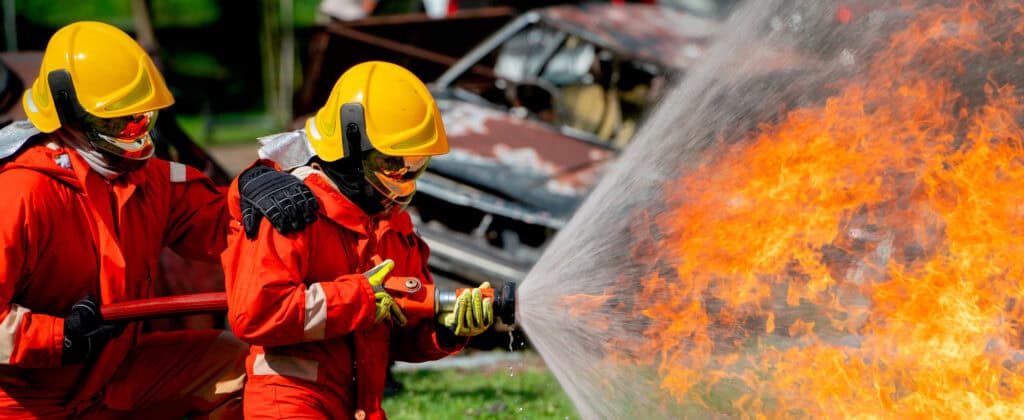
What Should You Do After Being Injured in a Wildfire?
If you have been injured in a wildfire in California, get to safety and seek medical attention immediately. Next, document your injuries and losses, preserve evidence, notify your insurance company, and determine whether someone else may have caused or contributed to the fire. Taking these steps can help protect your health and increase your chances of obtaining compensation for wildfire-related injuries.
| Step | What to Do | Why It’s Important |
| 1 | Evacuate and get to safety | Reduces the risk of further injury and removes you from immediate danger. |
| 2 | Seek medical attention | Allows for the detection and documentation of burns, smoke inhalation, or other injuries. |
| 3 | Document your injuries and losses | Photographs, videos, and receipts help demonstrate the extent of your damages. |
| 4 | Preserve evidence of the fire | This can help determine how the fire started or spread and who might be at fault. |
| 5 | Notify your insurance company | This initiates the claims process and documents the losses you’ve suffered. |
| 6 | Determine who may be liable | Identifying the cause and the parties involved is essential for evaluating your legal options. |
| 7 | Identify the damages you can claim | This allows you to consider both financial losses and the personal consequences of your injuries. |
| 8 | Evaluate your legal options | Deadlines, requirements, and avenues for compensation vary by case. |
Step 1: Evacuate and Get to Safety
If California authorities or CAL FIRE issue an evacuation order, follow it immediately. Your safety comes first. Follow the instructions of emergency personnel, and use designated evacuation routes whenever possible.
If you can do so without delaying your evacuation or putting yourself in danger:
- Take Essential Items: Prioritize identification documents, prescription medications, insurance policies, and other important items.
- Keep Evacuation Records: Save official notifications, hotel bills, and food receipts. Depending on your coverage and case circumstances, you may be able to seek reimbursement for some of these expenses through an insurance claim or legal action against the responsible party.
⚠️ Important Notice: Do not stay in a hazardous area to protect your belongings, and do not return to a property until the authorities say it is safe. Smoke, ash, damaged structures, and other hazards may remain even after the flames are gone.
Step 2: Seek Medical Attention Immediately
Wildfire injuries are not always visible. In addition to burns, smoke exposure can cause coughing, difficulty breathing, chest tightness, headaches, eye and throat irritation, and other health problems.
- Medical Record: Tell the medical staff how and when you were exposed to fire or smoke. Describe any symptoms you have experienced since then. This information will be documented in your medical record.
- Delayed Symptoms: Some physical or psychological effects may not be immediately apparent. If new symptoms develop or existing symptoms worsen, seek medical attention and follow your healthcare provider’s recommendations.
In addition to protecting your health, these records document when your symptoms began and how the exposure occurred. Keep copies of medical reports, diagnoses, prescriptions, bills, and follow-up recommendations.
Step 3: Document Your Injuries and Losses
Once it is safe to do so, thoroughly document the impact of the wildfire. Photographs, videos, and receipts can provide valuable evidence of the nature and extent of your losses.
- Visual Evidence: Take photographs and videos of your injuries throughout the healing process, as well as any damage to your home and vehicles.
- Impact Journal: Keep a daily record of your pain levels, physical limitations, and the emotional impact of the wildfire.
- Non-Medical Expenses: Keep receipts for medications, therapy, medical equipment, and any emergency purchases.
👨⚖️ Advice from the Lawyers at Adamson Ahdoot
An early offer from the insurance company may arrive before the full extent of your injuries, future treatment needs, and other losses is known. Before accepting a final settlement or signing a release of liability, make sure you understand what damages it covers and what rights you may be giving up. Keeping medical records, receipts, photographs, and communications with the insurance company from the beginning can help support your claim.
Step 4: Preserve Evidence Related to the Fire
Preserving evidence related to the fire can help investigators determine how it started and spread. If it is safe to do so, collect the following:
- Alerts and Evacuation Notices: Emergency notifications and official evacuation orders received by text message, email, or other means.
- Initial Visual Records: Photographs, videos, or messages documenting when you first observed fire, smoke, or hazardous conditions.
- Potentially Relevant Conditions: Images of power lines, utility poles, machinery, vegetation, or other visible conditions that may be relevant to determining how the fire started or spread.
- Official Communications: Messages received from utility companies, property owners, or other relevant entities.
- Witnesses and Reports: Contact information for witnesses who saw the fire start and publicly available reports from the official investigation.
Step 5: Report Your Losses to Your Insurance Company
If you have a policy that may cover property damage or other fire-related losses, contact your insurance company and report the loss as soon as possible.
When filing a claim, provide accurate information and keep copies of all documents sent or received. It is also helpful to maintain a file containing:
- Photographs and videos of the damage.
- Medical bills and other expenses related to your injuries.
- Inventories of damaged or destroyed property.
- Receipts for temporary housing and other additional expenses.
- Reports, estimates, and correspondence related to the claim.
- Names and contact information for any adjusters you have spoken with.
When communicating with an adjuster, accurately describe what happened and the losses you suffered. Avoid speculating about the cause of the fire or the full extent of your injuries if that information is unknown.
Keep in mind that your insurance claim and a potential legal action against the responsible party are not necessarily the same. Depending on the circumstances, different sources of coverage or compensation may be available.
Step 6: Determine Who May Be Liable for the Fire
Just because a fire was caused by human activity does not necessarily mean that someone is legally liable. To seek compensation, it is generally necessary to identify who started or contributed to the fire and what legal duties that person or entity may have had. That is why knowing what to do after a wildfire also involves investigating how it started and determining whether another party’s negligence contributed to your losses.
Depending on the circumstances, potentially liable parties may include:
- Electric Utilities: When power lines, utility poles, defective equipment, maintenance issues, or other infrastructure conditions contribute to the start or spread of the fire.
- Property Owners or Businesses: When hazardous conditions on a property or a failure to meet safety obligations contribute to the fire.
- Contractors: When construction work, maintenance, the use of machinery, or other activities cause or contribute to the fire.
- Public Entities: Claims against government entities are subject to special rules, requirements, and deadlines in California.
To establish liability, it may be necessary to review investigation reports, photographs, videos, maintenance records, weather data, witness statements, and other technical documentation.
🏛️ What Does California Law Say About Negligence?
Section 1714 of the California Civil Code establishes the general principle that a person is responsible for both their intentional acts and injuries caused by a failure to exercise reasonable care in managing their person or property.
In wildfire cases, this principle may be relevant when a person’s or entity’s failure to exercise reasonable care contributes to injuries or losses. However, liability will depend on how the fire started, the conduct of the parties involved, and the specific circumstances of the case.
Step 7: Identify the Damages You Can Claim
If negligence or another basis for liability contributed to the fire, those affected may be entitled to recover various types of damages. Depending on the circumstances, recoverable damages may include:
- Medical Expenses: Emergency care, hospitalization, burn treatment, medications, rehabilitation, and related future medical care.
- Lost Income: Wages or other income lost during the recovery period.
- Loss of Earning Capacity: When an injury affects your ability to work or earn income in the future.
- Pain and Suffering: Physical pain and other consequences resulting from your injuries.
- Emotional Distress: Psychological and emotional effects related to your injuries and the wildfire.
- Property Damage: Repair or replacement of homes, vehicles, and other property, when applicable.
- Other Related Expenses: Certain costs associated with temporary housing, transportation, or other losses attributable to the wildfire.
The available compensation will depend on factors such as the nature of your injuries, your documented losses, the cause of the fire, and who is responsible.
Step 8: Evaluate Your Legal Options
Wildfire claims may involve multiple potentially liable parties, insurance companies, and technical questions about how the fire started and spread. Consulting with an attorney can help you understand your legal options and identify potential sources of compensation.
An experienced wildfire lawyer can investigate how the incident occurred, gather evidence, identify liable parties, handle administrative procedures, and negotiate with insurance companies after a claim is filed. Seeking legal advice as soon as possible can help protect your rights and ensure that you do not miss any applicable deadlines.
Filing Deadlines May Be Shorter Than You Expect
1. Personal Injury — General Rule
California Code of Civil Procedure § 335.1 generally provides a two-year statute of limitations for certain personal injury claims arising from another person’s negligence or wrongful conduct.
2. Claims Against Public Entities
If your case involves a public agency or entity, however, significantly shorter deadlines may apply. According to California Government Code § 911.2, a prior administrative claim must be filed within six months after the cause of action accrues in cases involving personal injury or property damage.
Take Control of Your Recovery After a Wildfire
Recovering from a wildfire involves more than just healing from physical injuries. Medical bills, lost income, property damage, and negotiations with insurance companies may affect your financial stability and that of your family for months or even years.
At Adamson Ahdoot LLP, we provide the personalized attention of a boutique law firm and the resources necessary to handle complex claims. Our attorneys will investigate the cause of the fire, identify potentially liable parties, document your losses, and negotiate with insurance companies to pursue the compensation available in your case.
- 100% free and confidential consultation.
- Personalized service in Spanish.
- No upfront attorney fees: We only get paid if we recover compensation for you.
📞 Call (866) 645-4992 today or get a free online case evaluation. Our team is ready to help you understand your options and protect your rights.