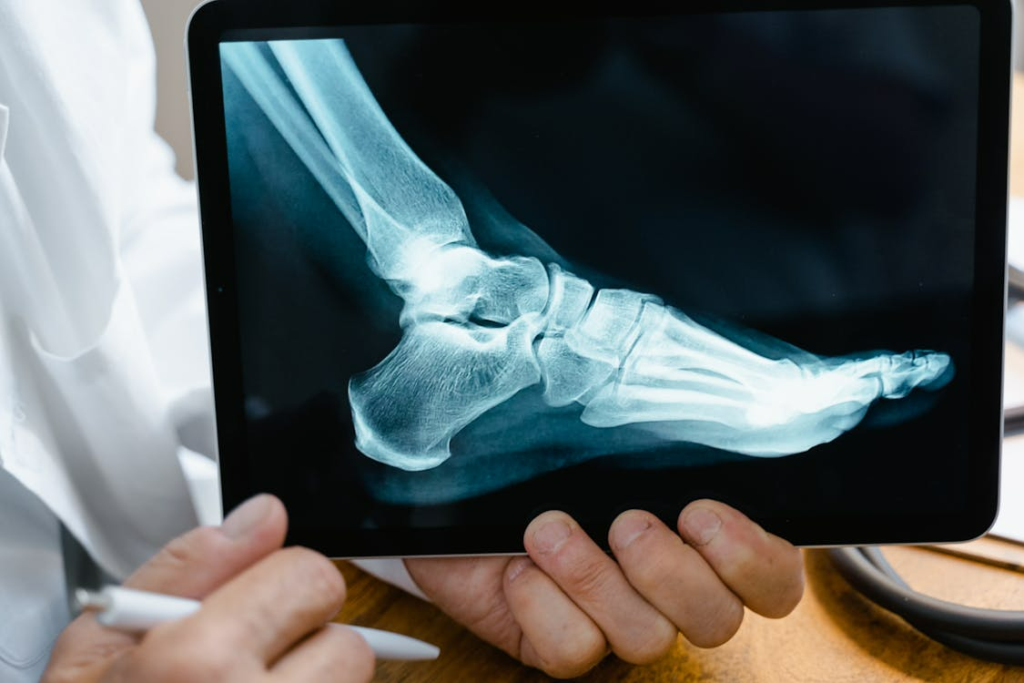
Though most slips and falls result in minor bumps and bruises, some lead to life-altering injuries that affect victims for years or permanently.
Knee injuries from slip-and-fall accidents can be particularly painful and debilitating, leaving victims unable to work, participate in daily activities, or enjoy life as they did before. These injuries often require extensive medical treatment, including surgery, physical therapy, and long-term rehabilitation, creating significant financial burdens alongside physical suffering.
Thankfully, California law entitles victims to compensation when incidents are caused by another person’s or business’s negligence. In California, slip-and-fall knee injury settlements typically range from $10,000 to $50,000. Severe injuries that require surgery or result in permanent limitations may exceed $100,000, depending on the circumstances of the case.
Understanding how to file for a slip-and-fall knee injury settlement ensures your medical expenses, lost wages, pain and suffering, and other losses are properly covered. This comprehensive guide will help you determine average settlement amounts for slip-and-fall knee injuries, explain the factors that influence claim value, and outline the essential steps to pursue maximum compensation.
Not sure how much your slip-and-fall knee injury claim may be worth?
Call Adamson Ahdoot today at (866) 645-4992 for a free review of your case. Our experienced California premises liability attorneys can evaluate your situation, explain your legal rights, and help you understand what compensation you may be entitled to under California law.
The Average Settlement For Slip And Fall Knee Injuries in California
The average settlement for slip-and-fall knee injuries in California typically ranges from $10,000 to $50,000 for minor to moderate injuries. However, severe knee injuries requiring surgery, permanent disability, or long-term rehabilitation can result in settlements exceeding $100,000 or even reaching into the millions of dollars for catastrophic cases.
The wide range in settlement amounts reflects the diverse nature of knee injuries and their varying impacts on victims’ daily lives. For example:
- Minor Sprains: A few weeks of rest and minimal treatment.
- Torn ACL: Surgical reconstruction and six months of intensive physical therapy.
- Shattered Kneecap: Permanent mobility limitations requiring extensive care.
Understanding that these figures are averages can help you set realistic expectations. However, your specific case may fall above or below this range depending on the unique circumstances of your accident. As with other common types of personal injury, settlement values depend on case-specific factors and are highly individualized.
Quick Facts About Slip-and-Fall Knee Injuries
According to the National Safety Council, approximately 47,000 people die each year from falls at home or at work in the U.S. These falls represent 21% of all preventable, injury-related deaths. It is also estimated that 8.8 million people visit emergency rooms annually due to fall-related injuries.
Factors That Determine Slip-and-Fall Knee Injury Settlement Values
Three critical elements determine the value of slip-and-fall knee injury personal injury cases. Understanding these factors helps you and your attorney build the strongest possible claim for maximum compensation.
1. Nature And Severity of The Knee Injury
People who slip and fall may sustain various knee-related injuries ranging from minor muscle strains to fractured kneecaps requiring extensive surgical intervention. The overall severity of the injury determines the baseline value of your claim.
Common Slip-and-Fall Knee Injuries:
- Ligament Tears: ACL, MCL, PCL, or LCL tears requiring surgical reconstruction
- Meniscus Tears: Cartilage damage between the femur and tibia, causing pain and instability
- Fractured Kneecap (Patella): Broken bones requiring immobilization or surgical repair
- Dislocated Kneecap: Patella displacement causing severe pain and requiring repositioning
- Tendon Injuries: Patellar or quadriceps tendon tears, disrupting knee function
- Soft Tissue Damage: Sprains, strains, and contusions to muscles and connective tissues
- Bursitis: Inflammation of fluid-filled sacs cushioning the knee joint
Fractures and ligament tears are significantly more expensive to treat compared to minor injuries involving only soft tissues. Additionally, insurance providers assign greater value to traumas requiring physician treatment, surgery, and extended rehabilitation rather than injuries that heal with rest alone.
Another critical factor is long-term care requirements. Certain accidents leave people severely injured and needing ongoing care, including physical therapy, pain management, assistive devices, and potentially future surgeries. Suppose your physician requires you to undergo therapy lasting for months or predicts you’ll need additional interventions in the future. In that case, the overall value of your claim will increase substantially to account for these future medical expenses.
When filing a settlement claim, compile comprehensive medical files including your doctor’s formal diagnosis, prognosis, treatment plans, and expert opinions about long-term implications. This documentation proves the extent of your injuries and justifies higher settlement demands.
2. Estimated Economic and Non-Economic Damages
Knowing the full extent of damages caused by a slip-and-fall knee injury requires careful analysis of both measurable financial losses and intangible impacts on your quality of life. California law allows you to pursue compensation for two categories of damages: economic and non-economic (also called compensatory damages), plus potentially punitive damages in cases of gross negligence.
Economic Damages (Compensatory):
Economic damages refer to measurable financial losses with specific dollar values:
- Medical Expenses: Emergency room visits, doctor consultations, diagnostic imaging (X-rays, MRIs), surgical procedures, hospital stays, prescription medications, medical equipment (crutches, braces, wheelchairs), and rehabilitation services
- Future Medical Care: Anticipated surgeries, ongoing physical therapy, pain management treatments, and medical monitoring
- Lost Wages: Income lost during recovery when unable to work
- Lost Earning Capacity: Reduced ability to earn income if knee injuries prevent returning to previous employment or require career changes
- Property Damage: Damaged clothing, phones, or other personal items during the fall
Non-Economic Damages:
Non-economic damages address subjective losses without specific price tags:
- Pain and Suffering: Physical pain from the injury and ongoing discomfort during recovery
- Mental and Emotional Distress: Anxiety, depression, PTSD, or psychological trauma from the accident
- Loss of Quality of Life: Inability to participate in activities you previously enjoyed
- Permanent Disability: Compensation for lasting limitations affecting mobility and independence
- Disfigurement: Scarring from surgical procedures or the injury itself
Example: Suppose a knee injury leaves a person temporarily or permanently disabled. In that case, the at-fault party must pay for both immediate medical bills and future lost wages and diminished earning ability. Expert personal injury lawyers understand how to maximize compensation by thoroughly documenting all economic and non-economic damages.
3. Liability and Fault Determination
The liability factor is one of, if not the most important, elements when filing for a slip-and-fall knee injury settlement. You must prove that the property owner or another party is legally liable for your injuries to recover compensation.
Under California’s premises liability law established in California Civil Code Section 1714, property owners owe a duty of care to lawful visitors. They must maintain reasonably safe conditions and either fix hazards or provide adequate warnings about dangers they know about or should have discovered through reasonable inspections.
Elements Required to Prove Premises Liability:
- Duty of Care: The property owner owed you a legal duty to maintain safe premises
- Breach of Duty: The owner violated this duty by allowing hazardous conditions to exist
- Causation: The hazardous condition directly caused your slip and fall
- Damages: You suffered actual injuries and losses from the fall
Suppose you have little to no evidence determining fault. In that case, the overall value of your claim will diminish significantly—regardless of how severe your knee injuries are. Most slip-and-fall knee injury cases rely heavily on premises liability principles.
Example: Suppose the incident occurred in a local grocery store due to poorly maintained floors and a puddle of water from a leaking refrigerator unit. Under those circumstances, you must prove that the grocery store floor was unsafe, the owner knew or should have known about the hazard, and their negligence in addressing the danger led directly to your injuries.
Expert witnesses play a crucial role in establishing liability. This includes safety experts, who can testify about property maintenance standards, and medical experts, who can confirm that your knee injury resulted from the fall rather than from a pre-existing condition.
| Injury Type | Treatment Required | Average Settlement (CA) |
| Minor Sprain | Rest, ice, minimal treatment | $10,000–$20,000 |
| Torn ACL Surgery | + 6 months physical therapy | $50,000–$100,000 |
| Shattered Kneecap | Surgery + long-term rehab | $100,000–$500,000+ |
| Catastrophic Injury | Permanent disability, future care | $500,000–$1,000,000+ |
How to File For A Slip-And-Fall Knee Injury Claim in California
Now that you understand factors affecting settlement values, let’s discuss the essential steps for filing a successful slip-and-fall knee injury claim that maximizes your compensation.
Seek Immediate Medical Care and Documentation
Seek immediate medical attention after your fall, even if knee pain seems minor initially. Some serious knee injuries don’t present full symptoms until hours or days after the initial trauma. Prompt medical evaluation prevents further injury and creates official documentation linking your knee condition to the slip-and-fall incident.
Medical professionals will diagnose your specific knee injury through physical examinations and diagnostic imaging, like X-rays or MRIs. This formal diagnosis becomes crucial evidence proving the nature and severity of your injuries.
Essential Medical Documentation to Collect:
- Emergency room records and admission notes
- Doctor’s formal diagnosis and prognosis
- Treatment plans and recommended procedures
- Prescription records for pain medications
- Physical therapy referrals and progress notes
- Surgical reports if procedures were required
- Medical bills and payment statements
- Expert opinions about long-term prognosis and future care needs
These documents will help you accurately estimate your financial losses and provide concrete evidence during insurance negotiations. We also recommend documenting when and if you returned to work after the incident. Keep in mind that employment disruption can significantly impact the settlement value.
Complete An Official Accident Report
Typically, businesses have established procedures to follow when accidents occur within their premises. After your slip-and-fall incident, contact a store manager, property manager, or other authority figure immediately and request that they file an official accident report.
Critical Information to Include in Accident Reports:
- Exact date and time of the incident
- Precise location where the fall occurred
- Detailed description of the hazardous condition (wet floor, uneven surface, debris, poor lighting, etc.)
- Names and contact information of any witnesses
- Weather conditions if outdoors
- Whether warning signs were present
- Your preliminary description of injuries sustained
Take comprehensive photographs and videos documenting:
- The exact location where you fell
- The hazardous condition that caused your fall (water puddles, ice, uneven flooring, torn carpeting, etc.)
- Lack of warning signs or safety barriers
- Poor lighting or visibility issues
- Your visible injuries immediately after the fall
- Damage to your clothing or belongings
If your injury was caused by wet floors, icy pavements, or a product spill, photograph these hazards from multiple angles before they’re cleaned up or conditions change. This visual evidence becomes invaluable when property owners claim hazards didn’t exist or were adequately addressed.
We also recommend getting the contact details of the store manager or property owner. Also, get the contact information of any witnesses who saw your fall. Witness testimony often plays a key role in disputed liability cases.
Preserve All Evidence Related to Your Fall
Beyond medical records and accident reports, preserve any additional evidence that might support your claim:
- Clothing and shoes you were wearing (torn fabric or damaged soles prove fall severity)
- Receipts or tickets proving you were lawfully on the property
- Photos showing the hazardous condition existed before and after your fall
- Maintenance records (if obtainable) showing the property owner knew about dangers
- Prior incident reports of similar falls in the same location
Important: Avoid discussing your slip-and-fall accident or knee injury on social media platforms, as insurance companies routinely monitor claimants’ accounts. Social media activity can significantly impact your personal injury case by providing ammunition for insurance adjusters to argue your injuries aren’t as severe as claimed.
Find An Experienced Personal Injury Lawyer
One of the best ways to set yourself up for success is to find an experienced personal injury lawyer who specializes in slip-and-fall cases and premises liability claims. Aside from reducing your stress during recovery, legal representation helps you determine whether you have a legitimate case worth pursuing. Additionally, attorneys conduct thorough assessments, ensuring you receive the full compensation you deserve rather than accepting inadequate early settlement offers.
Your personal injury lawyer will investigate your case comprehensively, including:
- Reviewing all medical documentation and consulting with medical experts
- Obtaining property maintenance records and prior incident reports
- Interviewing witnesses who observed your fall or the hazardous condition
- Conducting site inspections to document ongoing dangerous conditions
- Researching whether similar accidents occurred at the same location
- Calculating the complete value of your damages, including future losses
These factors help attorneys build compelling premises liability claims, significantly improving your chances of receiving fair compensation for your losses. Similar to protecting injury claims after rear-end collisions, slip-and-fall cases require meticulous evidence gathering and strategic legal advocacy.
Did You Know?
In California, property owners can be held liable for falls that they did not directly cause. According to premises liability law, failing to warn people about hazards such as wet floors, broken tiles, or poor lighting is enough to hold a property owner liable.
Frequently Asked Questions About Slip-and-Fall Knee Injury Claims
How Much Is a Knee Injury Worth in a Slip-And-Fall Settlement?
Average settlements range from $10,000 to $50,000 for minor to moderate knee injuries, while severe injuries requiring surgery or causing permanent disability can exceed $100,000 or reach into the millions, depending on circumstances.
How Long Do I Have To File a Slip-And-Fall Lawsuit in California?
California Code of Civil Procedure Section 335.1 establishes a two-year statute of limitations for personal injury claims. You must file your lawsuit within two years of the date of your fall.
What if I Were Partially at Fault for My Slip-And-Fall Accident?
California follows pure comparative negligence under California Civil Code Section 1714, meaning you can still recover compensation even if partially at fault. Your percentage of responsibility reduces your damages.
Can I Sue if There Was a “Wet Floor” Warning Sign?
Possibly. Warning signs don’t automatically absolve property owners of liability. If the hazard was unreasonably dangerous, the warning was inadequate, or the owner should have addressed the danger rather than just posting signs, you may still have a viable claim.
How Long Does It Take To Settle a Slip-And-Fall Knee Injury Case?
Simple cases with clear liability and minor injuries may settle within 3-6 months. Complex cases involving severe knee injuries, disputed liability, or inadequate settlement offers may take 1-3 years to resolve through litigation.
What if My Knee Injury Didn’t Appear Until Days After the Fall?
Seek medical attention immediately and inform doctors about your recent fall. Delayed symptoms are common with knee injuries, and medical records documenting this timeline protect your claim from arguments that injuries resulted from other causes.
Do I Need Surgery for My Claim To Be Valuable?
No, surgery isn’t required for valuable claims. However, injuries requiring surgical intervention typically result in higher settlements due to increased medical costs, longer recovery times, and greater impact on quality of life.
Can I Reopen My Case if My Knee Gets Worse After Settling?
Generally no. Settlements include releases waiving future claims related to the accident. This is why consulting attorneys before accepting settlements is crucial—they ensure offers account for potential future complications.
What if the Property Owner Blames Me for Not Watching Where I Was Going?
Property owners commonly use this defense, but it doesn’t automatically defeat your claim. Attorneys can demonstrate that hazards were not reasonably visible, adequate warnings weren’t provided, or the danger was inherently unreasonable regardless of attentiveness.
Will I Have To Go to Court for My Slip-And-Fall Case?
Most slip-and-fall cases settle through negotiations without trial. However, having an attorney prepared to litigate increases settlement offers as property owners recognize the risk of larger jury verdicts.
Real Cases by Adamson Ahdoot
Learn how Adamson Ahdoot has helped California clients successfully recover compensation for slip-and-fall injuries. See below for examples of cases handled by our experienced personal injury attorneys.
$855K Awarded for Broken Tile Injury
- Location: Yogurt Barn in Lakeside, California.
- Injury: Hip and neck trauma
- Settlement: $855,000
- Case Summary: Our client tripped over a broken tile, hitting their hip and neck. Adamson Ahdoot proved negligence and secured a substantial settlement for physical and mental pain.
$325K Negotiated for Panera Bread Coffee Spill Injury
- Location: Panera Bread in Downey, CA
- Injury: Neck, shoulder, lower back, and left knee pain
- Settlement: $325,000
- Case Summary: Our client slipped on spilled liquid while ordering coffee and landed on their back, sustaining multiple injuries. Adamson Ahdoot proved that the business failed to maintain a safe environment and obtained compensation for our client’s injuries.
$216K Mediated Settlement for Target Slip & Fall
- Location: Target, South Bay Pavilion, Carson, CA
- Injury: Knee and back injury
- Settlement: $216,000
- Case Summary: While walking down an aisle, our client slipped on liquid and landed on their knees, experiencing a pulling and popping sensation in their back. Video evidence and the absence of proper inspection logs proved the store’s negligence.
Expert Tips for Maximizing Your Slip-and-Fall Knee Injury Claim
- Document the Accident Scene Immediately: Take multiple photographs and videos from various angles, capturing the hazardous condition that caused your fall, any lighting issues, the lack of warning signs, and the overall condition of the premises. This evidence becomes invaluable when property owners claim hazards didn’t exist or were adequately addressed.
- Follow All Medical Treatment Recommendations: Attend every scheduled appointment, as gaps in treatment give insurance companies ammunition to argue injuries aren’t serious or that you failed to mitigate damages. Consistent medical care creates an unassailable record proving your knee injury requires ongoing attention.
- Keep Detailed Journals: Document daily pain levels, activities you cannot perform, emotional struggles, and how knee injuries affect your life. These personal accounts help juries understand the true impact beyond dry medical records and provide compelling evidence of pain and suffering damages that significantly increase settlement values.
- Never Accept Initial Settlement Offers Without Consulting an Attorney: Early offers almost always significantly undervalue claims. Insurance adjusters know unrepresented claimants typically don’t understand their claim’s true worth and hope to close cases quickly before full injury severity becomes apparent.
- Preserve All Physical Evidence: Keep everything related to your fall, including damaged clothing and shoes. These items demonstrate the severity of your fall. Store these items safely to prevent loss, damage, or discarding. Provide them to your attorney for use in negotiations or at trial.
Why Choose Adamson Ahdoot for Your Slip-and-Fall Knee Injury Case
Slip-and-fall incidents are stressful on their own, and navigating a complex legal process can make recovery even more challenging. With Adamson Ahdoot, you can rely on experienced personal injury lawyers who specialize in slip-and-fall premises liability claims throughout California.
We understand that behind every case is a person dealing with pain, medical bills, lost income, and uncertainty about recovery. Our team proudly serves diverse clients throughout California with their slip-and-fall accident cases, offering free consultations in English and Spanish.
We work exclusively on contingency fees, meaning you pay nothing unless we successfully recover compensation for you—no upfront costs, no hourly billing, no financial risk while you focus on healing.
Do not wait to protect your rights. Contact us today at (866) 645-4992 to schedule your free consultation with experienced slip-and-fall knee injury attorneys who will fight for the maximum compensation you deserve.
References
- California Civil Code Section 1714 (Premises Liability and Duty of Care)
- California Code of Civil Procedure Section 335.1 (Personal Injury Statute of Limitations)
- California Civil Code Section 3333 (Damages for Personal Injury)
- Occupational Safety and Health Administration (OSHA) – Slip, Trip, and Fall Prevention
- National Floor Safety Institute (NFSI) – Premises Safety Standards
- California Courts – Personal Injury Resources
- National Safety Council (NSC) – Slips, Trips, and Falls 2023