Recent investigations have raised new questions about the Eaton Fire: What did Edison know about the fire risks, and what steps did it take to prevent them? How could the latest allegations and evidence affect victims’ lawsuits?
New findings about the devastating Eaton Fire in Southern California have reignited questions about its potential causes and liability. The Los Angeles Times, official investigators, and independent analysts have reported on the condition of Southern California Edison’s (SCE) electrical infrastructure and its wildfire prevention measures.
Among the issues examined are possible electrical arcing near a transmission tower connected to an out-of-service line, vegetation maintenance, and safety warnings received before the fire. For families and property owners affected by the Eaton Fire, understanding these findings and allegations is critical to evaluating legal options and potential claims against SCE.
In light of these revelations, a crucial question remains for victims: Was the fire simply the result of maintenance failures and operational decisions, or did Edison allegedly fail to address earlier warnings?
Have You Suffered Losses From the Eaton Fire? Protect Your Rights
Recent investigations have raised questions about SCE’s potential liability. If you experienced property damage, injury, or loss during the evacuation, consult an attorney before accepting a settlement or giving up your legal rights.
Request a free case evaluation today. You can also call us at (866) 645-4992.
Quick Answer: What Are the New Allegations Against Southern California Edison in the Eaton Fire?
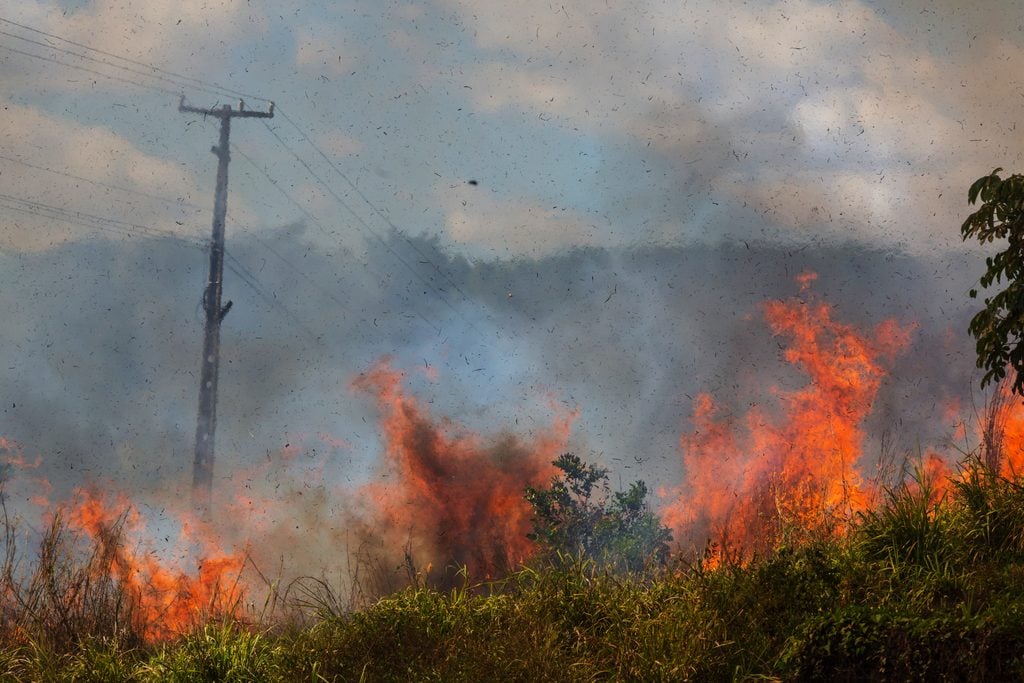
Although SCE has denied any wrongdoing, recent reports have questioned the company’s safety practices and its knowledge of the risks prior to the Eaton Fire on January 7, 2025. Three key issues stand out:
- Allegations by Muddy Waters: The short-selling research firm alleged that SCE had been aware of deficiencies in its wildfire risk assessment models for years yet failed to address them adequately.
- Findings Reported by the Los Angeles Times: The newspaper examined evidence of possible electrical arcing near a transmission tower associated with an out-of-service line, as well as vegetation maintenance practices and decisions to keep certain electrical facilities energized during extreme weather conditions.
- Potential Impact on Lawsuits: These findings could help determine whether SCE acted negligently, what risks the company had identified, and what preventive measures it took before the fire.
What Did the LA Times and Other Investigations Reveal About SoCal Edison?
Since January 2025, news coverage, investigations, and official reports have drawn attention to SCE’s maintenance and wildfire prevention practices. More recent findings have raised additional questions about Southern California Edison’s potential responsibility for the Eaton Fire.
To understand their significance, it is important to distinguish between two issues: infrastructure and safety deficiencies examined in recent investigations, and allegations that emerged in October concerning Edison’s risk assessment practices and prior knowledge of wildfire hazards.
Los Angeles Times Investigation and Infrastructure Reports
In August 2026, the Los Angeles Times published an investigation into the Eaton Fire based on official findings and court documents.
Earlier that month, CAL FIRE and the Los Angeles County Fire Department had identified electrical arcing from out-of-service SCE equipment as the cause of the fire. The newspaper examined the condition of Edison’s electrical infrastructure and its wildfire prevention practices, highlighting four major concerns:
- Deteriorating Safety Equipment and Infrastructure. Court documents revealed potential problems with the grounding systems on the out-of-service Mesa-Sylmar transmission line. These systems were designed to safely conduct electricity induced by nearby energized lines.
- Maintenance of Out-of-Service Lines. Edison retained a transmission line that had not carried electricity since 1971. The investigation examined how the line was maintained and whether electricity induced by nearby lines could have caused electrical arcing.
- Vegetation Management. A court filing indicated that vegetation beneath Tower 208 had not been trimmed since at least 2021. Investigators identified hot metal particles falling from electrical arcs onto dry vegetation as part of the fire’s ignition mechanism.
- Decisions About Public Safety Power Shutoffs (PSPS). SCE kept certain transmission lines energized during the powerful Santa Ana winds on January 7, 2025. Although the company maintained that its internal shutoff criteria had not been met, the decision raised questions about its precautions during extreme weather.
New Allegations From Muddy Waters
In October 2026, Muddy Waters, a short-selling research firm, made new allegations against Edison International and its subsidiary, SCE. According to Reuters, the firm’s analysis raised three significant concerns:
- Deficiencies in Wildfire Risk Models. Muddy Waters alleged that Edison had known about problems with its wildfire risk assessment models for approximately five years, especially regarding their ability to account for extreme wind conditions.
- Prior Knowledge of the Risks. The firm questioned whether Southern California Edison had taken sufficient steps to address these deficiencies and reduce the wildfire risks associated with its electrical infrastructure.
- SCE’s Response. Edison has denied acting negligently and maintains that its operations complied with applicable safety standards.
Key Findings and Potential Legal Implications
These findings and allegations could have important legal implications for lawsuits involving SCE and the Eaton Fire.
| Issue Investigated | Findings or Allegations | Potential Legal Significance |
|---|---|---|
| Electrical Infrastructure | Evidence of electrical arcing involving an out-of-service transmission line. | Could help determine whether the infrastructure was properly maintained and safe. |
| Vegetation Management | Potential failures to clear vegetation near electrical transmission equipment. | Could help assess whether combustible vegetation contributed to the fire’s ignition or spread. |
| Prior Safety Warnings | Documents and reports raising questions about SCE’s prior knowledge of electrical and safety hazards. | Could help establish what risks SCE knew about before the fire and what precautions it took. |
| Public Safety Power Shutoffs | Questions about the decision to keep certain electrical facilities energized during powerful Santa Ana winds. | Could help assess whether Edison took reasonable precautions under extreme weather conditions. |
| Wildfire Risk Assessment Models | Allegations that SCE knew about deficiencies in its risk assessment models but failed to adequately address them. | Could be relevant to determining whether the risks were foreseeable and whether SCE acted negligently. |
Note: Published findings and allegations alone do not conclusively establish negligence, causation, or legal liability.
Did SCE Know About Wildfire Risks Before the Eaton Fire?
Southern California Edison had a history of safety concerns involving its electrical infrastructure before the Eaton Fire on January 7, 2025. Over the years, the company had faced incidents, regulatory actions, and warnings about conditions that could increase the risk of wildfires.
In light of these new revelations, the focus is no longer solely on what happened the day of the fire. It also extends to what SCE knew in the months and years leading up to the disaster and what steps it took to prevent it.
Several factors could help assess what Edison knew before the fire:
- The California Public Utilities Commission (CPUC) had cited SCE for electrical safety issues related to previous wildfires.
- Court documents describe incidents of electrical induction on de-energized lines in 2007 and 2018.
- Forecasts of powerful Santa Ana winds warned of particularly dangerous conditions before January 7, 2025.
- Muddy Waters alleged that SCE had known about deficiencies in its wildfire risk assessment models for approximately five years.
Taken together, these factors may help determine what risks Edison was aware of before the fire and what precautions the company took. While they do not prove liability, they may be relevant when assessing potential negligence.
Could the New Evidence Strengthen Eaton Fire Lawsuits Against Edison?
Yes, of course! The latest Eaton Fire findings and allegations could particularly strengthen certain claims against SCE. However, their legal significance depends on what can be proven in each case. Published reports and accusations alone are insufficient to establish liability.
Under California law, this information could be relevant to several aspects of a claim:
- Breach of Duty of Care.
Alleged maintenance deficiencies could help establish whether Edison failed to take reasonable safety precautions.
- Foreseeability of Risk.
Prior warnings could suggest that the company knew about certain hazards and that the fire was not entirely unforeseeable.
- Civil Liability and Regulatory Consequences.
Potential regulatory actions by the CPUC and the operation of the Wildfire Fund are separate from civil lawsuits seeking damages.
- Settlement Negotiations.
New evidence could influence negotiations with SCE and the assessment of potential compensation.
Ultimately, these revelations could provide additional support for certain claims, but they do not, on their own, constitute a court finding of liability against Edison.
💡 Did You Know? Two Key Eaton Fire Claim Deadlines
November 30, 2026 — SCE Compensation Program
This is the announced deadline to apply for compensation through Southern California Edison’s voluntary program. Signing a settlement agreement could mean giving up the right to bring future lawsuits against the company.
January 7, 2027 — Personal Injury Lawsuits
California’s general two-year statute of limitations may expire on this date for individuals injured during the Eaton Fire. Different deadlines or exceptions may apply, depending on the circumstances.
Understand the differences between Edison’s compensation program and civil lawsuits before accepting an offer or signing a settlement agreement. Call (866) 645-4992 or speak with the wildfire lawyers at Adamson Ahdoot to discuss your case.
What Should Eaton Fire Victims Do After These New Developments?
1. Preserve Evidence and Document Your Losses.
Save photographs, videos, evacuation receipts, repair estimates, medical bills, and proof of lost income.
2. Handle Your Property Insurance Claim Carefully.
Report the damage to your insurer, keep records of written communications, and review any settlement offer before accepting it.
3. Read the Fine Print.
Carefully review any offers from Edison and potential waivers of your legal rights before signing an agreement.
4. Stay Informed About New Investigations.
Keep relevant reports and updates about SCE that could help support your claim.
5. Watch Important Deadlines.
Check the deadlines for SCE’s compensation program and filing lawsuits, as different time limits may apply depending on the type of claim.
6. Consult an Experienced Attorney.
Seek legal advice to assess your losses, review available evidence, and learn about your legal options.
FAQs About the Latest Eaton Fire Allegations Against SCE
Not yet, at least not through a final court ruling. Official investigations identified electrical arcing involving SCE equipment as the cause of the fire. However, determining civil liability is a separate legal matter, and claims may be resolved through settlements.
Not necessarily. While these revelations could provide important evidence of SCE’s prior knowledge of wildfire risks, allegations alone do not establish negligence. The applicable legal requirements must still be proven.
Yes, depending on the circumstances and applicable deadlines. California’s general statute of limitations for personal injury lawsuits is two years. For injuries sustained on January 7, 2025, that deadline could fall on January 7, 2027. However, exceptions may apply, including when injuries are discovered later.
Generally, submitting an application does not waive your right to sue. However, accepting a settlement payment and signing a release may require you to give up future legal claims against SCE. Consult a lawyer before signing any agreement.
Potentially. Evidence showing that Edison knew about certain wildfire risks and failed to take reasonable precautions could strengthen victims’ positions during settlement negotiations. However, compensation depends on the facts, damages, and legal circumstances of each claim.
Have You Suffered Losses From the Eaton Fire? Discuss Your Case With an Attorney
The latest findings and allegations involving SCE could have significant implications for victims of the Eaton Fire.
If you, your family, or your business incurred losses due to the fire, it is crucial to take action before the legal deadlines expire. An experienced wildfire attorney can help you understand how these developments may affect your claim.
Do not wait to protect your rights. Call us at (866) 645-4992 or contact our Eaton Fire specialists today for a free case evaluation.