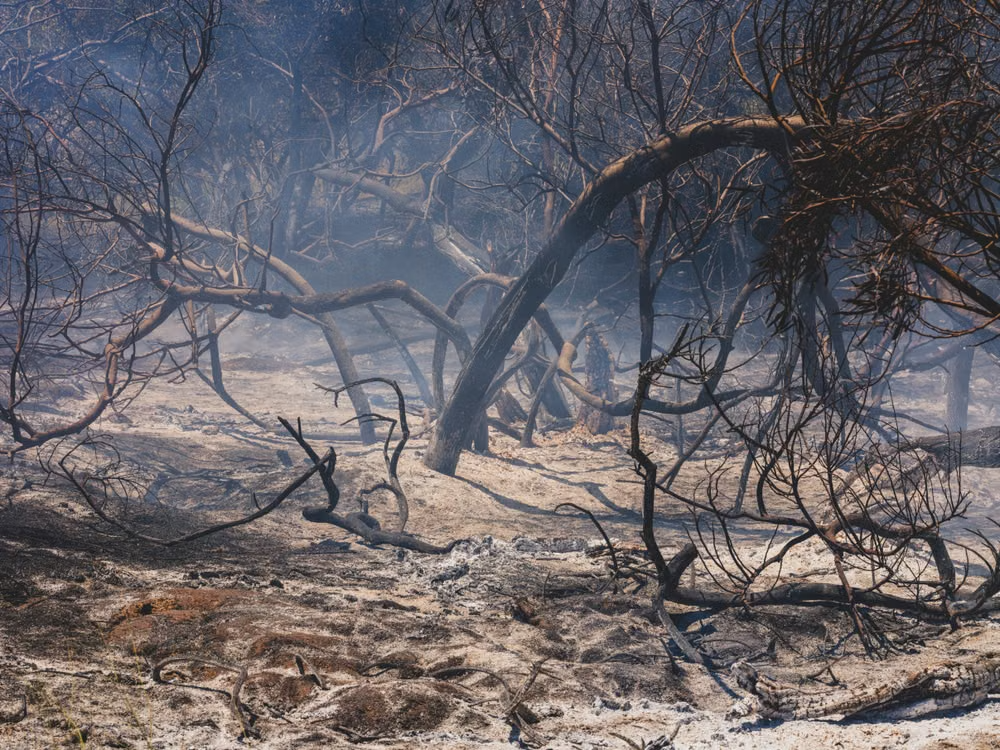
Even when a home remains standing, wildfires can cause significant property damage. Burned trees, damaged soil, and erosion risks can leave property owners with costly restoration work and long-term losses.
In California, affected property owners may be able to pursue compensation through a wildfire land damage claim if a negligent third party is responsible for the fire.
Was Your Land Damaged by a California Wildfire?
Even if your home survived, you may be entitled to compensation for damage to your land, trees, or soil. Contact Adamson Ahdoot at (866) 645-4992 for a free case evaluation.
Quick Answer: Can You File a Wildfire Claim If Only Your Land Was Damaged?
Yes. California property owners may file a claim for wildfire-related land damage even if their homes were not affected. Losses involving burned trees, vegetation, soil contamination, erosion, and restoration costs may qualify for compensation if a third party was negligent and caused the wildfire. However, eligibility depends on proving liability and documenting the damage.
Why Wildfire Damage Can Extend Far Beyond Buildings
When people think about wildfire property damage, destroyed homes often come to mind first. Yet a wildfire can cause substantial harm to a property without flames ever reaching the primary structure.
Fire may destroy mature trees, orchards, landscaping, grazing land, or other vegetation. Intense heat can also compromise the integrity of the soil, increasing the risk of erosion. Ash and debris may introduce contaminants requiring testing or remediation. On hillsides, the loss of vegetation can leave land vulnerable to runoff, flooding, landslides, and debris flows long after the fire is contained.
California’s post-fire recovery programs address the risks posed by major wildfires, including contaminated soil, erosion, hazardous trees, and other land-related consequences.
Even if their homes survive, property owners affected by a wildfire may have legal options if it was caused by the negligence of a utility company, contractor, landowner, equipment manufacturer, or other third party.
Adamson Ahdoot’s California wildfire attorneys can investigate the cause of the fire, assess property damage, and help determine which losses may support a compensation claim.
What Types of Land Damage Can a Wildfire Cause?
Wildfire can alter a property in ways that are not immediately apparent from looking at the home.
Scorched Acreage and Vegetation
Fire may destroy grassland, agricultural acreage, native vegetation, ornamental landscaping, orchards, and other plant life. The consequences can vary depending on how the land was used before the fire.
For agricultural or income-producing land, vegetation loss may also interfere with operations. Residential property owners may face substantial costs to replace established landscaping or restore damaged acreage.
Soil Damage and Contamination
Wildfire soil damage can extend beyond visible ash, affecting soil quality and potentially requiring environmental testing or remediation.
California’s wildfire debris removal program notes that substances including lead, mercury, arsenic, and other contaminants may remain in ash or soil after structures and household materials burn. State cleanup procedures can include soil testing and removal where contamination exceeds applicable cleanup goals.
The nature of the risk depends on what burned and the characteristics of the property. Owners should rely on qualified environmental professionals rather than assuming all scorched soil is contaminated.
Erosion and Runoff
Loss of vegetation can leave soil exposed to rainfall and runoff. California’s post-fire research recognizes that wildfire can increase surface runoff, soil erosion, and sediment movement.
These consequences can create additional restoration needs even when a structure was untouched.
Can You Recover Compensation If Your House Did Not Burn?
Potentially, yes.
California Health and Safety Code § 13007 provides that a person who willfully, negligently, or unlawfully sets a fire, allows one to be set, or allows a fire they attended or kindled to escape onto another person’s property can be liable for the resulting damage.
The statute does not limit property damage to a destroyed building.
A legal action involving wildfire damage without structural loss may therefore focus on the land itself, provided the property owner can establish the necessary legal elements and link the resulting losses to the responsible third party.
Depending on the circumstances, recoverable losses may involve:
| Type of Damage | Potential Compensation |
|---|---|
| Soil damage | Environmental testing, remediation, and soil restoration |
| Trees and vegetation | Treatment, removal, replacement, or restoration |
| Erosion and runoff | Reasonable stabilization and erosion-control costs |
| Debris and damaged improvements | Debris removal, fencing repairs, and other qualifying repairs |
| Loss of use | Documented losses associated with restricted property use |
| Land restoration | Other reasonable and legally recoverable restoration expenses |
The appropriate measure of damages depends on the facts and applicable California law. Restoration costs should not simply be assumed to equal the legal value of a claim.
A California wildfire attorney can collaborate with property and environmental experts to identify legally supportable damages and document their value. For a broader overview of recoverable losses, see our guide to wildfire property damage claims in California.
How Can Wildfire Damage Affect Soil?
Fire can affect soil differently depending on burn severity, vegetation, terrain, weather, and land use. One significant concern is erosion.
The California Geological Survey explains that wildfire can reduce vegetation and alter soil properties, substantially increasing rainfall runoff in steep terrain. During storms, soil, ash, rocks, and other debris can move downhill and threaten nearby properties.
These hazards can persist for years after a wildfire. According to California’s burned-watershed assessments, typical watershed recovery takes two to five years. However, some areas may require considerably longer for vegetation and root systems to recover.
Why Future Erosion Costs May Matter
Imagine a hillside property where the dense vegetation burns, but the home survives. While the initial damage may appear limited, subsequent rainfall could trigger runoff, soil erosion, sediment movement, or slope instability.
These risks may increase restoration costs, especially when additional work is needed to stabilize the soil and prevent further damage.
California’s post-fire mitigation programs identify soil stabilization, reforestation, erosion prevention, drainage improvements, and debris traps as possible solutions to these risks.
Can You Claim Compensation for Damaged Trees and Vegetation?
Potentially. Trees and established vegetation can represent significant property value, particularly when they provide privacy, shade, erosion control, agricultural production, or other benefits.
An arborist or another qualified expert can help assess the damage and estimate the cost of treating or replacing affected trees.
An assessment can consider:
- Species and type of vegetation
- Age and maturity
- Pre-fire health and condition
- Burn severity
- Likelihood of survival
- Treatment requirements
- Removal costs
- Replacement or restoration needs
Not every burned tree is necessarily dead. Conversely, some trees that initially remain standing may later become hazardous because of fire damage.
California’s wildfire cleanup programs use qualified arborist assessments to identify certain fire-damaged trees that present safety risks.
Under California law, property owners may seek compensation for qualifying tree and vegetation losses caused by a negligently spread wildfire. However, the California Supreme Court clarified in Scholes v. Lambirth Trucking Co. (2020) that Civil Code § 3346 does not provide enhanced damages for tree injuries resulting from negligently spread fires.
For this reason, property owners should document damaged trees before removing them, unless immediate removal is necessary for safety.
How Can Environmental Degradation Affect a Wildfire Claim?
Environmental degradation can complicate wildfire land damage, particularly when fires disrupt drainage, soil stability, surface water, vegetation, and wildlife habitats.
The California State Water Resources Control Board notes that post-fire runoff can carry fertilizers, herbicides, debris, and other substances into waterways, potentially affecting water quality and surrounding ecosystems.
However, widespread environmental damage does not automatically qualify a property owner for compensation. In a third-party liability claim, owners must generally demonstrate how the wildfire impacted their property specifically and document their resulting losses.
Depending on the circumstances, attorneys may work with specialists such as:
- Environmental consultants
- Soil scientists
- Geotechnical engineers
- Arborists
- Hydrologists
- Property appraisers
- Agricultural experts
These professionals can help assess environmental damage, determine restoration needs, and provide evidence to support a claim.
How Is Wildfire Land Damage Valued?
There is no single formula for calculating wildfire damage to land. The value of a claim depends on factors such as the type of property, extent of the damage, reasonable restoration costs, changes in market value, and potential income losses.
Restoration Costs
Experts can estimate what it reasonably costs to restore damaged land. Depending on the circumstances, this might involve soil remediation, erosion controls, vegetation restoration, tree work, or environmental testing.
Diminished Property Value
Some wildfire damage may affect the market value of a property even after immediate cleanup or repairs.
An appraiser can compare a property’s value before and after a wildfire, taking into account the severity of the damage and any long-term effects.
Loss of Use or Income
Agricultural, commercial, or other income-producing properties may suffer financial losses when wildfire damage disrupts normal operations.
Business records, agricultural reports, and financial statements can help document these losses and support a claim for compensation.
However, not every restoration expense is automatically recoverable. The appropriate measure of damages depends on the case’s circumstances and applicable California law.
What Evidence Can Strengthen a Wildfire Land Damage Claim?
Strong documentation can help you establish the extent of the wildfire damage and its financial impact. It can also help you prove the connection between the fire and the responsible party.
Begin collecting evidence as soon as it is safe to access your property. Useful records may include:
- Pre-fire and post-fire photographs
- Videos of burned acreage
- Property surveys and maps
- Environmental testing results
- Soil reports
- Arborist evaluations
- Tree and landscaping inventories
- Agricultural records
- Restoration estimates, receipts, and invoices
- Property appraisals
- Fire investigation reports
- Records identifying the suspected source of ignition
Photographs taken before cleanup are especially useful. Once burned vegetation is cleared, contaminated soil is removed, or erosion-control measures are installed, reconstructing the original extent of the damage may become more difficult.
For additional guidance, see Adamson Ahdoot’s resource on preserving wildfire evidence after a fire.
When Should You Contact a Wildfire Attorney?
Consider seeking legal advice when your land sustained significant wildfire damage, and evidence indicates that a utility, contractor, private property owner, equipment manufacturer, or another third party may have caused the fire.
Seeking legal advice early may be particularly helpful when:
- Large areas of your property burned.
- Mature trees or valuable vegetation were destroyed.
- Soil contamination is suspected.
- Your property faces erosion or debris-flow risks.
- Agricultural or income-producing land was affected.
- Professional restoration will be costly.
- The responsible party disputes the extent or cause of your damage.
An attorney can investigate the cause of the fire, help preserve evidence, coordinate expert assessments, and evaluate which property losses may qualify for compensation.
Filing deadlines also matter. Learn more about wildfire lawsuit deadlines in California to understand why seeking legal advice early can be important.
Expert Tips for Documenting Wildfire Land Damage
1. Photograph the Property Before Major Cleanup. Take wide-angle and close-up photographs of the burned area, trees, slopes, fences, and visible soil damage. Include recognizable landmarks to help identify where the damage occurred.
2. Assess Soil Conditions Before Beginning Restoration. Burned soil may require more than reseeding. If erosion, runoff, or contamination is suspected, consult a qualified professional before making significant changes to the property.
3. Record the Condition of Damaged Trees. Note their location, approximate size, species if known, and visible damage. An arborist can help determine whether mature trees need treatment, removal, or replacement.
4. Monitor the Property After Rainfall. Erosion, drainage problems, and slope instability may develop weeks or months after the fire. Take dated photographs and document any changes.
5. Keep Detailed Records of Restoration Expenses. Organize estimates, invoices, and receipts by category, including soil treatment, vegetation restoration, erosion control, and environmental testing. These records can help demonstrate the financial impact of the damage.
Frequently Asked Questions
Yes. You may file a claim against a responsible third party for damage to land, trees, soil, landscaping, fencing, and other property, even if your home remains intact.
Reasonable restoration costs may be recoverable, depending on the extent of the damage, supporting evidence, and applicable California law.
Yes, if burning causes demonstrable harm. Wildfires can affect soil stability, contamination levels, erosion risks, and land use. Professional assessments can help determine the extent of the damage.
You may be eligible for compensation for damaged or destroyed trees. The value of the trees depends on factors such as species, condition, replacement costs, and the impact on your property.
Erosion can develop after subsequent rainfall. If the damage can be linked to the wildfire and a responsible third party, it may be considered when evaluating your claim.
Not always. However, testing may be necessary when soil, ash, or water contamination is suspected. A qualified environmental professional can recommend the appropriate assessments.
Depending on the damage, arborists, environmental consultants, soil scientists, engineers, appraisers, hydrologists, and agricultural specialists may help assess your losses.
Protect Your Right to Compensation for Wildfire Land Damage
Your home may have survived the wildfire, but the damage to your land could still result in significant financial losses. Burned trees, damaged soil, and erosion risks can lead to expensive restoration work and long-term property issues.
If a third party was negligent and caused the fire, you may be entitled to compensation. The California wildfire attorneys at Adamson Ahdoot can investigate liability, assess your losses, and help you pursue a land damage claim resulting from the wildfire.
Call Adamson Ahdoot at (866) 645-4992 or request a free case evaluation to discuss your case and learn about your legal options.
References
- California Legislative Information: California Health and Safety Code § 13007
- California Legislative Information: California Civil Code § 3346
- California Geological Survey: Burned Watershed Geohazards
- California State Water Resources Control Board: 2025 Los Angeles Wildfire Recovery and Watershed Protection
- CalRecycle: Wildfire Debris Removal and Recovery Operations
- California Governor’s Office of Emergency Services: Post-Fire Hazard Mitigation Program
- California Board of Forestry and Fire Protection: Post-Fire Salvage Logging and Soil Erosion Report
- California Supreme Court: Scholes v. Lambirth Trucking Co. (2020)