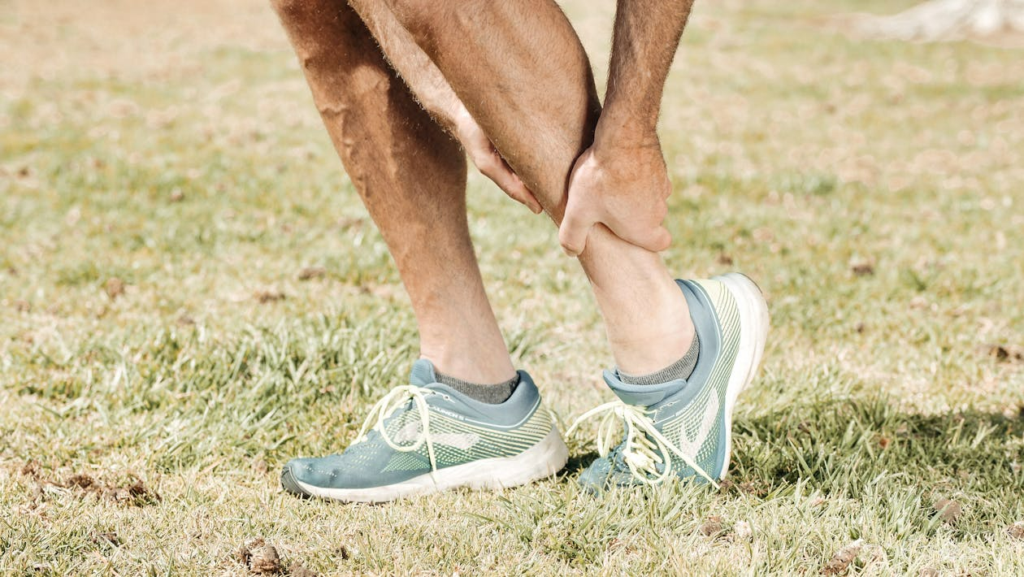
High-contact sports like football, boxing, basketball, hockey, and soccer have become increasingly scrutinized as medical research reveals the devastating long-term consequences of repeated athletic trauma. According to the National Safety Council (NSC), in 2021, nearly 3 million people were treated in emergency departments for sports-related injuries.
For decades, the sports industry downplayed the seriousness of athletic injuries, particularly traumatic brain injuries affecting players at all levels from youth leagues through professional competition. Players were encouraged to “shake it off” and return to play despite showing clear concussion symptoms. Coaches, teams, and leagues prioritized winning over player safety, and liability waivers signed before participation seemed to shield organizations from accountability for even the most egregious safety failures.
This guide examines when California law allows injured athletes to sue for sports-related injuries despite assumption of risk doctrines and liability waivers, explains the legal exceptions that create liability for gross negligence and intentional harm, identifies potentially liable parties beyond opposing players, and outlines the compensation available for victims of sports injuries caused by negligence or misconduct.
Key Takeaways
- California’s assumption-of-risk doctrine acknowledges that sports participants accept inherent dangers but doesn’t eliminate all liability for injuries.
- Gross negligence, intentional harm, reckless conduct, and behavior outside the normal scope of play create exceptions allowing sports injury lawsuits.
- Liability waivers don’t protect organizations from claims involving gross negligence, faulty equipment, or inadequate safety measures.
- Athletes can sue coaches, teams, equipment manufacturers, facility owners, and medical staff when their negligence causes injuries.
- California provides two years from the date of injury to file personal injury lawsuits, making immediate legal consultation essential to preserve claims.
- Working with an experienced Los Angeles personal injury lawyer helps athletes navigate the complex world of sports injury law and maximize their compensation.
Understanding Common Sports Injuries
Before examining when lawsuits are possible, it’s important to understand the types of injuries athletes commonly suffer and their potential long-term consequences.
Strains and Sprains
Strains and sprains are the most common types of athletic injury, though they can vary dramatically in severity. Sprains involve damage to ligaments, which are tough bands of tissue that connect bones at joints. Strains affect muscles or the tendons that attach muscles to bones.
While many strains and sprains heal with rest, ice, compression, and elevation (the RICE protocol), severe cases require surgical repair and extensive rehabilitation. Complete ligament tears, such as ruptures of the anterior cruciate ligament (ACL) in the knee, can end athletic careers and cause permanent joint instability. Severe muscle strains may result in chronic weakness and reduced range of motion.
Athletes experiencing unbearable pain, significant swelling, inability to bear weight, numbness, or tingling in affected areas should seek immediate medical evaluation. These symptoms may indicate severe damage requiring prompt treatment to prevent permanent disability.
Fractures and Dislocations
Bone fractures range from hairline stress fractures to compound breaks where bones pierce through skin. Contact sports create risks for impact fractures from collisions, while overuse in sports like running can cause stress fractures from repetitive strain.
Severe fractures may lead to complications, including permanent deformity if bones heal improperly, chronic pain and arthritis in affected joints, nerve damage causing numbness or paralysis, infection in compound fractures, and reduced range of motion, limiting athletic performance.
Dislocations occur when bones meeting at joints separate from their normal positions. Shoulders, fingers, and knees commonly dislocate in contact sports. While some dislocations reduce spontaneously or with minimal intervention, severe cases damage surrounding ligaments, tendons, blood vessels, and nerves, requiring surgical repair.
Overuse Injuries: Tennis Elbow and Similar Conditions
Repetitive motion injuries develop gradually from overuse rather than acute trauma. Tennis elbow (lateral epicondylitis) exemplifies this category, causing pain and tenderness on the outside of the elbow from repetitive arm motions, straining forearm tendons.
Despite its name, tennis elbow affects athletes in many sports, including baseball, golf, racquetball, and weightlifting. Similar overuse conditions include rotator cuff tendinitis in baseball pitchers and swimmers, shin splints in runners, and stress fractures from excessive training without adequate recovery.
These injuries often result from inadequate coaching, excessive practice demands, or pressure to compete despite pain. When coaches or organizations push athletes beyond safe limits or fail to provide adequate rest and recovery time, their negligence may create liability.
Concussions and Traumatic Brain Injuries
Concussions represent one of the most dangerous and misunderstood sports injuries. These traumatic brain injuries occur when blows, jolts, or impacts to the head cause the brain to move rapidly inside the skull, damaging brain cells and creating chemical changes affecting brain function.
Common concussion symptoms include headaches and pressure in the head, confusion and difficulty concentrating, memory problems and amnesia, dizziness and balance issues, nausea and vomiting, sensitivity to light and noise, and mood changes, including irritability and depression.
Contact sports like football, hockey, boxing, soccer, and rugby create the highest concussion risks. While helmets provide protection, they don’t eliminate concussion risks. Football players, for example, experience an average of 15 head impacts per game, with cumulative effects building over seasons and careers.
The greatest danger comes from repeated concussions. Athletes who return to play before fully recovering from initial concussions face dramatically increased risks of second impact syndrome—a rare but often fatal condition where a second concussion occurs before the first heals. Additionally, sustaining multiple concussions throughout athletic careers significantly increases the risks of long-term brain damage and degenerative conditions like chronic traumatic encephalopathy.
Chronic Traumatic Encephalopathy (CTE)
CTE is a degenerative brain disease found in athletes, military veterans, and others with histories of repetitive brain trauma. Unlike acute injuries that heal over time, CTE progressively worsens, causing devastating cognitive, behavioral, and emotional symptoms.
CTE symptoms typically don’t appear until years or decades after the brain trauma occurred, making it particularly insidious. Early symptoms include memory loss and confusion, impaired judgment and difficulty planning, impulse control problems, aggression and explosive behavior, depression and suicidal thoughts, and progressive dementia.
Currently, CTE can only be definitively diagnosed through brain examination after death. Researchers examining the brains of deceased NFL players found CTE in 99% of brains donated for study, revealing the epidemic nature of this condition among professional football players.
High-profile CTE cases include Junior Seau, who died by suicide at age 43 with severe CTE; Dave Duerson, who also died by suicide and specifically requested his brain be studied for CTE; Chris Henry, who died at 26 with brain damage typical of elderly dementia patients, and countless other athletes whose lives were destroyed by degenerative brain disease caused by sports-related head trauma.
The prevalence of CTE among athletes raises serious questions about whether sports organizations, leagues, coaches, and medical staff who knew or should have known about concussion dangers bear liability for failing to protect players adequately.
California’s Assumption of Risk Doctrine in Sports
California law recognizes that sports participation involves inherent dangers that participants voluntarily accept. The “assumption of risk” doctrine affects when injured athletes can sue for sports injuries.
What Is Assumption of Risk?
Assumption of risk is a legal defense asserting that individuals who voluntarily participate in activities with known dangers cannot sue for injuries resulting from those inherent risks. By choosing to participate, athletes acknowledge and accept the possibility of harm from dangers intrinsic to the sport itself.
For example, a football player assumes the risk of being tackled during games since tackling is fundamental to football. A boxer assumes the risk of being punched since punching is the sport’s core activity. A skier assumes the risk of falling since falling is an inherent possibility in skiing.
California courts distinguish between the primary assumption of risk and the secondary assumption of risk. The primary assumption of risk applies to inherent sport dangers and bars liability entirely. Secondary assumption of risk involves unreasonable risks created by negligence and may reduce but not eliminate compensation based on comparative fault.
Inherent Risks vs. Negligently Created Risks
In sports injury cases, the critical distinction lies between inherent risks and risks created by negligence or misconduct. The assumption of risk doctrine only protects defendants from liability for injuries caused by inherent dangers of the sport, not negligently created dangers.
Inherent risks are dangers that cannot be eliminated without fundamentally changing the sport’s nature. In football, being tackled during plays represents an inherent risk. In baseball, being struck by a batted ball represents an inherent risk for fielders. Similarly, in hockey, being checked against the boards is an inherent risk.
Negligently created risks are unnecessary dangers resulting from someone’s failure to exercise reasonable care. These risks exist beyond and apart from the sport’s inherent dangers. Examples include faulty equipment that fails during use, poorly maintained playing surfaces with dangerous hazards, inadequate supervision allowing dangerous play to continue, failure to enforce safety rules designed to protect players, and returning concussed players to games before medical clearance.
When injuries result from negligently created risks rather than inherent sport dangers, assumption of risk doesn’t bar liability. This distinction allows many sports injury lawsuits to proceed despite the general assumption of risk doctrine.
Exceptions to Assumption of Risk
California courts recognize several important exceptions where assumption of risk doesn’t prevent injured athletes from suing. These exceptions create pathways for compensation when injuries result from conduct exceeding the normal risks of sports participation.
Gross Negligence
While ordinary negligence in the heat of competition may not create liability, gross negligence exceeds acceptable risk levels even in sports contexts. Gross negligence involves extreme departure from reasonable care standards, demonstrating reckless disregard for participant safety.
Examples in sports contexts include coaches forcing injured players to compete despite obvious serious injuries, organizations using equipment known to be dangerously defective, deliberately ignoring safety rules designed to prevent serious harm, creating dangerous conditions far exceeding normal sport risks, and continuing practices or competitions in obviously unsafe conditions like severe weather.
Gross negligence claims frequently succeed against coaches who push athletes beyond safe limits, teams that ignore concussion protocols, and organizations that prioritize winning or profits over player safety. Similar to other contexts where assault and wrongful conduct cause serious harm, gross negligence in sports can result in substantial liability.
Intentional Harm and Foul Play
Assumption of risk never protects individuals who intentionally injure others or engage in conduct clearly outside the rules designed to make sports safer. When players, coaches, or others deliberately cause harm or engage in egregious foul play with the intent to injure, they face both civil liability and potentially criminal charges.
These include players deliberately targeting opponents’ heads with illegal hits designed to cause injury, coaches instructing players to injure opposing team members, fights and assaults occurring outside normal gameplay, using prohibited techniques known to cause serious injury, and deliberately using prohibited substances or equipment to gain an unfair and dangerous advantage.
Courts recognize that sports involve aggressive play and occasional rule violations. A football player who commits ordinary holding or pass interference hasn’t engaged in intentional harm that creates liability. However, a player who deliberately targets another player’s knee with a helmet strike, intending to end their career, has crossed the line into intentional harm and is not protected by the assumption of risk doctrine.
Reckless or Irrational Behavior
Conduct that is so reckless or irrational that it falls completely outside the range of ordinary athletic competition creates liability despite the assumption of risk. This category captures behavior that no reasonable participant would expect or consent to through sports participation.
These scenarios include players attacking opponents with equipment as weapons, engaging in violence completely unrelated to gameplay, exhibiting behavior demonstrating complete disregard for others’ safety, and actions so far outside normal sports conduct that participants couldn’t have assumed such risks.
The key question courts examine is whether the defendant’s conduct was “so reckless as to be totally outside the range of the ordinary activity involved in the sport.” If yes, the assumption of risk doesn’t apply, and the injured athlete can pursue compensation.
Injuries Outside the Scope of Play
The assumption of risk doctrine only applies to injuries that occur during active participation in sports. Therefore, injuries that occur outside of gameplay or practice do not fall under the doctrine, even if they happen at sports facilities or involve athletes.
Examples include assaults in locker rooms unrelated to sports activities, injuries from dangerous facility conditions such as broken stairs or slippery floors, accidents during travel to or from games, and injuries from defective equipment during non-play activities. Similar to carnival ride accidents, these include injuries from dangerous recreational facilities at sports venues.
The Role of Liability Waivers in Sports
Most organized sports require participants or their guardians to sign liability waivers before participation. Understanding these documents and their legal implications is crucial for anyone considering sports injury claims.
What Are Liability Waivers?
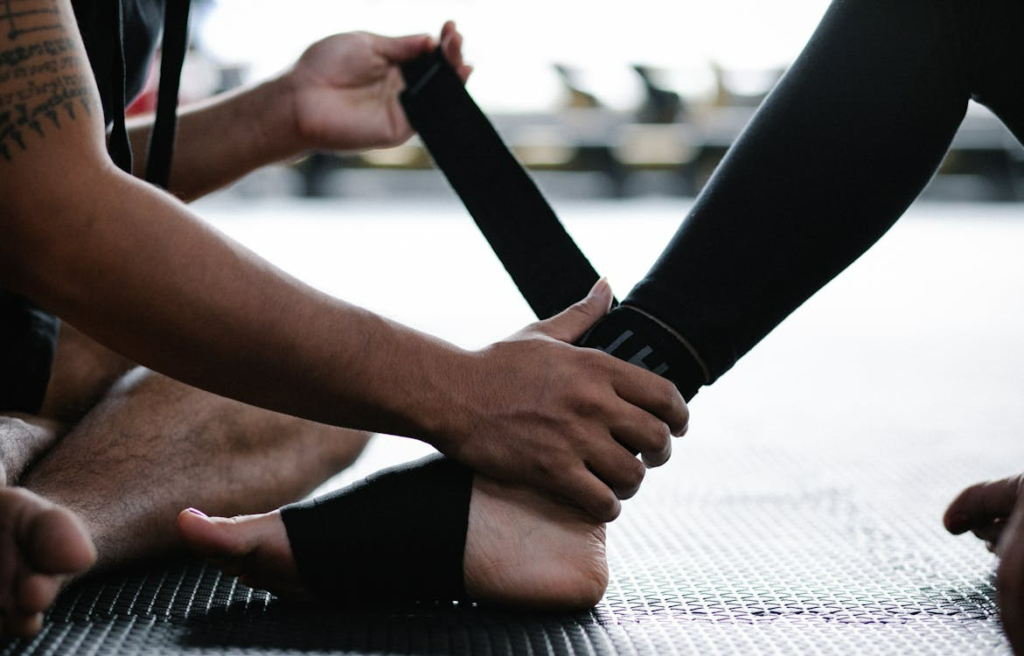
Liability waivers, also called releases or exculpatory agreements, are contracts where participants agree not to sue organizations for injuries suffered during activities. By signing a waiver, an individual acknowledges that they understand the risks and are voluntarily assuming them, thereby releasing the organization from liability.
Sports organizations use waivers for several purposes, including documenting that participants understand sport risks, demonstrating participants voluntarily chose to participate despite dangers, creating contractual defenses against lawsuits, and reducing liability exposure and insurance costs.
Waivers are ubiquitous in organized sports, from youth leagues to the professional level. Gyms, recreational leagues, adventure sports companies, and school athletic programs routinely require signed waivers before allowing participation.
Legal Limits on the Enforceability of Waivers
Despite their prevalence, liability waivers aren’t absolute shields protecting organizations from all liability. California law imposes important limitations on waiver enforceability, creating opportunities for injured athletes to pursue compensation even after signing releases.
For example, courts won’t enforce waivers that attempt to excuse gross negligence, intentional harm, or reckless misconduct. While waivers may protect organizations from claims of ordinary negligence, they cannot shield entities from liability for egregious conduct that demonstrates a conscious disregard for participant safety.
Additionally, waivers must be unambiguous, explicitly stating what claims are being waived. Vague or overly broad language may render waivers unenforceable. Waivers signed by minors face additional scrutiny. California courts generally hold that parents cannot waive their children’s right to sue for injuries in many contexts.
When Waivers Don’t Protect Organizations
Several scenarios allow sports injury lawsuits to proceed despite signed waivers.
Organizations cannot use waivers to escape liability for providing dangerously defective equipment, failing to maintain safe facilities and playing surfaces, ignoring obvious dangerous conditions that should have been corrected, deliberately violating safety standards and regulations, and engaging in fraudulent concealment of known dangers.
When examining whether waivers bar claims, courts analyze whether the injuries resulted from risks explicitly covered by the waiver language or from risks created by the defendant’s negligence that went beyond the dangers contemplated by the waiver. Often, the specific negligence that caused the injury falls outside the scope of the waiver, allowing the claims to proceed.
Potentially Liable Parties in Sports Injury Cases
Sports injury lawsuits may target various parties depending on who created dangerous conditions or acted negligently, causing harm.
Opposing Players
Athletes can sue opposing players when their conduct exceeds ordinary sports competition and causes injury through intentional harm, grossly negligent play, or reckless conduct. However, courts recognize that aggressive play is inherent to many sports and don’t impose liability for injuries resulting from ordinary gameplay even when rule violations occur.
The key analysis examines whether the defendant player’s conduct was “so reckless as to be totally outside the range of ordinary activity involved in the sport.” Normal aggressive play, including minor rule violations like holding or tripping in the heat of competition, typically won’t create liability. However, deliberately targeting opponents with dangerous illegal techniques intended to cause injury crosses the line into actionable conduct.
Coaches and Trainers
Coaches and athletic trainers owe a duty to exercise reasonable care for athlete safety. They can face liability when their negligence causes injuries through forcing injured athletes to continue playing despite the obvious need for medical attention, implementing dangerous training practices exceeding safe limits, failing to teach proper techniques that could prevent injuries, ignoring concussion protocols and return-to-play guidelines, creating unsafe practice or competition conditions, and providing inadequate supervision, allowing dangerous conduct.
Coaches occupy positions of authority over athletes, particularly youth and high school players. Their decisions about practice intensity, return-to-play timing, and safety enforcement significantly impact injury risks. When coaches prioritize winning over player welfare or ignore obvious safety concerns, their negligence may create substantial liability.
Schools and Sports Organizations
Schools, leagues, and sports organizations operating athletic programs bear responsibility for maintaining safe conditions and implementing adequate safety protocols. They may face liability for failing to properly train and supervise coaching staff, using outdated or dangerously defective equipment, maintaining unsafe playing fields or facilities with hazards, failing to implement appropriate concussion protocols and safety policies, and inadequately screening participants for health conditions contraindicating participation.
Organizations overseeing youth sports bear heightened duties given participants’ vulnerability and limited ability to recognize and respond to dangers. Schools and youth leagues that treat safety as secondary to competitive success or cost savings may face significant liability when preventable injuries occur.
Equipment Manufacturers
Defective sports equipment causes numerous injuries annually. When helmets, pads, cleats, or other protective gear fail to perform as designed, manufacturers may face strict product liability regardless of whether they acted negligently.
Product liability claims against sports equipment manufacturers typically allege manufacturing defects where equipment deviates from design specifications, design defects where the product’s design itself creates unreasonable dangers, or failure to warn where inadequate warnings about proper use or limitations cause injuries.
Helmet manufacturers, in particular, face liability when their products fail to provide advertised protection or when they make false claims about concussion prevention that equipment cannot deliver. Athletes injured due to equipment failures can pursue compensation directly from manufacturers even if they have no direct relationship with the company.
Facility Owners
Property owners and operators of sports facilities owe duties to maintain premises in a reasonably safe condition. They may face premises liability claims when dangerous conditions cause injuries, including poorly maintained playing surfaces with holes, divots, or dangerous irregularities, inadequate lighting causing visibility problems, slippery or wet surfaces without proper drainage, defective bleachers or seating collapsing, and inadequate security allowing assaults or other criminal conduct.
These cases proceed under standard premises liability principles similar to other pedestrian injury cases where property conditions cause harm.
Medical Staff
Team doctors, athletic trainers, and medical personnel providing care to athletes can face medical malpractice liability when their negligence causes harm through misdiagnosing or failing to diagnose serious conditions, clearing injured athletes to return to play prematurely, providing inadequate treatment falling below medical standards, and failing to recognize symptoms requiring immediate medical intervention.
Medical staff members have a professional obligation to prioritize the health of athletes over competitive interests. If they yield to pressure from coaches or teams to clear players for competition despite obvious medical contraindications, they may be negligent and face substantial liability.
Types of Compensation Available in Sports Injury Cases
Athletes who successfully prove liability in sports injury lawsuits can recover various categories of damages compensating for losses suffered.
Economic Damages
Economic damages compensate for quantifiable financial losses. These include all past and future medical expenses for treatment, surgery, rehabilitation, and therapy; lost wages during recovery periods when one is unable to work; reduced earning capacity if injuries prevent one from returning to previous employment; costs of medical equipment, assistive devices, and home modifications; and property damage to personal belongings destroyed in incidents.
For serious injuries causing permanent disability, economic damages can reach substantial amounts when accounting for lifetime medical needs and lost earning capacity over the remaining working years. Young athletes suffering career-ending injuries may claim decades of lost income they would have earned absent the injury.
Non-Economic Damages
Non-economic damages compensate for intangible losses that do not have a fixed monetary value. These losses include physical pain and suffering from injuries and treatment, emotional distress, anxiety and depression, loss of enjoyment of life and activities, permanent scarring and disfigurement, loss of athletic scholarships and career opportunities, and psychological trauma from career-ending injuries.
California doesn’t cap non-economic damages in sports injury cases, allowing juries to award amounts they deem appropriate based on injury severity and life impact. Catastrophic injuries destroying athletic careers or causing permanent disability often justify substantial non-economic damages reflecting the profound impact on victims’ lives.
Punitive Damages
In cases involving particularly egregious conduct, courts may award punitive damages beyond compensatory damages. Punitive damages punish wrongdoers and deter similar conduct rather than compensating specific losses.
Sports injury cases may warrant punitive damages when defendants engaged in intentional harm with malice or conscious disregard for safety, grossly negligent conduct demonstrating extreme indifference to athlete welfare, fraud or intentional misrepresentation about safety risks, and willful violation of safety regulations designed to protect participants.
Coaches who deliberately instruct players to injure opponents, organizations that knowingly use defective equipment despite awareness of dangers, and medical staff who falsify records to clear injured players for competition may all face punitive damage awards if their conduct demonstrates sufficient recklessness or malice.
Filing Sports Injury Lawsuits in California
Successfully pursuing sports injury claims requires understanding procedural requirements and strategic considerations.
Statute of Limitations
California Code of Civil Procedure Section 335.1 provides a two-year statute of limitations for personal injury claims from the date of injury. Missing this deadline permanently bars lawsuits regardless of injury severity or claim strength.
For sports injuries with delayed symptom onset, like CTE or other degenerative conditions, determining when the statute of limitations begins running can be complex. Courts may apply the “discovery rule,” starting the clock when injuries were discovered or reasonably should have been discovered rather than when the underlying trauma occurred.
Given these complexities, athletes who suffer significant sports injuries should consult personal injury attorneys immediately to ensure claims are filed timely and preserve all legal rights.
Proving Gross Negligence or Intentional Harm
The biggest challenge in most sports injury cases involves proving that injuries resulted from conduct exceeding the assumption of risk protection. Athletes must demonstrate gross negligence, intentional harm, reckless conduct, or behavior outside the normal play scope.
Strong evidence supporting these claims includes video footage showing the incident and defendant’s conduct, expert testimony from coaches, referees, or sports medicine professionals, witness statements from teammates, officials, and spectators, documented safety violations and protocol failures, prior incidents demonstrating a pattern of dangerous conduct, and communication evidence showing the defendant knew about risks but proceeded anyway.
Working with attorneys experienced in sports injury law ensures proper evidence gathering and development of legal theories supporting liability despite assumption of risk defenses. Similar to how expert testimony strengthens other personal injury cases, sports medicine and coaching experts can provide critical opinions supporting negligence claims.
Coordinating Workers’ Compensation and Personal Injury Claims
Professional and some collegiate athletes may have workers’ compensation claims in addition to personal injury lawsuits. Workers’ compensation provides medical benefits and partial wage replacement regardless of fault but limits compensation and excludes non-economic damages.
Athletes can typically pursue both workers’ compensation and third-party personal injury claims simultaneously, similar to how passengers injured in accidents can pursue multiple compensation sources. Workers’ compensation provides immediate benefits while personal injury claims proceed. Any workers’ compensation benefits received may offset final settlements to prevent double recovery.
Potential Defendants’ Defenses
Defendants in sports injury cases employ various strategies to defeat or minimize liability.
Common defenses include asserting the assumption of risk bars all claims, arguing conduct fell within ordinary sports competition, claiming that waiver releases prevent lawsuits, contending comparative fault reduces plaintiff’s recovery, and disputing causation between defendant’s conduct and plaintiff’s injuries.
Experienced sports injury attorneys anticipate these defenses and develop evidence and legal arguments to overcome them. The stronger the evidence of gross negligence, intentional harm, or conduct outside the scope of normal play, the less effective the assumption of risk and waiver defenses become.
Frequently Asked Questions
Can I Sue if I Signed a Liability Waiver Before Participating?
Potentially, yes. Although liability waivers make sports injury lawsuits more difficult, they don’t eliminate all liability. California courts won’t enforce waivers that attempt to excuse gross negligence, intentional harm, reckless misconduct, or fraud. If your injuries resulted from egregious conduct demonstrating a conscious disregard for safety rather than from the inherent risks of the sport, you may still be able to pursue compensation even if you signed a waiver.
What’s the Difference Between Ordinary Negligence and Gross Negligence in Sports?
Ordinary negligence involves failure to exercise reasonable care that might be excused in sports contexts, given the competitive nature and split-second decisions required. Gross negligence represents an extreme departure from reasonable care standards, demonstrating reckless disregard for participant safety. For example, a defensive player who accidentally trips an offensive player during aggressive play committed ordinary negligence unlikely to create liability.
Can Parents Sue if Their Child Is Injured in Youth Sports?
Yes, if injuries resulted from gross negligence, unsafe conditions, faulty equipment, or other conduct exceeding inherent sport risks. Parents signing waivers for minor children doesn’t necessarily prevent lawsuits, as California courts have questioned whether parents can waive children’s injury claims in many contexts.
How Do I Prove My Sports Injury Was Caused by Gross Negligence?
To prove gross negligence, you must demonstrate that the defendant acted with an extreme disregard for safety and failed to exercise reasonable care. To prove gross negligence, collect video footage of the incident, witness statements from teammates and spectators, and expert opinions from coaches or sports medicine professionals. Document any safety violations or protocol failures and gather evidence of prior similar incidents. Finally, obtain communications showing that the defendant knew about the risks but proceeded anyway.
Can I Sue My Coach for a Sports Injury?
Yes, if the coach’s gross negligence, reckless conduct, or intentional harm caused your injury. Coaches who force injured players to continue despite obvious need for medical attention, implement dangerous training practices exceeding safe limits, fail to teach proper techniques preventing injuries, ignore concussion protocols, or create unsafe conditions may face personal liability.
What if Defective Equipment Caused My Sports Injury?
You likely have product liability claims against the manufacturers of the defective equipment, separate from the sports injury claims you have against the coaches, teams, and facilities. Defective helmets, pads, cleats, or other protective gear that fail to perform as designed create strict liability for the manufacturer, regardless of the assumption of risk in sports. You do not need to prove that the manufacturer was negligent; you only need to prove that the product was defective and caused your injuries.
Equipment defect cases often settle for substantial amounts given clear liability and manufacturers’ desire to avoid publicity about product failures.
How Long Do I Have To File a Sports Injury Lawsuit in California?
California provides two years from the date of the injury to file personal injury lawsuits. For injuries with delayed symptom onset like degenerative brain conditions, the statute may begin running when you discovered or reasonably should have discovered the injury rather than when the underlying trauma occurred.
However, determining when the statute begins running can be complex. Consult an attorney immediately after suffering significant sports injuries to ensure claims are filed timely and preserve all legal rights. Missing the two-year deadline permanently bars lawsuits regardless of merit.
Can I Sue if the Injury Occurred During a Pickup Game With No Formal Organization?
Yes, though the liable parties and legal theories differ from organized sports contexts. In pickup games, you may pursue claims against opposing players who intentionally harmed you or engaged in grossly negligent conduct, property owners if dangerous facility conditions contributed to injuries, or equipment manufacturers if defective gear caused harm.
However, the assumption of risk still applies to inherent sport dangers. The less formal the game structure, the more courts may expect participants to accept risks without recourse for injuries from ordinary play.
What Damages Can I Recover in a Sports Injury Lawsuit?
If you prove liability, you can recover economic damages for medical expenses, lost wages, and reduced earning capacity, non-economic damages for pain and suffering, emotional distress, and loss of enjoyment, and potentially punitive damages if the defendant’s conduct was particularly egregious.
For career-ending injuries to professional or collegiate athletes with scholarship opportunities, damages can include lost future athletic earnings and scholarship values. Catastrophic injuries causing permanent disability warrant substantial compensation reflecting lifetime impacts on health, career prospects, and quality of life.
Will Filing a Lawsuit Affect My Amateur Status or Eligibility?
NCAA and other amateur sports governing bodies have complex rules about athlete compensation that could affect eligibility. However, receiving compensation for injuries caused by negligence typically doesn’t violate amateur status rules designed to prevent pay-for-play arrangements.
Consult both a personal injury attorney and a sports eligibility specialist familiar with your governing body’s specific rules before proceeding. Many athletes have successfully pursued injury compensation without affecting eligibility, particularly when settlements compensate medical expenses and lost opportunities rather than athletic performance.
Should I Consult a Regular Personal Injury Lawyer or Someone Specializing in Sports Injuries?
While any experienced personal injury attorney can handle basic aspects, sports injury cases involve unique legal doctrines, assumption of risk defenses, and industry-specific issues that benefit from specialized knowledge.
Attorneys with sports injury experience better understand how courts analyze these cases, what evidence proves gross negligence in athletic contexts, how to counter assumption of risk and waiver defenses, and which experts provide compelling testimony. Sacramento personal injury lawyers and other California attorneys with sports injury experience offer advantages over general practitioners unfamiliar with this complex area.
Expert Tips for Athletes Considering Sports Injury Lawsuits
Protect your legal rights and strengthen potential claims with these professional recommendations.
- Document Injuries Immediately and Completely: Seek prompt medical care after any serious injury, even if others downplay it. Get official medical records, take photos of visible injuries, and track all symptoms, treatments, and expenses. Early documentation strengthens your claim and proves damages.
- Secure Video Evidence and Witness Details: Obtain game footage, spectator videos, or security recordings showing the incident before they’re deleted. Collect contact information from witnesses and officials who can confirm unsafe conditions or misconduct. Such evidence helps overcome “assumption of risk” defenses.
- Report Safety Hazards Right Away: File written complaints about unsafe conditions, defective equipment, or reckless coaching with officials or facility managers. Keep copies of all reports and responses to show that warnings were ignored—supporting claims of negligence or misconduct.
- Don’t Rush Back Before You’re Healed: Avoid returning to play prematurely. Follow all medical advice, complete therapy, and wait for full clearance. Early returns can worsen injuries and allow insurers to argue your condition wasn’t serious.
- Consult Attorneys Before Signing or Settling: Never accept quick settlements or sign waivers without legal review. Early offers often undervalue your injuries. A personal injury attorney can assess fair compensation and protect your rights.
Get the Compensation You Deserve for Your Sports Injury
California law recognizes that assumption of risk doesn’t eliminate all accountability in sports contexts. When injuries result from gross negligence, intentional harm, reckless conduct, or dangers created by someone’s failure to exercise reasonable care, you have legal rights to pursue compensation for medical expenses, lost income, pain and suffering, and all other damages you’ve suffered.
Contact Adamson Ahdoot today for a free, confidential consultation about your sports injury claim. Our experienced personal injury attorneys have over 100 years of combined legal experience handling complex injury cases throughout California.
Call (866) 645-4992 now to speak with compassionate legal professionals. We offer free consultations in English and Spanish. Our firm combines personalized attention with substantial resources and expertise, ensuring you receive exceptional representation during this difficult time.
References
- California Code of Civil Procedure Section 335.1 (Two-Year Statute of Limitations for Personal Injury Claims)
- National Safety Council, “Sports and Recreation Injury Statistics,” Annual Report 2021
- Boston University CTE Center, “CTE in Professional Football Players Research Study,” 2023
- California Civil Code Section 1714 (General Duty of Care and Assumption of Risk in Sports)
- American Academy of Pediatrics, “Youth Sports Concussion Guidelines and Return-to-Play Protocols,” 2024