They were once niche gadgets for tech lovers. Now, drones are everywhere. You’ll find them flying over weddings, delivering packages, inspecting construction sites, or buzzing through public parks. With that rise in popularity comes a growing number of accidents and a serious legal gray area for those who get hurt.
It only takes one crash. A drone dips too low at a crowded event, spins out near a freeway, or clips a child playing in a backyard. Injuries from drone blades and falling debris can lead to hospital visits, missed work, and an expensive recovery. The question is, who’s responsible when it happens?
The answer depends on the facts, but injured victims do have legal options. Drone accidents can lead to claims against careless pilots, companies, or even manufacturers. Federal Aviation Administration (FAA) rules also play a significant role, especially when they are ignored. Understanding your rights is the first step toward recovery, and we’re breaking it all down right here.
Injured by a Drone?
Drone injury claims may involve operator negligence, defective products, or third-party liability. Identifying who controlled the drone and preserving evidence from the accident can be critical to determining liability.
Call Adamson Ahdoot today at (866) 645-4992 to discuss your case. You can also contact us through our online form.
The Rise in Drone-Related Injuries
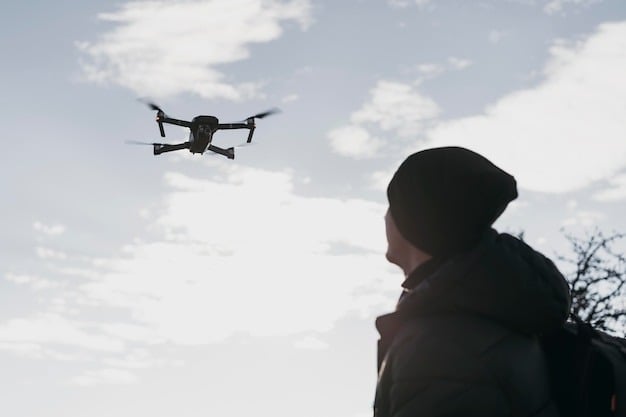
Drone accidents are no longer rare. Hobbyists, delivery services, event organizers, and filmmakers frequently use drones, which increases the risk of collisions and injuries. Victims may suffer cuts, head injuries, or fractures from drone crashes or rotor blades. These injuries aren’t just limited to physical pain; they can disrupt a person’s job, income, and long-term well-being.
Many of these accidents result from preventable mistakes. Inexperienced drone operators may misjudge flight paths. Batteries may fail midair. Drones can be affected by wind, signal interference, or GPS drift. These risks are why the FAA has stepped in with clear regulations, and why drone operators have a legal duty to fly responsibly.
FAA Regulations Every Operator Must Follow
The Federal Aviation Administration is responsible for regulating drone operations in U.S. airspace. The applicable rules depend on how and where the drone is flown. Key requirements may include:
- Registering drones when required by the FAA.
- Complying with Remote ID requirements when applicable.
- Keeping the drone within the pilot’s visual line of sight.
- Following applicable airspace restrictions and authorization requirements.
- Meeting specific FAA requirements when flying at night, over people, or over moving vehicles.
Commercial and other non-recreational drone operators must generally comply with Part 107 and hold a Remote Pilot Certificate. Certain operations may also require FAA authorization or a waiver. If a drone operator violates FAA safety regulations and someone suffers an injury as a result, that violation may be used as important evidence in a personal injury claim.
Who Can Be Held Responsible?
Operator Negligence
Most drone injuries are caused by human error. Reckless flying, ignoring weather warnings, and violating FAA rules can lead to legal liability. Flight data, video footage, and witness statements can all support a negligence claim.
Manufacturer Liability
The manufacturer or seller may be liable if defects in design, hardware, or software cause a drone to malfunction and crash. These claims may involve product liability principles similar to those used in other defective product cases.
Third-Party or Event Organizer Liability
In commercial drone events, liability may extend beyond the pilot. Event organizers or property owners who hire unlicensed pilots or fail to ensure that safety protocols are followed could be held accountable.
In complex cases, expert testimony can help clarify technical or liability issues. Read on to learn more about the role of an expert witness in a personal injury claim.
What to Do After a Drone Accident
If you’re injured, take the following steps promptly:
1. Seek Medical Care
Even minor injuries should be examined by a medical professional. Medical records can document your injuries and support your claim. Early treatment can prevent complications.
2. Document the Scene
Photograph or videotape the crash site, the drone, your injuries, and anything else relevant. If witnesses are present, collect their contact details. This documentation strengthens your legal position.
3. File a Report
Depending on the circumstances, you may need to notify local law enforcement or another relevant authority. Certain drone accidents must be reported to the FAA by the remote pilot in command. These official reports can help document what happened in the drone accident and may provide useful evidence for an injury claim.
4. Contact a Personal Injury Lawyer
Injury claims have strict deadlines. A lawyer experienced in aviation and drone law can help preserve evidence, identify liable parties, and act before your deadline expires.
What Compensation You May Recover
You might be eligible for:
- Medical expenses, including hospital treatment, surgery, medication, and rehab.
- Lost wages if your injury kept you from working or limited your ability to earn.
- Pain, suffering, and emotional distress from trauma or ongoing complications.
- Property damage caused by the drone or the circumstances of the crash.
To understand how non-economic losses are calculated, see how to pursue compensation for pain and suffering in a personal injury case.
Why Choose Adamson Ahdoot
If you have suffered a drone injury, the attorneys at Adamson Ahdoot offer boutique-level personal attention backed by the resources of a full-service litigation firm. With over 100 years of combined experience, we know how to build strong cases and deliver results.
We provide:
- Free consultations in English or Spanish.
- Personalized guidance tailored to your situation.
- Aggressive and experienced representation from start to finish.
Call for a Free Consultation
If a drone has hurt you, call Adamson Ahdoot today at (866) 645-4992 for your free consultation. We serve a diverse range of clients with care, professionalism, and proven results. Visit our contact page to take the first step toward justice.