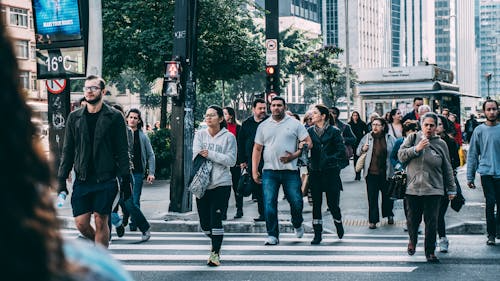
In 2022, America reached a devastating milestone in pedestrian safety. Pedestrian deaths nationwide reached their highest level in 41 years, totaling 7,500. Unfortunately, this crisis has worsened year after year, particularly in California. This alarming trend reflects failures in traffic safety infrastructure, driver behavior, and urban planning priorities that value vehicle speed over human life. The combination of alcohol-impaired driving, excessive speeding, distracted driving, and inadequate pedestrian infrastructure creates deadly conditions for pedestrians.
California bears the unfortunate distinction of leading this national tragedy. The Golden State recorded 1,100 pedestrian deaths in 2022—the highest number of any state and representing a 10% increase over the previous three years alone. This dubious honor isn’t new for California, which has consistently topped national pedestrian fatality rankings for over a decade. The state’s pedestrian death toll has nearly doubled since 2012, when 612 pedestrians were killed, marking a staggering 77% increase in just ten years.
The pedestrian safety crisis has intensified even as more Californians choose walking for health, environmental, and economic reasons. Urban areas throughout the state are seeing increased foot traffic as people embrace active transportation and cities work to reduce reliance on vehicles. Yet this positive trend toward walkability collides tragically with inadequate infrastructure, distracted and reckless driving, and enforcement failures, creating dangerous conditions that claim lives daily.
California’s Pedestrian Death Crisis By The Numbers
Understanding the scope of California’s pedestrian safety crisis requires examining comprehensive data revealing disturbing trends over the past decade.
Decade-Long Analysis Reveals Alarming Trends
Research conducted by Adamson Ahdoot, analyzing 10 years of Governors Highway Safety Association data, reveals that California has consistently led the nation in pedestrian fatalities throughout this period. The 2013 Pedestrian Traffic Fatalities Report documented 612 pedestrian deaths in California during 2012. By 2022, that number had nearly doubled to 1,100 victims, representing a 77% increase over the decade.
Breaking down this growth reveals the crisis has accelerated in recent years. The past three years alone saw a 10% increase in pedestrian fatalities, indicating that conditions are worsening rather than improving despite increased awareness and safety initiatives. California’s pedestrian death rate stands at 2.5 per 100,000 residents, ranking as the fifth-worst rate in the nation.
These statistics translate to approximately three pedestrians killed every day on California streets and highways. Each death represents immeasurable loss to families and communities, while also reflecting systemic failures in traffic safety that demand urgent intervention.
Los Angeles: The Nation’s Deadliest City for Pedestrians
If California leads the nation in pedestrian deaths, Los Angeles holds the grim distinction of being the country’s deadliest city for people on foot. Analysis by Streets Are For Everyone, examining data from 2018 to 2022, reveals that Los Angeles experiences 2.9 deaths per 100,000 residents among pedestrians and cyclists, exceeding the national average of 2.2 deaths per 100,000 residents.
A Los Angeles Times investigation compiling traffic data from 2011 to 2020 documented more than 1,130 deaths on the city’s streets during that decade. Despite California’s Vision Zero initiative aimed at eliminating traffic deaths, Los Angeles continues experiencing escalating pedestrian fatalities.
In 2022, Los Angeles recorded 312 pedestrian deaths, a 6% increase from the previous year and a 29% spike from 2018 levels. This marked the first time in two decades that the city exceeded 300 annual pedestrian fatalities, signaling that safety conditions are deteriorating rather than improving despite awareness campaigns and policy initiatives.
Beyond Los Angeles, California, another city is among the nation’s most dangerous for pedestrians. According to Smart Growth America’s 2021 report, “Dangerous by Design,” Bakersfield ranks second among the most hazardous urban areas for pedestrians. Experts attribute this to street designs prioritizing vehicle speed over pedestrian safety, combined with poorly maintained pedestrian infrastructure, including inadequate sidewalks, crosswalks, and traffic signals.
Hit-and-Run Epidemic Compounds the Crisis
Adding to the tragedy, approximately one in four fatal pedestrian collisions in California involves drivers who flee the scene, according to the California Highway Patrol (CHP, 2022). These hit-and-run crashes deny victims immediate medical assistance that could save lives, eliminate accountability for negligent drivers, and leave families without answers or justice. The prevalence of hit-and-run fatalities reflects both impaired driving, where intoxicated drivers flee to avoid DUI charges, and a breakdown in social responsibility and enforcement.
Primary Causes Behind Rising Pedestrian Deaths
Multiple factors converge to create California’s pedestrian death epidemic. Understanding these causes helps identify prevention strategies and establishes liability in legal claims.
Distracted Driving Epidemic
Distracted driving has emerged as one of the leading causes of pedestrian fatalities in recent years. Since 2020, accidents caused by distracted driving have increased by 23%, with this trend showing no signs of reversal. Smartphones, in-vehicle entertainment systems, GPS devices, and other technologies compete for drivers’ attention, diverting attention precisely when pedestrians need drivers to be most alert.
Distracted drivers fail to notice pedestrians in crosswalks, miss traffic signals, and cannot react quickly enough when pedestrians unexpectedly enter roadways. The devastating consequences of inattention at vehicle speeds make distracted driving particularly deadly for vulnerable road users. Understanding what distracted driving entails and why it’s so dangerous helps establish liability in pedestrian accident cases.
Alcohol and Drug Impairment
Drunk and drugged driving play devastating roles in pedestrian fatalities, particularly during nighttime hours when visibility is already reduced. In 2018, impaired drivers were responsible for half of all pedestrian fatalities in California and other states. Intoxicated drivers exhibit delayed reaction times, impaired judgment, reduced coordination, and an inability to assess speeds and distances properly. These are all factors that make avoiding pedestrians nearly impossible.
Impaired drivers disproportionately cause nighttime pedestrian deaths, as bar closing times coincide with reduced visibility and pedestrian vulnerability. The combination of darkness, intoxication, and pedestrian activity creates a perfect storm for fatal collisions.
Reckless Driving and Excessive Speed
Reckless driving behaviors and excessive speed kill thousands of pedestrians annually. The distinction between careless driving and reckless driving matters significantly in establishing liability and potential compensation. Speed dramatically increases both the likelihood of collisions and the severity of injuries. A pedestrian struck at 20 mph has a 90% chance of survival, while a pedestrian struck at 40 mph has only a 10% survival rate.
Aggressive driving behaviors, including racing, road rage incidents, speeding through residential areas, and deliberately doing dangerous maneuvers, create unnecessary risks for pedestrians who have no protective barriers. California’s culture of aggressive driving, combined with inadequate enforcement, contributes significantly to the pedestrian death toll.
Poor Infrastructure and Urban Design
Many California communities prioritize vehicle throughput over pedestrian safety. This results in inadequate sidewalks that force pedestrians into roadways, insufficient crosswalk markings and pedestrian signals, poor or inadequate lighting, wide multi-lane roads that encourage high speeds through pedestrian areas, missing pedestrian refuge islands, and poorly maintained curb ramps. These deficiencies significantly increase pedestrian vulnerability.
Police Pursuits and Law Enforcement Actions
Tragically, some pedestrian deaths result from police pursuits and law enforcement actions. An estimated 37 people are injured annually as pedestrians struck during police chases, with approximately half being innocent bystanders uninvolved in any criminal activity. High-speed pursuits through populated areas pose extreme risks to pedestrians who receive no warning of approaching danger.
Additional Contributing Factors
Beyond the primary causes, numerous other factors contribute to pedestrian vulnerability, including poor visibility from weather, time of day, or obstructions, fatigued or drowsy driving, reduced reaction times, drivers disobeying traffic signals and signs, adverse weather conditions like rain, fog, or darkness, and pedestrians’ own unsafe behaviors, including jaywalking or inattention.
Similar to accidents on major roadways like Interstate 5, pedestrian collisions often involve multiple contributing factors that must be analyzed to establish liability comprehensively.
Safety Tips for California Pedestrians
Since 2007, pedestrian fatalities have increased nearly 30% nationwide, with California experiencing even steeper increases. While pedestrians cannot control driver behavior, taking precautions can reduce the risk of collisions.
Visibility and Awareness Strategies
The California Office of Traffic Safety emphasizes that wearing visible clothing dramatically improves pedestrian safety, particularly during dawn, dusk, and nighttime hours. Bright colors, reflective materials, and lights make pedestrians more visible to drivers from farther away. Additionally, pedestrians should remain aware of their surroundings and minimize cell phone use that diverts attention from traffic conditions. Looking before crossing streets and consistently using designated crosswalks rather than jaywalking significantly reduces collision risks.
Defensive Pedestrian Practices
Even when pedestrians have the right of way, defensive practices can prevent collisions. Making eye contact with drivers before crossing helps ensure they see you. Never assume drivers will stop at crosswalks or obey traffic signals. Avoid walking on roadways when sidewalks are available, and if forced to walk on roads, face oncoming traffic to see approaching vehicles.
Critical Steps After Pedestrian Accidents
When pedestrians are struck by vehicles, immediate actions significantly impact both medical outcomes and legal claims. Many victims make critical errors that jeopardize their health and compensation rights.
Immediate Response Protocol
First, remain as calm as possible despite the shock and fear following collisions. Assess whether you can safely move out of traffic to prevent additional injuries from other vehicles. Check for obvious serious injuries, including bleeding, broken bones, or head trauma.
Immediately call 911 for both medical assistance and police response. This is absolutely critical even if you believe you’re uninjured. Adrenaline and shock frequently mask serious injuries that don’t manifest symptoms for hours, days, or even weeks. Conditions, including internal bleeding, traumatic brain injuries, and spinal damage, may not cause immediate pain but require urgent medical intervention.
Evidence Collection and Documentation
If you’re physically able, collect critical evidence at the scene. Exchange information with the driver, including name, contact information, driver’s license number, vehicle registration, and insurance details. Take photographs of the accident scene, vehicle damage, your injuries, road conditions, crosswalk markings, traffic signals, and any other relevant factors.
Gather witness contact information from anyone who saw the collision. Witness statements often prove crucial in establishing fault when drivers dispute liability or claim pedestrians caused accidents. Understanding vital steps for gathering evidence after accidents ensures you collect information that strengthens legal claims.
Critical Communication Guidelines
Never admit fault or apologize to drivers, as these statements can be used against you in legal proceedings. Don’t discuss injury severity or say you feel fine, even if adrenaline prevents you from feeling pain immediately. Decline to provide detailed statements to drivers’ insurance companies without attorney guidance.
Speak only with police officers to provide factual accounts of what happened. Avoid common mistakes people make after car accidents that jeopardize compensation rights.
Legal Representation
Consult an experienced pedestrian accident attorney immediately. California’s two-year statute of limitations for personal injury claims establishes strict deadlines for filing lawsuits. Early legal involvement ensures proper evidence preservation, accurate claim valuation, and protection from insurance company tactics designed to minimize compensation.

Understanding Liability in California Pedestrian Accidents
When pedestrians are struck and injured, determining liability involves analyzing all parties whose negligence contributed to collisions.
Driver Liability
In most pedestrian accidents, drivers are primarily liable for failing to exercise reasonable care. Driver negligence includes distracted driving from phones or other devices, impaired driving from alcohol, drugs, or medications, excessive speed and reckless driving, failure to yield the right of way at crosswalks, running red lights or stop signs, and making turns without checking for pedestrians.
California law requires drivers to exercise ordinary care and watch for pedestrians. Even when pedestrians act negligently, drivers who could have avoided collisions through reasonable care share liability for resulting injuries.
Comparative Negligence
California follows pure comparative negligence, allowing pedestrians to recover damages even when partially at fault for accidents. The pedestrian’s fault percentage reduces compensation. For example, if a pedestrian jaywalks but is struck by a speeding, distracted driver, a jury might assign the pedestrian 30% fault and the driver 70% fault. The pedestrian would recover 70% of the total damages.
Property Owner Liability
Sometimes pedestrian accidents result from dangerous property conditions rather than solely from driver negligence. Property owners, including businesses, homeowners, or governmental entities, may share liability when poor sidewalk conditions cause pedestrians to enter roadways, inadequate lighting concealing pedestrians from drivers, obstructed sight lines at driveways or intersections, or other premises defects contribute to collisions.
Governmental Liability
California state and local governments responsible for roadway design and maintenance may face liability when infrastructure deficiencies cause pedestrian deaths. Examples include missing or faded crosswalk markings, malfunctioning traffic signals, inadequate street lighting, dangerous road designs that create pedestrian-vehicle conflicts, and failure to install safety improvements despite known hazards.
Claims against governmental entities are subject to special procedural requirements and shorter filing deadlines, making immediate legal consultation essential.
Damages Recoverable in Pedestrian Accident Cases
Pedestrians seriously injured by negligent drivers can recover comprehensive compensation for losses suffered.
Economic Damages
Pedestrians injured in accidents may recover economic damages covering financial losses related to their injuries, including:
- Past and future medical expenses
- Lost wages during recovery
- Reduced earning capacity from permanent injuries
- Rehabilitation and therapy costs
- Assistive devices and equipment
- Home and vehicle modifications for disabilities
- Transportation costs to medical appointments
Catastrophic pedestrian injuries often result in millions of dollars in lifetime medical expenses and lost income.
Non-Economic Damages
Non-economic damages compensate for losses that are difficult to quantify in monetary terms. These losses include:
- Physical pain and suffering
- Emotional distress and trauma
- Loss of enjoyment of life
- Permanent scarring and disfigurement
- Disability and reduced mobility
- Psychological injuries, including PTSD
California does not cap non-economic damages in pedestrian accident cases, allowing juries to award amounts they deem appropriate.
Punitive Damages
When drivers demonstrate gross negligence or intentional misconduct, such as drunk driving, street racing, or deliberately striking pedestrians, courts may award punitive damages to punish wrongdoers and deter similar conduct.
Wrongful Death Damages
Families who lose loved ones in fatal pedestrian accidents can pursue wrongful death claims. These claims may recover funeral and burial expenses. They can also cover lost financial support, loss of companionship and guidance, and emotional suffering resulting from the death.
Frequently Asked Questions
What Should I Do if the Driver Who Hit Me Fled the Scene?
Call 911 immediately to report the hit-and-run and seek medical attention. Provide police with any vehicle description, license plate information, or witness details you observed.
Can I Recover Compensation if I Was Jaywalking When Struck?
Yes, California’s comparative negligence system allows recovery even when a pedestrian shares fault. Your fault percentage reduces your compensation, but driver negligence doesn’t escape liability.
How Long Do I Have To File a Lawsuit After Being Hit as a Pedestrian?
In California, you have 2 years from the accident date to file a personal injury lawsuit. Missing this deadline permanently bars your claim regardless of injury severity.
What if My Injuries Didn’t Appear Until Days After the Accident?
Seek immediate medical attention when symptoms appear. Many serious injuries show delayed symptoms, and doctors can still link them to accidents through proper evaluation.
Will Insurance Companies Try To Minimize My Compensation?
Yes, insurance companies routinely use tactics to reduce payouts. Never provide recorded statements or accept settlements without consulting experienced pedestrian accident attorneys.
Can I Sue the City if Poor Road Design Contributed to My Accident?
Yes, but governmental claims are subject to strict six-month filing deadlines and special procedures. Consult attorneys immediately to preserve your rights.
What if the Driver Claims I Suddenly Stepped Into Traffic?
Witness testimony, traffic camera footage, accident reconstruction, and physical evidence can refute false driver claims. Attorneys investigate thoroughly to establish accurate accident facts.
How Much Compensation Can I Receive for My Pedestrian Accident Injuries?
Settlement values depend on injury severity, medical expenses, lost income, and other factors. Serious injuries often result in six or seven-figure settlements.
What if I Were Hit While Crossing Outside a Crosswalk?
You can still recover compensation, though your comparative fault may reduce damages. Drivers must watch for pedestrians regardless of crosswalk location.
Should I Accept the Driver’s Insurance Company’s First Settlement Offer?
No, initial offers typically represent tiny fractions of actual claim values. Consult attorneys before accepting any settlements to ensure fair compensation.
Expert Tips from Adamson Ahdoot
Protect yourself and strengthen potential legal claims with these professional recommendations.
- Always Seek Immediate Medical Evaluation After Pedestrian Accidents: Even apparently minor impacts can cause serious internal injuries, brain trauma, or spinal damage not immediately apparent. Professional medical evaluation documents injuries and establishes causation.
- Document Everything at Accident Scenes Including Photos and Witness Information: Comprehensive evidence collection immediately after accidents preserves critical proof before it disappears. Take photos of injuries, vehicles, road conditions, and traffic controls.
- Never Provide Recorded Statements to Insurance Companies Without Attorney Guidance: Insurance adjusters use recorded statements to minimize liability and reduce compensation. Politely decline until consulting legal counsel.
- Keep Detailed Records of All Medical Treatment and Expenses Related to Injuries: Complete documentation of treatment, bills, and injury impacts strengthens compensation claims. Gaps in medical care allow insurers to argue injuries weren’t serious.
- Consult Experienced Pedestrian Accident Attorneys Before Accepting Settlement Offers: Initial settlement offers typically represent fractions of actual damages. Attorneys evaluate whether proposals fairly compensate losses and negotiate aggressively for maximum recovery.
Get the Justice You Deserve
California’s pedestrian death epidemic reflects systemic failures that claim lives daily. If you or a loved one has been injured or killed in a pedestrian accident caused by a negligent driver, you have legal rights to full compensation for all damages suffered.
Contact Adamson Ahdoot today for a free, confidential consultation about your pedestrian accident claim. Our experienced personal injury attorneys have over 100 years of combined legal experience handling complex pedestrian injury cases throughout California.
Call (866) 645-4992 now to speak with compassionate legal professionals who will thoroughly investigate your accident and identify all liable parties.
We offer free consultations in English and Spanish. Our firm has successfully recovered millions for pedestrian accident victims, including a $9 million settlement for a pedestrian who suffered severe brain injuries.
Don’t let negligent drivers escape accountability. Let us fight for the justice and compensation you deserve.
References
- Governors Highway Safety Association, “Pedestrian Traffic Fatalities by State Report,” Annual Reports 2012-2022
- California Office of Traffic Safety, “Pedestrian Safety Statistics and Prevention Guidelines,” 2022
- Streets Are For Everyone, “Los Angeles Pedestrian and Cyclist Fatality Analysis 2018-2022”
- Smart Growth America, “Dangerous by Design: Pedestrian Safety in Metropolitan Areas,” 2021
- National Highway Traffic Safety Administration (NHTSA), “Traffic Safety Facts: Pedestrian Safety,” 2022