Detention Center Sexual Abuse Survivors: You Are Not Alone. Get Help Now.
California’s May News Highlights E-Bike Liability, Hospital Sexual Abuse Lawsuits, and Wildfire Litigation Progress
May 2026 brought a wide range of personal injury developments that highlighted the ongoing impact of negligence, unsafe conditions, and civil liability across California and the United States. From public health concerns to serious accidents and major lawsuits, these cases demonstrate how quickly an unexpected event can change a person’s life.
One of the most widely discussed stories was the growing concern over Hantavirus exposure among four Californians. Another major headline was Google’s $50 million settlement of a racial discrimination lawsuit. Meanwhile, courts continued to address negligence claims involving catastrophic injuries, including a $7.5 million settlement stemming from a commercial vehicle crash.
The growing popularity of electric bicycles and motorcycles also remained in the spotlight. Several fatal accidents involving minors raised concerns about safety and liability, while Amazon suspended sales of certain high-speed e-bikes in California following multiple deadly crashes.
The month also saw new legal battles involving sexual abuse claims, serious dog attacks, and multiple product recalls.
Additionally, wildfire litigation reached a significant milestone in California when a court ruled that lawsuits against the city and state arising from the devastating Palisades Fire could proceed. This ruling could open new avenues for victims seeking accountability and compensation.
As wildfire-related claims continue to evolve, affected individuals may benefit from seeking guidance from an attorney experienced in California wildfire litigation.
California Personal Injury News Highlights for May 2026
At Adamson Ahdoot, we monitor significant negligence and liability cases to keep you informed about developments that may impact your legal rights. If you or a loved one has been affected by any of the personal injury issues covered in May 2026, our California-based team is available to discuss your potential legal options.
Have you been injured in an accident? Contact us today for a free, confidential case evaluation by calling (866) 645-4992 or filling out our online form.

Tragedy in Hollywood and a $450K Settlement for Dog Bites at an Animal Shelter
Practice Area: Dog Bites
In one of this month’s most notable animal liability cases, an animal shelter volunteer secured a $450,000 settlement after suffering severe injuries from dog bites. She was bitten 18 times in a single dog attack, suffering permanent trauma.
In a separate incident, the Walk of Fame in Hollywood was the scene of a fatal altercation involving a dog. The confrontation escalated into a stabbing, resulting in the death of a 37-year-old man.
Lawsuits Over Abuse in California Hospitals and the Debate Over AB 218
Practice Area: Sexual Abuse
Sexual abuse litigation continues to play a significant role in California’s legal landscape. Earlier this month, serious civil lawsuits involving allegations of sexual assault at healthcare facilities came to light, including Canyon Ridge Hospital and College Hospital Cerritos. Both cases involve claims of negligence and supervisory failures that allegedly allowed abusive conduct to occur within these institutions.
Meanwhile, the California Legislature is considering placing limits on claims under AB 218. This legislation has enabled many survivors of sexual abuse to file lawsuits decades after the alleged incidents occurred. The ongoing debate has raised deep concerns among victim advocates, who warn that such restrictions could severely limit access to justice and shield negligent organizations from accountability.
From Critical Vehicle Failures at Tesla and Honda to Food Safety Alerts Across the U.S.
Practice Area: Product Liability
Last month, multiple product recalls and safety alerts involving food and motor vehicles highlighted the risks associated with defects in everyday consumer products.
In the food sector, the U.S. Department of Agriculture issued a health alert over a potential risk of listeria contamination in pork head sausage products. Similarly, an ice cream product distributed in 17 states was recalled due to possible metal contamination. Finally, Walmart announced a recall of a seasoning product over concerns of potential salmonella contamination.
In the automotive sector, Tesla recalled specific Cybertruck units following reports of a wheel-related mechanical defect. Meanwhile, the company expanded a separate recall affecting approximately 200,000 vehicles due to rearview camera system failures. Additionally, nearly 100,000 Honda vehicles were recalled due to potential airbag defects.
Fatal Crashes, DUI Offenses, Hit-and-Run Cases, and E-Bike Incidents
Practice Area: Traffic Accidents
Throughout May 2026, traffic accidents continued to result in a significant number of fatalities and severe injuries across California. Among the most notable incidents of the month were several major crashes across different parts of the state:
- San Bernardino County: Three people died, and four others suffered injuries in a head-on collision involving two vehicles.
- Interstate 99 in Lodi: A catastrophic four-vehicle pileup resulted in two fatalities and five injuries after a commercial semi-truck slammed into slowed traffic. Although the driver fled the scene on foot, authorities later apprehended him and charged him with multiple felony offenses.
- Oakland: A minor driver struck multiple pedestrians, killing three people and leaving several others injured.
Drunk driving cases also returned to the public spotlight. In a separate high-profile case, Britney Spears pleaded guilty to a misdemeanor charge of reckless driving, avoiding severe penalties.
Meanwhile, concerns surrounding electric micromobility devices continued to grow in California, prompting renewed debate over civil and parental liability. On one hand, communities mourned the death of a 13-year-old killed in an e-bike crash. On the other hand, a California mother was charged with involuntary manslaughter after her minor son was involved in a fatal incident while operating an electric motorcycle in Lake Forest.
Injured in a California Accident in May 2026? Contact Us Today!
These events underscore how a traffic collision, defective product, or act of negligence can change a life in an instant.
When the wrongful conduct of another party causes an injury, you should not have to deal with the physical, emotional, and financial consequences alone.
At Adamson Ahdoot, our personal injury attorneys bring more than 100 years of combined legal experience. We carefully evaluate each case to determine liability and pursue the compensation our clients deserve.
Call us at (866) 645-4992 or fill out our online form today to schedule a free, confidential consultation.
Google’s $50M Settlement, $450K Dog Bite Case, and $7.5M Truck Crash LawsuitFollowing the Eaton Fire in January 2025, Southern California Edison (SCE), the utility company allegedly responsible, began issuing a large number of settlement offers to those affected. This process significantly accelerated in 2026, with more than 1,750 offers issued under its wildfire recovery program, totaling over $600 million in proposed payments.
For many victims in Pasadena and Altadena, these proposals arrived at a critical time, often before they had the chance to fully evaluate their losses or consult with an attorney.
The key question is simple: should you accept an Edison settlement offer right away, or wait for a full legal review?
The short answer is clear: in most cases, it is not advisable to accept an SCE offer without having it reviewed by a wildfire lawyer.
💡 SCE Settlements Do Not Reflect the Full Value of Eaton Fire Losses
Edison’s initial offers are designed to resolve claims quickly and avoid larger lawsuits. However, these early proposals often fail to account for long-term or hidden damages, such as future health issues or property losses that may not yet be fully known.
Do not accept an SCE settlement without first reviewing it with the wildfire attorneys at Adamson Ahdoot. Call us today at (866) 645-4992 or submit your inquiry online.
What You Need to Know
- SCE has issued more than 1,750 expedited offers under its wildfire recovery program, totaling over $600 million for the Eaton Fire.
- Initial settlement payments often do not reflect the full value of long-term damages.
- Accepting an early payout typically requires signing a Release of Liability, which may waive your right to seek additional compensation in the future.
- Before signing any corporate documents or cashing an expedited check, your case should be reviewed by a qualified attorney.
⚖️ At Adamson Ahdoot, we review your SCE settlement offer completely free of charge. Our goal is to help you determine if you are receiving less than your claim is worth.
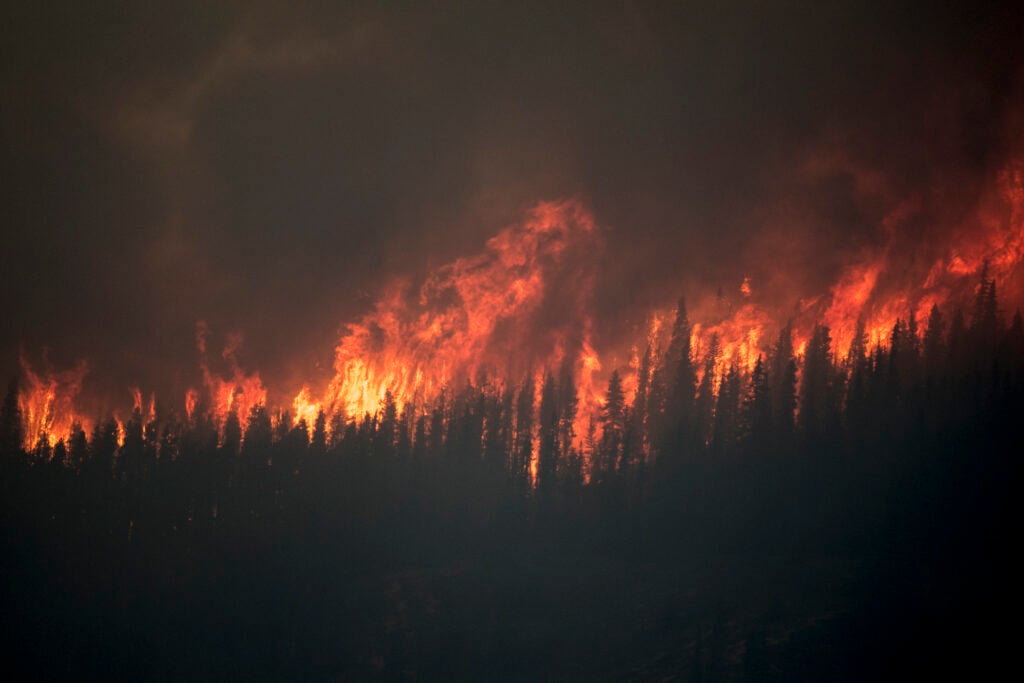
Why Is Southern California Edison Rushing to Offer Eaton Fire Settlements?
To many Pasadena and Altadena residents, a financial payout from Southern California Edison just months after the Eaton Fire might seem like a sign of good faith. However, the corporate reality is quite different.
In large-scale wildfire cases, utility companies often try to settle claims quickly to reduce legal exposure and avoid prolonged litigation. Therefore, the expedited settlements being proposed in 2026 may be part of a strategy to limit the scope and financial impact of future lawsuits.
With investigations into the cause of the Eaton Fire still ongoing—and in some cases pointing to potential negligence related to maintenance or operational failures—SCE has a strong incentive to resolve claims before full liability is established.
Key reasons for these early Edison settlement offers include:
- Avoiding lengthy and costly litigation
- Limiting the overall cost of total payouts
- Reducing future legal liability
- Streamlining a high volume of claims
- Controlling and predicting financial exposure
What Is Included in an SCE Settlement Offer?
Although every case is different, SCE settlement offers typically focus on the most immediate financial losses resulting from the Eaton Fire. The primary purpose of these expedited payments is to provide standardized, flat-rate compensation for certain categories of damage in order to reduce overall payout exposure and resolve claims as quickly as possible.
Common categories that may be included in an Eaton Fire settlement include:
- Property Damage: Costs to repair or rebuild homes, buildings, and other structures.
- Temporary Housing Expenses: Reimbursement for hotels, temporary rentals, and other relocation costs.
- Loss of Personal Property: Compensation for furniture, clothing, electronics, and other personal belongings damaged or destroyed in the fire.
- Smoke, Ash, and Soot Damage: Funds for specialized cleaning of homes, HVAC systems, and other fire-related contamination.
- Business Interruption and Lost Income: Compensation for lost revenue, temporary business closures, or reduced economic activity.
- Emotional Distress: In some cases, claims may also account for the emotional impact suffered by victims.
However, just because a specific category of damage is listed in your offer does not necessarily mean it has been fully or fairly valued. In many cases, SCE’s automated proposals may not account for losses that continue to develop months after the fire.
For this reason, rushing to cash an initial settlement check can be a significant risk. Before signing, it is important to understand what rights you may be waiving and whether all of your damages have been properly evaluated.
What You Could Lose by Accepting an Edison Settlement
Accepting a payment from Southern California Edison is not just a financial transaction; it may also carry important legal consequences. In many cases, signing a settlement agreement can limit or eliminate your ability to pursue additional compensation in the future.
Among the key rights and damages you may be waiving are:
- Waiver of Future Claims: Once signed, you will likely be unable to pursue additional compensation, even if new or worsening losses are discovered later.
- Hidden or Delayed Damages: Many victims later discover structural issues, including foundation damage or significant smoke and soot contamination affecting HVAC systems, that may not appear immediately after the fire.
- Future Health Conditions: Respiratory issues or other long-term health effects linked to prolonged exposure to smoke and toxic debris.
- Underestimation of Total Losses: The utility’s automated proposals completely fail to reflect current construction costs, labor shortages, or inflation in California’s rebuilding market.
🚨 The Hidden Traps of Signing an SCE Release Form
If you accept an initial offer from Edison, you may be asked to sign a Release of Liability form. In many cases, this document may waive your right to bring any further legal claims related to the Eaton Fire. Any future expenses or uncovered damages would typically not be recoverable.
Important: Any settlement offer related to the Eaton Fire should be carefully reviewed before signing. Speaking with a wildfire attorney, such as the team at Adamson Ahdoot, can help you understand if the proposed compensation accurately reflects your losses.
Understanding the Differences Between the Edison Compensation Program and Filing a Wildfire Lawsuit
The Edison Compensation Program is designed to offer quick settlements to victims of the Eaton Fire, while a wildfire lawsuit seeks full compensation based on the actual value of the damages suffered.
Although they may appear similar at first glance, there are significant differences in terms of coverage, damage evaluation, and legal protections. To better understand what is at stake, compare the two options below:
| Feature | SCE Compensation Program | Wildfire Lawsuit |
| Payout speed | Fast | Slower |
| Amount of compensation | Limited | Customized & comprehensive |
| Damage assessment | Standardized | Individualized |
| Hidden and future damages | Typically excluded | Can be included |
| Emotional distress | Often not fully considered | May be included |
| Negotiation power | Very limited | High |
| Legal rights | May be waived upon acceptance | Fully preserved |
| Initial cost | None | None |
Can You Still Hire a Lawyer if You Already Filed a Claim with SCE?
Many people affected by the Eaton Fire believe that once they have filed a claim with Southern California Edison, they can no longer seek independent legal advice or change their strategy.
This is a common misconception.
In most cases, filing an initial claim with SCE doesn’t prevent you from consulting a lawyer or exploring legal options. In fact, many victims contact a professional after receiving their first settlement offer, once they realize the compensation may not reflect the full extent of their losses.
🟦 Good news: your rights are still protected
As long as you have not signed a final release or accepted payment in exchange for a full release of liability, you can typically still work with a wildfire attorney to:
- Review the offer you received
- Understand the potential value of your claim
- Explore the option of filing a wildfire lawsuit
- Ensure you are pursuing full and fair compensation
Every case arising from the Eaton Fire is unique. That’s why it is important to evaluate any settlement agreement before signing to understand how it may affect your rights.
👉 Not Sure If Your SCE Settlement Is Fair?
Review your Eaton Fire case completely free of charge with our specialized legal team. Call us at (866) 645-4992 or submit your inquiry online.
Free Review of Your Edison Settlement Offer with Adamson Ahdoot
At Adamson Ahdoot, we review SCE settlement completely free of charge. Our goal is to help you understand whether the offer is fair and what legal options may be available before you sign away any rights under a release of liability.
With over 100 years of combined legal experience, our team represents wildfire victims throughout California. We work on a strict contingency fee basis—meaning no upfront fees and no out-of-pocket costs. We only get paid if we successfully resolve your case and recover the compensation you deserve.
Contact our wildfire attorneys today to protect your rights and evaluate your case.
Should Eaton Fire Victims Accept Edison Settlement Offers?
What Happens If You Are Hit by an Uninsured Driver in California?
If you are injured in a motorcycle accident with an uninsured driver, you may still be able to recover compensation through other legal avenues. Liability remains with the at-fault driver, but recovering damages may require alternative strategies. A California personal injury attorney can help you identify all available sources of compensation.
Understanding Uninsured Driver Motorcycle Accidents in California
Uninsured drivers and motorcycle accidents in California present unique challenges for injured victims. Even though California law requires drivers to carry insurance, not all motorists comply, leaving injured riders uncertain about how to recover damages.
If you were injured due to the negligence of an uninsured driver, you still have legal rights. Understanding your options is essential to protecting your financial recovery. A California personal injury attorney can help you navigate these complexities and pursue compensation.
What Is an Uninsured Driver in California?
An uninsured driver is a motorist who does not carry the minimum required liability insurance under California law.
Under California Vehicle Code § 16020, all drivers must demonstrate financial responsibility, typically through insurance coverage.
Why This Matters for Motorcyclists
Motorcyclists are particularly vulnerable in accidents, and the absence of insurance can make it more difficult to recover compensation for serious injuries.
Who Is Liable in a Motorcycle Accident With an Uninsured Driver?
In a motorcycle accident involving an uninsured driver, the at-fault driver is still legally responsible for the damages.
Liability Remains Based on Negligence
Under California Civil Code § 1714, individuals are responsible for injuries caused by their failure to exercise reasonable care.
Even without insurance, the negligent driver can be held accountable for:
- Medical expenses
- Lost wages
- Pain and suffering
What Compensation Options Are Available After an Uninsured Motorcycle Accident?
Recovering compensation in a motorcycle accident with an uninsured driver often requires exploring multiple avenues.
Potential Recovery Options
- Personal assets of the at-fault driver
- Third-party liability, if another party contributed to the accident
- Other applicable sources of compensation depending on the circumstances
Challenges in Recovery
Uninsured drivers may lack sufficient assets to fully cover damages, making it critical to identify all possible sources of recovery.
Can You Still Recover Damages Without Insurance Coverage?
Yes, you may still recover damages, but the process can be more complex.
Legal Strategies
- Filing a personal injury lawsuit against the at-fault driver
- Identifying additional liable parties
- Pursuing claims based on third-party negligence
Real-World Context
For example, if another driver caused the accident but does not have insurance, they are still legally responsible. However, collecting compensation may depend on their financial resources or other contributing parties.
What Evidence Is Needed to Prove Your Claim?
Strong evidence is essential in any motorcycle accident claim, especially when dealing with uninsured drivers.
Key Evidence
- Police reports confirming fault and insurance status
- Witness statements
- Traffic or surveillance footage
- Medical records documenting injuries
- Financial records showing damages
Why Evidence Is Critical
Because there is no insurance company involved on the at-fault side, proving liability and damages becomes even more important.
An experienced California personal injury attorney can help gather and present this evidence effectively.
When Should You Call a Lawyer After an Uninsured Motorcycle Accident?
You should contact a lawyer if:
- You suffered serious injuries
- The at-fault driver is uninsured
- Liability is disputed
- You are unsure how to recover compensation
Legal guidance is especially important in uninsured driver motorcycle accident cases, where the path to recovery may involve multiple legal strategies.
You can learn more about your rights on our motorcycle accident attorney page or explore how a California personal injury attorney handles complex injury claims.
When to Call a Lawyer
If you are dealing with an uninsured driver, early legal intervention is critical.
A lawyer can:
- Identify all potential sources of compensation
- Evaluate third-party liability
- Handle negotiations and legal filings
- Build a strong case for recovery
Expert Tips for Uninsured Driver Motorcycle Accident Claims
Expert Tip:
Do not assume recovery is impossible: Even without insurance, there may be other avenues for compensation through third-party liability.
Document all damages thoroughly: Keep detailed records of medical expenses, lost income, and other financial impacts.
Be cautious with statements and communications: Avoid making assumptions about fault or recovery without legal advice.
Consult a qualified attorney early: Legal guidance can help you navigate complex recovery options and protect your rights.
Frequently Asked Questions
An uninsured driver is someone who does not carry the legally required insurance coverage. This can create challenges when seeking compensation after an accident.
An uninsured driver is someone who does not carry the legally required insurance coverage. This can create challenges when seeking compensation after an accident.
Yes. You can still pursue a claim against the at-fault driver, although recovering compensation may require additional legal steps.
If the driver lacks financial resources, it may limit recovery. However, other liable parties or sources of compensation may still be available.
Not necessarily. Fault is determined based on negligence and the facts of the accident, not insurance status alone.
Under California Code of Civil Procedure § 335.1, you generally have two years from the date of the accident to file a personal injury claim.
References
- California Vehicle Code § 16020
- California Civil Code § 1714
- California Courts
- California Code of Civil Procedure § 335.1
Protecting Your Rights After an Uninsured Motorcycle Accident
Uninsured drivers and motorcycle accidents in California can create uncertainty, but you still have legal options. Liability remains with the negligent party, and compensation may still be available through alternative legal strategies.
If you have been injured due to another driver’s negligence, it is important to act quickly and seek experienced legal guidance. A knowledgeable attorney can help you explore every available path to recovery and protect your financial future.
Get a free case evaluation today and speak with a California personal injury attorney about your case.
Uninsured Drivers and Motorcycle Accidents in California
Can Families File a Wrongful Death Claim After a Fatal Motorcycle Accident?
Yes. When a fatal crash is caused by another party’s negligence, surviving family members may file a wrongful death claim after a motorcycle accident in California. Compensation may include financial losses, funeral expenses, and loss of support. A California personal injury attorney can help families understand their rights and pursue justice.
Understanding Fatal Motorcycle Accidents and Wrongful Death Claims
Fatal motorcycle accidents can leave families facing overwhelming emotional and financial challenges. In California, when a rider loses their life due to another party’s negligence, the law allows certain family members to pursue compensation through a wrongful death claim.
Understanding how wrongful death motorcycle accident claims in California work is essential if you have lost a loved one. These claims focus on holding negligent parties accountable and providing financial relief to surviving family members. Speaking with a California personal injury attorney can help you take the next steps during a difficult time.
What Is a Wrongful Death Claim in California?
A wrongful death claim is a legal action brought by surviving family members when a person dies due to another party’s negligence or wrongful act.
Under California Code of Civil Procedure § 377.60, certain individuals are entitled to pursue compensation on behalf of the deceased.
Purpose of a Wrongful Death Claim
- Hold negligent parties accountable
- Provide financial support to surviving family members
- Address losses resulting from the death
Real-World Context
In fatal motorcycle crashes, wrongful death claims often arise when a driver fails to yield, drives distracted, or violates traffic laws, leading to a preventable loss of life.
Who Can File a Wrongful Death Claim in California?
California law limits who can file a wrongful death motorcycle accident claim.
Eligible Parties
- Spouses or domestic partners
- Children of the deceased
- Certain dependents or heirs, depending on the situation
Why Eligibility Matters
Only specific individuals have the legal right to file a claim. Determining eligibility early helps ensure the claim is properly filed and avoids delays.
What Damages Can Be Recovered in a Wrongful Death Claim?
Families may recover compensation for both economic and non-economic damages in a wrongful death motorcycle accident claim.
Economic Damages
- Funeral and burial expenses
- Loss of financial support
- Loss of household services
Non-Economic Damages
- Loss of companionship
- Loss of emotional support
- Loss of guidance and care
Importance of Full Valuation
Accurately calculating damages is essential to ensure families receive fair compensation that reflects both financial and personal losses.
How Is Liability Determined in Fatal Motorcycle Accidents?
Liability in fatal motorcycle accidents is based on negligence.
Common Causes of Fatal Motorcycle Accidents
- Drivers making unsafe left turns
- Distracted or impaired driving
- Failure to yield the right-of-way
- Speeding or reckless driving
Legal Standard
Under California Civil Code § 1714, individuals are responsible for harm caused by their lack of reasonable care.
Real-World Context
If a driver turns left into the path of an oncoming motorcycle, causing a fatal collision, that driver may be held liable for the resulting wrongful death.
What Evidence Is Needed to Support a Wrongful Death Claim?
Strong evidence is critical in any wrongful death claim after a motorcycle accident.
Key Evidence
- Police and accident reports
- Witness statements
- Traffic or surveillance footage
- Medical and autopsy reports
- Expert testimony
Why Evidence Matters
Because the victim cannot provide testimony, the strength of the case depends heavily on available evidence and expert analysis.
A California personal injury attorney can help gather and present this evidence effectively.
When Should You Contact a Lawyer After a Fatal Motorcycle Accident?
You should contact a lawyer as soon as possible after a fatal accident.
Reasons to Seek Legal Help Early
- Preserve evidence
- Identify liable parties
- Ensure compliance with legal deadlines
- Handle insurance and legal proceedings
You can learn more about your rights on our wrongful death attorney page or explore how a California personal injury attorney handles complex claims.
When to Call a Lawyer
If you have lost a loved one in a fatal motorcycle accident, early legal guidance is essential.
A lawyer can:
- Evaluate the circumstances of the accident
- Determine liability
- Calculate damages
- Advocate for your family’s rights
Expert Tips for Wrongful Death Motorcycle Accident Claims
Expert Tip:
Keep detailed financial records: Document expenses related to the loss, including funeral costs and lost income contributions.
Avoid dealing with insurers alone: Insurance companies may attempt to minimize payouts, making legal representation important.
Understand the full scope of damages: Compensation includes both financial and emotional losses that should be carefully evaluated.
Work with an experienced attorney: Legal guidance can help navigate complex wrongful death claims and protect your family’s interests.
Frequently Asked Questions
A wrongful death claim is a legal action filed by surviving family members when a person dies due to another party’s negligence. It allows families to seek compensation for financial and emotional losses.
Typically, spouses, children, and certain dependents can file a claim. Eligibility depends on the relationship to the deceased and applicable California law.
Families may recover damages for funeral expenses, lost financial support, and loss of companionship. The exact amount depends on the circumstances of the case.
Under California Code of Civil Procedure § 335.1, you generally have two years from the date of death to file a claim.
Fault is based on negligence and the actions of the parties involved. Evidence such as reports, witness statements, and expert analysis is used to establish liability.
References
- California Code of Civil Procedure § 377.60
- California Civil Code § 1714
- California Courts
- California Code of Civil Procedure § 335.1
Seeking Justice After a Fatal Motorcycle Accident
Losing a loved one in a fatal motorcycle accident is a devastating experience. Understanding your rights under California law can help you take meaningful steps toward accountability and financial stability.
If your loss was caused by another party’s negligence, you may be entitled to pursue a wrongful death motorcycle accident claim in California. An experienced legal team can help you navigate the process, gather evidence, and advocate for your family’s future. Get a free case evaluation today and speak with a California personal injury attorney about your case.
Fatal Motorcycle Accidents: Wrongful Death Claims in California
How Do Long-Term Medical Costs Affect Motorcycle Injury Compensation?
In motorcycle accident injury claims, long-term medical costs are a critical factor in determining compensation. Victims may recover damages for ongoing treatment, rehabilitation, and future care if another party’s negligence caused the crash. Proper documentation and legal support are essential to ensure these costs are fully accounted for.
Understanding Long-Term Medical Costs After a Motorcycle Accident
Motorcycle accident injuries often result in significant and lasting medical needs. Unlike minor vehicle collisions, motorcycle crashes frequently lead to severe injuries that require ongoing treatment, rehabilitation, and long-term care planning.
If your injuries were caused by another driver’s negligence, you may be entitled to compensation that reflects not only your current expenses but also your future medical needs. A California personal injury attorney can help ensure your claim includes all relevant damages and is supported by strong evidence.
What Types of Motorcycle Accident Injuries Lead to Long-Term Medical Costs?
Severe injuries are common in motorcycle accident claims, and many require ongoing care.
Common Long-Term Injuries
- Traumatic brain injuries
- Spinal cord injuries and paralysis
- Severe fractures requiring multiple surgeries
- Internal organ damage
- Road rash leading to infections or scarring
Why These Injuries Matter
These conditions often require extended treatment plans, including physical therapy, surgeries, and long-term monitoring. The cost of care can continue for years or even a lifetime.
What Long-Term Medical Expenses Can Be Included in a Claim?
A motorcycle accident compensation claim can include a wide range of long-term medical expenses.
Types of Recoverable Costs
- Ongoing medical treatment and follow-up care
- Physical therapy and rehabilitation
- Prescription medications
- Assistive devices such as wheelchairs or prosthetics
- Home modifications for accessibility
- In-home care or nursing services
Broader Financial Impact
In addition to direct medical costs, victims may also experience reduced earning capacity and long-term financial strain due to their injuries.
How Are Future Medical Costs Calculated in Motorcycle Accident Claims?
Estimating future costs is one of the most complex aspects of a motorcycle injury claim.
Factors Considered
- Severity and permanence of the injury
- Expected duration of treatment
- Cost of medical services over time
- Inflation and rising healthcare costs
Role of Expert Testimony
Medical experts and life care planners often provide detailed projections of future expenses. These assessments help ensure that settlements or verdicts reflect the full scope of the victim’s needs.
Can You Recover Compensation for Long-Term Medical Care?
Yes. California law allows victims to recover compensation for both current and future damages caused by another party’s negligence.
Types of Compensation Available
- Economic damages, including medical expenses and lost income
- Non-economic damages, such as pain and suffering
Under California Civil Code § 1714, individuals who cause harm through negligence can be held financially responsible.
What Evidence Is Needed to Prove Long-Term Medical Costs?
Strong evidence is essential to support a motorcycle accident injury claim, especially when future costs are involved.
Key Evidence
- Medical records and treatment history
- Physician statements and prognosis reports
- Expert testimony from medical professionals
- Life care plans outlining future needs
- Documentation of expenses and receipts
Why Evidence Matters
Without proper documentation, insurance companies may undervalue or deny claims related to future care.
An experienced California personal injury attorney can help gather and present this evidence effectively.
When Should You Call a Lawyer After a Motorcycle Accident?
You should contact a lawyer if:
- You sustained serious or long-term injuries
- Your medical costs are ongoing or expected to increase
- Insurance companies dispute the value of your claim
- You are unsure how to calculate future damages
You can learn more about your rights on our motorcycle accident attorney page or explore how a California personal injury attorney handles complex injury claims.
When to Call a Lawyer
If your injuries require ongoing treatment or long-term care, early legal guidance is critical.
A lawyer can:
- Evaluate the full extent of your damages
- Work with medical experts to estimate future costs
- Negotiate with insurance companies
- Advocate for maximum compensation
Expert Tips for Motorcycle Injury Compensation Claims
Expert Tip:
Follow your treatment plan consistently: Gaps in care may be used by insurers to argue that your injuries are not severe.
Seek expert evaluations when needed: Medical specialists can provide critical insight into long-term care needs and costs.
Do not accept early settlement offers: Initial offers often fail to account for future expenses and long-term impacts.
Consult a qualified attorney early: Legal guidance helps ensure your claim reflects the true cost of your injuries.
Frequently Asked Questions
Long-term medical costs include ongoing treatment, rehabilitation, and future care needs resulting from serious injuries. These costs can extend for years and must be carefully calculated to ensure full compensation.
Yes. California law allows victims to recover compensation for future medical expenses if they can be reasonably estimated and supported by evidence.
Future costs are typically proven through medical records, expert testimony, and life care plans that outline expected treatment and expenses.
If your injuries worsen, it can increase the value of your claim. This is why it is important to fully assess your condition before accepting a settlement.
Under California Code of Civil Procedure § 335.1, you generally have two years from the date of the accident to file a personal injury claim.
References
Securing Compensation for Long-Term Motorcycle Accident Injuries
Motorcycle accident injuries can have lasting consequences that extend far beyond the initial crash. Understanding how long-term medical costs impact your claim is essential to protecting your financial future.
If your injuries were caused by another party’s negligence, you deserve compensation that reflects the full extent of your damages. An experienced legal team can help you navigate the claims process, gather evidence, and advocate for your best interests.
Get a free case evaluation today and speak with a California personal injury attorney about your case.
Motorcycle Accident Injuries: Long-Term Medical Costs and Compensation
Who Is Liable in a Left-Turn Motorcycle Accident?
In most left-turn motorcycle accidents, the driver making the left turn is at fault for failing to yield to oncoming traffic. However, liability depends on whether each party acted reasonably, and motorcyclists may share fault if they were speeding or riding unpredictably.
Understanding Left-Turn Motorcycle Accidents in California
Left-turn motorcycle accidents are among the most common and dangerous types of collisions involving motorcyclists. These crashes often occur at intersections when a vehicle turns left in front of an oncoming motorcycle, leaving little time to react.
Determining liability in a left-turn motorcycle accident is critical if you have been injured. California law places a strong duty on drivers to yield, but each case depends on specific facts. If you were hurt due to another driver’s negligence, a California personal injury attorney can help you evaluate your claim and pursue compensation.
Key Takeaways
- Left-turn motorcycle accidents commonly occur when drivers fail to yield to oncoming riders at intersections or during turning maneuvers.
- Drivers making left turns are often at fault because they have a legal duty to yield, but liability ultimately depends on the specific facts of the accident.
- California law requires drivers to carefully assess oncoming traffic and only turn when it is safe to do so.
- Motorcyclists may share fault if their actions, such as speeding or unsafe riding, contributed to the crash or made it harder for drivers to react.
- Strong, well-documented evidence is essential to support a motorcycle accident claim and clearly establish liability.
What Causes Left-Turn Motorcycle Accidents?
Left-turn accidents typically happen at intersections where visibility, timing, and driver judgment play a role.
Common Causes
- Drivers misjudge the speed or distance of an oncoming motorcycle
- Failure to yield the right-of-way
- Distracted or inattentive driving
- Obstructed views due to other vehicles or road conditions
Why Motorcycles Are at Greater Risk
Motorcycles are smaller and less visible than cars, making it easier for drivers to overlook them when turning left. This visibility issue is a frequent factor in motorcycle intersection accidents.
Who Is Usually at Fault in a Left-Turn Motorcycle Accident?
In most cases, the driver making the left turn is liable for the accident.
Duty to Yield
Under California Vehicle Code § 21801, drivers must yield to oncoming traffic before making a left turn.
If a driver turns in front of a motorcycle without enough space, they are generally considered negligent.
Real-World Scenario
For example, if a motorcyclist is traveling straight through an intersection and a vehicle turns left across their path, the turning driver is typically at fault for failing to yield.
What Laws Apply to Left-Turn Motorcycle Accident Liability?
Several California laws govern left-turn motorcycle accident liability.
Right-of-Way Rules
Drivers must:
- Yield to all oncoming vehicles that are close enough to pose a hazard
- Wait until it is safe to complete the turn
General Negligence Standard
Under California Civil Code § 1714, all drivers must exercise reasonable care to avoid causing harm.
Failing to properly assess traffic before turning can establish negligence in a motorcycle accident claim.
Can a Motorcyclist Share Fault in a Left-Turn Accident?
Yes. California follows a comparative negligence system, which means fault can be shared.
When a Motorcyclist May Be Partially Liable
- Traveling at excessive speeds
- Running a red light or ignoring traffic signals
- Riding without proper lighting or visibility at night
- Lane splitting unsafely near intersections
How Comparative Fault Works
Under California Civil Code § 1431.2:
- Each party is assigned a percentage of fault
- Compensation is reduced accordingly
Even if you are partially at fault, you may still recover damages.
What Evidence Helps Prove Liability in Left-Turn Motorcycle Accidents?
Proving liability requires clear and credible evidence in a left-turn motorcycle accident claim.
Key Evidence
- Police reports documenting fault and traffic violations
- Eyewitness statements
- Traffic camera or dashcam footage
- Accident reconstruction analysis
- Medical records supporting injury claims
Why Evidence Matters
Because left-turn accidents often happen quickly, insurance companies may dispute fault. Strong evidence helps establish what actually occurred.
A California personal injury attorney can assist in gathering and presenting this evidence effectively.
When Should You Call a Lawyer After a Left-Turn Motorcycle Accident?
You should contact a lawyer if:
- You suffered serious or long-term injuries
- Liability is disputed or unclear
- The insurance company denies or undervalues your claim
- Multiple vehicles are involved
Legal guidance is especially important in left-turn motorcycle accident cases, where determining fault can involve multiple factors.
You can learn more about your rights on our motorcycle accident attorney page or explore how a California personal injury attorney handles injury claims.
When to Call a Lawyer
If your injuries are significant or fault is being contested, it is important to seek legal advice as soon as possible.
A lawyer can:
- Investigate the accident thoroughly
- Identify all liable parties
- Negotiate with insurance companies
- Build a strong case for compensation
Early legal support can improve your chances of a successful outcome.
Expert Tips for Left-Turn Motorcycle Accident Claims
Expert Tip:
Document the accident scene thoroughly: Take photos of vehicle positions, traffic signals, and road conditions to support your version of events.
Avoid giving detailed statements to insurers: Insurance companies may attempt to shift blame, so it is best to speak with a lawyer first.
Seek immediate medical attention: Prompt care ensures your injuries are documented and treated properly.
Work with an experienced attorney: A legal professional can analyze liability, apply California law, and advocate for full compensation.
Frequently Asked Questions
Not always. While drivers making left turns are often liable, fault depends on the actions of both parties. Factors such as speed, visibility, and traffic signals may affect the outcome.
If the motorcyclist was speeding, they may share fault for the accident. This can reduce the amount of compensation available under California’s comparative negligence rules.
Yes. California law allows injured parties to recover damages even if they share fault. Your compensation will be reduced based on your percentage of responsibility.
Common injuries include fractures, head injuries, spinal damage, and internal injuries. These accidents are often severe due to the direct impact and lack of protection for riders.
Under California Code of Civil Procedure § 335.1, you generally have two years from the date of the accident to file a personal injury claim.
References
- California Vehicle Code § 21801
- California Civil Code § 1714
- California Civil Code § 1431.2
- California Courts
- California Code of Civil Procedure § 335.1
Protecting Your Rights After a Left-Turn Motorcycle Accident
Understanding left-turn motorcycle accidents and how liability is determined can make a significant difference in your recovery. While drivers making left turns are often at fault, every case depends on specific facts and evidence.
If you have been injured due to another driver’s negligence, you deserve clear guidance and strong legal representation. An experienced legal team can help you navigate liability issues, gather evidence, and pursue the compensation you are entitled to. Get a free case evaluation today and speak with a California personal injury attorney about your case.
Left-Turn Motorcycle Accidents: Understanding Liability
How Do Motorcycle Helmet Laws Affect Injury Claims in California?
In California, all motorcyclists are required to wear helmets that meet safety standards. Failing to wear a helmet does not automatically prevent you from filing a claim, but it can reduce your compensation if your injuries were worsened as a result. Liability still focuses on the negligent actions of third parties.
Understanding Helmet Laws and Injury Claims in California
Motorcycle helmet laws in California play an important role in determining compensation after an accident. While these laws are designed to reduce serious injuries, they also influence how insurance companies and courts evaluate claims.
If you were injured in a motorcycle crash caused by another driver, you may still have the right to recover damages even if helmet use becomes an issue. A California personal injury attorney can help assess how helmet compliance affects your case and ensure your rights are protected.
What Is the Motorcycle Helmet Law in California?
California law requires all motorcycle riders and passengers to wear helmets that meet federal safety standards.
This requirement is outlined under California Vehicle Code § 27803.
What the Law Requires
- Helmets must meet U.S. Department of Transportation standards
- Helmets must be properly fastened
- Both drivers and passengers must comply
Why This Law Matters in Injury Claims
Helmet use is often examined after an accident to determine whether injuries could have been prevented or reduced. However, the presence or absence of a helmet does not determine who caused the accident.
Do Helmet Laws Affect Motorcycle Injury Claims?
Yes, helmet laws can affect the value of a motorcycle injury claim, but not necessarily liability.
Focus on Third-Party Negligence
In California, injury claims are based on negligence. If another driver caused the accident, they can still be held responsible regardless of helmet use.
How Helmet Use Is Evaluated
Insurance companies and courts may consider:
- Whether a helmet was worn
- Whether it met safety standards
- Whether the injuries were directly related to helmet use
For example, head and brain injuries may be closely examined in relation to helmet compliance.
Can You Still Recover Compensation Without Wearing a Helmet?
Yes, you can still recover compensation even if you were not wearing a helmet at the time of the crash.
How Comparative Negligence Applies
California follows a comparative negligence system under California Civil Code § 1431.2.
This means:
- You can recover damages even if you share fault
- Your compensation may be reduced based on your percentage of fault
Real-World Context
If a driver runs a red light and causes a collision, they may be primarily at fault. However, if you were not wearing a helmet and suffered a head injury, a portion of fault may be assigned to you for the severity of that injury.
What Types of Injuries Are Most Affected by Helmet Use?
Helmet use primarily impacts head-related injuries in a motorcycle accident claim.
Common Helmet-Related Injuries
- Traumatic brain injuries
- Skull fractures
- Facial injuries
- Concussions
Injuries Less Affected by Helmet Use
- Broken bones in arms or legs
- Spinal injuries
- Internal organ damage
This distinction is important because compensation may only be reduced for injuries that could have been mitigated by wearing a helmet.
How Do Insurance Companies Use Helmet Laws Against You?
Insurance companies often use helmet laws to reduce payouts in motorcycle accident claims.
Common Tactics
- Arguing that injuries were preventable
- Assigning partial fault to the motorcyclist
- Minimizing the severity of damages
Why Legal Representation Matters
An experienced California personal injury attorney can challenge these arguments and ensure that liability remains focused on the at-fault party.
You can learn more about your rights on our motorcycle accident attorney page or explore how a California personal injury attorney handles complex injury claims.
When Should You Call a Lawyer After a Motorcycle Accident?
You should contact a lawyer if:
- You suffered serious injuries
- Helmet use is being questioned
- Liability is disputed
- Insurance companies are undervaluing your claim
Helmet-related arguments can complicate a case, making early legal guidance especially important.
When to Call a Lawyer
If your injuries are significant or your claim is being challenged due to helmet use, it is important to seek legal advice promptly.
A lawyer can:
- Evaluate how helmet laws affect your case
- Determine the extent of comparative fault
- Build a strong claim based on third-party negligence
Early action can help preserve evidence and strengthen your position.
Expert Tips for Motorcycle Helmet Injury Claims
Expert Tip:
Document injuries and treatment carefully: Keep detailed medical records, follow treatment plans, and attend all appointments to support the full extent of your damages.
Be cautious when speaking with insurers: Insurance companies may try to use helmet-related arguments to reduce payouts, so avoid detailed statements without legal advice.
Understand how comparative fault works: Even if helmet use becomes an issue, you may still recover compensation depending on how fault is allocated.
Consult a qualified attorney as early as possible: Early legal guidance can help preserve evidence, counter insurance tactics, and build a stronger case from the start.
Frequently Asked Questions
Yes. California law requires all motorcyclists and passengers to wear helmets that meet safety standards. Failing to comply can result in fines and may affect your injury claim.
Yes. You can still pursue a claim if another party caused the accident. However, your compensation may be reduced if your injuries were worsened by not wearing a helmet.
No. Fault is based on who caused the accident, not helmet use. However, helmet use may affect the amount of compensation you receive.
If your helmet did not meet required standards, it may be treated similarly to not wearing one. This can impact how damages are calculated.
Under California Code of Civil Procedure § 335.1, you generally have two years from the date of the accident to file a claim.
References
- California Vehicle Code § 27803
- California Civil Code § 1431.2
- California Courts
- California Code of Civil Procedure § 335.1
Protect Your Rights After a Motorcycle Accident
Understanding motorcycle helmet laws in California is essential when pursuing an injury claim. While helmet use can influence compensation, it does not eliminate your right to hold negligent parties accountable.
If you were injured due to another driver’s negligence, you deserve clear guidance and strong legal representation. A knowledgeable attorney can help you navigate complex liability issues and fight for the compensation you are entitled to.
Get a free case evaluation today and speak with a California personal injury attorney about your case.
Motorcycle Helmet Laws and Injury Claims in California
Who Is Typically at Fault in a Lane Splitting Accident?
In lane-splitting accidents, fault depends on whether the motorcyclist and surrounding drivers acted reasonably under California law. While lane splitting is legal, a driver may be liable if they acted negligently, such as by making unsafe lane changes or failing to check blind spots. Motorcyclists can also share fault if they split lanes recklessly or at unsafe speeds.
Understanding Lane Splitting Accidents in California
Lane splitting accidents are a common concern on California roads, where motorcyclists are legally allowed to ride between lanes of traffic. While this practice can reduce congestion and travel time, it also creates unique risks and legal questions when accidents occur.
Understanding who is at fault in a lane-splitting accident is critical if you have been injured. Liability often depends on the specific actions of each party involved, including whether either party acted carelessly or violated traffic safety expectations. If you were hurt due to another driver’s negligence, a California personal injury attorney can help you evaluate your options and pursue compensation.
What Is Lane Splitting Under California Law?
Lane splitting refers to a motorcyclist riding between lanes of stopped or slow-moving traffic. It is distinct from lane sharing or riding side by side within a single lane.
Under California law, lane splitting is not explicitly defined in statute but is recognized and regulated through guidance from the California Highway Patrol.
Why Lane Splitting Matters in Injury Claims
Because lane splitting is legal, it does not automatically make a motorcyclist at fault. Courts instead evaluate whether the rider acted reasonably, given the traffic conditions and surrounding environment.
Is Lane Splitting Legal in California?
Yes, lane splitting is legal in California, making it unique compared to most other states.
However, legality does not remove responsibility. Both motorcyclists and drivers must exercise reasonable care and follow safe driving practices at all times.
Key Guidelines from CHP
- Ride at a safe and prudent speed
- Avoid splitting at high speed differentials
- Be aware of surrounding traffic behavior
- Avoid splitting near large vehicles or in tight spaces
Failure to follow these guidelines can influence liability in a lane-splitting motorcycle accident.
Who Is at Fault in a Lane Splitting Accident?
Fault in a lane-splitting accident is determined by negligence, meaning whether a party failed to act with reasonable care under the circumstances.
When a Driver Is at Fault
A driver may be liable if they:
- Change lanes without checking blind spots
- Open a car door into traffic
- Drift between lanes
- Act aggressively or intentionally block a motorcyclist
These actions may violate the duty of care outlined in California Civil Code § 1714.
When a Motorcyclist Is at Fault
A motorcyclist may be partially or fully liable if they:
- Split lanes at excessive speeds
- Ride unpredictably or weave through traffic
- Ignore road conditions or traffic flow
- Fail to maintain proper control
Real-World Scenario
If a driver suddenly changes lanes without signaling and strikes a motorcyclist who is lane splitting at a reasonable speed, the driver is likely at fault. However, if the motorcyclist was traveling significantly faster than surrounding traffic, fault may be shared.
What Factors Determine Liability in Lane Splitting Accidents?
Several factors influence who is responsible in a lane-splitting accident:
Speed Differential
A large speed difference between the motorcycle and traffic increases risk and may shift liability.
Traffic Conditions
Lane splitting is generally safer in slow-moving traffic. High-speed conditions can make the maneuver unreasonable.
Visibility and Awareness
Drivers must check mirrors and blind spots. Failure to do so is a common basis for liability.
Road and Weather Conditions
Environmental factors such as rain, poor lighting, or construction zones can affect whether lane splitting was safe.
Can Both Parties Share Fault?
Yes. California follows a pure comparative negligence rule, which allows fault to be divided between parties.
Under California Civil Code § 1431.2:
- Each party is assigned a percentage of fault
- Compensation is reduced based on that percentage
Even if you are partially at fault, you may still recover damages, depending on your level of responsibility.
What Evidence Helps Prove Fault in Lane Splitting Accidents?
Strong evidence is critical in any lane-splitting accident claim, especially when fault is disputed.
Key Types of Evidence
- Police reports detailing the incident
- Witness statements supporting your account
- Dashcam or surveillance footage
- Accident reconstruction analysis
- Medical records documenting injuries
An experienced California personal injury attorney can help gather, preserve, and present this evidence effectively.
When Should You Call a Lawyer After a Lane Splitting Accident?
You should contact a lawyer as soon as possible if:
- You suffered serious injuries
- Fault is disputed or unclear
- Insurance companies are denying or minimizing your claim
- Multiple vehicles or parties are involved
Legal guidance is especially important in lane-splitting accident cases, where liability is often complex and contested. You can learn more about your rights on our motorcycle accident attorney page or explore how a California personal injury attorney handles injury claims.
Expert Tips for Lane Splitting Accident Claims
Expert Tip:
Avoid admitting fault at the scene: Even casual or apologetic statements can be misinterpreted and later used against you during insurance negotiations.
Get medical care right away: Prompt evaluation ensures your injuries are properly treated and creates medical records that support your claim.
Be cautious with insurers: Insurance adjusters may try to minimize your payout or shift blame, so avoid giving recorded statements without legal guidance.
Consult a qualified attorney early: An experienced attorney can assess liability, preserve critical evidence, and guide you through each step of the claims process.
Frequently Asked Questions
Not necessarily. When performed responsibly in slow-moving traffic, lane splitting can actually reduce the risk of rear-end collisions for motorcyclists. However, the risk increases significantly when it is done at high speeds or in unpredictable traffic conditions.
Yes. Drivers still have a duty to operate their vehicles safely and remain aware of their surroundings. If a driver fails to check blind spots or makes an unsafe lane change, they can be held liable even if the motorcyclist was lane splitting.
Yes. Speeding can significantly impact your claim because it may be viewed as unsafe behavior. If your speed contributed to the accident, your compensation may be reduced under California’s comparative negligence rules.
Not seeing a motorcyclist is not a valid defense. Drivers are legally required to check mirrors and blind spots before changing lanes. Failure to do so can still be considered negligence under California law.
Under California Code of Civil Procedure § 335.1, you generally have two years from the date of the accident to file a personal injury claim. Missing this deadline may prevent you from recovering compensation.
References
- California Highway Patrol Lane Splitting Safety Guidelines
- California Civil Code § 1714
- California Civil Code § 1431.2
- California Courts Personal Injury Overview
- California Code of Civil Procedure § 335.1
Protecting Your Rights After a Lane Splitting Accident
Determining who is at fault in a lane-splitting accident requires a careful analysis of each party’s actions, traffic conditions, and applicable California law. While lane splitting is legal, both motorcyclists and drivers are expected to act responsibly and prioritize safety.
If you have been injured in a lane-splitting motorcycle accident, taking prompt legal action can make a significant difference in your case. An experienced legal team can help you understand liability, gather evidence, and pursue the compensation you deserve. Get a free case evaluation today and speak with a California personal injury attorney about your next steps.
Lane Splitting Accidents: Who Is at Fault?
Shared mobility services such as rideshare platforms and e-scooter programs have transformed transportation across California. While these services offer convenience, accidents involving shared mobility devices often raise complex insurance questions. Determining which policy applies and how coverage works can be challenging, especially when multiple parties are involved.
If you were injured in a shared mobility accident, understanding your coverage options is essential. A knowledgeable California personal injury attorney can help identify applicable insurance policies and pursue compensation from responsible parties. Contact our office today for a free consultation and learn how to protect your rights.
What Is Shared Mobility Insurance?
Shared mobility insurance refers to coverage associated with services such as:
- Rideshare platforms like Uber and Lyft
- E-scooter and bike-sharing programs
- Car-sharing services
Unlike traditional auto insurance, these policies are structured in tiers based on how the service is being used at the time of the accident.
How Coverage Works in Rideshare Accidents
Rideshare insurance coverage depends on the driver’s app status at the time of the accident.
Driver Offline
When the driver is not logged into the app, their personal auto insurance applies.
Driver Logged In but No Ride Accepted
Limited coverage is provided:
- $50,000 per person for bodily injury
- $100,000 per accident
- $30,000 for property damage
Active Ride
Once a ride is accepted or a passenger is in the vehicle, coverage increases to up to $1 million in liability protection.
How Coverage Works in E-Scooter Accidents
E-scooter insurance operates differently from rideshare coverage. Many scooter companies provide limited liability coverage, but policies vary significantly.
Coverage considerations may include:
- Whether the scooter was in active use
- Whether the rider followed company guidelines
- Whether a defect contributed to the accident
Some scooter companies rely heavily on user agreements to limit liability, which can complicate claims.
Common Insurance Challenges in Shared Mobility Cases
Shared mobility accidents often involve overlapping insurance policies, which can lead to disputes.
Conflicting Coverage
Multiple insurers may dispute responsibility, leading to delays in claim resolution.
Coverage Gaps
Certain scenarios may fall outside defined coverage periods, leaving victims uncertain about available compensation.
Policy Limitations
Even when coverage applies, policy limits may not fully cover serious injuries.
Liability Disputes
Insurance companies may argue over who is at fault, especially in multi-party accidents.
Who May Be Covered Under Shared Mobility Insurance?
Coverage may extend to different parties depending on the situation.
Passengers
Passengers are typically covered under the highest level of rideshare insurance during active trips.
Drivers
Drivers may be covered under rideshare policies depending on app status.
Third Parties
Pedestrians, cyclists, and other motorists may also be covered if they are injured in an accident involving a shared mobility service.
California Laws Governing Shared Mobility Insurance
Shared mobility services are regulated under California Public Utilities Code § 5430 et seq., which outlines requirements for rideshare companies.
Additionally, California follows a comparative fault system under California Civil Code § 1431.2, which affects how damages are allocated among multiple parties.
Types of Claims Involving Shared Mobility
Shared mobility accidents may involve different types of legal claims, including:
- Motor vehicle accident claims
- Product liability claims
- Premises liability claims
Each type of claim may involve different legal standards and evidence requirements.
Compensation Available in Shared Mobility Claims
Victims may be entitled to compensation for both economic and non-economic damages.
Economic Damages
- Medical expenses
- Future medical care
- Lost wages
- Loss of earning capacity
Non-Economic Damages
- Pain and suffering
- Emotional distress
- Loss of enjoyment of life
Under California Code of Civil Procedure § 335.1, victims generally have two years to file a claim.
Why Shared Mobility Claims Are More Complex
Shared mobility claims are more complex than traditional accident cases due to:
- Multiple insurance layers
- Corporate involvement
- Contractual limitations
- Rapidly evolving regulations
These factors can make it difficult to determine liability and secure fair compensation without legal guidance.
Frequently Asked Questions About Shared Mobility Insurance
Coverage associated with rideshare and scooter services.
Coverage depends on the driver’s app status.
Policies vary by company and location.
Liability may be shared under comparative fault rules.
Yes, passengers are typically covered.
Medical expenses, lost income, and non-economic damages.
Generally, two years under California Code of Civil Procedure § 335.1.
A California personal injury attorney can help navigate complex claims.
Medical records, photos, and witness statements.
Yes, especially in multi-party cases.
Expert Tips for Protecting Your Rights After a Shared Mobility Accident
Expert Tip:
Document all aspects of the accident. Take photos, gather witness information, and keep detailed records of your injuries and expenses.
Identify all potential insurance policies. Understanding which policies apply is critical to maximizing your claim.
Avoid speaking with insurers without legal guidance. Insurance companies may attempt to limit payouts.
Consult a California personal injury attorney early. Early legal support helps clarify coverage issues and protect your rights.
References
- California Public Utilities Code § 5430
- California Civil Code § 1431.2
- California Code of Civil Procedure § 335.1
- California Department of Motor Vehicles
- National Highway Traffic Safety Administration (NHTSA)
Protecting Your Rights in Shared Mobility Insurance Claims
Shared mobility accidents can involve complex insurance structures and multiple liable parties. Understanding how coverage works is essential to securing fair compensation and avoiding delays.
If you have been injured, taking prompt action can help preserve evidence and strengthen your claim. A trusted California personal injury attorney can guide you through the legal process, identify applicable coverage, and advocate on your behalf.
Contact our office today for a free consultation and take the next step toward recovery.
Shared Mobility Insurance: Understanding Coverage