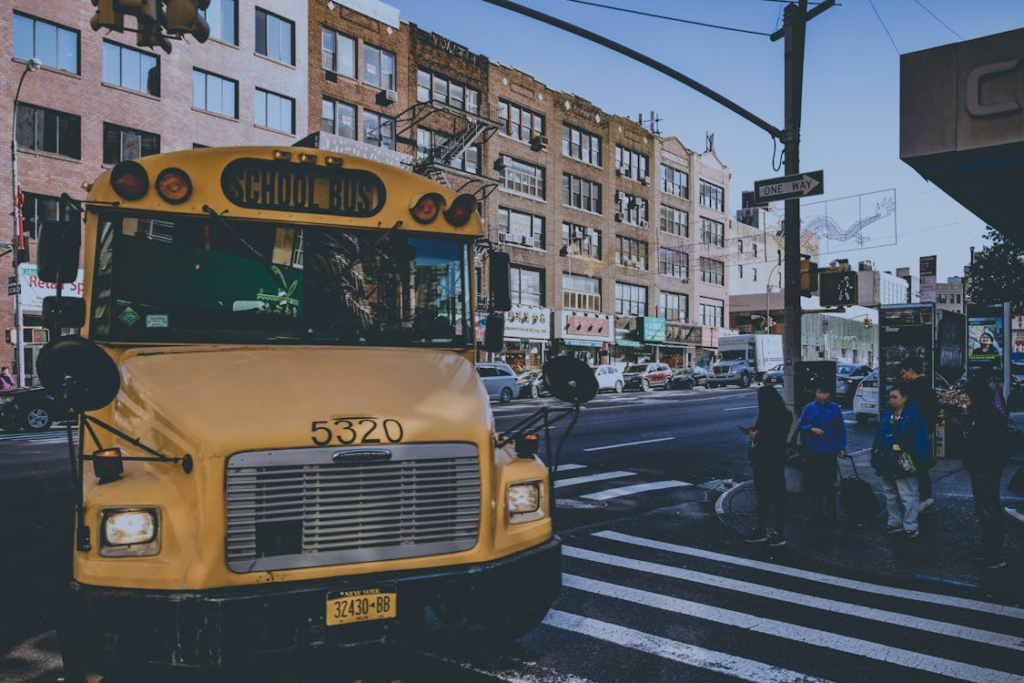
Every school day, over 20 million American children board yellow school buses, trusting these vehicles will transport them safely to and from school. Parents send their children off each morning with the reasonable expectation that school transportation systems prioritize student safety above all else. Unfortunately, this trust is sometimes tragically misplaced. School bus accidents, while relatively rare compared to other vehicle crashes, cause devastating consequences when they occur—ranging from minor injuries requiring brief medical attention to catastrophic harm causing permanent disability or death.
Some cases settle for tens of thousands of dollars, covering relatively minor injuries. In contrast, catastrophic cases involving permanent disability or wrongful death can result in multi-million dollar verdicts or settlements.
Understanding School Bus Accident Statistics
Before examining settlement values, it’s important to understand the frequency and causes of school bus accidents to appreciate the scope of this problem and the factors affecting liability.
How Common Are School Bus Accidents?
While school buses remain among the safest forms of student transportation statistically, accidents occur with disturbing regularity. The National Highway Traffic Safety Administration (NHTSA) tracks school bus-related crashes, defining them as accidents involving vehicles functioning as school buses regardless of whether children were aboard at the time.
In 2021, school transportation accidents killed 108 people across the United States. This figure includes four school bus passengers—children who boarded buses expecting safe transportation and never returned home. The remaining fatalities included occupants of other vehicles struck by buses, pedestrians, and bicyclists killed in bus-related crashes.
Beyond deaths, thousands of children suffer non-fatal injuries in school bus accidents annually. The NHTSA estimates that approximately 17,000 children receive emergency room treatment for school bus-related injuries each year. These injuries range from minor bruises and lacerations to life-altering trauma, including traumatic brain injuries, spinal cord damage causing paralysis, severe fractures requiring multiple surgeries, internal organ damage, and permanent scarring or disfigurement.
California, with its large population and extensive school bus transportation system, experiences a significant share of these accidents. Urban areas with heavy traffic and rural regions with challenging road conditions both present unique risks for school transportation safety.
Primary Causes of School Bus Accidents
Understanding accident causation helps identify liable parties and supports negligence claims. School bus accidents typically result from several common factors.
Driver Error and Negligence
Bus driver mistakes represent the leading cause of school transportation accidents. Despite specialized training requirements and Commercial Driver’s License (CDL) standards, numerous driver behaviors create dangerous conditions including distracted driving from cell phone use or inattention to road conditions, driver fatigue from early morning routes and long shifts, impaired driving from alcohol, drugs, or medications, speeding and aggressive driving to maintain tight schedules, failure to check blind spots when making turns or lane changes, and improper student loading and unloading procedures.
Understanding the differences between careless and reckless driving helps establish the negligence level in driver error cases. Simple mistakes may constitute ordinary negligence, while conscious disregard for safety rises to reckless conduct justifying enhanced damages.
Bus drivers undergo special training through programs certified by the California Highway Patrol, learning proper vehicle operation, student management, emergency procedures, and defensive driving techniques. When drivers fail to apply this training or make preventable errors, their negligence creates liability for resulting injuries.
Distracted driving remains particularly dangerous for bus operators responsible for dozens of children’s lives. Even momentary inattention—checking a phone, adjusting a radio, or being distracted by unruly students—can result in catastrophic crashes.
Other Motorist Negligence
School buses don’t operate in isolation. Other drivers’ failure to follow school bus safety laws causes numerous accidents. According to California Vehicle Code Section 22454, all traffic must stop when school buses display flashing red lights and extended stop signs while loading or unloading students.
Drivers who illegally pass stopped school buses create extreme danger to children entering or exiting buses. These violations frequently result in children being struck by vehicles, causing severe injuries or deaths. Motorists who rear-end school buses, fail to yield right-of-way, or engage in aggressive driving around buses also bear liability for resulting accidents.
Vehicle Design and Manufacturing Defects
School buses’ unique design creates both safety advantages and potential hazards. Their substantial weight and high center of gravity make them prone to rollovers during sharp turns, sudden maneuvers, or collisions. Manufacturing defects and design flaws that cause accidents include defective braking systems failing to stop heavy vehicles, tire blowouts from defective tires or inadequate maintenance, steering mechanism failures, defective seat and restraint systems, and structural weaknesses causing catastrophic failures in crashes.
When vehicle defects cause accidents, manufacturers face strict product liability regardless of whether they acted negligently. Similar to other large vehicle accident cases, defective school bus claims can result in substantial settlements.
Poor Weather Conditions
Rain, snow, fog, and ice dramatically increase school bus accident risks. Reduced visibility makes it difficult for drivers to see pedestrians, other vehicles, and road hazards. Wet or icy roads extend stopping distances and reduce traction, making it easier for heavy buses to skid or lose control.
School districts that fail to delay or cancel transportation during dangerous weather conditions may share liability when accidents occur. Bus drivers who don’t adjust their driving for hazardous conditions—reducing speed, increasing following distance, and exercising extra caution—demonstrate negligence contributing to crashes.
Inadequate Maintenance
School buses require rigorous maintenance to operate safely. Buses carrying dozens of children daily accumulate significant wear on critical systems. Transportation companies and school districts must implement comprehensive maintenance programs. These routines should entail regular brake inspections and replacements, tire condition monitoring and rotation, engine and transmission servicing, steering and suspension system checks, and safety equipment testing, including lights, mirrors, and warning devices.
When maintenance lapses cause mechanical failures resulting in accidents, the entities responsible for bus maintenance face liability for injuries. Evidence of skipped inspections, deferred repairs, or inadequate maintenance protocols strongly supports negligence claims.
Who Can Be Held Liable for School Bus Accidents?
Determining liability in school bus accidents requires analyzing all potentially responsible parties. Unlike simple two-vehicle crashes with clear fault, school transportation accidents often involve multiple defendants sharing responsibility.
School Bus Drivers
Individual bus drivers bear primary responsibility for safely operating vehicles and protecting student passengers. They face personal liability when their negligence causes accidents through distracted, reckless, or impaired driving, failure to follow traffic laws and safety protocols, improper student loading and unloading procedures, inadequate pre-trip safety inspections, and failure to maintain proper control of students, creating driver distractions.
However, individual drivers rarely possess sufficient personal assets to fully compensate for serious injuries, making claims against their employers more valuable financially.
School Districts
Public school districts that operate their own bus fleets may face liability under the California Government Code if district negligence results in student injury. They may be held responsible for hiring unqualified drivers, failing to conduct adequate background checks, providing insufficient training and supervision, neglecting to implement proper safety policies and procedures, inadequately maintaining their fleets, retaining drivers with poor safety records, and prioritizing cost savings over student safety.
For example, school districts that operate buses during dangerous weather conditions despite safety concerns may face liability when accidents occur. Districts that ignore repeated mechanical problems or defer necessary maintenance to save money demonstrate negligence, justifying substantial damages.
Importantly, claims against public school districts face unique procedural requirements, including extremely short filing deadlines discussed below.
Private School Bus Companies
Many school districts contract with private transportation companies to provide bus services. These companies can be held liable under standard negligence principles when their actions contribute to accidents. Common issues include inadequate driver hiring, training, and supervision; poor vehicle maintenance and inspection protocols; pressuring drivers to meet unrealistic schedules; encouraging speeding or cutting corners; failing to implement adequate safety policies; and using outdated or unsafe vehicles.
Private company cases don’t face the same procedural hurdles as public entity claims, giving plaintiffs more time and flexibility in pursuing compensation.
Bus Manufacturers
When defective vehicles or components cause accidents, manufacturers face strict product liability. Injured children and families can sue manufacturers for design defects in vehicle systems creating unreasonable dangers, manufacturing defects where buses deviate from intended specifications, and failure to warn about known dangers or provide adequate safety instructions.
Manufacturer liability claims proceed independently of driver or district negligence. Even if drivers operated buses properly, manufacturer defects creating crashes establish liability for resulting injuries.
Other Motorists
Drivers of other vehicles involved in school bus accidents face liability when their negligence contributes to crashes, including illegal passing of stopped buses with activated signals, rear-ending buses due to following too closely or inattention, failing to yield right-of-way to buses, distracted or impaired driving, and excessive speed or aggressive driving.
In multi-vehicle accidents, liability often gets divided among multiple negligent parties based on their respective contributions to the crashes.
Governmental Entities Responsible for Road Maintenance
Poorly maintained roads, inadequate signage, broken traffic signals, and other roadway defects sometimes contribute to school bus accidents. Cities, counties, and state transportation departments responsible for road maintenance may share liability when dangerous road conditions cause crashes.
These claims also face governmental claim procedures and deadlines similar to school district cases.
Factors Affecting School Bus Accident Settlement Values
The amount of compensation in school bus accident settlements varies dramatically based on numerous factors. Understanding these variables helps families develop realistic expectations about potential recovery.
Injury Severity and Long-Term Impacts
The most significant factor affecting settlement values is the severity of the injury and its lasting consequences. Settlements must cover immediate medical expenses and anticipated future care.
Minor injuries, such as bruises, minor lacerations, and sprains, usually settle for $10,000–$50,000. This amount covers emergency treatment, brief follow-up care, and short-term pain and suffering.
Moderate injuries requiring substantial medical intervention, including simple fractures requiring casting but no surgery, concussions with full recovery, soft tissue injuries requiring physical therapy, and lacerations requiring stitches, typically settle for $50,000–$150,000. This reflects the need for more extensive medical treatment, longer recovery periods, and greater pain and suffering.
Serious injuries result in significant impairment. Examples include complex fractures requiring surgery, traumatic brain injuries with lasting cognitive effects, spinal injuries causing chronic pain or limited mobility, internal organ damage requiring surgery, and permanent scarring or disfigurement. Settlements for such injuries usually range from $150,000 to $500,000 to account for substantial medical costs, potential long-term care, and reduced quality of life.
Catastrophic injuries result in permanent and severe disabilities. These include severe traumatic brain injuries, spinal cord injuries causing paralysis, amputations, severe burns, and conditions requiring lifetime medical care. Settlements typically range from $500,000 to $5,000,000 or more, depending on lifetime medical expenses, permanent care needs, complete loss of a normal childhood or adult life, and profound suffering.
Wrongful death cases vary widely depending on the child’s age, family circumstances, and other case-specific factors. However, they often settle for $1,000,000 to $10,000,000, compensating families for the immeasurable loss of their child.

Medical Expenses: Past and Future
Settlements must fully compensate for all past and future medical expenses. These costs may include emergency room treatment, hospitalization, surgical procedures, physical therapy, rehabilitation, psychological counseling for trauma, prescription medications, medical equipment, and ongoing care for permanent injuries throughout the child’s lifetime.
For catastrophic injuries, life care planners and medical economists estimate lifetime care costs. These projections consider ongoing therapy, medical appointments, medications, assistive equipment, home modifications, and attendant care. They can reach into the millions of dollars for children who require decades of medical support.
Lost Parental Wages and Caretaking Costs
When children suffer serious injuries, parents often must take extended leave from work to provide care during recovery. Settlements can include compensation for parents’ lost wages during caretaking periods, reduced earning capacity if parents must reduce work hours or change careers to accommodate children’s ongoing care needs, and the cost of professional care services when parents cannot provide full-time care themselves.
For catastrophic injuries requiring lifelong care, settlements account for decades of parental caretaking or professional attendant care costs.
Pain and Suffering
Beyond economic losses, injured children deserve compensation for physical pain from injuries and medical treatment, emotional distress, anxiety, and trauma, loss of normal childhood activities and experiences, reduced quality of life from permanent injuries, and psychological impacts of scarring, disability, or altered appearance.
California doesn’t cap pain and suffering damages in personal injury cases, allowing juries to award amounts they deem appropriate. Catastrophic injuries causing profound suffering justify substantial non-economic damages often exceeding economic losses.
Liability Clarity
Settlement values increase when liability is clear and well-documented. Cases with strong evidence of defendant negligence, such as video footage of the accident, police reports establishing fault, expert testimony supporting negligence claims, and documented safety violations, usually settle for higher amounts than cases with disputed liability.
Defendants facing substantial evidence of negligence tend to offer reasonable settlements to avoid the risks of trial.
Comparative Negligence
California follows a pure comparative negligence system, which reduces a plaintiff’s recovery amount by their percentage of fault. If an injured child or their family contributed to an accident, their compensation will decrease proportionately.
For example, suppose a child darted into traffic without looking and was struck by a bus that was also speeding. In that case, a jury might assign partial fault to the child’s actions, reducing recovery accordingly. However, courts recognize that children’s judgment is less developed than adults’, making it difficult to assign significant comparative fault to young victims.
Insurance Coverage Limits
Available insurance coverage significantly impacts settlement potential. School districts typically carry substantial liability insurance, often $1–5 million or more in coverage. Private bus companies’ insurance varies widely, but commercial vehicle policies typically provide at least $1 million coverage.
When damages exceed available insurance, plaintiffs may struggle to collect full compensation even with favorable verdicts unless defendants possess substantial personal assets.
Defendant Willingness to Settle
Some defendants prefer settling cases quickly to avoid publicity, litigation costs, and trial risks. Others aggressively defend even strong liability cases. Defendant cooperation affects settlement timing and values, though plaintiffs can pursue trials when settlement offers prove inadequate.
Attorney Quality and Case Preparation
Experienced school bus accident attorneys typically secure significantly higher settlements than unrepresented plaintiffs or lawyers unfamiliar with these complex cases. Attorneys who thoroughly investigate accidents, retain strong experts, and demonstrate trial readiness create settlement pressure that defendants cannot ignore.
Understanding how much someone can recover for accidents helps families evaluate whether settlement offers fairly compensate their losses.
Average Settlement Ranges for California School Bus Accidents
While every case is unique, California school bus accident settlements generally fall within predictable ranges based on injury severity.
Typical Settlement Ranges
While every case is unique, California school bus accident settlements generally fall within predictable ranges based on injury severity.
- Minor Injuries: $10,000–$75,000. These cases usually involve injuries requiring limited medical treatment with complete healing and minimal lasting impact.
- Moderate Injuries: $75,000–$250,000. These cases often involve injuries requiring surgery, extended therapy, or causing lasting but manageable impacts on children’s lives.
- Serious Injuries: $250,000–$1,000,000. These cases involve injuries that substantially affect quality of life, require ongoing medical treatment, or cause permanent physical limitations.
- Catastrophic Injuries: $1,000,000–$10,000,000+. These cases include life-altering injuries that result in the need for lifetime care and significantly change the child’s expected life trajectory.
- Wrongful Death: $1,000,000–$10,000,000+. Settlements vary depending on circumstances, though no amount can fully compensate families for the loss of a child.
Factors Pushing Settlements Higher or Lower
Several factors cause specific cases to exceed or fall below typical ranges.
Factors increasing settlements include multiple liable defendants with substantial insurance, clear evidence of gross negligence or willful misconduct, particularly sympathetic victims or devastating life impacts, strong evidence and expert testimony, and high-quality legal representation creating trial pressure.
Factors decreasing settlements include disputed liability with weak evidence, comparative negligence reducing plaintiff fault percentages, limited insurance coverage restricting available compensation, and injuries healing more quickly than anticipated.
The Legal Process for School Bus Accident Claims
Successfully pursuing school bus accident compensation requires navigating complex legal procedures with strict deadlines and specific requirements.
Critical Filing Deadlines
Time limits for filing school bus accident claims depend on whether public entities or private companies operated the buses.
Claims Against Public School Districts
Claims against California public school districts, operated under governmental authority, face extremely short deadlines under the California Tort Claims Act (CTCA). Families must file formal government claims with the school district within six months of the accident date.
This six-month deadline is absolute and unforgiving. Missing it permanently bars claims regardless of injury severity or case strength. Even families dealing with children’s catastrophic injuries and overwhelming medical crises must meet this deadline or lose all rights to compensation.
The government claims filing initiates the formal claims process. School districts have 45 days to respond, either accepting or rejecting claims. Most claims get rejected, allowing families to then file lawsuits in the superior court. However, the initial six-month claim filing is mandatory and cannot be skipped.
Claims Against Private Bus Companies
When private transportation companies operate buses, standard personal injury statutes of limitations apply. California Code of Civil Procedure Section 335.1 provides two years from the accident date to file lawsuits.
While two years seems generous compared to six months for public entities, families shouldn’t delay. Evidence degrades, witnesses’ memories fade, and insurance companies grow more aggressive over time. Additionally, if any governmental entities share liability, the six-month deadline may apply to portions of cases.
Avoiding Common Mistakes
Many families unknowingly sabotage their claims by making preventable errors. Understanding the biggest mistakes people make after accidents helps avoid these pitfalls.
Common mistakes include:
- Delaying medical treatment, suggesting injuries aren’t serious.
- Failing to document injuries and accident scenes thoroughly.
- Giving recorded statements to insurance companies without attorney guidance.
- Posting about accidents on social media, providing evidence that defendants can use against claims.
- Accepting quick settlement offers before fully understanding the extent of injuries.
- Missing critical filing deadlines, which can permanently bar claims.
Essential Steps After a School Bus Accident
Families should take immediate action after children suffer bus accident injuries to protect their health and legal rights.
Immediate Actions
Seek emergency medical care for all injuries, regardless of their apparent severity. Some serious conditions, including internal injuries and concussions, may not be immediately obvious, yet they require prompt treatment to prevent complications.
Document everything about accidents and injuries. This includes photographing visible injuries and accident scenes, gathering witness contact information, obtaining copies of police reports, and recording children’s accounts of what happened while their memories are still fresh.
Report accidents to school districts or bus companies in writing immediately to create official records and start the notice clock for liability purposes.
Preserve all evidence, including damaged clothing or personal items, medical records and bills, and communications with school districts or bus companies.
Understanding vital steps for gathering evidence after accidents ensures families collect critical information supporting claims.
Consulting Attorneys Immediately
Given extreme filing deadlines for public entity claims, families must consult school bus accident attorneys immediately after injuries occur. Attorneys can:
- File required government claims, ensuring deadlines aren’t missed.
- Conduct thorough accident investigations before evidence disappears.
- Handle all communications with school districts and insurance companies.
- Retain medical and accident reconstruction experts.
- Calculate full damages, including future care needs.
- Negotiate settlements or litigate cases when necessary.
Most personal injury attorneys work on contingency fees, charging nothing unless they recover compensation, making quality representation accessible regardless of families’ financial circumstances.
Building Strong Cases
Successful school bus accident claims require comprehensive evidence to establish liability and prove damages.
Critical evidence may include:
- Official accident reports from the police and the California Highway Patrol (CHP).
- Witness statements from children, parents, teachers, or bystanders who observed the accident.
- Medical records documenting injuries, treatment, and prognosis.
- Video footage from bus cameras, traffic cameras, or witnesses’ cell phones.
- Maintenance records showing the bus condition and any prior mechanical problems.
- Driver personnel files revealing training, qualifications, and disciplinary history.
- School district policies and procedures regarding transportation safety.
- Weather records if conditions contributed to the accident.
- Expert opinions from accident reconstructionists, medical professionals, and engineers.
Thorough investigation and evidence gathering significantly strengthen settlement negotiations and trial presentations.
Negotiating Fair Settlements
Most school bus accident cases settle through negotiations rather than trials. However, securing fair settlements requires sophisticated negotiation strategies.
Experienced attorneys demonstrate case strength through comprehensive demand packages including detailed factual narratives of accidents, complete medical documentation and life care plans, expert reports supporting liability and damages, economic analyses calculating lifetime costs, and powerful presentations highlighting children’s suffering and life impacts.
Strong demand packages put pressure on defendants to make reasonable settlement offers instead of risking larger jury verdicts.
Frequently Asked Questions
How Long Do I Have To File a Claim After My Child’s School Bus Accident?
Deadlines depend on who operated the bus. For public school district buses, you must file government claims within six months of the accident—an extremely short deadline. For private bus company accidents, you have two years under California’s standard personal injury statute of limitations. Missing these deadlines permanently bars claims regardless of injury severity. Consult attorneys immediately after accidents to ensure compliance with all applicable deadlines.
Can I Sue if My Child Was Partially at Fault for the Accident?
Yes. California’s pure comparative negligence system allows victims to recover damages even if they are partially at fault. However, compensation is reduced by the percentage of fault assigned to the victim. For example, if your child suffered $100,000 in damages but were found 20% responsible, you’d recover $80,000. However, courts recognize children’s limited judgment and rarely assign significant comparative fault to young victims. Even if your child contributed to the accident, you likely have a viable claim if others were also negligent.
What if the Bus Driver Was Following All Rules When Another Car Caused the Accident?
You can pursue claims against the negligent motorist whose actions caused the accident. School bus accident claims aren’t limited to bus driver or district negligence. When other drivers illegally pass stopped buses, rear-end buses due to inattention, or otherwise cause crashes, they bear liability for resulting injuries. In fact, many school bus accidents result from other motorists’ negligence rather than bus driver errors.
Will My Child Have To Testify About the Accident?
It is possible, though most cases settle without going to trial. If your case goes to trial, your child may need to testify about how the accident occurred and its impact on their life. However, courts accommodate children’s needs by using age-appropriate procedures and by thoroughly preparing child witnesses. Additionally, younger children’s testimony can often be presented through recorded depositions rather than live court testimony, reducing stress.
Can I Include My Lost Wages in the Settlement if I Had To Miss Work Caring for My Injured Child?
Yes. According to California law, parents can receive compensation for lost wages if they miss work to provide care for injured children. Settlements can include compensation for past lost earnings during initial recovery and ongoing reduced earning capacity if children require long-term care, affecting parents’ ability to work. For catastrophic injuries, life care plans account for decades of parental caretaking or professional attendant care costs.
What if My Child Seemed Fine After the Accident but Symptoms Appeared Later?
Seek immediate medical attention even when symptoms appear delayed. Many serious injuries, such as concussions, internal injuries, and psychological trauma, have delayed symptoms. California’s statute of limitations may begin when injuries are discovered rather than when the accident occurred. However, determining these timelines is complex. Consult attorneys immediately to ensure that claims are filed on time, regardless of when symptoms manifested.
How Do Settlement Amounts Differ Between Public School Buses and Private Bus Companies?
Settlement values depend primarily on injury severity and damages rather than defendant type. However, procedural differences exist. Public entity claims face six-month filing deadlines and specific governmental claim requirements. Private company claims allow two years and follow standard litigation procedures. Insurance coverage may also differ, with school districts often carrying substantial liability policies while private companies’ coverage varies. Experienced attorneys navigate these differences, maximizing recovery from all responsible parties.
Can We Sue if the School District Claims Immunity?
California Government Code provides limited immunity for certain governmental functions, but school districts don’t have blanket immunity from liability. When district negligence causes student injuries—through inadequate driver training, poor vehicle maintenance, unsafe policies, or other failures—injured students can pursue compensation. Government claim procedures are complex, requiring strict compliance with notice requirements and deadlines. Consult attorneys experienced in public entity litigation to evaluate your specific case and ensure proper procedures are followed.
What if We Can’t Afford an Attorney?
Most California personal injury attorneys handling school bus accident cases work on contingency fees, charging no upfront costs and taking fees only from recovered compensation. If no recovery, you owe nothing. This arrangement makes quality legal representation accessible regardless of financial circumstances and aligns attorney incentives with maximizing your recovery. During free consultations, attorneys explain their fee structures and case evaluation.
Should We Accept the School District’s Initial Settlement Offer?
Never accept an initial offer without consulting an experienced attorney first. Insurance companies and school districts often make quick, lowball offers, hoping that families will accept inadequate compensation before understanding the full extent of the damages. These offers typically represent tiny fractions of actual case values. Once you accept and sign releases, you permanently waive rights to pursue additional compensation even if injuries prove more serious than initially apparent. Always consult attorneys who can evaluate whether offers fairly compensate your losses.
Expert Tips for Families After School Bus Accidents
Protect your children’s legal rights and maximize potential compensation with these professional recommendations.
- Document Everything Right Away: Take photos of injuries and the accident scene from multiple angles, and gather witness contact details. Record your child’s account while memories are fresh—early documentation is crucial evidence.
- Seek Medical Care Immediately: Even minor injuries need prompt evaluation. Some conditions—like concussions or internal trauma—aren’t visible right away. Early treatment creates vital medical records linking injuries to the accident.
- Avoid Giving Statements Without a Lawyer: Insurance adjusters may call soon after the accident. Don’t provide recorded statements—they can be used against you later. Refer all communications to your attorney.
- Preserve All Physical Evidence: Keep damaged clothing, backpacks, and other items as they may show how injuries occurred. Don’t clean or repair them until reviewed by your attorney or experts.
- Consult a School Bus Accident Attorney Quickly: Strict deadlines apply—public school claims often require action within six months. Experienced attorneys can preserve evidence, handle complex investigations, and secure fair compensation.
Get the Compensation Your Family Deserves
Don’t let strict filing deadlines or complex procedural requirements prevent your family from pursuing the justice and compensation your injured child deserves. School districts and insurance companies employ experienced attorneys to minimize their liability—your family needs equally skilled legal representation.
Contact Adamson Ahdoot today for a free, confidential consultation about your child’s school bus accident case. Our experienced personal injury attorneys have over 100 years of combined legal experience handling complex injury cases throughout California.
Call (866) 645-4992 now to speak with compassionate legal professionals who will thoroughly investigate your child’s accident. They will identify all liable parties, file the necessary government claims before strict deadlines, and consult with medical experts to document your child’s injuries and future needs. Our attorneys will secure the maximum compensation you deserve.
Your child’s future shouldn’t be compromised by inadequate compensation from preventable bus accidents. Let us fight for the justice and full recovery your family deserves.
References
- Centers for Disease Control and Prevention, “Child Passenger Safety: School Transportation,” 2024
- National Highway Traffic Safety Administration, “School Bus Safety Statistics,” Annual Reports 2018-2023
- California Vehicle Code Section 22454 (Passing School Buses)
- California Government Code Sections 810-996.6 (California Tort Claims Act)
- California Code of Civil Procedure Section 335.1 (Personal Injury Statute of Limitations)
- California Civil Code Section 1714 (Duty of Care and Premises Liability)
- California Department of Motor Vehicles, “School Bus Driver Requirements and Training,” 2024
- California Highway Patrol, “School Bus Safety and Inspection Guidelines,” 2024