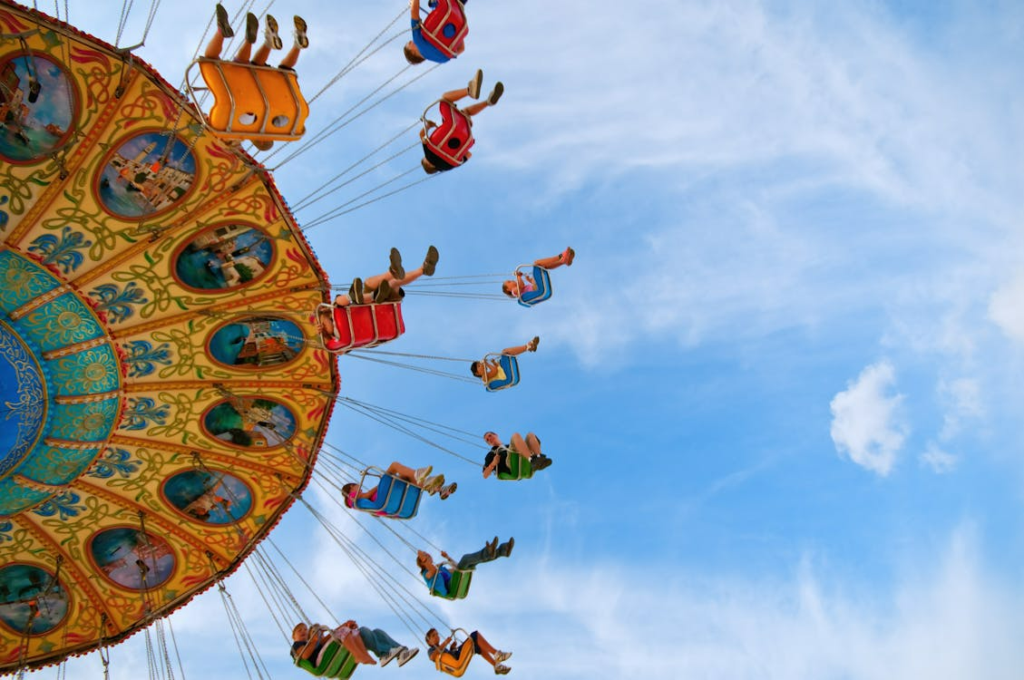
California is home to some of the world’s most famous amusement parks, including Knott’s Berry Farm, Six Flags Magic Mountain, and Disneyland. Thousands of families visit these attractions each year, hoping for fun and memorable experiences.
However, a safe visit isn’t always guaranteed. According to the U.S Consumer Product Safety Commission (CPSC), approximately 30,000 amusement park accidents occur across the United States annually. While most result in minor injuries, several fatalities have also been recorded at these parks.
Accidents at theme parks can be sudden and overwhelming. However, understanding what steps to take immediately after an amusement park injury can significantly impact your ability to recover compensation and hold negligent parties accountable.
This updated guide will help you understand the legal responsibility of theme parks and explain what to do in case of injury or death. Read on to learn how to protect yourself and your loved ones after an amusement park accident.
Want to protect yourself and your loved ones after an amusement park accident? Talk to a personal injury expert today to learn your legal rights and the next steps for your case. Call Adamson Ahdoot now at (866) 645-4992.
Immediate Steps to Take After an Amusement Park Accident in California
If you or a loved one has been injured while visiting an amusement park, taking the right actions immediately can protect both your health and your legal rights. Follow these critical steps to ensure proper documentation and preserve your ability to seek compensation.
Seek Medical Attention Immediately
First and foremost, locate an employee who can assist you in obtaining medical attention. Most major amusement parks maintain on-site medical staff who can assess injuries and provide initial treatment. These medical professionals will evaluate your condition to determine whether you need transportation to a hospital for emergency care.
Why this matters:
- If you intend to file a claim against the park later, accepting immediate medical care is essential: it creates an official record linking your injury to the incident.
- Failure to seek prompt treatment could significantly weaken your claim. The park’s legal team may argue that your initial injury worsened because you refused assistance from their staff.
- Some serious injuries like traumatic brain injuries, internal bleeding, or spinal damage may not present immediate symptoms. A professional medical evaluation ensures that hidden injuries are identified and treated promptly, thereby preventing potentially life-threatening complications.
Obtain an Official Incident Report
Once you receive necessary emergency care, a park representative will create an official report documenting the incident. They will ask detailed questions about how the injury occurred, what you were doing at the time, and any factors that contributed to the accident.
During this crucial conversation, complete honesty matters. Provide as much accurate information as possible about the circumstances surrounding your injury. Include details about:
- The specific ride or area where the accident occurred
- Time of day and weather conditions
- Any warnings or safety instructions provided
- Witness names and contact information
- Equipment malfunctions or hazardous conditions you observed
- Employee actions or inactions that contributed to the incident
Request a copy of this official report for your records. If the park refuses to provide one, document this refusal and note the names of all employees you interacted with.
Contact a California Personal Injury Lawyer
After giving your statement to park officials, do not sign any documents or accept offers from amusement park representatives. Instead, contact an experienced personal injury lawyer who can guide you on the best path forward and protect your legal rights.
A California premises liability attorney can:
- Assess the true value of your claim
- Protect you from lowball settlement offers or legal tactics used by the park
- Guide you through negotiations or litigation if necessary
At this early stage, the true value of your claim remains undetermined. Park representatives may try to resolve the matter quickly with a low settlement, minimizing their liability. If you accept their initial offer, they can use this acceptance against you if you later discover your injuries are more severe than initially apparent or if you attempt to file a lawsuit for additional compensation.
Contact our Los Angeles personal injury lawyers who specialize in premises liability cases and understand how to navigate complex negotiations with major amusement park corporations.
Document Everything at the Scene
While still at the park, gather as much evidence as possible:
- Photograph the ride or area where the accident occurred
- Take pictures of any visible injuries
- Record video of the scene, including safety signage and equipment conditions
- Obtain contact information from witnesses who saw what happened
- Save your ticket, wristband, or any documentation from your visit
- Note the names and badge numbers of all employees involved
This documentation becomes invaluable evidence when building your case, especially if the park attempts to deny responsibility or claims the incident never occurred.
If you were injured at Disneyland, Six Flags, or Knott’s Berry Farm, call Adamson Ahdoot at (866) 645-4992 for a free case review.
Common Types of Amusement Park Injuries in California
Accidents at amusement parks can result in a wide range of injuries, from minor to catastrophic. Understanding the types of injuries commonly associated with these incidents helps victims recognize when they need medical attention and legal representation.
Physical Trauma Injuries
- Broken Bones and Fractures: High-speed rides and sudden stops can cause fractures in arms, legs, ribs, and other bones
- Whiplash and Neck Injuries: Rapid acceleration and deceleration forces strain neck muscles and ligaments
- Back and Spinal Cord Injuries: Severe impacts can damage vertebrae or the spinal cord, potentially causing paralysis
- Traumatic Brain Injuries: Head strikes during rides or falls can result in concussions, contusions, or more severe brain damage
- Eye Injuries: Foreign objects, debris, or impact can damage eyes, potentially causing vision loss
Internal and Organ Injuries
- Internal Bleeding: Blunt force trauma may cause internal hemorrhaging not immediately apparent
- Organ Damage: Liver, kidney, or spleen injuries from severe impacts or restraint compression
- Abdominal Trauma: Lap bars and restraints that are too tight can cause internal injuries
Other Common Amusement Park Injuries
- Drowning or Near-Drowning: Water park attractions pose unique risks, particularly for children and weak swimmers
- Food Poisoning: Contaminated food or beverages sold at park concessions
- Heat Stroke and Dehydration: Extended exposure to heat while waiting in lines
- Heart Attacks and Strokes: Intense rides triggering cardiovascular events in susceptible individuals
- Lacerations and Cuts: Sharp edges, broken equipment, or glass can cause wounds
- Burns: Friction burns from slides or thermal burns from malfunctioning equipment
These amusement park injuries may be caused by ride malfunctions, poorly trained park operators, inadequate safety inspections, defective equipment, or unruly guests. Similar to other premises liability cases, establishing the cause of injury is essential for determining liability and pursuing compensation.
Determining Liability in California Amusement Park Accidents
Under California law, accidents at theme parks fall under the premises liability doctrine. This legal framework establishes that property owners, including amusement parks, owe a duty of care to all lawful visitors on their premises.
Amusement Park Duty of Care
California Civil Code Section 1714 requires amusement parks to maintain reasonably safe conditions and protect visitors from foreseeable harm. This legal obligation means parks must:
- Conduct regular safety inspections of all rides and attractions
- Maintain equipment according to manufacturer specifications
- Train employees properly in ride operation and emergency procedures
- Warn visitors of known dangers or risks
- Repair or close malfunctioning equipment immediately
- Remove hazardous conditions that could cause injuries
- Enforce safety rules to protect all guests
If you were injured due to a hazard the park failed to remove or a broken ride that they didn’t fix, the facility can be held financially responsible for your injuries. This includes compensation for your medical expenses, lost wages, and pain and suffering.
California’s Comparative Negligence Law
Before filing your claim, understand that California follows a pure comparative negligence system under California Civil Code Section 1714. This means that if you were partially responsible for your amusement park injuries, the value of your compensation would be reduced by your percentage of fault.
For example: If a jury determines you are 20% at fault for your injuries and awards $100,000 in damages, you would receive $80,000 (80% of the total award).
This rule may apply if park-goers are injured because they:
- Failed to follow the posted height requirements
- Ignored safety instructions provided by ride operators
- Behaved recklessly or dangerously on attractions
- Removed or loosened safety restraints during operation
- Entered restricted or unauthorized areas
However, even if you share some responsibility, you can still recover substantial compensation for your injuries under California’s comparative fault system.
Establishing Negligence in Amusement Park Cases
To succeed in your premises liability claim against an amusement park, you must prove four essential elements:
- Duty of Care: The amusement park owed you a legal duty to maintain safe premises
- Breach of Duty: The park violated this duty through action or inaction
- Causation: The breach directly caused your injuries
- Damages: You suffered actual harm resulting in economic and non-economic losses
Expert witnesses play a crucial role in establishing these elements. This is especially true when technical issues, such as ride malfunctions or engineering defects, contributed to your accident.
Factoring in Disclaimers and Assumption of Risk Defenses
Entertainment facilities, such as theme parks, often employ legal strategies to limit their liability. These strategies include ticket disclaimers and assumption of risk arguments. Understanding how California courts evaluate these defenses is crucial to protecting your legal rights after an amusement park injury.
Ticket Disclaimers and Liability Waivers
Many amusement parks include finely printed disclaimers on tickets stating that visitors cannot file lawsuits against the park owners if they are injured on the premises. Park representatives may cite these clauses when denying your claim, but these disclaimers rarely hold up in California courts.
California judges consistently recognize that such disclaimers can be:
- Too Vague: Overly broad language that doesn’t specify actual risks
- All-Inclusive: Attempting to waive liability for all injuries, including those caused by gross negligence
- Unconscionable: Unfairly one-sided terms that violate public policy
- Hidden: Fine print that visitors cannot reasonably review before purchasing tickets
Note: California law generally prohibits waivers that attempt to exempt parties from liability for their own negligence, fraud, or willful injury to others. This principle is particularly applicable to businesses serving the general public, such as amusement parks.
Special Protections for Children and Minors
California law provides additional protections for children who have been injured. Minors (individuals under 18 years old) are legally unable to enter into binding contracts that absolve them of legal liability. Therefore, amusement parks cannot enforce ticket disclaimers against claims filed on behalf of injured children.
If you’re pursuing compensation for your injured child, the park’s disclaimer language is essentially meaningless. Courts recognize that parents cannot waive their children’s right to seek compensation for injuries caused by negligence.
Assumption of Risk Doctrine in California
Another defense strategy amusement parks may employ is the assumption of risk doctrine. This legal principle states that individuals who voluntarily participate in activities with known inherent risks cannot later sue for injuries resulting from those risks, even if the injuries were unforeseen.
Amusement parks typically post warning signs on rides that may pose a higher risk to certain individuals. For instance, some attractions use strobe lights dangerous for riders with epilepsy, or involve extreme forces that could harm people with heart conditions or neck problems. These warnings inform visitors of specific dangers. Guests who choose to ride despite these signs may be considered to have assumed those risks.
Limited Application in California
However, California’s assumption of risk doctrine applies narrowly, primarily to sports and activities that are inherently dangerous by their nature, such as rock climbing, skiing, base jumping, or competitive sports.
Standard amusement park rides, even thrilling roller coasters, generally do not qualify as inherently dangerous activities under California law. Therefore, entertainment parks cannot successfully use the assumption of risk as a complete defense against most injury claims.
Even with warning signs, theme parks have a responsibility to maintain rides safely, operate equipment properly, and protect visitors from unreasonable hazards. Assumption of risk is not a complete defense for most injury claims in California.
How Much Compensation Can You Recover?
The value of your amusement park injury claim depends on numerous factors, including the severity of your injuries, the clarity of the park’s liability, and the strength of available evidence. Understanding potential damages helps you evaluate settlement offers and make informed decisions about your case.
Economic Damages
Economic damages compensate for measurable financial losses:
- Medical Expenses: Hospital bills, surgery costs, medications, physical therapy, and future medical care
- Lost Wages: Income lost during recovery and treatment
- Lost Earning Capacity: Reduced ability to earn income if injuries cause permanent disability
- Property Damage: Damaged personal belongings, wheelchairs, or prosthetics
Non-Economic Damages
Non-economic damages address intangible losses:
- Pain and Suffering: Physical pain and discomfort from injuries
- Emotional Distress: Anxiety, depression, PTSD, or other psychological impacts
- Loss of Enjoyment of Life: Inability to participate in previously enjoyed activities
- Disfigurement and Scarring: Permanent physical changes affecting appearance
- Loss of Consortium: Impact on relationships with spouse and family members
Punitive Damages
In cases involving gross negligence or intentional misconduct by the amusement park, California courts may award punitive damages under California Civil Code Section 3294. These damages punish egregious behavior and deter similar conduct in the future. Examples include:
- Parks knowingly operating defective equipment
- Intentionally ignoring safety regulations
- Concealing known hazards from visitors
- Failing to address repeated safety complaints
Similar to other cases involving corporate negligence, amusement park injury settlements can range from thousands to millions of dollars, depending on the severity of the injury and the defendant’s culpability.
Frequently Asked Questions About Amusement Park Accidents
What Should I Do if the Theme Park Refuses To Create an Incident Report?
Document everything yourself by taking photos, getting witness information, and seeking immediate medical care. Your attorney can formally request the incident report through legal channels and may file complaints with regulatory agencies if the park refuses to cooperate.
How Long Do I Have To File an Amusement Park Injury Lawsuit in California?
California’s statute of limitations for personal injury claims is two years from the date of the injury, as stated in California Code of Civil Procedure Section 335.1. For wrongful death claims, the deadline is also two years from the date of death.
Can I Sue if I Signed a Waiver Before Entering the Park?
Yes, liability waivers are often unenforceable in California, particularly when injuries result from the park’s negligence. Consult with an attorney who can evaluate whether the waiver is valid under California law.
What if My Child Were Injured, but I Signed a Waiver on Their Behalf?
Liability waivers in California cannot bind minors. Parents cannot waive their children’s legal rights to seek compensation for injuries caused by the negligence of others.
Will My Claim Be Affected if I Didn’t Follow the Height Requirements?
Your claim may be reduced under California’s comparative negligence law, but you can still recover compensation. Height requirements exist for safety reasons, and violating them may result in shared fault.
What if I Were Injured on a Ride That Wasn’t Malfunctioning?
You may still have a claim if the ride was operated improperly, lacked adequate safety restraints, or if employees failed to provide proper instructions or warnings about risks.
How Do I Know if the Amusement Park Was Negligent?
Your attorney will investigate whether the park failed to maintain equipment, properly train staff, conduct safety inspections, or address known hazards. Engineering experts may analyze ride mechanics to determine if defects contributed to your accident.
Can I Recover Compensation if I Have Pre-Existing Medical Conditions?
Yes, the “eggshell plaintiff” rule in California allows recovery even if pre-existing conditions made you more susceptible to injury. The park must accept visitors as they are.
What Happens if the Park Blames an Equipment Manufacturer?
Multiple parties may share liability, including the park operator and equipment manufacturer. Your attorney can pursue claims against all responsible parties to maximize your compensation.
Should I Accept the Amusement Park’s Settlement Offer?
Never accept a settlement without consulting an attorney first. Initial offers are typically far below the true value of your claim. Experienced personal injury lawyers can maximize your compensation through skilled negotiation and litigation.
Real Examples of Amusement Park Injury Cases in California
$7.25M Awarded to Woman Injured at Universal Studios Hollywood
A 74-year-old woman suffered a spinal compression fracture after slipping while exiting a ride at Universal Studios Hollywood. The incident occurred when her safety restraint failed to lock properly on the Harry Potter and the Forbidden Journey attraction.
A California jury ultimately found the park responsible for creating unsafe conditions and awarded the woman $7.25 million in damages.
Expert Safety Tips
- Review Ride Safety Information. Carefully read all posted warnings about health conditions, height requirements, and age restrictions before boarding. Take these precautions seriously as they’re designed to protect you from injuries, and ignoring them could affect your ability to recover compensation if injured.
- Inspect Safety Restraints and Equipment. Ensure lap bars, shoulder harnesses, and seatbelts function properly and fit securely before the ride begins. If restraints appear loose, damaged, or fail to lock correctly, immediately notify the ride operators and refuse to ride until the issue is resolved.
- Keep Hands, Arms, and Legs Inside. Follow all operator instructions and keep your body inside the ride vehicle at all times. Extending body parts outside ride boundaries significantly increases injury risk and could constitute comparative negligence that reduces your compensation in an accident.
- Report Unsafe Conditions Immediately. Document hazards such as wet floors, broken equipment, inadequate lighting, or malfunctioning rides. Taking photos and filing written complaints creates evidence trails that protect both you and future visitors.
- Supervise Children Closely. Young visitors may not understand safety rules or recognize potentially hazardous situations. Children account for a disproportionate number of amusement park injuries, making parental vigilance essential for preventing accidents.
How an Amusement Park Accident Lawyer Can Help
Whether your loved one’s injuries are minor or severe, recovering from amusement park accidents requires significant time, energy, and resources. Most families prefer to have experienced legal professionals handle their claims, allowing them to focus on physical recovery and emotional healing.
A reliable lawyer specializing in premises liability and amusement park injuries will fight to get you the compensation you deserve. But how can expert attorneys, like those at Adamson Ahdoot, assist you with your case? Here are some of the key ways they can help:
Comprehensive Case Building
Your attorney will work with accident reconstruction specialists, medical professionals, engineering experts, and safety consultants to build a comprehensive case on your behalf. These expert witnesses can demonstrate how the park’s negligence caused your injuries and establish the full extent of your damages.
Negotiating With Corporate Legal Teams
Hiring an attorney also means avoiding the stressful process of negotiating directly with amusement park corporations. These companies employ dozens or hundreds of legal representatives dedicated to minimizing liability and protecting corporate interests. Their lawyers will use every available tactic to reduce settlement amounts or deny claims entirely.
Without experienced legal representation, you face significant disadvantages when dealing with corporate defense teams that handle these cases on a daily basis. An attorney levels the playing field by understanding defense strategies and countering them effectively.
Investigation and Evidence Gathering
Your lawyer will conduct independent investigations to determine the true value of your case, including:
- Obtaining maintenance records and safety inspection reports
- Reviewing employee training documentation
- Analyzing surveillance footage from park cameras
- Interviewing witnesses who saw the accident occur
- Consulting with engineers about equipment failures
- Examining similar incidents at the same park or ride
This thorough investigation often reveals evidence the park hoped to conceal, such as prior complaints about the same ride or known equipment defects that weren’t addressed.
Why Choose Adamson Ahdoot for Your Amusement Park Injury Case
When you or a loved one is injured at an amusement park in California, you need a legal team that knows how to take on major corporations—and win.
At Adamson Ahdoot, our lawyers are here to help you recover from your amusement park accident and obtain the maximum compensation available under California law. With our representation, you receive the personalized attention and care of a boutique firm while still benefiting from the resources and expertise of a larger practice. Our team has over 100 years of combined legal experience handling complex premises liability cases against major corporations, including California’s largest amusement parks and other prominent entities. We understand the strategies corporations use to minimize responsibility, and we know exactly how to counter them to protect your rights.
We proudly serve a diverse range of clients throughout California, offering free consultations in both English and Spanish. And with our contingency fee structure, you pay nothing upfront—we only get paid if we recover compensation for you.
Contact us today at (866) 645-4992 to schedule your free case evaluation and learn how we can help you build a strong claim for maximum compensation.
References
- California Civil Code Section 1714 (Duty of Care and Comparative Negligence)
- California Civil Code Section 3294 (Punitive Damages)
- California Code of Civil Procedure Section 335.1 (Personal Injury Statute of Limitations)
- Consumer Product Safety Commission (CPSC) – Amusement Ride Safety
- California Division of Occupational Safety and Health (Cal/OSHA) – Amusement Ride Regulations
- International Association of Amusement Parks and Attractions (IAAPA) – Safety Standards