Wildfire claim evidence plays a critical role in determining who may be held responsible for a fire and what compensation victims may recover. From property damage and financial losses to medical records and witness statements, the documentation you preserve can help your attorney build a stronger case.
However, not all evidence serves the same purpose. Some records help establish liability, while others document the extent of your losses or connect your injuries to the fire. Understanding what to collect—and what your wildfire lawyer may need to investigate—can make a meaningful difference in how your lawsuit is prepared.
📋 Not Sure If You Have Enough Evidence?
You don’t need to have all your documents together before speaking with an attorney. Adamson Ahdoot can review your current evidence, identify potential gaps, and explain your legal options.
Call (866) 645-4992 for a free consultation.
Quick Answer: What Evidence Does a Wildfire Lawyer Need?
A wildfire attorney needs strong evidence to establish liability, document losses, and build a compelling case. Depending on the circumstances, important wildfire claim evidence may include:
- Photos and videos of property damage
- Proof of ownership
- Repair estimates
- Insurance documents
- Utility company notices and records
- Evacuation and displacement expenses
- Medical documentation
- Witness statements
A well-supported lawsuit combines evidence of what happened, who may be legally responsible, and the losses suffered.
Why Is Evidence so Important in a Wildfire Claim?
Wildfire litigation requires more than just proving that a fire occurred. Evidence helps establish the circumstances surrounding the blaze, connect it to specific losses, and evaluate potential legal responsibility.
Strong documentation can be helpful for your wildfire lawyer:
- Establish Liability.
Identify potentially responsible parties and examine the legal grounds for a lawsuit. - Demonstrate Causation.
Connect the wildfire to property damage, physical injuries, or other claimed losses. - Document Damages.
Support the value of property losses, medical expenses, displacement costs, lost income, and other potentially recoverable damages.
Collecting and preserving evidence early can help prevent important information from being lost and make it easier to evaluate your claim.
Below are eight types of evidence that could strengthen your case.
1. Photos and Videos of Property Damage
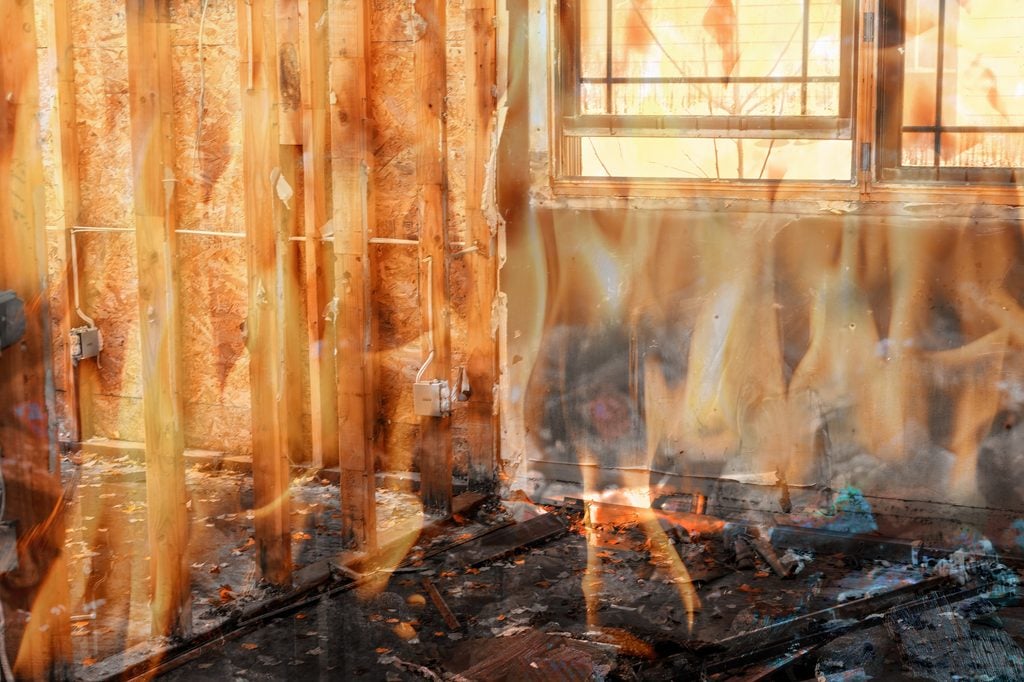
Visual documentation is a cornerstone of any wildfire claim. If you’re able to return safely to your property:
- Take wide-angle and close-up shots of damaged structures, vehicles, and belongings.
- Capture multiple angles and lighting conditions.
- Photograph damage before cleanup or repairs, when safe to do so.
These images can document the extent of the damage, establish the property’s condition, and support repair estimates and other claimed losses.
Keep the original files whenever possible, as their timestamps and metadata may help establish when you documented the damage. Properly preserving wildfire evidence can also prevent important information from being lost.
If you have photos or videos of your property taken before the fire, they could be extremely valuable. They let wildfire attorneys compare before-and-after conditions and quantify your losses more accurately.
2. Repair Estimates and Contractor Assessments
Once the fire is contained and it’s safe to inspect the property, getting professional repair estimates is essential.
- Hire licensed contractors to assess structural damage.
- Request written estimates with line-item breakdowns.
- Get second opinions if possible—multiple quotes can provide valuable context.
These estimates can enable your wildfire lawyer to assess whether the cost of repairing or rebuilding your property is adequately reflected in the insurance settlement.
3. Proof of Ownership and Personal Property Loss
Insurance companies and other potentially liable parties may request documents showing that you owned the damaged property or personal belongings. To prepare, gather:
- Mortgage or property tax statements.
- Homeowner’s or renter’s insurance policies.
- Receipts for major purchases.
- Inventory lists of damaged belongings.
Photos of your home’s interior from before the fire can be invaluable, even if they were taken for unrelated reasons like real estate listings or family albums.
4. Insurance Correspondence and Claim Documents
Document every interaction you have with your insurance provider. This includes:
- Initial claim filings.
- Emails or letters discussing coverage or exclusions.
- Denial notices or underpayment explanations.
- Adjuster visit notes and inspection reports.
Sharing these records with your wildfire attorney can help them evaluate coverage disputes, assess whether an insurer may have acted in bad faith, and identify potential options for recovering additional compensation.
5. Utility Company Notices and Maintenance Records
Utility companies may face legal liability when their equipment or operations contribute to a wildfire. Downed power lines, equipment failures, inadequate vegetation management, or decisions involving power shutoffs may become important factors in an investigation.
If you received any of the following, save them:
- Pre-fire notices from utility companies about maintenance or planned outages.
- Post-fire communications, including statements about the fire, equipment conditions, or power outages.
- Copies of your utility bills showing you were a customer at the affected address.
These documents may assist in establishing a timeline and identifying relevant utility operations. Your lawyer may also request maintenance records, inspection reports, and expert findings in order to investigate the origin of the fire and potential liability.
💡 Did You Know?
California’s CAL FIRE incident database provides official information about wildfire locations, affected areas, incident status, and other reported details. While these records can provide a timeline, they do not automatically prove who is legally responsible for a wildfire.
6. Evacuation Orders and Displacement Records
Keep records of your evacuation, including any evacuation-related injuries, temporary housing, and out-of-pocket expenses. This documentation can substantiate losses such as:
- Hotel stays.
- Rental property costs.
- Transportation expenses.
- Lost income.
Save evacuation alerts (texts, emails, or public notices), along with any receipts or documents showing when and where you were displaced.
7. Medical Records and Emotional Distress Documentation
Wildfires don’t just cause property loss—they can have lasting effects on your health and emotional well-being. If you or a loved one experienced smoke inhalation, anxiety, PTSD, or other health conditions following wildfire exposure or evacuation:
- Seek medical treatment and keep all related documents.
- Request documentation from therapists or counselors.
- Maintain a journal describing your physical and emotional recovery.
Medical records and mental health documentation can support lawsuits for treatment expenses, physical injuries, and emotional distress. Whether these damages are recoverable depends on the circumstances and the applicable law.
8. Witness Statements and Community Impact
Sometimes, your story is part of a larger narrative. If neighbors or community members have valuable perspectives, consider gathering:
- Written or recorded witness statements.
- News articles detailing the fire’s cause or spread.
- Social media posts or videos showing the fire’s impact.
Your wildfire attorney can assess whether these accounts and public records help corroborate your experience, establish a timeline, or identify evidence relevant to the fire’s cause and impact.
Expert Tips: How to Protect Your Wildfire Claim Evidence
2. Create a Timeline. Record important dates, including evacuation orders, property inspections, medical appointments, and insurance communications.
3. Don’t Discard Damaged Property Too Soon. When safe and practical, document damaged belongings before disposal. Check with your insurer or lawyer about inspection requirements.
4. Avoid Public Speculation. Be cautious about posting unverified statements regarding the fire’s cause, responsibility, or the extent of your losses on social media.
Let Our Wildfire Attorneys Help You Build a Stronger Claim
Preserving evidence of wildfire damage is an important first step, but you don’t have to navigate the legal process alone. Whether you’re dealing with property damage, medical expenses, displacement, or lost income, knowing how to document your losses can safeguard your right to seek compensation.
At Adamson Ahdoot, our experienced wildfire attorneys can review your documentation, investigate potentially responsible parties, and help you pursue compensation under California law. While you focus on your recovery, we work to build evidence-backed claims.
Don’t wait until important evidence is lost. Call (866) 645-4992 for a free consultation, or contact us online to discuss your wildfire lawsuit.