Slip-and-fall accidents are one of the most common causes of serious injury in California. From grocery stores and apartment buildings to sidewalks and parking lots, hazardous conditions can appear in everyday places and lead to lasting physical and financial consequences.
Under California law, property owners and occupiers have a legal duty to keep their premises reasonably safe. If they fail to do so and someone is injured as a result, they may be held liable in a personal injury claim. Understanding your rights after a slip-and-fall accident can help you protect your health, preserve evidence, and pursue fair compensation.
If you or a loved one were injured due to unsafe conditions on someone else’s property, speaking with a California personal injury attorney early can help you understand your options and next steps.
Key Takeaways
- Property owners in California may be held legally responsible for slip-and-fall injuries caused by unsafe conditions.
- Proving negligence requires showing that a hazardous condition existed and that the property owner knew or should have known about it.
- Medical records, photos, and witness statements help prove both the injury and its connection to the accident.
- California’s comparative negligence law allows compensation even if you are partly at fault, though recovery may be reduced.
- An experienced personal injury attorney can investigate the incident and pursue fair compensation on your behalf.
Injured in a slip-and-fall accident caused by unsafe property conditions? Call Adamson Ahdoot at (866) 645-4992 for a free consultation with our bilingual legal team to learn how we can help protect your rights.
What Qualifies as a Slip-and-Fall Accident?
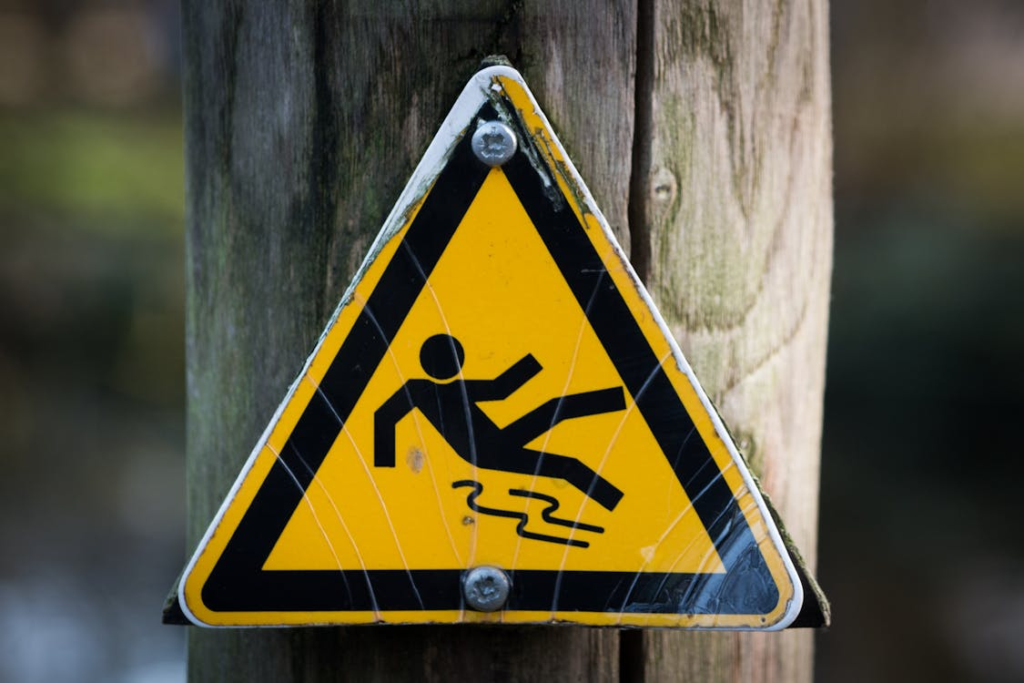
A slip-and-fall accident occurs when a person loses their balance and falls because of a dangerous condition on someone else’s property. In California, these incidents fall under premises liability law, which holds property owners, managers, and occupiers responsible for maintaining reasonably safe conditions for visitors.
Slip-and-fall cases are not limited to obvious spills or wet floors. Many accidents occur due to maintenance issues, poor visibility, or unmarked hazards. If a property owner knew or should have known about the unsafe condition and failed to address it, they may be held legally liable for resulting injuries.
Common Causes of Slip-and-Fall Accidents
Slip-and-fall accidents can happen for many reasons. In fact, according to the National Safety Council (NSC), falls are the second leading cause of unintentional injury-related death in the U.S. Recognizing these hazards can help you identify unsafe conditions and protect yourself.
The following are the primary causes of slip-and-fall incidents in California.
Wet or Slippery Surfaces
Wet surfaces are among the most common causes of slip-and-fall injuries. These hazards may result from:
- spilled drinks
- leaking refrigeration units
- freshly mopped floors without warning signs
- rainwater tracked into entryways
In commercial settings, such as grocery stores, restaurants, and office buildings, property owners are expected to regularly monitor conditions and post clear warnings when floors are slick.
Uneven Walking Surfaces
Cracked pavement, broken sidewalks, loose floorboards, torn carpeting, or uneven tiles can easily cause someone to trip and fall. These hazards often develop over time, making it more likely that property owners had notice of the issue but failed to repair it. Uneven surfaces are especially dangerous in high-traffic areas like apartment complexes, parking lots, and public sidewalks.
Poor Lighting
Inadequate lighting can turn an otherwise minor hazard into a danger. Dim stairwells, poorly lit parking garages, or dark walkways may obscure steps, elevation changes, or obstacles in the path.
Property owners are responsible for ensuring adequate lighting in areas where people are expected to walk, particularly during evening or nighttime hours.
Obstructed Pathways
Objects left in walkways can create unexpected tripping hazards, such as:
- cords stretched across floors
- merchandise stacked in aisles
- construction materials or debris
- cluttered hallways
In retail and commercial settings, keeping walkways clear is a basic safety obligation. Failure to do so can result in serious injuries and legal liability.
Together, these conditions illustrate how slip-and-fall accidents often stem from preventable hazards. When property owners fail to inspect, repair, or warn about these dangers, injured individuals may have the right to pursue compensation under California law.
| Hazard Type | Examples | Notes/Safety Tip |
| Wet or Slippery Surfaces | Spilled drinks, freshly mopped floors, rainwater tracked into entryways | Property owners should post warning signs and clean promptly |
| Uneven Walking Surfaces | Cracked pavement, broken sidewalks, loose floorboards | Inspect regularly and repair promptly |
| Poor Lighting | Dim stairwells, poorly lit walkways | Ensure adequate lighting, especially at night |
| Obstructed Pathways | Cords, merchandise, & construction debris | Keep walkways clear to prevent trips |
California Premises Liability Law Explained
Under California Civil Code Section 1714, property owners and occupiers must exercise reasonable care to prevent harm to others. This applies to:
- Business owners
- Landlords and property managers
- Homeowners
- Government entities responsible for public property
To succeed in a slip-and-fall claim, an injured person must generally prove:
- A dangerous condition existed
- The property owner knew or should have known about the condition
- The owner failed to repair or warn about the hazard
- The hazardous condition directly caused the injury
Who Can Be Held Liable?
Liability in a slip-and-fall case depends on where the accident occurred and who owned, occupied, or controlled the property at the time of the incident. In California, one or more parties may be held legally responsible for failing to keep the premises reasonably safe.
Commercial Property Owners
Retail stores, restaurants, hotels, and shopping centers have a legal duty to inspect their premises and promptly address hazards. Examples include:
- cleaning spills
- repairing damaged flooring
- fixing obstructed aisles or malfunctioning equipment
- placing visible warning signs when conditions are temporarily unsafe
Failure to follow reasonable safety practices can result in liability for customer injuries.
Landlords and Property Managers
Landlords and property managers may be held responsible for injuries that occur in common areas, such as stairwells, elevators, hallways, and parking lots. These parties are generally responsible for routine maintenance and repairs, and liability may arise if they ignore known hazards or fail to conduct regular inspections.
Homeowners
Private homeowners can be held liable when guests, delivery workers, or other visitors are injured due to known or reasonably discoverable hazards on the property. This may include broken steps, uneven walkways, or poor lighting that was not repaired or properly marked.
Government Entities
When a slip-and-fall occurs on public property, such as sidewalks, public parks, or government buildings, liability for injuries may rest with a city, county, or state agency. Claims against government entities are subject to special notice requirements and shorter deadlines under California law, making prompt legal action especially important.
What to Do After a Slip-and-Fall Accident
Taking the right steps after an accident can significantly impact your ability to recover compensation.
- Seek medical attention immediately, even if injuries seem minor.
- Report the incident to the property owner or manager.
- Take photos of the hazardous condition and the surrounding area.
- Collect contact information from witnesses.
- Preserve footwear and clothing worn at the time of the fall.
- Avoid giving recorded statements without legal guidance
Medical records and early documentation often serve as key evidence in slip-and-fall cases.
How Comparative Negligence Affects Slip-and-Fall Claims
California follows a pure comparative negligence system. This means the court may reduce your compensation if it finds you partially responsible for the accident.
💡 Example: If you are awarded $100,000 but are found to be 20% at fault, you may still recover $80,000. Insurance companies frequently use this rule to reduce payouts, making careful review of evidence essential.
Frequently Asked Questions
Common injuries include fractures, head injuries, spinal injuries, soft tissue damage, and long-term mobility issues.
Possibly. Warning signs do not automatically eliminate liability if they were inadequate or improperly placed.
You may still have a claim if the hazard existed long enough that the owner should have discovered it through reasonable inspection.
Most personal injury claims must be filed within two years. Claims involving government entities, however, require filing within six months.
Yes. Tenants and visitors may file claims for slip-and-fall injuries caused by unsafe conditions in common areas.
Workers’ compensation may cover workplace falls, but third-party claims may still apply in some cases.
Witnesses are helpful, but not required. Photos, video footage, and maintenance records can also establish liability.
Yes. Claims for minors may be filed by a parent or guardian, with extended filing deadlines.
Case value depends on injury severity, medical costs, lost income, and evidence of negligence.
It is best to consult a California personal injury attorney before giving statements to protect your rights.
Expert Tips to Strengthen Your Slip-and-Fall Claim
Expert Tip:
Photograph the hazardous condition as soon as possible. Take pictures before the area is repaired or removed, to preserve visual evidence of the cause of the fall.
Request incident reports and surveillance footage promptly. This documentation can help establish how long the hazard existed and who was responsible.
Avoid posting details or photos of the accident on social media. These posts can be taken out of context and used to challenge your claim.
Consult an attorney early in the process. They can help preserve evidence, navigate legal deadlines, and protect your rights from the start.
How Adamson Ahdoot Can Help
Slip-and-fall accidents often leave victims facing unexpected medical bills, time away from work, and long recovery periods. At Adamson Ahdoot, our legal team understands how complex premises liability cases can be and how aggressively property owners and insurers defend them.
Our attorneys investigate hazardous conditions, review maintenance records, consult experts, and build strong claims on behalf of injured clients throughout California. We are committed to protecting your rights and pursuing the compensation you deserve.
If you were injured in a slip-and-fall accident, call Adamson Ahdoot today at (866) 645-4992 to schedule a free consultation with our experienced legal team.