When sexual abuse occurs within a school, church, or other trusted institution, questions about responsibility may extend beyond the individual who committed the abuse. In California, an institution may be held liable if its negligence contributed to the harm. This could include failing to properly screen or supervise employees, ignoring warning signs or prior complaints, or neglecting to take reasonable steps to protect those in its care.
Determining institutional liability depends on the specific facts of each case. Schools, religious organizations, and other institutions may be subject to different legal duties and rules, and the location of the abuse does not necessarily determine whether an institution can be held responsible. California courts have recognized circumstances in which negligent hiring, supervision, or retention can support claims against an institution.
A School or Church May Be Liable When Its Failure to Protect Others Contributes to Sexual Abuse
If you or someone you love experienced sexual abuse and believe a school, church, or other institution failed to protect you, you may have legal options. Adamson Ahdoot can evaluate the circumstances, identify potentially responsible parties, and explain your options.
Call (866) 645-4992 today for a free, confidential consultation.
What Is Institutional Liability for Sexual Abuse?
Institutional liability refers to the legal responsibility a school, church, or other organization may have when its own negligence contributes to sexual abuse or allows foreseeable harm to occur.
While the individual who committed the abuse is responsible for their actions, an institution may face separate liability for the actions or omissions of those responsible for protecting students, members, or others under its supervision. Depending on the circumstances, this may involve:
- Negligent hiring or retention
- Inadequate supervision
- Failure to investigate complaints or warning signs
- Failure to take reasonable action after learning of inappropriate conduct
- Inadequate policies or safeguards intended to protect against foreseeable harm
Under California law, an institution is not automatically liable simply because abuse occurred. A claim usually requires evidence showing that the institution’s negligence—or, in some cases, the negligence of its employees—caused the harm.
How Can Schools Be Held Liable for Sexual Abuse?
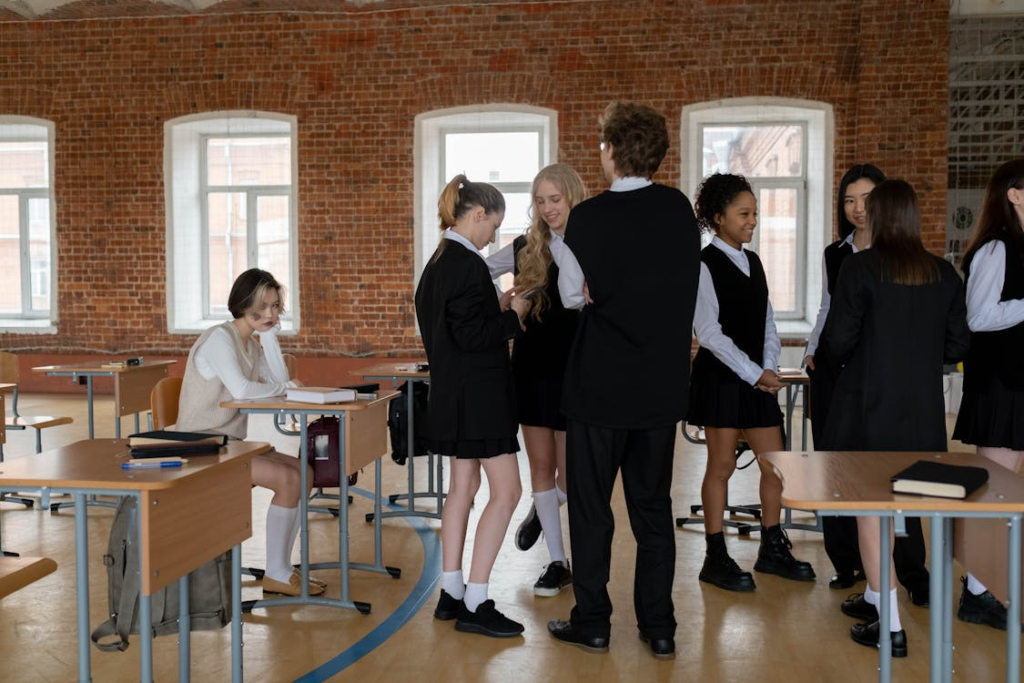
California schools have a duty to take reasonable measures to protect students from foreseeable harm. Because schools and their students have a special relationship, this duty can include protecting students from foreseeable sexual abuse by employees or other individuals.
A school-related sexual abuse claim may involve allegations that administrators or other responsible personnel:
- Knew or should have known that an employee posed a foreseeable risk to students
- Failed to properly investigate prior complaints or reports of misconduct
- Negligently hired or retained an employee
- Failed to adequately supervise employees or students
- Failed to take reasonable action after learning of inappropriate or potentially abusive conduct
For public schools, liability involves additional rules governing public entities. California courts have recognized that a school district may be held vicariously liable for the negligence of administrators or supervisors when hiring, retaining, or supervising an employee, if that negligence exposes a student to foreseeable sexual abuse. This is different from automatically holding the district responsible for the abuser’s intentional misconduct.
Ultimately, whether a school is liable depends on the circumstances, including what school personnel knew or reasonably should have known, what actions they took in response, and whether the alleged negligence contributed to the survivor’s harm.
Can a School Be Liable if Sexual Abuse Happens Off Campus?
Potentially. Just because sexual abuse occurred away from school property does not mean a school district is not liable for its negligence.
In Victor Valley Union High School District v. Superior Court (2026), the California Court of Appeal considered allegations that a school district negligently supervised a student and teacher on campus before the teacher took the student off school grounds, where the abuse occurred. The court concluded that the off-campus location of the alleged abuse did not automatically establish immunity when the alleged negligent supervision occurred on campus and may have contributed to the subsequent harm.
This decision illustrates that institutional liability depends on more than where the sexual abuse occurred. Courts may also examine where the alleged negligence occurred and whether it contributed to the harm.
How Can Churches Be Held Liable for Sexual Abuse?
Churches and other religious organizations may face civil liability when their own negligence contributes to sexual abuse. Depending on the circumstances, a claim may involve allegations that the organization:
- Knew or should have known that a clergy member, employee, or other individual posed a risk of sexual abuse
- Failed to reasonably respond to prior allegations or warning signs
- Negligently hired, retained, or supervised an individual who posed a foreseeable risk
- Allowed an individual to continue having access to potential victims despite known concerns
- Failed to warn others about a known risk
Institutional Responsibility
California courts have recognized claims of negligent hiring, retention, and supervision involving religious organizations. However, an organization is not automatically liable simply because a person accused of abuse was affiliated with it. Whether a church or other organization can be held responsible depends on the specific facts of the case, including what the organization knew or reasonably should have known and whether its actions or inactions contributed to the harm.
What Is the Statute of Limitations for School and Church Sexual Abuse Claims in California?
The deadline for filing a sexual abuse claim against a school, church, or other institution in California depends on several factors, including the survivor’s age at the time of the abuse and the legal basis of the claim.
Claims involving childhood sexual assault generally fall under California Code of Civil Procedure § 340.1, while claims involving sexual assault that occurred during adulthood may fall under § 340.16. Therefore, different deadlines and requirements can apply depending on the circumstances of the case.
When a school or other public entity is involved, additional procedural rules may also apply. Missing an applicable deadline can affect a survivor’s ability to pursue a claim, so it is important to determine which rules apply based on the specific facts of the case.
What Damages Can Be Recovered in Institutional Liability Cases?
Sexual abuse can have lasting physical, emotional, and financial consequences. When an institution is legally responsible, a survivor may be able to pursue compensation for losses resulting from the abuse.
Economic Damages
- Medical and therapy expenses
- Lost income or reduced earning capacity
Non-Economic Damages
- Emotional distress
- Pain and suffering
- Loss of quality of life
The available damages depend on the case’s specific circumstances, including the nature and extent of the harm and its long-term effects. Depending on the defendant’s conduct and the evidence, additional forms of damages may also be available.
When Should You Contact a School or Church Sexual Abuse Lawyer?
Consider speaking with a lawyer if you experienced sexual abuse and believe a school, church, or other institution may have failed to protect you. Legal guidance may be particularly important when:
- There were prior complaints, allegations, or warning signs involving the person responsible
- The institution may have failed to investigate or respond to reported misconduct
- You are unsure whether the individual, the institution, or multiple parties may be legally responsible
- You need help obtaining records or other evidence related to the institution’s actions
- You have questions about the deadline for filing a civil claim
A personal injury attorney can investigate what the institution knew or should have known, preserve and obtain relevant evidence, identify potentially responsible parties, and determine which filing deadlines may apply to your case.
Expert Tips for Institutional Liability Sexual Abuse Claims
2. Seek professional support: Medical and mental health care are important for both recovery and documentation.
3. Understand institutional responsibility: Liability may extend beyond the individual to organizations that failed to act.
4. Protect your privacy throughout the process: Legal professionals can help manage sensitive information carefully.
5. Consult an experienced attorney early: Early action can help preserve evidence and strengthen your case.
Frequently Asked Questions
Institutional liability refers to holding organizations accountable when their negligence allows abuse to occur. This includes failures in supervision, hiring, or response to complaints.
Yes. Schools can be held liable if they fail to protect students or ignore warning signs of misconduct.
Yes. Churches may be liable if they fail to supervise staff, ignore allegations, or create unsafe environments.
Survivors may recover compensation for medical expenses, emotional distress, lost income, and other related damages.
Under California Code of Civil Procedure § 340.16, you have a limited period to file a claim, which may vary depending on the circumstances.
Holding Schools and Churches Accountable for Sexual Abuse
Sexual abuse can have lasting consequences, and the responsibility may extend beyond the abuser. If a school, church, or other institution knew or should have known about a foreseeable risk of abuse and failed to take reasonable action, survivors may have grounds to pursue a civil claim.
To determine institutional liability, one must examine what the organization knew, how it responded to warning signs or complaints, and whether its actions or omissions contributed to the harm. An experienced sexual abuse attorney can investigate these circumstances and help identify which individuals or organizations may be legally responsible.
If you or someone you love has experienced sexual abuse involving a school, church, or other institution, contact Adamson Ahdoot or call (866) 645-4992 for a free, confidential case evaluation.