How long does the wildfire claim process in California take? Wildfires move fast, but wildfire claims? Not so much.
The answer depends on the type of claim, the extent of your losses, and whether disputes arise. While some insurance claims may be resolved within months, wildfire lawsuits can take years, particularly when liability or damages are contested. Whether you’re dealing with an insurance company, pursuing a legal claim, or both, the path to fair compensation isn’t always straightforward.
Understanding common delays and the factors that affect settlement timelines can help you make informed decisions and protect your right to compensation.
Is Your Wildfire Claim Taking Too Long?
Delays in receiving compensation can make the rebuilding process even more difficult. Our California wildfire attorneys can review your situation, explain your legal options, and help you pursue the compensation you may be entitled to.
Call (866) 645-4992 for a free consultation.
Key Factors That Impact Wildfire Claim Timelines
1. Insurance Company Responsiveness
For many wildfire survivors, the first step is filing a claim with their homeowners insurance company. The insurer’s speed in responding, investigating the damage, and processing the claim can significantly affect the overall timeline.
After a major wildfire, insurance companies may receive thousands of claims simultaneously, which increases the demand for adjusters, inspections, and damage assessments. However, California insurers must comply with claim-handling deadlines, even when processing claims from a large-scale disaster.
If your insurance company unreasonably delays payments, denies a valid claim, or offers an inadequate settlement, you may need legal assistance. A wildfire attorney can review the insurer’s conduct, explain your rights, and help you pursue the compensation available under your policy.
2. Severity and Scope of Damage
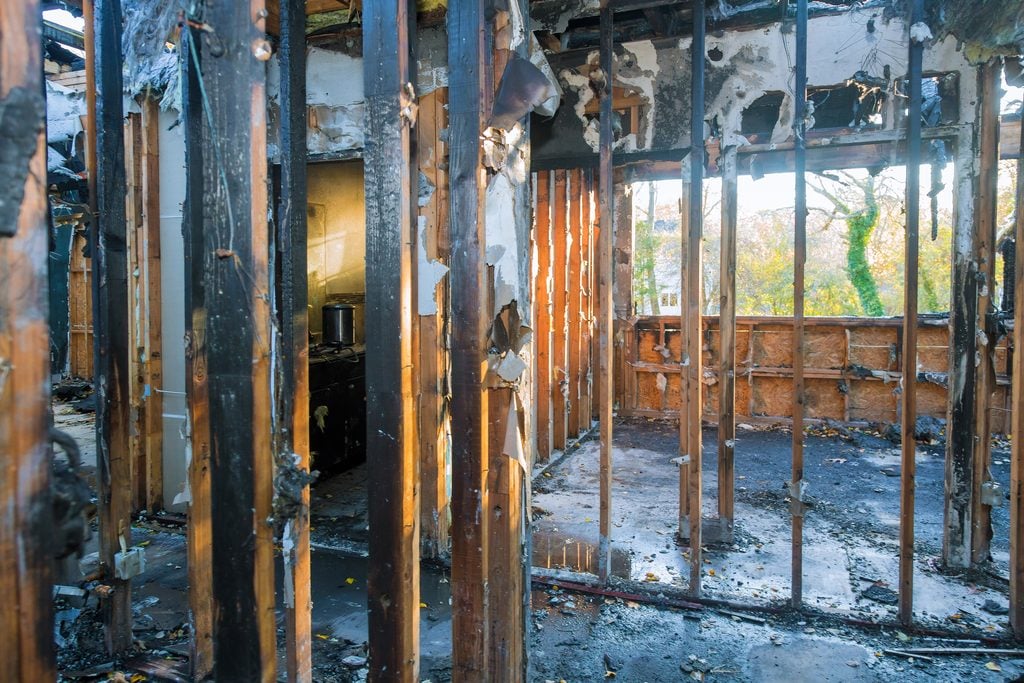
Extensive property damage can complicate and lengthen the wildfire claim process in California. If your home, vehicle, or business was completely destroyed by fire, the claim will likely require:
- Detailed repair estimates.
- Inventory of destroyed personal property.
- Proof of additional living expenses (ALE).
- Debris removal costs.
- Rebuilding and permitting documentation.
During widespread wildfires, insurers may process different parts of a claim separately. This includes emergency living expenses, personal property losses, and structural damage. Depending on the coverage and circumstances, some payments may be issued before the entire claim is resolved.
What If You’re Filing a Lawsuit Instead of an Insurance Claim?
Many wildfire survivors pursue compensation beyond what their insurance provides, or even pursue compensation without insurance. They may bring these claims against third parties, such as utility companies, if there is evidence that these parties are legally responsible for causing or contributing to the fire.
Legal Timeline: A Long-Term Process
Litigation against corporations such as Pacific Gas & Electric (PG&E) and Southern California Edison (SCE) often involves complex investigations, expert testimony, and proceedings with hundreds or thousands of plaintiffs.
Wildfire lawsuits can take several years to resolve, particularly when liability is disputed or cases proceed to trial. Some claims settle sooner through negotiations or compensation programs, while others remain unresolved for much longer. For example, as of July 2026, Southern California Edison was still involved in pending litigation related to wildfires that occurred in 2017 and 2018.
Starting early with an experienced wildfire attorney can help preserve evidence, meet applicable legal deadlines, and explore potential settlement options. However, the time required to resolve a claim depends on its circumstances, and no specific outcome or settlement date can be guaranteed.
Stages of the Wildfire Claim Process in California
Understanding the different stages of the wildfire claims process can help you prepare for potential delays. While each case has its own timeline, the following steps are generally involved in insurance claims:
1. Initial Recovery & Documentation
- Ensure safety.
- Report the incident to your insurer.
- Take photos of the damage.
- Collect receipts for temporary housing, meals, and emergency purchases.
- Start an inventory of damaged or lost items.
This is also the time to consult a fire damage lawyer if a third party may have caused the fire.
2. Claim Submission & Investigation
- Your insurer assigns an adjuster.
- The adjuster visits and assesses damages.
- You submit repair estimates, receipts, and personal property inventories.
- You may receive partial or temporary payouts during this phase.
If you’re involved in a lawsuit, this is also when your attorney gathers evidence, contacts witnesses, and works with experts to strengthen your case.
3. Negotiation or Denial
- The insurer issues a settlement offer or denies the claim.
- If the offer is too low, consider negotiating with legal support.
- If denied, legal action might be necessary.
Third-party claims may also involve settlement negotiations, although their procedures and timelines differ from those of insurance claims.
4. Lawsuit & Litigation
If a dispute goes to court, it may involve discovery, depositions, expert testimony, motions, and potentially a trial. Complex wildfire litigation can take years, especially when there are multiple defendants or large groups of claimants.
Some lawsuits settle before trial, while others continue through additional proceedings. The timeline depends on the facts, legal issues, and circumstances of each case.
What Are California’s Legal Deadlines for Wildfire Insurance Claims?
California law establishes specific deadlines for how insurance companies must handle wildfire-related claims. While the entire settlement process may take months, insurers cannot delay responding, investigating, or making coverage decisions indefinitely.
According to California’s Fair Claims Settlement Practices Regulations, insurers must generally follow these timelines:
| Insurance Claim Stage | California Deadline |
|---|---|
| Acknowledge the claim | Within 15 calendar days of receiving notice |
| Begin investigating | Within 15 calendar days of receiving notice |
| Accept or deny the claim | Within 40 calendar days of receiving proof of claim, subject to applicable exceptions |
| Provide updates if more time is needed | Written notice explaining the delay, followed by updates every 30 calendar days |
| Issue payment after accepting a claim | Generally within 30 calendar days, subject to applicable conditions and exceptions |
These deadlines do not guarantee that every wildfire claim will be fully settled within a specific timeframe. Complex investigations, disputed losses, and the need for additional documentation may extend the process. However, insurers must comply with all applicable notification and claim-handling requirements.
Did You Know?
If your insurer needs more time to investigate your wildfire claim, it generally must explain the delay in writing and provide updates every 30 calendar days until a determination is made or legal action is initiated. These notices must identify any additional information needed and the reasons for the delay.
Why Some Claims Take Longer Than Others
Several factors can extend your wildfire claim timeline:
- Incomplete documentation.
- Disputes over the cause of the fire.
- Contractor or builder delays.
- Multiple parties sharing liability.
- Insurance coverage disputes or unreasonable claim-handling delays.
Claims involving emotional distress, physical injuries, or wrongful death can be especially complex, as they may require additional medical records, expert evaluations, and evidence of the losses suffered. The time needed to resolve a claim ultimately depends on its specific circumstances.
How Can a Wildfire Attorney Help With Your Claim?
Navigating the wildfire claim process in California alone, especially while recovering emotionally and financially, is daunting. That’s why many Californians turn to wildfire attorneys who specialize in these cases.
Here’s what they can do for you:
- Organize and preserve crucial evidence.
- Challenge bad-faith insurance practices.
- Build and file lawsuits against liable parties.
- Navigate state compensation programs and settlement funds.
- Manage legal deadlines, negotiations, and case documentation.
💡 While an attorney cannot guarantee a faster settlement, legal guidance can help you avoid preventable setbacks and make informed decisions about your claim.
A More Timely Recovery Starts with Legal Support
After surviving a wildfire, the wait for compensation can add financial and emotional stress to an already difficult situation. Whether you’re dealing with a delayed insurance claim or considering legal action against a potentially responsible party, understanding your options is an important step toward recovery.
At Adamson Ahdoot, our California wildfire attorneys can evaluate your case, explain your legal rights, and help you seek compensation for eligible losses. We offer free consultations and work on a contingency fee basis, so you won’t pay any attorney fees unless we secure compensation for you.
Call (866) 645-4992 or contact us online to discuss your wildfire claim with our legal team.