The official California Eaton Fire investigation concluded that the wildfire was electrical in origin and linked its ignition to electrical arcing involving Southern California Edison (SCE) transmission equipment. For victims, these findings provide important evidence about how the incident started, but they do not automatically establish Edison’s civil liability or guarantee compensation.
Affected by the Eaton Fire? Get a Free Case Evaluation
The investigation findings may strengthen your claim for compensation. Our California wildfire attorneys can review your losses, explain your legal options, and help you protect your rights.
Call (866) 645-4992 or contact Adamson Ahdoot today for a free consultation.
Quick Answer: What Do the Eaton Fire Findings Mean for Victims?
The investigation provides official evidence linking the Eaton Fire’s ignition to SCE transmission equipment. For victims who suffered property damage, injuries, displacement, or financial hardship, these findings may support claims seeking compensation.
However, determining the fire’s cause does not establish civil liability. Eaton Fire lawsuits against Southern California Edison still require legal analysis of the applicable claims, supporting documentation, and individual losses.
The California wildfire lawyers at Adamson Ahdoot can evaluate how the investigation findings may affect your legal options.
What Did the California Eaton Fire Investigation Find?
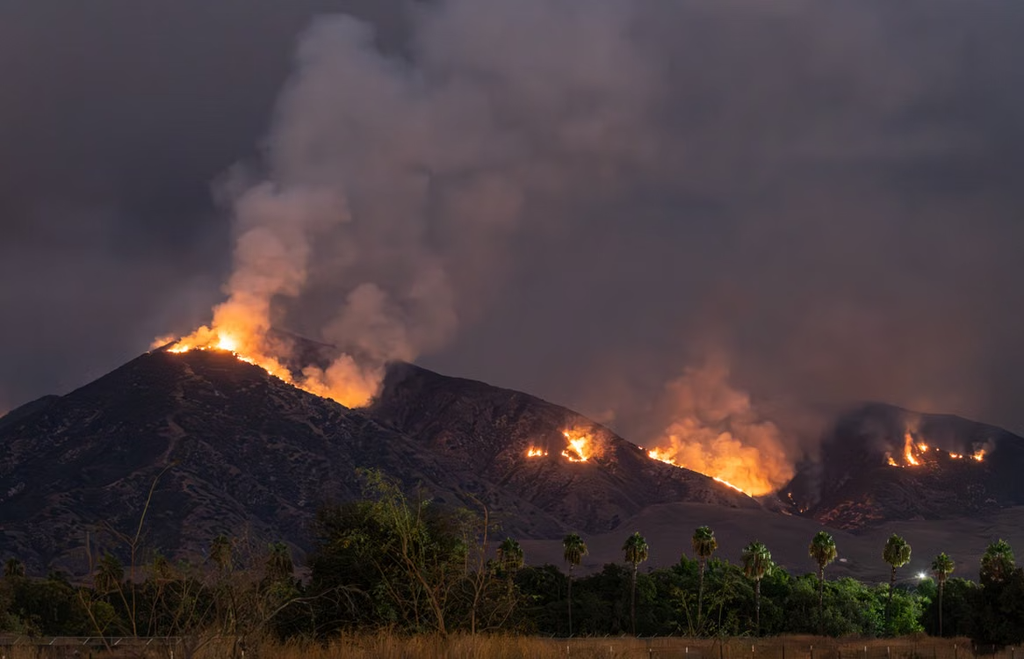
The Eaton Fire began near Altadena and Pasadena on January 7, 2025, amid extreme Santa Ana winds. Ultimately, the wildfire burned 14,021 acres. According to incident reports, 9,419 structures were destroyed, and 1,076 were damaged. There were also 19 civilian fatalities.
For much of the period following the disaster, the cause remained undetermined. On August 4, 2026, after an 18-month investigation, officials concluded that the fire was electrical in origin.
Investigators traced the ignition sequence to an out-of-service Southern California Edison transmission tower in Eaton Canyon. According to the investigation, two electrical arcing events occurred in quick succession. Burning material then fell from the tower area into the dry vegetation below and ignited seconds later.
These findings represent a major development for victims of the Eaton Fire. The official determination provides evidence that attorneys can consider when evaluating potential legal claims alongside other records.
What Evidence Helped Investigators Determine the Cause?
Determining the origin and cause of a destructive wildfire requires a detailed technical investigation. Rather than relying on a single photograph, video, or witness statement, investigators typically examine multiple sources of evidence.
The Eaton Fire investigation included evidence such as:
- Video footage of the area near the suspected origin
- Photographs and witness information
- Physical evidence collected from the site
- Electrical engineering analysis
- Metallurgical analysis
- Laboratory testing
- Evaluation of alternative ignition sources
Video footage played a particularly significant role in reconstructing the ignition sequence. Combined with physical evidence and technical analysis, it helped investigators conclude that the wildfire had an electrical origin.
This information can also be relevant for victims filing a Southern California Edison wildfire claim. When investigating third-party liability, lawyers may use official conclusions alongside utility records, expert analysis, maintenance documentation, and other supporting materials.
If you were affected by the Eaton Fire, Adamson Ahdoot can evaluate how the investigation findings relate to your potential claim and identify additional documentation needed to substantiate your losses.
Why Do the Findings Matter for Eaton Fire Lawsuits?
Establishing causation is a critical aspect of third-party wildfire litigation. Generally, victims need evidence connecting a defendant’s actions to the fire that caused their injuries or property damage.
The determination that the Eaton Fire was electrical in origin provides important information about the ignition mechanism and the equipment involved. However, attorneys must also consider other factors.
Relevant questions may include:
- What equipment was involved in the electrical arcing?
- Who owned, operated, and controlled the equipment?
- What was the condition of the transmission tower before the fire?
- When was the equipment last inspected or maintained?
- Were potential problems identified before the wildfire?
- What safety measures were in place during extreme fire conditions?
- Could reasonable precautions have prevented the ignition?
Answers to these questions may help determine whether negligence contributed to the wildfire and support claims for compensation.
Adamson Ahdoot has previously discussed how evidence may be used to establish utility liability in wildfire lawsuits. The official Eaton Fire findings provide additional support for lawyers evaluating claims arising from the disaster.
Does the Investigation Automatically Make SCE Liable?
No. Identifying the physical cause of a wildfire does not automatically demonstrate civil liability.
The California Eaton Fire investigation identified Edison transmission equipment as the source of the ignition. While this finding is crucial evidence, it does not constitute a legal determination that Southern California Edison is responsible for the victims’ losses.
In a negligence claim, plaintiffs generally must establish that the defendant owed a duty of care, breached that duty, and caused legally compensable harm.
Attorneys may examine several factors when evaluating SCE’s potential liability.
Equipment Inspection and Maintenance
Inspection reports, maintenance records, repair histories, and other documents may help assess whether SCE appropriately monitored the transmission infrastructure before the wildfire.
Condition of the Electrical Equipment
Although the transmission tower was out of service, questions remain about its condition and the electrical events identified by investigators. Technical experts may examine the equipment and surrounding infrastructure to understand how the arcing occurred.
Wildfire Safety Procedures
California utilities face significant wildfire risks. Lawyers may review operational decisions, inspection procedures, and safety measures designed to prevent electrical equipment from igniting vegetation in extreme weather.
Expert Analysis
Fire investigators, electrical engineers, metallurgists, and other specialists may analyze physical evidence and utility records to assess whether negligent conduct contributed to the ignition.
Eaton Fire litigation also involves inverse condemnation, a legal theory that may allow recovery for certain property losses without proving negligence. An August 2026 court proceeding raised questions about applying this doctrine to SCE’s out-of-service equipment, but did not resolve all claims arising from the wildfire.
Could SCE Be Held Liable for Your Eaton Fire Losses?
Adamson Ahdoot can review the investigation findings, evaluate your damages, and explain how ongoing litigation may affect your right to pursue compensation.
What Compensation May Eaton Fire Victims Pursue?
The compensation available through a California wildfire lawsuit depends on the claimant’s circumstances and the evidence supporting their damages.
Potential losses may include:
- Destruction or damage to a home
- Damage to personal property
- Smoke, soot, and ash contamination
- Temporary housing expenses
- Relocation costs
- Lost wages or reduced income
- Business interruption costs
- Medical expenses for qualifying injuries
- Landscaping and land damage
- Other qualifying economic and non-economic losses
The consequences of a wildfire can continue long after the flames are extinguished. Families may face prolonged displacement, rebuilding delays, increased construction expenses, environmental contamination, or property damage that was not immediately visible after the fire.
💡 Remember: Documenting both immediate and ongoing losses is vital when evaluating the full extent of a potential compensation claim.
What If SCE Has Already Offered You Compensation?
Southern California Edison has established a compensation process for eligible Eaton Fire victims. However, filing a claim directly with SCE differs from pursuing compensation through a wildfire lawsuit.
Before accepting an offer, victims should carefully review the proposed settlement and any accompanying documents.
A settlement agreement may require the claimant to release certain legal claims against Edison. Once a valid release is signed, pursuing additional compensation for the same covered losses may be restricted.
Affected individuals and families should consider whether the offer adequately accounts for all their current and future expenses and damages.
Adamson Ahdoot’s guide to the SCE claims process for Eaton Fire victims explains how the compensation process works and why understanding the potential consequences of accepting a payout is essential.
Before signing an Edison settlement or release, consider having the agreement reviewed. Adamson Ahdoot can help determine whether the proposed compensation reflects the documented scope of your wildfire-related losses.
What Evidence Should Eaton Fire Victims Preserve?
An official finding about how the wildfire started does not eliminate the need for those affected to document their individual losses.
Evidence worth preserving may include:
- Photographs and videos of damaged homes and belongings
- Pre-fire photographs showing the property’s condition
- Home or business inventories
- Insurance policies
- Insurance correspondence
- Repair and rebuilding estimates
- Temporary housing receipts
- Transportation and evacuation expenses
- Medical records and bills
- Employment and wage records
- Business financial records
- Contractor estimates and invoices
- Communications with SCE
- Settlement offers
Keep original documents whenever possible and maintain digital backups. Expenses that seem minor individually can add up quickly when displacement or rebuilding lasts for months.
Continue updating your records as new expenses arise. Keep in mind that a wildfire claim may involve ongoing losses rather than a single, fixed amount calculated immediately after the disaster.
What Should Eaton Fire Victims Do Now?
The official cause determination provides greater clarity, but victims should not assume that compensation will happen automatically.
In addition to preserving evidence, those affected by the Eaton Fire should carefully review any settlement offers and understand how ongoing litigation may affect their legal options.
The outcome of another victim’s claim does not dictate your rights, recoverable damages, or filing deadlines.
Most importantly, do not wait until a deadline is approaching to seek guidance about your potential claim.
A California personal injury attorney experienced in third-party wildfire claims can review the investigation findings alongside your individual losses and determine what additional evidence may be needed for your Eaton Fire case.
Key Eaton Fire Claim Deadlines
– November 30, 2026: Deadline to submit a claim through SCE’s voluntary Wildfire Recovery Compensation Program.
– January 7, 2027: Two-year anniversary of the Eaton Fire and an important deadline for certain personal injury claims.
Different claims may be subject to different deadlines, exceptions, or procedural requirements. These dates should not be treated as universal filing deadlines.
Expert Tips for Protecting an Eaton Fire Claim
Photographs, receipts, insurance correspondence, repair estimates, and records of temporary expenses can help demonstrate the financial impact of the wildfire.
2. Understand What the Investigation Establishes.
The official findings provide evidence about how the fire started, but they do not guarantee compensation or resolve individual liability claims.
3. Review Settlement Documents Before Signing.
An Edison offer may include a release affecting your ability to seek additional compensation. Make sure you understand which legal rights you may be giving up.
4. Track Ongoing Losses.
Temporary housing, rebuilding delays, medical treatment, and lost business income may generate additional expenses over time. Keep your records updated.
5. Seek Legal Guidance Before Deadlines Approach.
Early review can identify potential claims, preserve evidence, and address applicable filing requirements.
Frequently Asked Questions
The investigation concluded that the Eaton Fire was electrical in origin. Investigators linked the ignition to electrical arcing involving an out-of-service Southern California Edison transmission tower in Eaton Canyon.
Investigators reported two electrical arcing events occurring in quick succession. Burning material then fell from the tower area into dry vegetation below, which ignited approximately 12 seconds later.
Potentially. Receiving insurance compensation does not necessarily prevent you from pursuing a third-party claim. However, insurance payments, subrogation rights, and other recovery considerations may affect your case.
Carefully review the agreement before accepting it. Accepting a settlement may require you to release legal claims against Southern California Edison, which could limit your ability to seek additional compensation for covered losses.
Depending on the circumstances, recoverable losses may include property damage, damage to personal belongings, temporary housing costs, relocation expenses, lost income, business losses, medical expenses, and qualifying non-economic damages.
Yes. Eligible claims may involve smoke and ash contamination, structural damage, landscaping losses, repair expenses, and other qualifying property damage, even when a home remains standing.
Yes. The official investigation addresses how the wildfire started, but individual claimants must still document their injuries, property damage, financial losses, and other compensable harm.
Protect Your Rights After the California Eaton Fire Investigation
The official California Eaton Fire investigation provides important evidence for those seeking accountability and compensation. However, applying these findings to individual claims requires careful consideration of the available documentation, applicable laws, and ongoing litigation.
Adamson Ahdoot represents wildfire victims throughout California, helping them assess their damages and pursue compensation from negligent third parties. If you have experienced property destruction, injuries, displacement, or financial losses, our attorneys can review your situation and explain your legal options.
Take the next step toward protecting your rights. Call Adamson Ahdoot at (866) 645-4992 or request a free case evaluation to learn how the Eaton Fire investigation results could affect your claim.