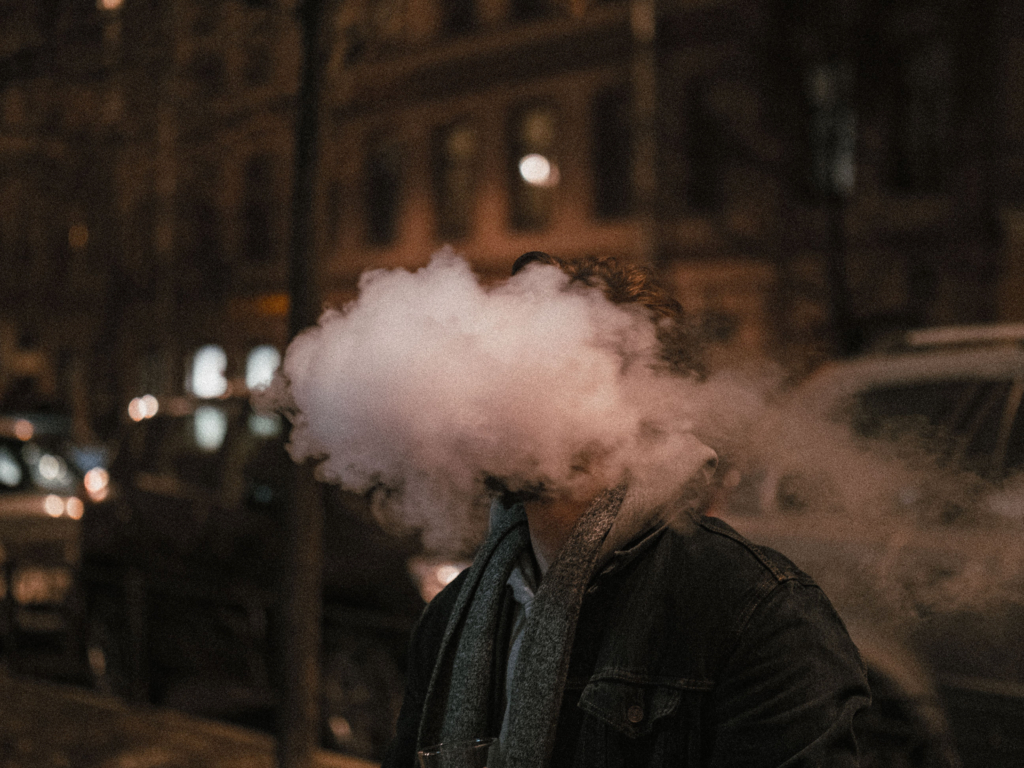
Wildfires can cause serious injuries even when victims are not directly exposed to flames. Smoke from wildfires can travel long distances, carrying harmful particles and toxic chemicals that may affect the lungs, heart, and overall health.
Many California residents may experience symptoms from wildfire smoke exposure immediately or develop health problems over time. Persistent coughing, breathing difficulties, asthma complications, and other respiratory conditions can lead to unexpected medical expenses and long-term health issues.
If a wildfire was caused by negligence, individuals who suffered smoke inhalation injuries may have legal options to seek compensation. Understanding your rights, how these claims work, and what evidence may be needed can help protect your ability to pursue a claim.
📌 Were You Affected by Wildfire Smoke Exposure?
If you or a loved one experienced respiratory problems or other health complications after a wildfire, you may have legal options. Adamson Ahdoot can help you understand your rights and evaluate whether you may be eligible for compensation for wildfire smoke inhalation injuries.
Call us today at (866) 645-4992 for a free consultation.
Can You File a Wildfire Smoke Inhalation Injury Claim in California?
Yes. If a utility company, property owner, contractor, or another party’s negligence contributed to a wildfire, individuals who suffered smoke inhalation injuries from wildfires may have grounds to pursue compensation. These claims can include medical expenses, lost income, long-term respiratory complications, and other damages resulting from exposure to dangerous smoke and airborne toxins.
How Wildfire Smoke Can Change Lives
Although wildfires are often associated with burned structures and evacuation orders, many Californians suffer serious injuries without ever coming into direct contact with flames.
California has experienced increasingly severe wildfire seasons in recent years, affecting communities throughout the state. Since wildfire smoke can travel hundreds of miles, residents may be exposed to harmful pollutants, such as fine particulate matter (PM2.5), toxic chemicals, and dangerous gases, even when they are far from the source of the fire.
For some, the effects of wildfire smoke exposure are temporary. However, others may experience long-term health complications, including chronic respiratory illness, reduced lung function, cardiovascular problems, and other lasting conditions. These risks are especially serious for children, older adults, and individuals with asthma, COPD, or heart disease.
📌 Important: You Do Not Need to Be Directly Exposed to Flames
Wildfire smoke can travel long distances and cause health problems even for people who were not near the fire itself. If smoke exposure caused respiratory issues or other health complications, you may still have legal options depending on the circumstances.
If you were injured because a wildfire was caused by negligence, a California personal injury attorney can help you evaluate your legal options and determine whether you may be eligible for compensation.
What Are Wildfire Smoke Inhalation Injuries?
Wildfire smoke contains a dangerous mixture of gases and microscopic particles produced by burning vegetation, buildings, vehicles, plastics, and other materials.
The Centers for Disease Control and Prevention (CDC) notes that wildfire smoke exposure can worsen respiratory conditions and create health risks, especially for sensitive groups.
Exposure may result in:
- Breathing difficulties
- Persistent coughing
- Chest pain
- Asthma attacks
- Bronchitis
- Lung inflammation
- Cardiovascular complications
- Reduced lung function
- Permanent respiratory damage
- Throat irritation
The risk is especially high for:
- Children
- Older adults
- Individuals with asthma
- People with COPD
- Those with cardiovascular disease
Why Are Smoke Injuries Often More Serious Than People Realize?
Many wildfire victims initially assume their symptoms are temporary.
However, studies from public health agencies have linked prolonged wildfire smoke exposure to increased emergency room visits, hospitalizations, and long-term respiratory disease. Some individuals continue experiencing symptoms months or even years after the wildfire event.
Who Can Be Held Liable for Wildfire Smoke Injuries?
Determining liability requires identifying the party whose negligence contributed to the wildfire. Depending on the circumstances, multiple parties may share responsibility for wildfire-related injuries. Identifying all potentially responsible parties is often an important part of a wildfire injury investigation.
Utility Companies
California has seen multiple wildfire lawsuits involving utility providers whose equipment allegedly ignited fires.
Examples include allegations involving:
- Downed power lines
- Poor vegetation management
- Equipment failures
- Delayed power shutoffs
When a utility company’s negligence contributes to a wildfire, victims may pursue compensation for resulting injuries.
Contractors and Construction Companies
Construction activities can create ignition risks through:
- Sparks from equipment
- Welding operations
- Improper safety procedures
- Failure to comply with fire restrictions
Contractors may be held liable when their actions contribute to wildfire ignition.
Property Owners
Landowners may bear responsibility if they fail to maintain their property and create unreasonable fire hazards.
Potential issues include:
- Excessive vegetation
- Improper debris disposal
- Dangerous burning practices
- Failure to comply with fire prevention requirements
Government Entities
In limited situations, government agencies may bear responsibility for wildfire-related injuries.
However, claims involving public entities involve special procedures and strict deadlines under the California Government Claims Act.
How Do Smoke Inhalation Injuries Affect Victims Long-Term?
Respiratory Conditions
Many victims experience:
- Chronic bronchitis
- Persistent asthma symptoms
- Reduced lung capacity
- Increased susceptibility to respiratory infections
Cardiovascular Effects
Wildfire smoke exposure has been associated with:
- Elevated blood pressure
- Heart complications
- Increased risk of cardiac events
Emotional and Psychological Harm
Wildfires often create substantial emotional trauma.
Victims may experience:
- Anxiety
- Depression
- Sleep disturbances
- Post-traumatic stress symptoms
These damages may also be considered when evaluating compensation.
What Compensation Can Be Recovered for Wildfire Smoke Injuries?
A successful claim may include both economic and non-economic damages.
| Type of Compensation | Examples |
|---|---|
| Medical Expenses | Emergency treatment, hospital visits, medications, rehabilitation, and future medical care |
| Lost Income | Lost wages and reduced earning capacity |
| Pain and Suffering | Physical pain, emotional distress, and reduced quality of life |
| Long-Term Health Costs | Ongoing treatment needs and future medical expenses |
Economic Damages
Victims may recover compensation for:
- Emergency medical treatment
- Hospitalization
- Prescription medications
- Pulmonary rehabilitation
- Future medical care
- Lost wages
- Reduced earning capacity
Non-Economic Damages
Compensation may also include:
- Pain and suffering
- Emotional distress
- Loss of enjoyment of life
- Permanent impairment
Future Medical Expenses
Many smoke inhalation claims involve ongoing treatment needs.
Medical experts may be required to estimate future healthcare costs associated with chronic respiratory conditions or permanent lung damage.
How Do You Prove a Wildfire Smoke Inhalation Claim?
Establishing Negligence
Most wildfire injury claims require demonstrating:
- A defendant owed a duty of care.
- The defendant breached that duty.
- The breach contributed to the wildfire.
- The wildfire caused the victim’s injuries.
Medical Evidence
Strong documentation often includes:
- Emergency room records
- Pulmonary evaluations
- Diagnostic imaging
- Physician opinions
- Treatment history
Exposure Evidence
Claimants may also need evidence showing:
- Presence within the affected area
- Air quality reports
- Evacuation notices
- Public health warnings
- Smoke exposure duration
Expert Testimony
Wildfire litigation frequently involves:
- Fire origin experts
- Environmental specialists
- Medical professionals
- Economic experts
These experts help establish causation and damages.
What California Laws Affect Wildfire Injury Claims?
California wildfire injury claims can involve several legal issues, including statutes of limitations, government claim procedures, liability rules, and defenses raised by responsible parties.
California personal injury claims are generally governed by California Code of Civil Procedure § 335.1, which typically provides a two-year statute of limitations for filing a personal injury lawsuit. However, the deadline may vary depending on the facts of the case and the parties involved.
Wildfire injury claims may also involve additional legal considerations, including:
- Government Claims Act: Claims against government entities must follow specific procedures and strict deadlines before a lawsuit can be filed.
- Comparative negligence: California’s comparative negligence rules may affect the amount of compensation a victim can recover if multiple parties share responsibility.
- Utility liability: Wildfire cases involving electric utilities may involve complex investigations into equipment failures, maintenance practices, and other factors that contributed to the fire.
Because wildfire litigation often involves multiple parties, extensive evidence, and complicated legal requirements, consulting with an experienced California personal injury attorney can help victims understand their rights and deadlines.
When Should You Contact a California Personal Injury Lawyer?
Early legal involvement can make a significant difference in wildfire cases.
An attorney may help:
- Preserve critical evidence
- Identify responsible parties
- Coordinate expert investigations
- Calculate long-term damages
- Negotiate with insurers
- Pursue litigation when necessary
Wildfire smoke injury cases are often far more complex than standard personal injury claims because they may involve multiple defendants, extensive scientific evidence, and large-scale investigations.
Expert Tips for Protecting Your Wildfire Injury Claim
1. Seek medical treatment immediately, even if symptoms initially seem mild. Early documentation can strengthen your claim.
2. Keep records of evacuation notices, air quality alerts, and medical appointments.
3. Avoid assuming your symptoms will disappear without treatment. Some smoke-related conditions worsen over time.
4. Save receipts and records for all wildfire-related expenses.
5. Consult a California personal injury attorney before accepting any settlement offer.
Frequently Asked Questions
Yes. If another party’s negligence contributed to the wildfire and caused your injuries, you may have grounds to pursue compensation.
Common symptoms include coughing, breathing difficulties, chest pain, throat irritation, and worsening asthma symptoms.
Potentially. Victims may seek compensation for future medical expenses and ongoing treatment when supported by medical evidence.
You may still have a claim. Many smoke inhalation injuries occur outside evacuation zones due to widespread smoke exposure.
Most personal injury claims are subject to California’s two-year statute of limitations, though exceptions may apply.
Yes. Utility companies, contractors, property owners, and others may share liability depending on the circumstances.
Holding Negligent Parties Accountable After Wildfire Smoke Injuries
Wildfire smoke injuries can create lasting physical, emotional, and financial challenges long after a fire has been contained. When negligence contributes to a wildfire, injured individuals may have the right to pursue compensation for medical expenses, lost income, long-term health complications, and other damages.
Because wildfire smoke inhalation claims often involve complex investigations, proving the cause of the fire and the connection between smoke exposure and injuries can require extensive evidence and expert analysis.
If you or a loved one suffered wildfire smoke inhalation injuries in California, Adamson Ahdoot can help you understand your legal rights, identify potentially responsible parties, and explore your options for seeking compensation.
Contact Adamson Ahdoot today for a free consultation.
Call us at (866) 645-4992 to discuss your potential claim.