When considering a civil sexual assault claim in California, survivors often have important questions about privacy and confidentiality. Concerns about public records, personal information, and court procedures may affect whether someone feels comfortable moving forward with legal action.
Fortunately, California law provides certain protections that may help safeguard a survivor’s privacy during a civil case. Learning how confidential proceedings, sealed records, and protective orders work can help survivors understand their options better and make informed decisions about the legal process.
🔒 Your Privacy Matters During the Legal Process
At Adamson Ahdoot, we understand that privacy is often the primary concern for survivors considering legal action. Civil sexual assault claims involve sensitive personal information, so knowing your privacy options is an important step in moving forward. Our team can help you understand the legal protections available to you, including confidentiality options, sealed records, and civil court procedures.
Contact Adamson Ahdoot for a confidential consultation. Call us at (866) 645-4992.
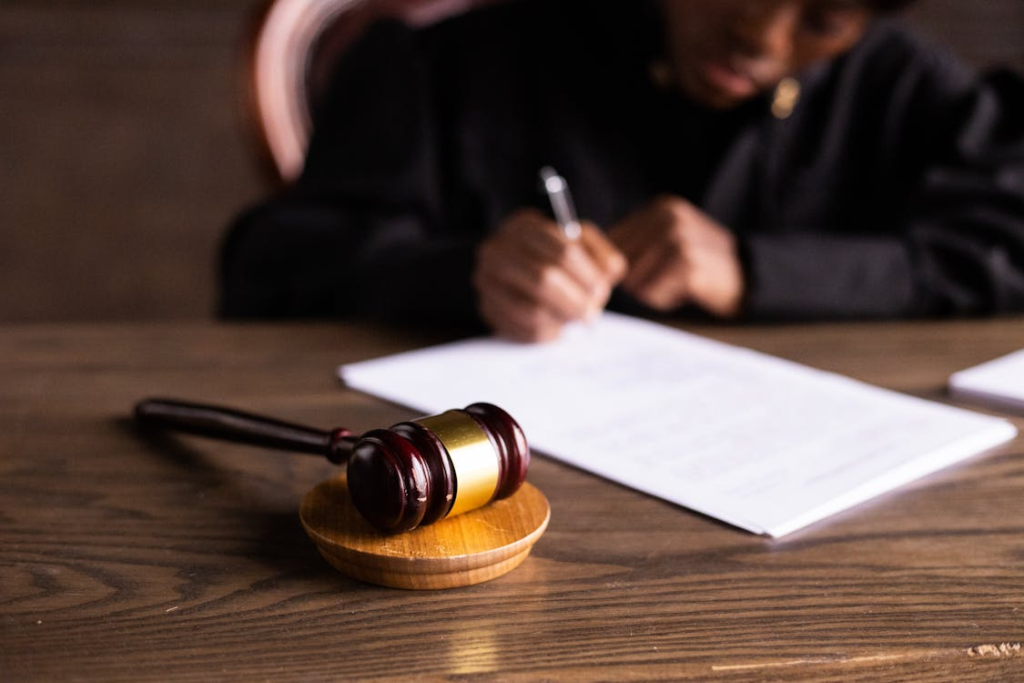
Are Sexual Assault Civil Cases Confidential in California?
Yes. Confidential sexual assault proceedings in civil court may include protections such as anonymity, sealed records, and protective orders. These safeguards help survivors pursue claims while limiting public exposure. A California personal injury attorney can help request and maintain these protections throughout the case.
Understanding Confidential Sexual Assault Proceedings in Civil Court
Confidential sexual assault proceedings in civil court are designed to balance transparency in the legal system with the need to protect survivors’ privacy. In California, courts recognize the sensitive nature of these cases and may allow certain confidentiality measures to reduce additional harm.
Survivors pursuing a civil sexual assault claim in California often have concerns about privacy, public records, and personal information. Legal protections exist to address these concerns while still allowing claims to proceed against negligent third parties.
What Confidentiality Protections Are Available in Civil Sexual Assault Cases?
Depending on the circumstances, California courts may allow certain measures to help protect a survivor’s identity and sensitive information during a civil lawsuit.
Common Confidentiality Measures
- Filing under a pseudonym or initials
- Sealing sensitive court records
- Limiting public access to certain documents
- Restricting disclosure of identifying information
These measures help reduce the emotional impact of litigation and encourage survivors to pursue claims without fear of exposure.
📋 Considering a Sexual Assault Civil Claim? Every case is different. An attorney can help explain your legal options, filing deadlines, and available protections based on your specific circumstances. Contact Adamson Ahdoot to review your case for free.
| Confidentiality Measure | Purpose |
|---|---|
| Pseudonym requests | May protect a survivor’s identity |
| Sealed records | Limits public access to sensitive documents |
| Protective orders | Controls how information is shared |
Can You File a Sexual Assault Lawsuit Anonymously?
Yes. Many survivors worry that filing a lawsuit will make their identity public. However, in some cases, courts may allow plaintiffs to proceed under a pseudonym in civil sexual assault cases.
How It Works
Courts evaluate:
- The sensitivity of the case
- The risk of harm from disclosure
- The balance between privacy and public interest
When Anonymity Is Granted
Anonymity is more likely in cases involving highly sensitive facts or where disclosure could cause additional trauma.
What Records Can Be Sealed in Civil Court?
Even when a case proceeds publicly, certain documents may remain protected from public access. Courts may allow specific records to be sealed when disclosure could harm a survivor’s privacy interests.
Types of Sealed Records
- Medical and therapy records
- Personal identifying information
- Sensitive testimony or evidence
Legal Standard
Under California Rules of Court Rule 2.550, courts may seal records when there is an overriding interest that outweighs the public’s right to access.
How Do Protective Orders Work in Sexual Assault Civil Cases?
Protective orders can limit the sharing of sensitive information during a civil sexual assault case. These court orders are often used to protect survivors’ privacy while allowing the legal process to move forward.
What Protective Orders Do
- Limit how sensitive information is shared
- Restrict access to certain evidence
- Prevent disclosure outside the legal process
Why Protective Orders Are Important
These court-ordered protections help reduce the risk of unnecessary disclosure and provide an additional layer of privacy for survivors involved in civil litigation.
What Laws Support Confidentiality in California?
California law provides several legal mechanisms that can help protect survivors’ privacy while ensuring their access to the civil justice system.
Key Legal Framework
- California Code of Civil Procedure § 340.16 provides extended filing timelines
- California Rules of Court Rule 2.550 governs sealing of court records
Why These Laws Matter
Together, these laws help survivors seek accountability while providing important privacy protections throughout the legal process.
What Evidence Is Needed in Confidential Civil Proceedings?
Confidentiality protections do not eliminate the need for evidence in confidential sexual assault proceedings. Like any civil claim, sexual assault lawsuits require documentation and supporting evidence to establish liability and damages.
Key Evidence
- Medical and therapy records
- Witness statements
- Documentation of prior complaints
- Institutional records
Balancing Evidence and Privacy
Courts may allow evidence to be presented in ways that protect sensitive information, such as sealing records, redacting identifying details, or limiting disclosure.
⚖️ Building a Strong Civil Claim
An experienced attorney can help protect sensitive information while ensuring the evidence needed to support a claim is properly preserved and presented.
When to Call a Lawyer
If you are considering a civil sexual assault claim in California, early legal guidance can help you understand your rights, privacy options, and potential legal remedies.
An attorney may be able to help by:
- Requesting confidentiality protections
- Explaining available privacy options
- Handling legal filings and court procedures
- Protecting sensitive information
- Advocating for fair compensation
Expert Tips for Confidential Sexual Assault Civil Cases
Inform your attorney about your confidentiality priorities so appropriate protections can be requested from the start.
2. Limit Sharing Sensitive Information
Avoid discussing case details publicly or on social media during legal proceedings.
3. Understand Available Protections
Knowing your options can help you feel more confident in pursuing a claim and making informed decisions.
4. Work With Experienced Legal Counsel
An attorney can help navigate confidentiality rules and advocate for your privacy throughout the legal process.
5. Keep Records Organized and Secure
Proper documentation can help support your claim while maintaining control over sensitive information.
Frequently Asked Questions
Some parts of civil cases may be public record. However, courts may seal or restrict certain records to protect sensitive information and survivors’ privacy.
In some cases, yes. Courts may allow survivors to proceed under a pseudonym when privacy concerns outweigh the public interest in disclosure.
A protective order limits how sensitive information is shared and helps prevent unauthorized disclosure during legal proceedings.
Yes. Courts may seal certain records when there is a strong justification, including protecting sensitive personal information or survivor privacy.
Under California Code of Civil Procedure § 340.16, survivors may have an extended period to file certain civil sexual assault claims. Filing deadlines depend on the specific circumstances of the case.
Protecting Your Privacy While Pursuing Justice
Pursuing a civil sexual assault claim can be overwhelming, especially when privacy and public exposure are concerns. Understanding the confidentiality protections that may be available can help survivors make informed decisions about their legal options.
Although every case is unique, measures such as sealed records, protective orders, and other privacy protections may help survivors pursue a claim while maintaining control over their personal information.
If you are considering filing a civil sexual assault claim in California, contact Adamson Ahdoot for a confidential consultation. Our team can explain your legal options, discuss available privacy protections, and help you determine the best path forward. Call (866) 645-4992 today.