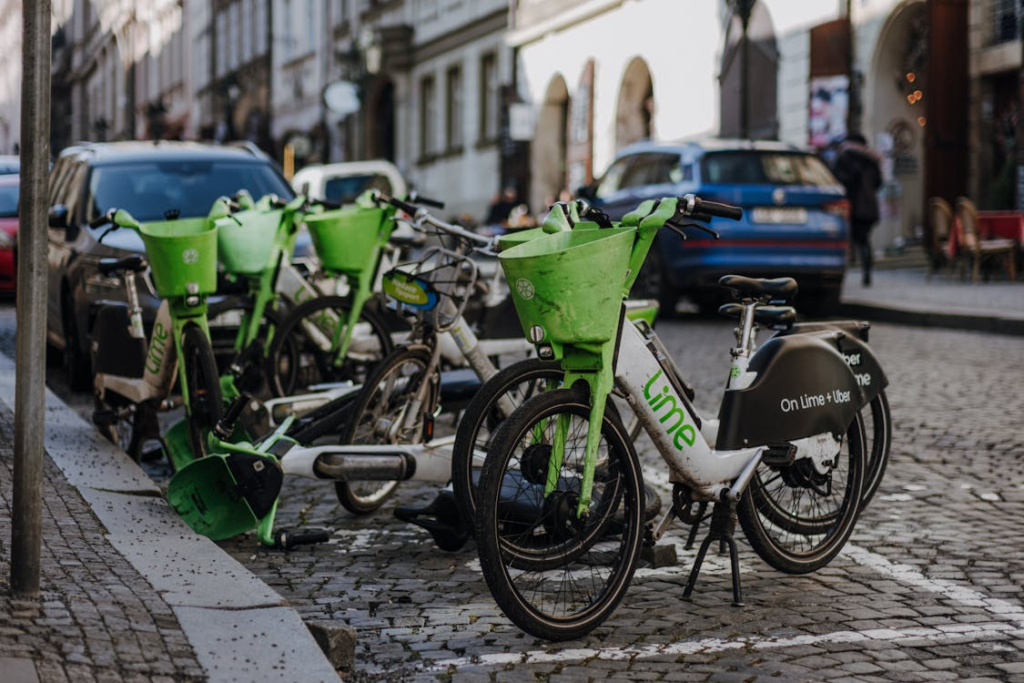
Electric scooters from companies like Lime and Bird have transformed urban transportation across California. While convenient and widely accessible, these shared devices have also contributed to a growing number of accidents involving riders, pedestrians, and motor vehicles. These incidents often raise complex legal questions, particularly when it comes to whether the scooter company itself may share responsibility.
If you were injured in a scooter-related accident, understanding company liability in e-scooter accidents is essential. A knowledgeable California personal injury attorney can help evaluate your claim, identify all liable parties, and pursue compensation on your behalf. Contact our office today for a free consultation and learn how we can help protect your rights.
How Lime and Bird Scooter Systems Operate
Lime and Bird use app-based, dockless systems that allow riders to locate, unlock, and use scooters on demand. Once a ride is completed, the scooter is left in a designated or nearby public area for the next user.
This model creates convenience, but it also introduces risk. Scooters are used frequently throughout the day by different riders, often with minimal downtime between trips. Without consistent inspection and maintenance, mechanical issues can go unnoticed and lead to dangerous conditions.
Additionally, scooters are often deployed in busy urban environments where interactions with cars, cyclists, and pedestrians are constant. This increases the likelihood of accidents and complicates liability.
When Can Scooter Companies Be Held Liable?
Scooter companies are not automatically responsible for every accident. However, liability may arise when their conduct falls below reasonable safety standards.
Defective or Malfunctioning Scooters
Companies may be liable if a scooter contains defects that make it unsafe to operate. Common issues include:
- Brake failure or delayed braking response
- Steering instability or malfunction
- Sudden power loss or acceleration issues
- Battery or electrical system defects
These problems may fall under product liability law if the scooter was improperly designed, manufactured, or maintained.
Failure to Maintain or Inspect Equipment
Routine maintenance is critical to ensuring rider safety. If a company fails to regularly inspect its scooters or repair known issues, it may be held accountable for resulting injuries.
Negligent maintenance may include:
- Allowing worn or damaged parts to remain in use
- Failing to remove unsafe scooters from circulation
- Ignoring user-reported issues
Because scooters are used repeatedly throughout the day, even minor defects can quickly escalate into serious hazards.
Unsafe Placement and Deployment
Improperly placed scooters can create risks for both riders and pedestrians. For example:
- Scooters left in the middle of sidewalks
- Devices blocking entryways or curb ramps
- Placement near high-traffic intersections
In these situations, the company may share responsibility for creating or contributing to a dangerous condition.
Failure to Provide Adequate Safety Information
Scooter companies are expected to provide clear instructions on safe operation. If warnings are insufficient or unclear, users may unknowingly engage in unsafe behavior.
This can include a lack of guidance on:
- Proper braking techniques
- Roadway usage
- Hazard awareness
Failure to provide adequate warnings may support a negligence claim.
The Limits of Liability Waivers
When renting a scooter, users typically agree to terms and conditions that include liability waivers. These agreements are intended to limit the company’s exposure.
However, under California law, waivers are not absolute. They generally do not protect companies from:
- Gross negligence
- Defective products
- Failure to maintain safe equipment
Courts may also examine whether the waiver was presented clearly and whether the user had a meaningful opportunity to understand it.
Other Potentially Liable Parties
E-scooter accidents often involve multiple contributing factors. In addition to the scooter company, other parties may be responsible.
Motor Vehicle Drivers
Drivers who speed, fail to yield, or drive distracted can cause serious collisions with scooter riders.
Scooter Riders
Riders may share responsibility if they violate traffic laws or operate the scooter in an unsafe manner.
California follows a comparative fault system under California Civil Code § 1431.2, meaning compensation may be reduced based on each party’s share of fault.
Government Entities
Hazardous road conditions, such as potholes, debris, or uneven pavement, may contribute to accidents. In these cases, a public entity may be liable if it failed to maintain safe conditions.
Claims involving public entities must follow specific procedures and deadlines under California law.
Common Injuries in Scooter Accidents
Due to the lack of physical protection, scooter riders are particularly vulnerable to injury.
Head and Brain Injuries
Even low-speed collisions can result in concussions or traumatic brain injuries, especially when helmets are not used.
Fractures and Orthopedic Injuries
Broken wrists, arms, and legs are common when riders are thrown from scooters or attempt to break a fall.
Soft Tissue Injuries
Sprains, strains, and ligament damage can lead to chronic pain and long-term mobility issues.
Lacerations and Abrasions
Road rash and deep cuts may require stitches and can result in permanent scarring.
These injuries often require ongoing medical care and may have lasting physical and emotional effects.
Compensation Available in Scooter Accident Claims
Victims may be entitled to compensation for both economic and non-economic damages.
Economic Damages
- Medical expenses and ongoing treatment
- Lost wages and reduced earning capacity
- Rehabilitation and therapy costs
Non-Economic Damages
- Pain and suffering
- Emotional distress
- Loss of enjoyment of life
Under California Code of Civil Procedure § 335.1, victims generally have two years to file a claim.
Frequently Asked Questions About Lime and Bird Scooter Accidents
Yes, if negligence, defective equipment, or unsafe practices contributed to the incident.
Not always. Waivers have limitations under California law.
The company may be responsible for maintenance or product defects.
Yes, including drivers, riders, companies, and public entities.
Medical expenses, lost income, and non-economic damages.
Generally, two years under California Code of Civil Procedure § 335.1.
Photos, medical records, and documentation of the scooter’s condition.
If possible, documenting its condition can be helpful.
Yes, through state and local laws.
A California personal injury attorney can help evaluate your case and protect your rights.
Expert Tips for Protecting Your Rights After a Scooter Accident
Expert Tip:
Document the scooter and accident scene thoroughly. Take clear photos of the scooter, the surrounding area, and any visible hazards or defects.
Preserve evidence whenever possible. Avoid altering or returning the scooter until its condition has been documented.
Identify all involved parties. Collect contact information for drivers, witnesses, and any relevant third parties.
Consult a California personal injury attorney early. Early legal guidance can help secure evidence, determine liability, and strengthen your claim.
References
- California Civil Code § 1431.2
- California Code of Civil Procedure § 335.1
- California Vehicle Code § 21235
- California Government Claims Act
Protecting Your Rights After a Scooter Accident
Scooter accidents involving Lime and Bird can present complex legal challenges, especially when questions of maintenance, product safety, and multiple-party liability arise. While these companies provide convenient transportation, they also have a responsibility to ensure their equipment is safe for public use.
If you have been injured, taking prompt action can make a significant difference in your case. A trusted California personal injury attorney can help investigate your claim, identify all responsible parties, and pursue the compensation you deserve.
Contact our office today for a free consultation and take the next step toward recovery.