Both Pacific Gas and Electric (PG&E) and Southern California Edison (SCE) have faced major lawsuits over wildfires in California that were linked to their electrical infrastructure. However, the two companies’ legal histories, settlement procedures, and compensation processes differ significantly.
Understanding these differences can help wildfire victims evaluate their legal options, identify potential sources of compensation, and protect their rights.
Were You Affected by a Utility-Caused Wildfire?
If you suffered property damage, injuries, or financial losses from a California wildfire, Adamson Ahdoot can help you evaluate your options.
Call (866) 645-4992 for a free consultation. You pay no attorney fees unless we win your case.
Quick Answer: How Do PG&E and Southern California Edison Wildfire Cases Differ?
The main difference between PG&E and Southern California Edison wildfire cases lies in how victims pursue compensation. PG&E’s 2019 bankruptcy led to the creation of the Fire Victim Trust for eligible claims arising from certain earlier wildfires. In contrast, SCE wildfire claims generally proceed through direct settlements, compensation programs, or litigation.
Both utilities may face liability for wildfire-related losses, but the applicable procedures, evidence requirements, and filing deadlines depend on the specific fire and legal circumstances.
The Role of Utilities in California Wildfires
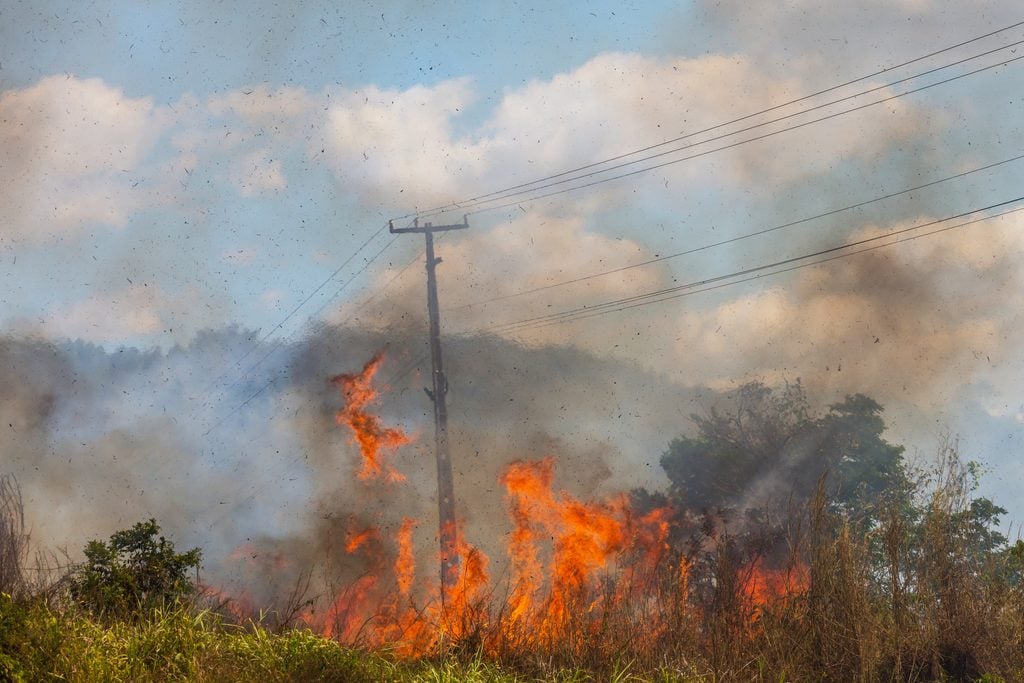
Some of California’s most destructive wildfires have been caused by electrical infrastructure. Damaged power lines, equipment failures, inadequate vegetation management, and maintenance deficiencies can create ignition hazards, especially during periods of high winds and dry conditions.
If utility equipment causes a wildfire, companies such as Pacific Gas and Electric and Southern California Edison may be held legally liable for the resulting damage. California law provides several potential grounds for pursuing compensation:
- Negligence: A utility may be held responsible if it fails to exercise reasonable care in inspecting, maintaining, or operating its electrical infrastructure, and that failure causes harm.
- Inverse Condemnation: Under Article I, Section 19 of the California Constitution, utility companies may face liability for property damage caused by electrical infrastructure devoted to public use, even without proof of negligence, when the applicable requirements are met.
- Statutory Violations: Violations of applicable safety regulations or vegetation management requirements may help establish negligence or support other liability arguments, depending on the circumstances.
Victims may seek compensation for property damage, evacuation expenses, lost income, personal injuries, and other recoverable losses. Available compensation procedures and legal strategies depend on the wildfire, evidence of causation, and the utility’s litigation history.
PG&E: A Record of High-Profile Settlements
Following several catastrophic Northern California wildfires, Pacific Gas and Electric has faced substantial financial and legal consequences. The company’s bankruptcy in 2019 fundamentally changed how victims of certain historical fires pursued compensation.
Among the most significant cases are:
- Camp Fire (2018). The wildfire that killed 85 people and destroyed more than 18,000 structures, including much of Paradise, was caused by PG&E electrical equipment. This disaster was central to PG&E’s bankruptcy proceedings and the creation of the Fire Victim Trust.
- North Bay Fires (2017). PG&E equipment was linked to several destructive fires, including the Atlas and Nuns fires. However, CAL FIRE determined that the Tubbs Fire originated from a private electrical system, not PG&E equipment. Nevertheless, Tubbs Fire claims were included in PG&E’s bankruptcy settlement.
- Dixie Fire (2021). Investigators determined that PG&E equipment caused this wildfire, which burned more than 963,000 acres. Since the fire occurred after PG&E emerged from bankruptcy, these claims are not covered by the original Fire Victim Trust.
PG&E’s $13.5 Billion Wildfire Settlement and Bankruptcy
In January 2019, PG&E filed for Chapter 11 bankruptcy protection amid more than $30 billion in potential wildfire-related liabilities.
In December 2019, PG&E reached a $13.5 billion settlement to compensate victims of the Camp Fire and other California wildfires through the Fire Victim Trust established during its bankruptcy reorganization.
The settlement covered eligible claims associated with the 2015 Butte Fire, the 2017 North Bay Fires, and the 2018 Camp Fire. Rather than a single cash payment, the trust was initially funded through a combination of cash and PG&E stock.
The Fire Victim Trust administers eligible claims under its own procedures, including damage evaluations, payment determinations, and distributions. Compensation has been issued in stages, with payment amounts affected by trust assets and administrative rules.
Key Takeaway for Victims
PG&E’s bankruptcy created a separate compensation process for certain historical wildfire claims. However, not every PG&E wildfire case falls under the Fire Victim Trust. Later incidents, such as the Dixie Fire, involve different legal procedures and potential settlement arrangements.
Southern California Edison: Ongoing Litigation
Southern California Edison has faced extensive litigation, financial losses, and regulatory proceedings involving destructive wildfires across Southern California.
Unlike PG&E’s historical bankruptcy-related claims, SCE wildfire cases have generally been resolved through direct settlements, coordinated litigation, court proceedings, and voluntary compensation programs.
Several major incidents illustrate the company’s legal history:
- Thomas Fire (2017). The fire burned more than 281,000 acres across Ventura and Santa Barbara counties. Investigators linked the ignition to electrical equipment owned by Southern California Edison. Deadly debris flows followed the disaster in Montecito, resulting in extensive litigation and settlement negotiations.
- Woolsey Fire (2018). This wildfire destroyed more than 1,600 structures in Los Angeles and Ventura counties. Investigators identified SCE electrical equipment as the ignition source. The company subsequently reached substantial settlements involving property owners, insurers, and public entities.
- Eaton Fire (2025). The January 2025 wildfire devastated Altadena and surrounding communities, destroying thousands of structures and causing significant loss of life. SCE has faced lawsuits and investigations concerning the potential role of its electrical infrastructure. The company has also established a voluntary compensation program for eligible victims.
Major SCE Wildfire Settlements and Financial Liabilities
SCE’s wildfire-related financial obligations have reached billions of dollars.
In November 2019, the company announced $360 million in settlements with 23 public entities affected by the Thomas and Koenigstein fires, the Montecito debris flows, and the Woolsey Fire. These agreements resolved the entities’ claims without an admission of wrongdoing or liability.
According to Edison International’s financial disclosures, SCE had recorded approximately $9.9 billion in estimated losses related to the 2017 and 2018 wildfire and mudslide events through December 31, 2025.
These figures include different categories of claims and financial obligations. They should not be interpreted as a single settlement or as compensation paid exclusively to individual wildfire victims.
Eaton Fire Compensation Program
Following the Eaton Fire, SCE introduced a voluntary Wildfire Recovery Compensation Program for eligible residents, property owners, tenants, and businesses.
The program offers a potential alternative to litigation, allowing claimants to submit documentation and receive compensation offers based on their qualifying losses.
According to SCE, the deadline to submit new claims through the program is November 30, 2026. This is a program-specific deadline, not the general statute of limitations for filing a wildfire lawsuit in California.
Submitting a claim or reviewing an offer does not automatically waive legal rights. However, accepting a settlement may require signing an agreement that releases certain claims.
Key Takeaway for Victims
SCE wildfire claims may involve different settlement and litigation options depending on the fire. Victims should evaluate available compensation programs, applicable deadlines, and settlement conditions before deciding how to proceed.
PG&E vs. SCE: Key Differences in Wildfire Cases
| Factor | PG&E | Southern California Edison (SCE) |
|---|---|---|
| Notable Wildfires | Camp Fire (2018), North Bay Fires (2017), Dixie Fire (2021) | Thomas Fire (2017), Woolsey Fire (2018), Eaton Fire (2025) |
| Bankruptcy History | Filed for Chapter 11 bankruptcy in 2019 and emerged in 2020 | Has not undergone a comparable wildfire-related bankruptcy |
| Major Settlement Figures | $13.5 billion settlement associated with the Fire Victim Trust | $360 million in 2019 public-entity settlements; billions in recorded wildfire-related losses |
| Compensation Procedures | Historical trust claims and separate litigation or settlements for later fires | Direct settlements, litigation, and applicable voluntary compensation programs |
| Payment Structure | Trust distributions follow administrative procedures; other claims depend on settlement terms | Payments depend on individual settlements, program requirements, or court decisions |
| Evidence Requirements | Fire investigation findings, property records, financial documentation, and medical evidence | Similar documentation, with additional attention to program eligibility and settlement conditions |
| Filing Deadlines | Depend on the wildfire, applicable statutes, and any relevant trust or settlement procedures | Depend on the wildfire, applicable statutes, and any relevant compensation program deadlines |
| Legal Considerations | Determine whether a claim belongs to the historical trust or a separate proceeding | Compare available settlement programs, litigation options, and potential releases of claims |
The main difference lies in how compensation is pursued rather than in the types of damages that victims can recover. Substantial property losses, medical expenses, business interruption, and other compensable harm may be involved in both PG&E and SCE cases.
Choosing the Right Legal Approach
The differences in each utility’s legal history mean that one-size-fits-all strategies don’t work.
For PG&E wildfire claims, you need a team that understands:
- How the Fire Victim Trust processes claims.
- The importance of comprehensive documentation for partial and supplemental payments.
- Navigating deadlines unique to trust administration.
For SCE wildfire claims, your attorney must be skilled in:
- Negotiating directly with the utility’s legal team and insurers.
- Leveraging expert reports and CPUC findings to strengthen liability arguments.
- Preparing for trial if settlement talks stall.
Types of Evidence That Strengthen Wildfire Claims
Whether the wildfire involves PG&E or Southern California Edison, victims need evidence connecting the fire to the utility’s infrastructure, as well as documentation of their resulting losses. Establishing liability and proving damages are two equally important parts of a wildfire claim.
The following records may help support a case:
- Official Investigation Reports.
- Property Damage Documentation.
- Insurance Records.
- Medical Records.
- Financial Documents.
- Utility and Emergency Records.
Expert testimony may also be necessary to establish causation, evaluate structural damage, assess medical injuries, or calculate future financial losses.
Preserving evidence early on can help prevent the loss of important records. However, the specific wildfire and legal claims involved determine the necessary evidence.
Why Hiring Experienced Wildfire Attorneys Matters
An experienced wildfire attorney can:
– Help investigate the cause of the fire and establish utility negligence.
– Work with experts to prove the extent of property and personal losses.
– Handle negotiations or litigation to maximize compensation.
– Ensure compliance with statutes of limitations and procedural rules.
Legal representation is not mandatory for every voluntary compensation program. Nevertheless, professional guidance is especially valuable when losses are substantial, liability is disputed, or a proposed settlement could impact other rights.
Potential Damages in PG&E and SCE Cases
Victims of wildfires caused by utilities may seek compensation for a wide range of losses. However, the damages available depend on the legal basis of the claim, the evidence presented, and the circumstances of the wildfire.
| Type of Damage | Potential Compensation |
|---|---|
| Property Damage | Repair or replacement of homes, vehicles, personal belongings, and other damaged property |
| Additional Living Expenses | Temporary housing, relocation, transportation, and other reasonable displacement costs |
| Lost Income | Missed wages, reduced earning capacity, and qualifying employment-related losses |
| Business Interruption | Lost profits, damaged inventory, interrupted operations, and other documented business losses |
| Medical Expenses | Emergency treatment, hospitalization, rehabilitation, and future care related to wildfire injuries |
| Pain and Suffering | Physical pain, emotional distress, and reduced quality of life when recoverable under the applicable legal claims |
| Wrongful Death | Qualifying financial and non-economic losses suffered by eligible surviving family members |
Deadlines to File a PG&E or SCE Wildfire Claim
Not all California wildfire claims have the same filing deadline. The applicable statute of limitations depends on the type of damage, the legal theory involved, and the circumstances of the case.
- Personal Injury: 2 years (California Code of Civil Procedure § 335.1)
- Wrongful Death: Generally 2 years from the date of death (California Code of Civil Procedure § 335.1)
- Property Damage: Generally 3 years (California Code of Civil Procedure § 338)
These are general filing periods. Different accrual dates, exceptions, tolling provisions, or procedural requirements may apply depending on the circumstances.
Special Deadlines for PG&E and SCE Claims
In addition to California’s general statutes of limitations, there are separate deadlines for certain wildfire compensation procedures.
- PG&E Fire Victim Trust. Eligible historical claims were subject to bankruptcy-related filing requirements and trust administration deadlines. These rules differ from those governing later PG&E wildfires.
- SCE Eaton Fire Compensation Program. The announced deadline to submit new claims through SCE’s voluntary program is November 30, 2026. This deadline does not apply to all Eaton Fire lawsuits.
- Eaton Fire Lawsuits. Depending on the circumstances, certain personal injury or wrongful death claims may face deadlines as early as January 7, 2027, while certain property damage claims may face deadlines as early as January 7, 2028.
Submitting a claim through a voluntary compensation program should not be assumed to extend or suspend the deadline for filing a lawsuit.
Tailoring Your Claim to the Utility at Fault
Although both PG&E and Southern California Edison have faced major wildfire lawsuits, their legal histories and compensation procedures differ significantly. Understanding these differences is essential to evaluating your options, protecting your rights, and pursuing the compensation you deserve.
At Adamson Ahdoot, our experienced California wildfire attorneys can investigate potential utility liability, document your losses, and develop a strategy tailored to your circumstances.
If you or a loved one has suffered property damage, injuries, or financial losses in a utility-related wildfire, call (866) 645-4992 for a free consultation. Our legal team is available 24/7, and you pay no attorney fees unless we recover compensation for you.