A single spark from welding equipment, heavy machinery, or unsafe construction practices can ignite a devastating wildfire. When negligent construction practices cause a fire in California, identifying the legally responsible parties is essential for victims seeking compensation.
Contractors, subcontractors, construction companies, and other negligent parties may be held liable for resulting injuries, property damage, and financial losses. However, establishing liability requires evidence showing how the fire started, who was in control of the hazardous activity, and whether negligence contributed to the damage.
Was Your Property Damaged or Were You Injured in a Construction-Related Wildfire?
If you suspect that negligent construction work caused a wildfire that affected you or your family, the attorneys at Adamson Ahdoot can investigate the circumstances and evaluate your legal options.
Call (866) 645-4992 for a free consultation.
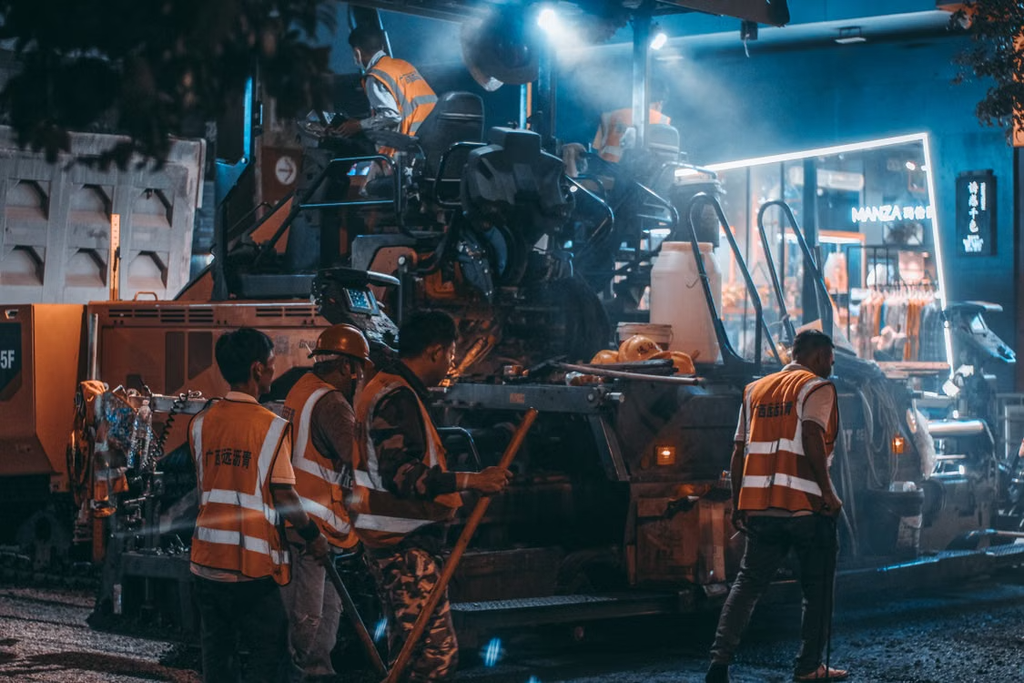
Quick Answer: Who Is Liable for a Wildfire Caused by Construction Activities in California?
In California, liability for a wildfire caused by construction activities generally falls on the parties whose negligence contributed to starting or spreading the fire. A subcontractor may be responsible for unsafe welding, an employer for an employee’s negligence, or another company for failing to maintain hazardous equipment. Multiple parties may share liability, but their involvement in the construction project alone does not automatically make them responsible. California Health and Safety Code § 13007 establishes the legal basis for recovering certain property losses resulting from fires that are started negligently or unlawfully.
How Construction Activities Can Lead to California Wildfires
Construction sites often involve activities that generate heat, sparks, or open flames. Activities such as welding, cutting, grinding, and operating heavy machinery can create ignition hazards, especially in California’s dry and windy conditions.
When sparks or overheated equipment contact dry grass, brush, or other combustible materials, a small fire can quickly spread beyond the worksite. Strong winds, low humidity, and accumulated vegetation can accelerate a fire’s growth and make it more difficult to contain.
To prevent construction-related wildfires, it is crucial to take appropriate safety precautions, such as managing combustible materials, maintaining equipment, and adhering to applicable fire prevention requirements. The specific measures depend on the activity, location, and conditions at the site.
When investigators suspect a wildfire originated from construction work, they examine the ignition source, surrounding conditions, and activities taking place before the fire began. These findings can help determine whether unsafe worksite practices contributed to the damage.
Who Can Be Held Responsible for a Construction-Caused Wildfire?
Contractor wildfire liability in California depends on who performed the hazardous activity, who controlled the relevant work, and whether a legal duty was breached.
Multiple parties may be investigated when a fire originates from a construction site.
Individual Contractors and Subcontractors
Contractors and subcontractors performing hazardous activities such as welding, electrical installation, or operating heavy equipment may be held liable for negligence that causes a wildfire.
For instance, a subcontractor performing welding work near dry vegetation who fails to take the required precautions could be held responsible if sparks ignite a fire. Investigators must examine applicable safety requirements, the contractor’s actions, and evidence connecting the work to the ignition.
Construction Companies and Employers
Under California’s respondeat superior doctrine, construction companies may be held responsible for negligent acts committed by their employees within the scope of their employment.
Companies may also face direct liability for inadequate employee training, negligent supervision, poor equipment maintenance, or unsafe worksite practices. Whether a company is held liable depends on its own conduct and whether it contributed to the fire.
General Contractors
General contractors often coordinate construction activities and may exercise control over certain aspects of worksite safety. However, hiring a subcontractor does not automatically make a general contractor liable for that subcontractor’s negligence.
Responsibility may arise when a general contractor’s own conduct breaches an applicable legal duty and contributes to the wildfire. Relevant considerations include retained control over hazardous operations, affirmative contributions to unsafe conditions, and independently applicable safety obligations.
In Hooker v. Department of Transportation (2002), the California Supreme Court addressed the circumstances in which a party that hires an independent contractor may face liability based on retained control over the contractor’s work.
Property Owners and Developers
Property owners and developers may face liability if their negligent decisions or actions contribute to a wildfire during construction.
This can include directing contractors to perform hazardous work without the proper precautions, creating dangerous site conditions, or failing to comply with applicable fire safety regulations.
Simply owning or developing the property does not establish responsibility for a contractor’s negligent conduct. Liability depends on the owner’s or developer’s specific actions, legal duties, and connection to the fire.
What Construction Activities Can Cause Wildfires?
Construction activities can create ignition hazards when sparks, heat, or flammable substances come into contact with dry vegetation and other combustible materials. Some of the most common risks include:
- Welding and Cutting Sparks. Welding, torch cutting, and similar operations can ignite nearby vegetation when workers fail to use appropriate protective barriers, clear combustible materials, or follow applicable fire monitoring requirements.
- Grinding and Metalworking Equipment. Grinding wheels and metal-cutting tools produce sparks that may ignite dry grass or other flammable materials, particularly when workers overlook surrounding hazards.
- Heavy Machinery and Equipment Malfunctions. Overheated components, mechanical friction, and electrical defects can create ignition sources. Poor maintenance or failure to address known equipment problems may increase the risk.
- Improper Handling of Flammable Materials. Fuel, solvents, and other combustible substances can contribute to fires when stored improperly or exposed to heat, sparks, or open flames.
- Inadequate Worksite Fire Prevention. Insufficient vegetation clearance, missing firefighting equipment, or continuing hazardous operations during dangerous weather conditions may contribute to wildfire ignition or spread.
Determining whether these activities caused a particular wildfire requires examining the circumstances, applicable safety requirements, and available evidence. Fire investigators may review equipment conditions, worksite practices, and the timing of construction operations to identify potential ignition sources.
What California Laws Apply to Construction-Related Wildfires?
California law establishes duties and fire prevention requirements that may apply when negligent construction activities cause a wildfire. The following statutes can help determine the legal responsibility of contractors, construction companies, and other parties.
| California Law | How It Applies to Construction-Related Wildfires |
|---|---|
| Health and Safety Code § 13007 | Addresses liability for fires caused willfully, negligently, or in violation of law, allowing recovery of certain property-related losses. |
| Civil Code § 1714 | Establishes the general duty of ordinary care, which may apply when contractors fail to take reasonable precautions against foreseeable fire hazards. |
| Public Resources Code § 4427 | Establishes fire prevention requirements for certain welding and other hazardous operations in covered locations and circumstances. |
| Public Resources Code § 4428 | Requires specified fire prevention equipment for certain machinery and operations in covered areas. |
These laws do not automatically establish liability whenever a wildfire starts near a construction site. Their application depends on the circumstances, the legal duties involved, and evidence connecting the alleged misconduct to the resulting damage.
California Health and Safety Code § 13007
This statute permits the recovery of certain property-related losses if a person or business causes a fire through willful, negligent, or unlawful actions. The statute may apply when construction activities ignite a wildfire that damages nearby homes or property.
California Civil Code § 1714
Contractors and construction companies must exercise reasonable care to prevent foreseeable harm, subject to applicable legal exceptions. Failing to take appropriate precautions during hazardous construction activities may support a negligence claim.
California Public Resources Code § 4427
This law establishes fire prevention precautions for certain welding and other hazardous operations in covered locations. Violations may be relevant when investigating whether unsafe construction practices contributed to a wildfire.
California Public Resources Code § 4428
This statute addresses firefighting equipment requirements for specified machinery and operations in covered areas. Investigators may examine compliance when construction equipment is suspected of causing a wildfire.
Can Safety Violations Help Establish Negligence?
According to California Evidence Code § 669, a violation of an applicable safety law may create a rebuttable presumption of negligence if the violation caused relevant harm that the law was intended to prevent and if the injured person belongs to the protected class.
However, a violation does not automatically establish liability.
How Can Victims Prove Contractor Negligence?
A successful construction crew wildfire lawsuit generally requires evidence connecting the contractor’s conduct to the fire’s ignition or spread and the resulting losses. Several types of evidence may help establish negligence and causation:
- Fire Origin and Cause Investigations. Investigators examine burn patterns, physical evidence, witness accounts, and photographs to identify where and how the fire started. Their findings may help connect the ignition to welding, machinery, or other construction activities.
- Worksite Safety Records. Construction logs, hot-work permits, equipment maintenance records, safety plans, incident reports, and contractor agreements may reveal what activities occurred, whether safety requirements were followed, and who controlled the work.
- Witness Statements and Video Evidence. Workers, nearby residents, security footage, and time-stamped photographs or communications may help reconstruct events leading up to the wildfire.
- Expert Witness Analysis. Fire investigators, engineers, and construction safety specialists may evaluate ignition sources, equipment conditions, and potential violations of applicable safety standards.
It is critical to preserve evidence as soon as possible because construction equipment can be repaired, worksite conditions can be altered, and physical evidence can be removed during cleanup. Our guide to preserving wildfire evidence immediately after a fire explains which records and materials to protect.
Can Multiple Parties Share Liability for a Contractor-Caused Wildfire?
Yes.
Multiple contractors, construction companies, or other parties may share liability when their negligent actions contribute to the same wildfire.
For example, a subcontractor might operate machinery that ignites dry vegetation, while another company may have failed to maintain the equipment properly. Determining responsibility requires examining each party’s conduct, legal duties, and contribution to the resulting harm.
How Does Comparative Fault Apply?
California follows a comparative fault system that allows responsibility to be allocated among parties whose negligence contributed to an injury.
Under California Civil Code § 1431.2, defendants in qualifying personal injury cases are generally responsible for noneconomic damages, such as pain and suffering, according to their respective percentages of fault.
Economic damages, including medical expenses and lost earnings, may be subject to different rules, including joint and several liability among qualifying defendants.
What If the Contractor Was Hired by a Public Agency?
When a public agency hires a contractor whose work allegedly causes a wildfire, the contractor’s potential liability must be evaluated separately from that of the government entity.
Claims against public agencies may involve additional requirements, including government claim presentation deadlines and statutory immunities. California Government Code § 911.2 generally requires claims involving personal injury or death to be presented within six months, while certain other claims have a one-year deadline.
The applicable rules depend on the type of claim, the defendant, and the circumstances of the fire.
What Compensation Can Victims Recover After a Contractor-Caused Wildfire?
Victims of construction-related wildfires may seek compensation for injuries, property damage, and financial losses if they can establish a legally valid claim. Depending on the circumstances, recoverable damages may include the following:
- Medical Expenses. Emergency treatment, hospitalization, medication, rehabilitation, and reasonably anticipated future medical care.
- Property Damage. Damage to homes, vehicles, personal belongings, landscaping, and other property, subject to applicable valuation and recovery rules.
- Lost Income and Earning Capacity. Wages lost during recovery and reductions in future earning potential caused by qualifying injuries.
- Temporary Housing and Displacement Costs. Reasonable expenses for alternative accommodations and other qualifying costs when wildfire damage makes a home uninhabitable.
- Pain and Suffering. Physical pain, emotional distress, and other recoverable non-economic losses associated with qualifying injuries.
The available compensation depends on the nature of the claim, the severity of the losses, applicable California law, and supporting evidence. Not every category of damages is recoverable in every wildfire case.
When Should Victims Contact a California Personal Injury Attorney?
Victims should consider consulting a California personal injury attorney as soon as they suspect that negligent construction activities contributed to a wildfire. Early legal assistance can help identify responsible parties, preserve critical evidence, and assess compensation options.
Prompt action is important because construction equipment can be repaired, worksite conditions can change, and physical evidence can disappear during cleanup. An attorney can investigate ignition sources, obtain relevant records, and coordinate expert evaluations.
California Code of Civil Procedure § 335.1 generally establishes a two-year deadline for personal injury lawsuits, while § 338 generally provides three years for certain property damage claims. However, exceptions and shorter deadlines may apply, particularly when government entities are involved.
Understanding these requirements early can help victims protect their rights. Learn more about eligibility, legal procedures, and potential compensation in our guide to filing a wildfire lawsuit in California.
Expert Tips for Investigating Construction-Related Wildfires
2. Identify the Companies Involved. Construction signs, building permits, and publicly available project records may help you identify the contractors, subcontractors, and other businesses operating near the suspected ignition site.
3. Preserve Witness Information. Record the contact details of people who observed construction activities, unusual sparks, equipment malfunctions, or the initial stages of the fire.
4. Obtain Any Available Investigation Records. Official fire investigation reports may provide information about the suspected ignition source. Keep in mind that some findings may be preliminary or unavailable while investigations continue.
5. Seek Legal Guidance Before Evidence Disappears. An attorney can evaluate the appropriate preservation measures for equipment, maintenance records, worksite documentation, and other relevant materials.
Frequently Asked Questions
Yes, potentially. You must establish that the contractor’s negligent conduct caused or contributed to the wildfire and your resulting losses.
The responsible welding contractor, employer, or other negligent parties may face liability depending on the circumstances.
Yes. Employers may be liable for qualifying negligent acts committed by employees within the scope of employment.
Not automatically. Liability depends on the general contractor’s conduct, applicable duties, and relevant legal principles.
Equipment defects or negligent maintenance may support a claim when evidence establishes that the condition caused the ignition.
Yes. Multiple parties may share responsibility when their separate negligent acts contribute to the wildfire or resulting injuries.
California generally provides two years for personal injury claims and three years for certain property damage claims, subject to exceptions and potentially shorter deadlines.
Protecting Your Rights After a Contractor-Caused Wildfire
The consequences of a wildfire caused by negligent construction activities can extend far beyond the original worksite. Families may suffer serious injuries, lose property, incur unexpected expenses, and experience significant disruptions to their lives.
Determining who is legally responsible can be challenging, especially when multiple contractors, employers, or property owners are involved. At Adamson Ahdoot, our California wildfire attorneys can investigate potential negligence, evaluate evidence, and pursue compensation from the responsible parties.
If you or a loved one has been injured or has experienced property damage in a construction-related wildfire, call (866) 645-4992 for a free consultation. Our team is available 24/7 to discuss your case and help you understand your legal options.
References
- California Legislative Information: Health and Safety Code § 13007 — Liability for negligently or unlawfully caused fires.
- California Legislative Information: Civil Code § 1714 — General duty of ordinary care.
- California Legislative Information: Public Resources Code § 4427 — Fire prevention requirements for specified hazardous operations.
- California Legislative Information: Public Resources Code § 4428 — Fire prevention equipment requirements for specified machinery.
- California Legislative Information: Evidence Code § 669 — Presumption of negligence involving statutory or regulatory violations.
- California Legislative Information: Civil Code § 1431.2 — Several liability for noneconomic damages.
- California Supreme Court: Hooker v. Department of Transportation (2002) 27 Cal.4th 198 — Retained control and liability involving independent contractors.
- California Department of Forestry and Fire Protection: CAL FIRE — Wildfire prevention and investigation resources.