California wildfires can destroy homes and businesses, forcing families to relocate and leaving them with significant financial and emotional losses. Beyond immediate property damage, wildfire compensation may cover medical expenses, lost income, and long-term rebuilding costs.
Understanding the full extent of wildfire-related losses is essential when pursuing compensation. Although a California wildfire lawsuit can help victims cover immediate and long-term expenses, accurately valuing a claim requires careful documentation and legal evaluation.
Free Case Evaluation:
Have you suffered property damage, financial losses, or injuries in a California wildfire? Our legal team can help you evaluate your losses and explore your compensation options.
Call (866) 645-4992 for a free consultation.
Quick Answer: How Are Damages Calculated in Wildfire Lawsuits?
In California, courts calculate damages in wildfire lawsuits by assessing documented financial losses, including property damage, evacuation expenses, medical bills, and lost income. Depending on the legal basis of the claim, victims may also recover compensation for emotional distress and other non-economic harm. The final amount depends on the evidence, applicable law, liability, and the circumstances of each case.
What Can Be Recovered Under California Wildfire Damages Law?
California wildfire lawsuits may involve three categories of damages, depending on the nature of the claim and the circumstances of the case.
| Type of Damage | What It Covers | Examples |
|---|---|---|
| Economic damages | Measurable financial losses | Property repairs, relocation costs, lost income |
| Non-economic damages | Qualifying personal and emotional harm | Emotional distress, loss of enjoyment of life |
| Punitive damages | Additional damages intended to punish qualifying misconduct | Certain cases involving malice, oppression, or fraud |
Not every category applies to every wildfire lawsuit. The damages available depend on the legal basis of the claim, the evidence presented, and the nature of the losses.
Economic Damages: The Financial Impact
Economic damages cover measurable financial losses resulting from a wildfire. Depending on the circumstances, these may include property damage, temporary housing expenses, business interruption, medical costs, and lost income.
Property Loss
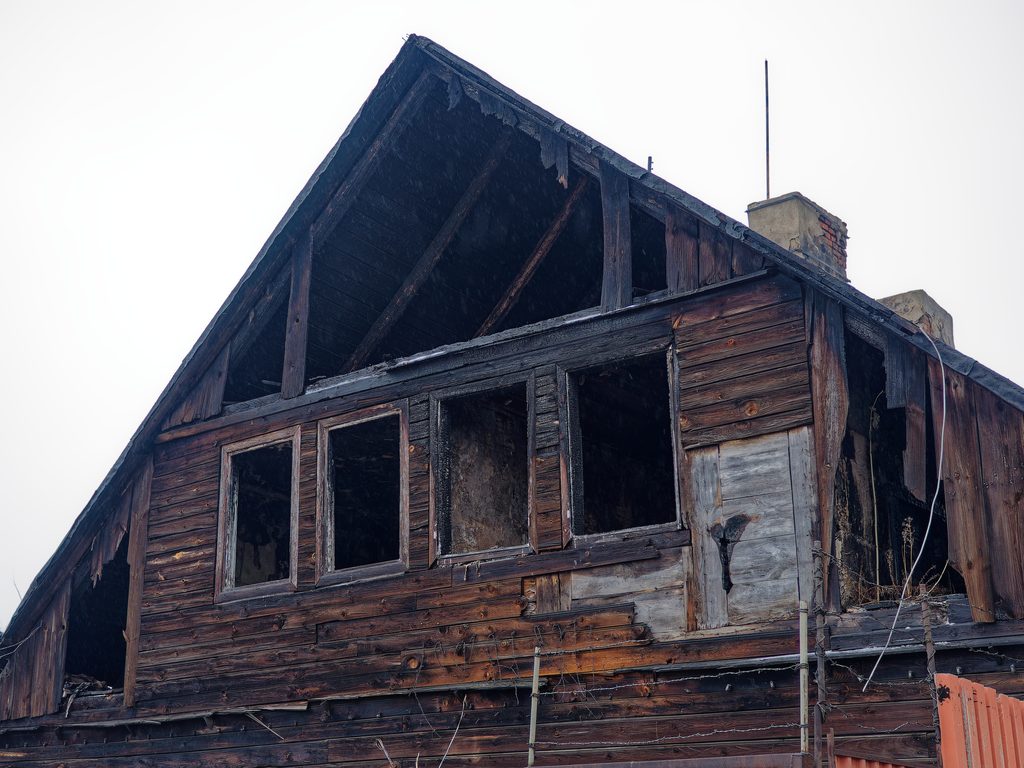
When a wildfire destroys or damages a home, business, vehicle, or other personal property, victims may be able to pursue property damage claims for their losses. Compensation may include:
- Rebuilding costs.
- Repairs for partial damage.
- Replacement of personal items, furniture, electronics, and more.
- Loss of landscaping, fences, outbuildings, or structures on the property.
Receipts, appraisals, and insurance documents play a significant role in proving these losses.
Loss of Use
When a wildfire makes a property uninhabitable or unusable, victims may be able to recover reasonable expenses associated with temporary arrangements. These may include:
- Hotel or rental housing.
- Storage for belongings.
- Temporary utilities or duplicate services.
- Additional travel or commuting costs.
Even when the property is not a total loss, loss of use can significantly impact daily life.
Business Interruption
Wildfires can force businesses to close for weeks or months, resulting in substantial financial losses. Business owners pursuing compensation through a wildfire lawsuit may be able to recover:
- Lost income or profit.
- Fixed operating expenses that continued during closure.
- Costs to relocate or restart the business.
- Payroll or benefits paid to idle staff.
Financial statements, tax returns, payroll records, and expert analysis can help establish the extent of these losses.
Evacuation and Relocation Costs
Wildfire evacuations can lead to unexpected expenses, even when a home is not directly damaged. Depending on the circumstances, recoverable costs may include:
- Hotel stays.
- Meals during displacement.
- Gas, tolls, or transportation.
- Emergency pet boarding.
- Emergency supplies like clothing or toiletries.
Keeping receipts and records of evacuation dates can help document these expenses and distinguish them from other temporary living costs.
Medical Expenses and Lost Income
Wildfires can cause physical injuries and smoke-related health problems that require medical care. If these injuries are legally attributable to the wildfire, you may be able to recover economic damages, including:
- Emergency treatment and hospitalization.
- Medical appointments, medications, and rehabilitation.
- Future medical expenses related to qualifying injuries.
- Lost wages and reduced earning capacity.
To establish the financial impact of these injuries, you will need medical records, employment documents, and expert evaluations.
Non-Economic Damages: Emotional and Psychological Toll
Not all losses related to wildfires are financial. Victims may suffer lasting emotional and psychological harm that affects their daily lives. However, whether or not they are compensated for non-economic damages depends on the legal basis of the claim and the circumstances surrounding the harm.
Emotional Distress
Experiencing a wildfire can lead to serious psychological effects, including:
- Anxiety.
- Depression.
- Trouble sleeping.
- Post-traumatic stress.
- Loss of sense of safety or control.
When emotional distress is legally compensable, therapy records, personal journals, and statements from family or friends may help document its severity and impact.
Loss of Enjoyment of Life
Wildfire-related injuries or trauma may prevent victims from participating in activities they previously enjoyed or significantly affect their quality of life. Depending on the circumstances, these limitations may support a claim for non-economic damages.
Punitive Damages: When Can They Be Awarded?
In some California wildfire lawsuits, courts may award punitive damages in addition to compensation for actual losses. According to California Civil Code § 3294, punitive damages generally require clear and convincing evidence of malice, oppression, or fraud.
The purpose of punitive damages is to punish particularly wrongful conduct and discourage similar behavior. For instance, evidence showing that a utility company knowingly disregarded significant safety risks could support such a claim, depending on the circumstances and applicable legal requirements.
However, not all wildfire lawsuits qualify for punitive damages. Their availability depends on the legal basis of the claim and evidence of misconduct.
Key Factors in Calculating Wildfire Lawsuit Damages in California
– Assessing Economic Losses. Reviewing repair estimates, property valuations, medical bills, lost income, and other documented expenses.
– Evaluating Non-economic Harm. Considering the severity, duration, and impact of qualifying physical or emotional injuries.
– Accounting for Insurance Payments. Reviewing compensation already received to determine how it affects the remaining claim and avoid duplicate recovery.
– Assessing Liability and Legal Limitations. Determining which losses can be attributed to the responsible parties and recovered under applicable California law.
For instance, a homeowner may incur $250,000 in property damage, $20,000 in temporary housing expenses, and $30,000 in lost income. Assuming each amount is recoverable and there is no overlap, these losses total $300,000 in potential economic damages.
However, this figure does not guarantee a settlement or court award. Final compensation depends on available evidence, liability, insurance considerations, and other case-specific factors.
How to Build a Strong Wildfire Claim
To build a strong wildfire claim, you need thorough documentation, attention to legal deadlines, and an accurate assessment of recoverable losses. Taking these three steps can help protect your right to compensation.
1. Keep Detailed Records
Organize evidence of your losses as early as possible, including:
- Photos and videos of damaged property.
- Receipts for evacuation and temporary living expenses.
- Estimates for repairs or replacements.
- Medical or therapy records related to stress or trauma.
Detailed documentation can help establish the extent of your losses and support the calculation of damages.
2. Know the Deadlines
California has statutes of limitation for filing a claim. Missing a deadline can mean missing your chance to recover compensation. The sooner you begin, the better your legal position.
Did You Know?
Depending on the type of claim, common wildfire deadlines may include:
- Personal Injury Claims: Generally 2 years (CCP § 335.1).
- Property Damage Lawsuits: Generally 3 years (CCP § 338).
- Claims Against Government Entities: Often 6 months for personal injury or personal property damage, and 1 year for real property damage, to submit an administrative claim (Government Code § 911.2).
These are general deadlines, not guarantees for every case. Different rules, exceptions, or shorter filing requirements may apply depending on the circumstances.
3. Work with a Wildfire Attorney
Not all law firms handle wildfire cases. An attorney with experience in California wildfire damages can help you value your claim correctly, navigate the legal system, and stand up to large utilities or insurance companies.
Get Help Calculating Your California Wildfire Damages
Recovering from a wildfire involves more than just repairing damaged property. Lost income, evacuation expenses, medical bills, and qualifying emotional distress may all affect the value of a legal claim.
At Adamson Ahdoot, our legal team can help you evaluate your wildfire-related losses and understand your legal options. If another party is responsible, we can help you pursue compensation.
If you or your family has suffered losses in a California wildfire, contact us or call (866) 645-4992 for a free consultation.